

 Megtekintés
 Küldés
 Megosztás
 Részletek
 Útmutató

 Letöltés
 Hasonló darabok
 X-ray felvétel
 Diavetítés
 Kérdések és válaszok
 Statisztika
Landschaft Am Fluss Vor Gent

Experience 'Landscape Am Fluss Vor Gent' by Paul Baum (1859-1932). A serene impressionist landscape of a riverbank near Ghent, Germany. Hand-painted reproduction captures timeless beauty.
Paul Baum (1859-1932) was a German Impressionist painter known for his landscape, genre, and portrait works. Explore his art featuring serene rural scenes, vibrant flower studies, and insightful portrayals of daily life.
 Összes részlet megjelenítése
Giclée / Műnyomat
Múzeumi minőségű giclée vagy vászonnyomat, gyors gyártással és rugalmas finomítási lehetőségekkel. ( Kézzel festett másolat rendelése Áttérés digitális képre)




P118B Ft10

P118H Ft10

P118W Ft10

P438Z Ft10

P508JH Ft12

P508YH Ft12

P805H Ft10

P805Z Ft10

P919BZ Ft10

P919G Ft10

P919XJ Ft10

P959ZH Ft10

P968JZ Ft12

W106C Ft8

W218G Ft10

W218JH Ft8

W218Y Ft10

W307PJ Ft10

W316G Ft10

W316PJ Ft8

W316Y Ft10

W398PJ Ft8

W4111J Ft10

W500HY Ft15

W500JH Ft15

W692G Ft12

W849H Ft8

W940BG Ft15

W953PJ Ft8




Standard méret
egyedi méretű
CM
INCH
Válasszon előre meghatározott méreteink közül, amelyek megfelelnek a műalkotás eredeti arányainak.
Loading sizes...

szélesség
magasság
Írja be a keretének vagy a falának megfelelő szélességet és magasságot. A nyomatot csak le lehet vágni, soha nem tehető nagyobbá, mint az eredeti kép, így egy eltérő alakú méretnél a kép egy része elveszik. Mielőtt bármit kinyatintanánk, küldünk egy digitális próbamodellt jóváhagyásra. Az oldalon látható kép nem tartalmazza a valós levágást — ezt csak a próbamodell mutatja meg.
Világszerte történő kiszállítás területére mindössze 2 hét alatt, a szokásos 4-5 hét helyett. (7 november)

Ingyenes globális expressz szállítás

Prémium minőségű len vászon

Teljes körű szállítási biztosítás

Vámvisszatérítési Garancia

Hiteles színarányosság garancia

100 napos visszaküldési lehetőség (csak hibás termékek esetén)

100% pénzvisszatérítési garancia

Több darab vásárlásakor kedvezmény
 Az üvegkeretes opció csak 110 cm alatti méretben érhető el

Landschaft Am Fluss Vor Gent
Giclée / Műnyomat
Reprodukció mérete
-


Összesített ár
Ft 22811
Hasonló műalkotások


A művész életrajza
Paul Baum (1859 – 1932): A Quiet Master of Impressionist Landscape
Paul Baum (1859-1932) emerged from Meissen, Germany, as a painter deeply rooted in the burgeoning Impressionist movement. His artistic journey began with formative exhibitions and culminated in a distinguished career marked by meticulous observation and serene depictions of rural life—a testament to his unwavering dedication to capturing fleeting moments of beauty.- Early Years & Training: Baum’s initial artistic inclinations were nurtured during his youth, shaping him into the artist he would become. He honed his skills through diligent study and experimentation, absorbing influences from established Impressionist luminaries like Claude Monet and Camille Pissarro.
- Rome Prize & Tuscan Retreat (1895): A pivotal moment arrived in 1895 when Baum secured the Villa Romana prize, granting him a year’s residency in Rome—a crucible for artistic innovation. This experience profoundly impacted his style, fostering a preference for luminous palettes and atmospheric perspective characteristic of Impressionism.
- Travels & Artistic Development: Baum's wanderlust propelled him to Tuscany, where he spent four years immersed in the landscapes of San Gimignano and Florence. These travels fueled his artistic vision, resulting in evocative paintings that conveyed the essence of Italian countryside with remarkable sensitivity.
The Impact of War & Academic Influence (1914 – 1918)
The outbreak of World War I disrupted Baum’s trajectory, forcing him to return to Germany and accept a professorship at the Academy. However, his artistic pursuits continued despite these obligations, demonstrating his commitment to both teaching and creative expression. Notably, he succeeded Carl Bantzer as professor of landscape painting—a role that solidified his position within the German art community.- Brief Artistic Collaborations: Baum’s artistic endeavors extended beyond lecturing; he engaged in collaborative projects with fellow artists, enriching the visual culture of his time.
Marburg & Continued Landscape Exploration (1921 – 1932)
In 1921, Baum established a home in Marburg, envisioning it as his permanent abode—though he remained active artistically until his untimely death in 1932. He continued to refine his technique and explore new subjects, particularly the landscapes of Bavaria and Tuscany. His final years were spent primarily in San Gimignano, where he found inspiration amidst the Tuscan hills.- Legacy: Baum’s enduring legacy resides in his captivating landscape paintings—works that embody the spirit of Impressionism's pursuit of light and color. His meticulous attention to detail and profound understanding of nature continue to resonate with viewers today, securing his place as a significant figure in German art history.
Notable Works & Artistic Style
Baum’s oeuvre encompasses a diverse range of subjects—from tranquil river scenes to vibrant floral studies—all rendered with masterful precision and imbued with an unmistakable Impressionist aesthetic. His paintings are distinguished by their luminous color harmonies, soft brushstrokes, and subtle gradations of tone—elements that convey the ephemeral beauty of the natural world with unparalleled grace. Among his celebrated pieces include “Weimar in the Rain” (1883), “River Landscape in Mecklenburg” (1895), “Sint Anna ter Muiden” (c. 1902) and “Landscape near Hyères” (1909). These artworks exemplify Baum’s unwavering dedication to capturing the essence of Impressionism—a movement that forever altered the course of art history.
Paul Baum
1859 - 1932 , Germany
Rövid információk
- Full Name: Paul Baum
- Nationality: German
- Date Of Birth: 1859
- Date Of Death: 1932
- Place Of Birth: Meissen, Germany
- Notable Artworks:
- Weimar in the rain
- River landscape in Mecklenburg
- Sint Anna ter Muiden
- Landscape near Hyères
- Artistic Movement Or Style: Impressionism
Kapcsolódó cikkek
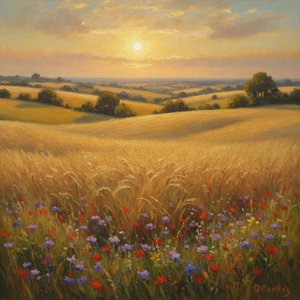
Golden Fields & Sun-Drenched Meadows: Capturing the Soul of Impressionist Landscapes
Immerse yourself in the luminous world of Impressionist landscapes. Discover how masters like Monet and Gauguin captured ephemeral light through plein air painting, and learn to bring the soul of sun-drenched meadows into your home with exquisite, hand-painted oil reproductions.

Capturing the Soul: The Most Emotionally Moving Impressionist and Post-Impressionist Masterpieces
Discover the profound emotional depth of Impressionist and Post-Impressionist masterpieces. Explore how legends like Monet, Van Gogh, and Gauguin captured light and soul through evocative landscapes and vibrant brushwork for a timeless connection to art history.

The Beauty of Impermanence: Capturing Decay through Impressionist Eyes
Explore the profound beauty of impermanence through Impressionist and Post-Impressionist eyes. Discover how masters like Monet and Van Gogh captured fleeting light and the poetic essence of nature's transitions in our deep dive into art history and emotional landscapes.

Whispers of Rural Serenity: A Journey Through the Enchanting Village Landscapes of Impressionism
Immerse yourself in the tranquil beauty of Impressionist village landscapes. Explore our exquisite collection of hand-painted oil reproductions, capturing the light and soul of masters like Monet and Pissarro. Bring a piece of art history into your home with TopImpressionists.com.

Beyond the Light: Capturing Raw Emotion and Subjective Vision in Post-Impressionist Landscapes
Explore the profound emotional depth of Post-Impressionist landscapes. Discover how masters like Van Gogh moved beyond light to capture raw human feeling through vibrant color and expressive texture in this expert art history retrospective.