

 Megtekintés
 Küldés
 Megosztás
 Részletek
 Útmutató

 Letöltés
 Hasonló darabok
 X-ray felvétel
 Diavetítés
 Statisztika
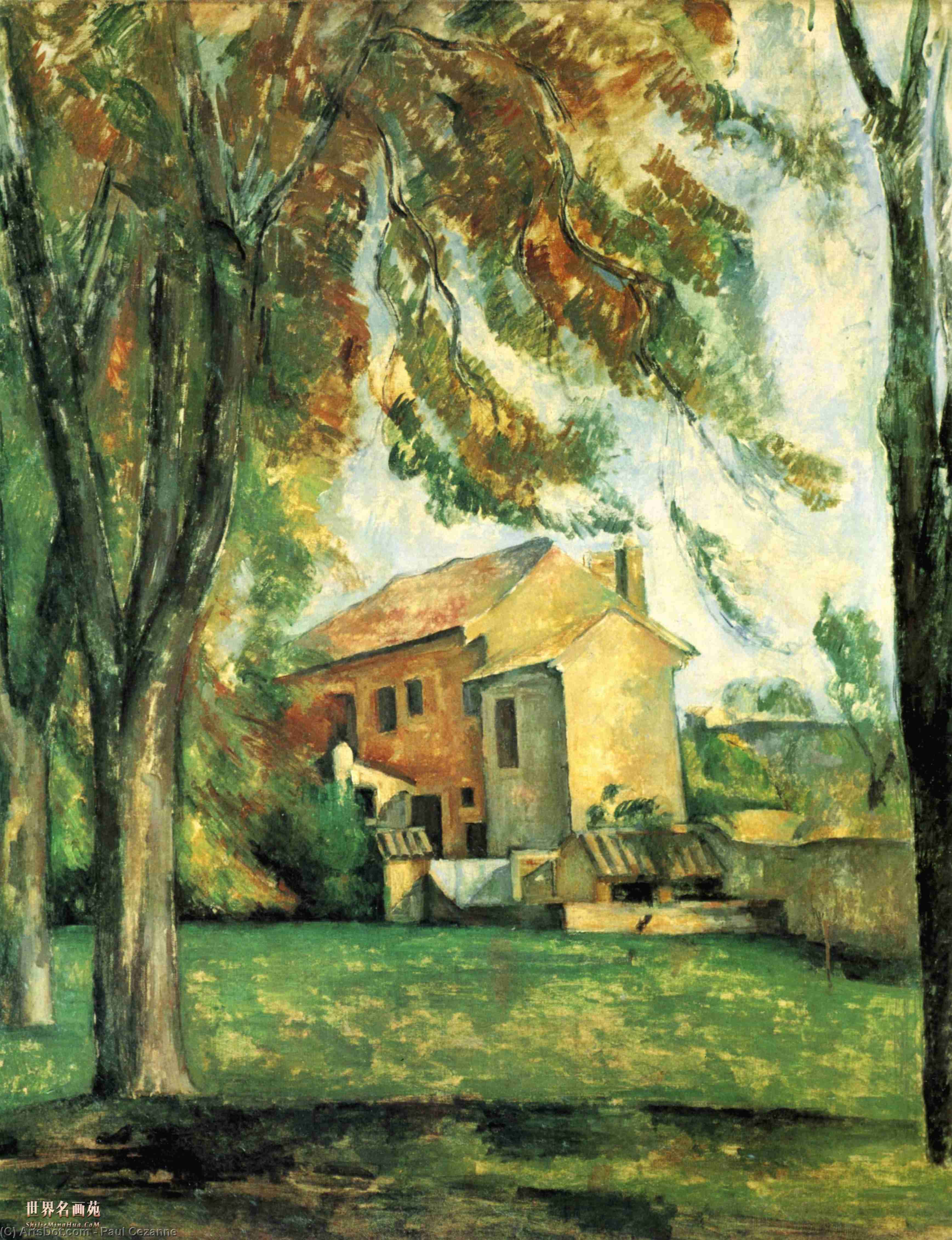
A Jas de Bouffan-i tó
 Olajfestmény vászonon
- Falfeliratok és faldekoráció
- Post-Impressionism
 1878
1878- 19. század
 52.0 x 56.0 cm
Tapasztalj a Cézanne-féle "A Jas de Bouffan-i tó" művészetét! Ez a pósztimpresszionista remekmű ötvözi a csendes vidéki szépséget, egyedi geometrikus formáival és ragyogó színeivel. Egy örök zsámbár, tükrözve a modern művészet fejlődését.
 Összes részlet megjelenítése
Cézanne: A posztimpresszionizmus úttörője! Fedezze fel Aix-en-Provence festőjének tájkép-, csendélet- és kubista hatású műveit. Modern művészet alapkövé!
Giclée / Műnyomat
Múzeumi minőségű giclée vagy vászonnyomat, gyors gyártással és rugalmas finomítási lehetőségekkel. ( Kézzel festett másolat rendelése Áttérés digitális képre)




P118B Ft10

P118H Ft10

P118W Ft10

P438Z Ft10

P508JH Ft12

P508YH Ft12

P805H Ft10

P805Z Ft10

P919BZ Ft10

P919G Ft10

P919XJ Ft10

P959ZH Ft10

P968JZ Ft12

W106C Ft8

W218G Ft10

W218JH Ft8

W218Y Ft10

W307PJ Ft10

W316G Ft10

W316PJ Ft8

W316Y Ft10

W398PJ Ft8

W4111J Ft10

W500HY Ft15

W500JH Ft15

W692G Ft12

W849H Ft8

W940BG Ft15

W953PJ Ft8




Standard méret
egyedi méretű
CM
INCH
Válasszon előre meghatározott méreteink közül, amelyek megfelelnek a műalkotás eredeti arányainak.
Loading sizes...

szélesség
magasság
Írja be a keretének vagy a falának megfelelő szélességet és magasságot. A nyomatot csak le lehet vágni, soha nem tehető nagyobbá, mint az eredeti kép, így egy eltérő alakú méretnél a kép egy része elveszik. Mielőtt bármit kinyatintanánk, küldünk egy digitális próbamodellt jóváhagyásra. Az oldalon látható kép nem tartalmazza a valós levágást — ezt csak a próbamodell mutatja meg.
Világszerte történő kiszállítás területére mindössze 2 hét alatt, a szokásos 4-5 hét helyett. (26 október)

Ingyenes globális expressz szállítás

Prémium minőségű len vászon

Teljes körű szállítási biztosítás

Vámvisszatérítési Garancia

Hiteles színarányosság garancia

100 napos visszaküldési lehetőség (csak hibás termékek esetén)

100% pénzvisszatérítési garancia

Több darab vásárlásakor kedvezmény
 Az üvegkeretes opció csak 110 cm alatti méretben érhető el

A Jas de Bouffan-i tó
Giclée / Műnyomat
Reprodukció mérete
-


Összesített ár
Ft 22150
The Serene Embrace of Nature: Paul Cézanne’s *The Pond of the Jas de Bouffan*
Paul Cézanne's *The Pond of the Jas de Bouffan*, painted in 1878, is more than a simple landscape; it’s a pivotal moment in art history—a bridge between the fleeting impressions of Impressionism and the nascent geometric explorations of Cubism. This captivating oil on canvas, measuring just 52 x 56 cm, offers a profound meditation on nature, light, and the very act of seeing. Nestled within the picturesque setting of the Jas de Bouffan estate near Aix-en-Provence—a place deeply intertwined with Cézanne’s family history—the painting captures a tranquil scene dominated by a shimmering pond reflecting the sky above. The composition is deceptively simple: a modest dwelling, its white roof a beacon against the verdant hillside, sits poised beside the water's edge, framed by an array of trees that seem to lean in towards the viewer, creating a sense of intimate observation.
Cézanne’s artistic journey was one of constant refinement. Initially influenced by Romanticism and Realism—evident in his early murals at Jas de Bouffan – he meticulously studied the techniques of Impressionists like Monet and Pissarro, absorbing their focus on capturing the effects of light and color. However, Cézanne wasn't content to merely replicate what he saw; he sought a deeper understanding of form and structure. *The Pond of the Jas de Bouffan* exemplifies this shift. He doesn’t simply depict the scene as it appears; instead, he dissects it, analyzing its underlying geometry—the planes of the trees, the receding perspective of the hillside, and the reflective surface of the water. This process is strikingly evident in his brushwork: short, broken strokes that build up to create a sense of volume and solidity, rather than dissolving into atmospheric haze.
A Revolutionary Approach to Representation
Cézanne’s approach to color is equally revolutionary. He employs a palette of muted greens, blues, and browns—earthy tones that evoke the natural world—but he applies them with an almost sculptural quality. The colors aren't blended smoothly; they are applied in distinct patches, creating a sense of depth and texture. Notice how the reflections on the water’s surface shimmer with variations of blue and green, mirroring the sky above and adding to the painting’s overall dynamism. This deliberate manipulation of color—a hallmark of Cézanne's style—was groundbreaking at the time, challenging traditional notions of representation and paving the way for future generations of artists.
The significance of *The Pond of the Jas de Bouffan* extends far beyond its aesthetic qualities. It’s a testament to Cézanne’s evolving artistic vision – a visual record of his ongoing experimentation with form, color, and perspective. His work had a profound impact on modern art, directly influencing artists such as Pablo Picasso and Henri Matisse, who were deeply inspired by his exploration of geometric abstraction and his rejection of traditional academic conventions. The painting's influence can be seen in the way these artists approached composition, color, and form—breaking down objects into their essential shapes and exploring new ways of representing space and volume.
Symbolism and Emotional Resonance
While seemingly a straightforward depiction of a rural landscape, *The Pond of the Jas de Bouffan* is rich in symbolic meaning. The pond itself represents tranquility and reflection—a place for contemplation and escape from the pressures of daily life. The dwelling, with its white roof, symbolizes domesticity and stability, anchoring the scene within a recognizable reality. The surrounding trees, rendered with such meticulous detail, evoke a sense of timelessness and connection to nature. Cézanne’s deliberate use of light and shadow further enhances the painting's emotional impact—creating a mood of serene beauty and quiet contemplation.
Replicating Masterpiece: A TopImpressionists Reproduction
At TopImpressionists, we are dedicated to preserving the essence of masterpieces like *The Pond of the Jas de Bouffan*. Our hand-painted reproductions capture every nuance of Cézanne’s brushwork and color palette with meticulous attention to detail. Each reproduction is crafted by skilled artists using traditional oil painting techniques, ensuring that the artwork retains its original depth, texture, and emotional resonance. Whether you're an art enthusiast, a collector, or simply seeking to add a touch of timeless beauty to your home, our reproductions offer a stunning way to experience Cézanne’s vision firsthand. Explore the full reproduction here.
- Size: 52 x 56 cm
- Date: 1878
- Style: Post-Impressionism
- Medium: Oil on Canvas
Learn more about Paul Cézanne and his works at: Paul Cézanne
Kérdések és válaszok
Milyen hangulatot áraszt a "A Jas de Bouffan-i tó"?
A "A Jas de Bouffan-i tó" Békés hangulatú.
Milyen érzéssel párosítható a "A Jas de Bouffan-i tó"?
A „A Jas de Bouffan-i tó”, Paul Cézanne alkotása egy Békés érzelmi hangulatot közvetít.
Milyen méretű "A Jas de Bouffan-i tó" ajánlott egy Nappali-hoz?
A Nappali helyiségbe a "A Jas de Bouffan-i tó" alkotáshoz egy Közepes méret méretű nyomtatást javasoljuk.
Hasonló műalkotások


A művész életrajza
Paul Cézanne élete és művészete: A modern festészet úttörője
Paul Cézanne, 1839-ben született Aix-en-Provence városában, a festészet történetének egyik legfontosabb alakja. Művészete híd volt az impresszionizmus szubjektív látásmódja és a kubizmus töredezett formái között. Élete nem a gyors elismerésről szólt; sokkal inkább egy lassú, mély művészi felfedezés időszaka, melyet kétségek és kritikai visszautasítások kísértek, végül pedig egy olyan örökséget eredményezett, amely gyökeresen megváltoztatta a modern művészet irányát. Cézanne tehetős családban született – apja kezdetben kalapos volt, később bankár –, ami szokatlan anyagi biztonságot biztosított számára, lehetővé téve, hogy szenvedélyének élhessen anélkül, hogy azonnali kereskedelmi sikert kellett volna elérnie. Bár apja eredetileg jogi pályára terelte, a művészi kifejezés vonzereje erősebbnek bizonyult, és végül festészetet kezdett tanulni, egy olyan döntés, amely meghatározta az életét. Korai hatásai közé tartozott a romantika és a barbizon iskola tájképekre való odafigyelése, de Paul Gauguin és Georges Seurat innovatív szín- és formamegoldásaival való találkozásán keresztül kezdett saját egyedi útját kialakítani.A sötétségből a szerkezet felé: Cézanne stílusának fejlődése
Cézanne korai munkái gyakran tükrözték a romantikus festészet drámai, érzelmileg feltöltött témáit – sötét paletták és kifejező ecsetvonások domináltak vásztasain. Ez az első szakasz azonban csupán egy lépcsőfok volt egy sokkal analitikusabb és úttörőbb megközelítés felé. Elégedetlenkedve a fény pillanatnyi benyomásainak egyszerű rögzítésével, ahogyan azt az impresszionisták kedvelték, Cézanne elindult azon a küldetésen, hogy megértse és ábrázolja a tárgyak mögöttes szerkezetét. Nem csupán arra törekedett, hogy *mit* látott, hanem arra is, hogy *hogyan* érzékelte azokat az alapvető formákat, amelyek valóságot alkotják. Ez vezette őt ahhoz, hogy a természetes alakzatokat geometriai megfelelőikre bontsa – kúpos testekre, hengerekre, gömbökre –, évtizedekkel megelőzve ezzel a kubista forradalmat. Technikája apró, ismétlődő ecsetvonásokkal jellemezhető, melyeket gondosan rétegezett komplex szín- és textúramezők felépítésére, olyan szilárdság és mélység érzetét teremtve, amely korábban nem volt látható a festészetben. Nem érdekelte az illuzionisztikus tér; ehelyett gyakran mutatta be a tárgyakat egyszerre több nézőpontból is, kihívva ezzel a hagyományos perspektíva fogalmait és arra kényszerítve a nézőt, hogy aktívan részt vegyen kompozícióinak felépítésében. Ez szándékos torzítás nem öncélú volt, hanem egy teljesebb formamegértés megkísérlése, amely nem csupán egy pillanatnyi látványt ábrázolt, hanem a percepció szintézisét.Tájak, életképek és az emberi forma: Cézanne főművei és visszatérő motívumai
Cézanne oeuvre rendkívül sokszínű, tájképeket, életképeket, portrékat és fürdőkádak ábrázolásait foglalja magában, de mindegyiket egyedi formamegértése és színvilága egyesíti. A Jas de Bouffan tava, melyet 1880-ban festett, példázza tájképeit, bemutatva képességét a természet esszenciájának rögzítésére gondosan elrendezett formák és árnyalatok segítségével. Az Émile Zola portréja, melyet 1866-ban készített, felfedi fejlődő stílusát és lenyűgöző pillanatképet közeli barátjának és írótársának intenzív szellemiségéről. Életképei, például az almákat és más gyümölcsöket ábrázolók, nem csupán a tárgyak leképezései, hanem a térfogat, a fény és a téri kapcsolatok felfedezései. A Mont Sainte-Victoire sorozat Cézanne megszállottságává vált, egy visszatérő motívum, amely lehetővé tette számára, hogy évtizedeken keresztül szüntelenül vizsgálja a formát és a perspektívát. Ezek a festmények nem egyszerűen egy hegy ábrázolásai; hanem tanulmányok arról, hogyan érzékeljük a mélységet, a térfogatot és a fény és árnyék kölcsönhatását. Végül sorozata Fürdőkádakról, melyek idilli tájakban ábrázolt meztelen alakokat tartalmaznak, az emberi forma mély kutatása és kapcsolatát a természettel képviselik, gyakran egyfajta időtállóság és csendes kontempláció érzetével átitatva.Egy innovációra épült örökség: Cézanne hatása a modern művészetre
Paul Cézanne hatása a következő generációk művészeire felmérhetetlen. Őt tartják széles körben a „modern művészet atyjának” úttörő hozzájárulásai miatt a képi nyelvhez, utat nyitva a 20. század számos jelentős művészeti áramlata előtt. Pablo Picasso és Georges Braque mélyen voltak Cézanne geometriai formákra való hangsúlyozásának és több perspektívának köszönhetők, amelyek a kubizmus központi elemeivé váltak. Merész színhasználata inspirálta a Fauvist mozgalmat is, melyet Henri Matisse vezette, aki élénk, nem-naturalisztikus árnyalatokat ölelt. Még a szürrealista művészek is találtak rezonanciát Cézanne szubjektív percepció és pszichológiai mélység kutatásában. A konkrét mozgásokon túl Cézanne ragaszkodása az alkotó egyéni látásmódjához és a hagyományos akadémiai korlátok elutasításához felszabadította a festők generációit, hogy új kifejezési formákat fedezzenek fel. Kihívta a reprezentáció fogalmát, áthelyezve a fókuszt a valóság utánozásáról egy olyan vizuális élmény megteremtésére, amely az alapvető szerkezetre és szubjektív percepcióra épül. Halála 1906-ban nem a végét jelentette, hanem egy új korszak hajnalát – a művészettörténet egy olyan új korát, amelyet gyökeresen formált forradalmi látásmódja.
Paul Cézanne
1839 - 1906 , Franciaország
Rövid információk
- Artistic Movement Or Style: posztimpresszionizmus
- Artists Or Movements Influenced By This Artist:
- Kubizmus
- Fauvizmus
- Szürrealizmus
- Artists Who Influenced This Artist:
- Romantika
- Barbizon iskola
- Paul Gauguin
- Georges Seurat
- Date Of Birth: 1839. január 19.
- Date Of Death: 1906. október 22.
- Full Name: Paul Cézanne
- Nationality: francia
- Notable Artworks:
- Jas de Bouffan tava
- Émile Zola portréja
- Mont Sainte-Victoire sorozat
- Fürdők
- Place Of Birth (City And Country): Aix-en-Provence, Franciaország
Kapcsolódó cikkek

Beyond Impressionism: Exploring the Emotional Depth of Post-Impressionist Painting
Explore the profound emotional depth & innovative techniques of Post-Impressionism with TopImpressionists. Discover Cézanne, Van Gogh, Gauguin & more – and their lasting impact on modern art.

A benyomásosok mesterművei: 10 ikonikus festmény a művészetben és otthonában
Fedezze fel a 10 legikonikusabb impresszionista festményt! Monet, Renoir és más mesterek művészete életre kel TopImpressionists.com-on. Vászonképek, faliképek – inspirálja otthonát a benyomásosok színeivel és hangulatával! Explore the full collection online.

Paul Cézanne 25 Mesterműve: A Modern Művészet Úttörői | TopImpressionists
Fedezze fel Paul Cézanne 25 legikonikusabb művét! Ismerje meg a posztimpresszionizmus úttörőjének festményeit, technikáját és inspirációit. Vászonképek, portrék, tájképfestmények – minden otthonba. Böngéssze gyűjteményünket a TopImpressionists-on!

Rólunk
Fedezze fel történetünket! A világ legjobb művészetét hozzuk az életébe szakértő válogatással, egyedi alkotásokkal és ingyenes betekintésekkel. Magánszemélyek és vállalkozások számára is elismert 2000 óta.

Goya Mesterművei: A Spanyol Lélek 25 Legikonikus Képe – TopImpressionists
Fedezze fel Goya 25 leglenyűgözőbb mesterművét! Ismerje meg a spanyol festő életművét, portréit és ikonikus képeit. Vásároljon prémium minőségű reprodukciókat a TopImpressionists.com-on, és teremtsen egyedi otthoni dekorációt klasszikus művészettel! Explore the full collection online.
Fedezze fel a műalkotásokat témák, stílusok és jellemzők szerint csoportosítva.


