


 Megtekintés
 Küldés
 Megosztás
 Részletek
 Útmutató

 Letöltés
 Hasonló darabok
 X-ray felvétel
 Diavetítés
 Statisztika
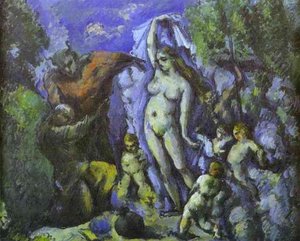
untitled (6213)


Admire Paul Cézanne's 'The Negro Scipion,' a poignant portrait capturing grief and featuring distinctive brushstrokes—a cornerstone of his early artistic vision.
 Összes részlet megjelenítése
Cézanne: A posztimpresszionizmus úttörője! Fedezze fel Aix-en-Provence festőjének tájkép-, csendélet- és kubista hatású műveit. Modern művészet alapkövé!
Vásároljon nagy felbontású, javított digitális képet, amely minőségében messze felülmúlja az online előnézetet.
Minden fájlt szakembereink a legmodernebb eszközök és precíz, kézi retusálás segítségével készítenek el aprólékosan. Gondoskodunk arról, hogy minden kép kivételes tisztasággal, pontos színhelyességgel és részletgazdag finomsággal rendelkezzen.
A végleges fájl 72 órán belül e-mailben megérkezik, professzionális, szerkesztői és nyomtatási környezetbe optimalizálva az azonnali használathoz. Ez ugyanaz a minőség, amelyben a legmeghatározóbb tervezőstúdiók, kiadók és galériák is megbízhatnak.
Digitális kép
Töltsön le nagy felbontású fájlt személyes kiállításokhoz, nyomtatáshoz és kreatív projektekhez. ( Váltás nyomtatványra Kézzel festett másolat rendelése)
Minden digitális kép rendeléséhez tartozó extrák
Szakértői digitális kézbesítés, garantáltan
Amikor a TopImpressionists.com szolgáltatást választja, nem csupán egy képet kap – professzionálisan felmagasított digitális műalkotást kap, amely precizitással készült, és amelyet megelégsedési gwarancia tesz biztoslássá. Az alábbiakban automatikusan minden benne 】

Gyors e-mail teslimítés
A nagy felbontású digitális képmásolatát a megrendelést követő 72 órán belül e-mailben elküldjük Önnek – azonnal használható formátumban.

MI-alapú digitális fájljavítás
Műve professzionális módon kerül optimalizálásra fejlett mesterséges intelligencia eszközök és manuális szerkesztés segítségével, biztosítva a maximális részletességet, tisztaságot és színpontosságot.

Örök életű ingyenes újradelivery
Véletlenül törölted vagy elvesztetted a fájlodat? Ne aggódj – bármikor ingyen újra megküldjük neked.

Nincs importköltség – soha
Élvezze műalkotásait azonnal, vám, illeték vagy szállítási költség nélkül – a digitális letöltések mindig adamentesek.

Színpontosság garantálása
Professzionális eszközök és színkezelés segítségével garantáljuk, hogy digitális képe a lehető legpontosabban tükrözze az eredeti színeket.

100 napos elégedettségi garancia
Ha nemມີ elégedett a digitális képével, 100 napon belül felülvizsgáljuk vagy 100% visszatérítjük az amountot – kérdés बिना.

100% Pénzvisszatérítési garancia
Nem tetszett a vásárlás? 100 napon belül teljes visszatérítést garantálunk a digitális fájl megvételétől számítva – kérdés nélkül.

Tömegrendelési kedvezmények
Vásároljon 3 képet, spóroljon 10%-et - Vásároljon 5-öt, spóroljon 15%-et - Vásároljon 10+ képet, spóroljon 20%-at. Kiváló kreatív projektekhez, galériákhoz és ügynökségekhez.
A Visionary Prelude: The Genesis of Scipion
In the quiet, transformative years of 1867, a young Paul Cézanne was already beginning to dismantle the boundaries of traditional representation. His work, “The Negro Scipion,” serves as a profound window into this nascent period of his career, capturing a moment where the weight of classical influence meets the burgeoning spirit of modernism. The painting presents us with Scipion, a model from Cézanne’s own studio, captured in a state of deep repose within an intimate domestic setting. While the subject appears deceptively simple—a solitary figure resting amidst the stillness of a room—there is an underlying tension that speaks to much more than mere physical rest. Through this piece, we witness the artist's early struggle to move beyond the superficiality of his era, seeking instead to anchor his subjects in a sense of permanent, sculptural reality.
To gaze upon this work is to encounter the very foundations of what would later become Post-Impressionism. At this stage, Cézanne was heavily engaged with the concepts of form and volume, moving away from the fleeting, light-drenched moments of his Impressionist contemporaries toward a more structured, almost architectural approach to the canvas. The painting is not merely an observation of a man; it is an exploration of how light can define mass and how shadow can imbue a figure with a sense of eternal presence.
The Architecture of Form and Color
Technically, “The Negro Scipion” reveals the artist’s burgeoning mastery over synthetism and geometric simplification. Rather than relying on delicate, ethereal brushwork, Cézanne employs a more deliberate, physical application of pigment. The texture of the canvas feels palpable, with thick, purposeful strokes that build up layers of color to create an illusion of depth and weight. This technique gives the figure of Scipion a monumental quality, as if he were carved from the very atmosphere surrounding him. He is not just a person in a room; he is a structural element within a carefully constructed universe.
The palette used in this early masterpiece is notably muted and earthy, dominated by tones that evoke a sense of groundedness and solemnity. This choice of color is far from accidental. By eschewing the bright, prismatic colors often associated with later Impressionism, Cézanne directs the viewer's attention to the interplay of light and shadow—the chiaroscuro effect that lends the scene its dramatic, almost melancholic gravity. The subtle transitions between light and dark create a rhythmic movement across the composition, guiding the eye through the domestic space and forcing a confrontation with the stillness of the subject.
Symbolism and the Emotional Resonance
Beyond the technical brilliance lies a deeper, more psychological layer that continues to captivate collectors and historians alike. There is an undeniable sense of introspection within the painting, a quiet contemplation of mortality and the passage of time. The way Scipion is positioned—lost in thought or perhaps lost to sleep—suggests a vulnerability that contrasts with the heavy, permanent nature of his form. This duality creates a poignant emotional impact; it is a study of the ephemeral human condition captured through an everlasting artistic lens.
For the discerning collector or interior designer, a reproduction of this work offers more than just aesthetic beauty; it brings a sense of historical weight and intellectual depth to a space. The painting’s ability to command attention through its quiet intensity makes it a perfect centerpiece for environments that value sophistication, contemplation, and the timeless allure of the masters. It is an invitation to slow down, to observe the nuances of shadow, and to reconnect with the profound beauty found in the structural essence of our world.
Kérdések és válaszok
Letölthető-e a(z) "untitled (6213)"?
A „untitled (6213)”, Paul Cézanne alkotása letölthető a mű Letöltés oldaláról, magas felbontású digitális kép letöltése formátumban.
Megtekinthetem a "untitled (6213)" alkotást részletesebben?
A „untitled (6213)”, Paul Cézanne alkotása X-ray felvétel oldala egy interaktív nézegető, amely lehetővé teszi a mű alkotásának eleven optikai rétegei közötti görgetést, beleértve az röntgenszerű felvételt is.
Milyen helyet foglal el a művészettörténetben a „untitled (6213)”, Paul Cézanne alkotása?
A „untitled (6213)”, Paul Cézanne alkotása a Post-Impressionism irányzat alkotása, a 19th Century korszakból. Ezek együtt adják meg a mű helyét a művészettörténetben.
Hasonló műalkotások



Művész életrajza
Paul Cézanne élete és művészete: A modern festészet úttörője
Paul Cézanne, 1839-ben született Aix-en-Provence városában, a festészet történetének egyik legfontosabb alakja. Művészete híd volt az impresszionizmus szubjektív látásmódja és a kubizmus töredezett formái között. Élete nem a gyors elismerésről szólt; sokkal inkább egy lassú, mély művészi felfedezés időszaka, melyet kétségek és kritikai visszautasítások kísértek, végül pedig egy olyan örökséget eredményezett, amely gyökeresen megváltoztatta a modern művészet irányát. Cézanne tehetős családban született – apja kezdetben kalapos volt, később bankár –, ami szokatlan anyagi biztonságot biztosított számára, lehetővé téve, hogy szenvedélyének élhessen anélkül, hogy azonnali kereskedelmi sikert kellett volna elérnie. Bár apja eredetileg jogi pályára terelte, a művészi kifejezés vonzereje erősebbnek bizonyult, és végül festészetet kezdett tanulni, egy olyan döntés, amely meghatározta az életét. Korai hatásai közé tartozott a romantika és a barbizon iskola tájképekre való odafigyelése, de Paul Gauguin és Georges Seurat innovatív szín- és formamegoldásaival való találkozásán keresztül kezdett saját egyedi útját kialakítani.A sötétségből a szerkezet felé: Cézanne stílusának fejlődése
Cézanne korai munkái gyakran tükrözték a romantikus festészet drámai, érzelmileg feltöltött témáit – sötét paletták és kifejező ecsetvonások domináltak vásztasain. Ez az első szakasz azonban csupán egy lépcsőfok volt egy sokkal analitikusabb és úttörőbb megközelítés felé. Elégedetlenkedve a fény pillanatnyi benyomásainak egyszerű rögzítésével, ahogyan azt az impresszionisták kedvelték, Cézanne elindult azon a küldetésen, hogy megértse és ábrázolja a tárgyak mögöttes szerkezetét. Nem csupán arra törekedett, hogy *mit* látott, hanem arra is, hogy *hogyan* érzékelte azokat az alapvető formákat, amelyek valóságot alkotják. Ez vezette őt ahhoz, hogy a természetes alakzatokat geometriai megfelelőikre bontsa – kúpos testekre, hengerekre, gömbökre –, évtizedekkel megelőzve ezzel a kubista forradalmat. Technikája apró, ismétlődő ecsetvonásokkal jellemezhető, melyeket gondosan rétegezett komplex szín- és textúramezők felépítésére, olyan szilárdság és mélység érzetét teremtve, amely korábban nem volt látható a festészetben. Nem érdekelte az illuzionisztikus tér; ehelyett gyakran mutatta be a tárgyakat egyszerre több nézőpontból is, kihívva ezzel a hagyományos perspektíva fogalmait és arra kényszerítve a nézőt, hogy aktívan részt vegyen kompozícióinak felépítésében. Ez szándékos torzítás nem öncélú volt, hanem egy teljesebb formamegértés megkísérlése, amely nem csupán egy pillanatnyi látványt ábrázolt, hanem a percepció szintézisét.Tájak, életképek és az emberi forma: Cézanne főművei és visszatérő motívumai
Cézanne oeuvre rendkívül sokszínű, tájképeket, életképeket, portrékat és fürdőkádak ábrázolásait foglalja magában, de mindegyiket egyedi formamegértése és színvilága egyesíti. A Jas de Bouffan tava, melyet 1880-ban festett, példázza tájképeit, bemutatva képességét a természet esszenciájának rögzítésére gondosan elrendezett formák és árnyalatok segítségével. Az Émile Zola portréja, melyet 1866-ban készített, felfedi fejlődő stílusát és lenyűgöző pillanatképet közeli barátjának és írótársának intenzív szellemiségéről. Életképei, például az almákat és más gyümölcsöket ábrázolók, nem csupán a tárgyak leképezései, hanem a térfogat, a fény és a téri kapcsolatok felfedezései. A Mont Sainte-Victoire sorozat Cézanne megszállottságává vált, egy visszatérő motívum, amely lehetővé tette számára, hogy évtizedeken keresztül szüntelenül vizsgálja a formát és a perspektívát. Ezek a festmények nem egyszerűen egy hegy ábrázolásai; hanem tanulmányok arról, hogyan érzékeljük a mélységet, a térfogatot és a fény és árnyék kölcsönhatását. Végül sorozata Fürdőkádakról, melyek idilli tájakban ábrázolt meztelen alakokat tartalmaznak, az emberi forma mély kutatása és kapcsolatát a természettel képviselik, gyakran egyfajta időtállóság és csendes kontempláció érzetével átitatva.Egy innovációra épült örökség: Cézanne hatása a modern művészetre
Paul Cézanne hatása a következő generációk művészeire felmérhetetlen. Őt tartják széles körben a „modern művészet atyjának” úttörő hozzájárulásai miatt a képi nyelvhez, utat nyitva a 20. század számos jelentős művészeti áramlata előtt. Pablo Picasso és Georges Braque mélyen voltak Cézanne geometriai formákra való hangsúlyozásának és több perspektívának köszönhetők, amelyek a kubizmus központi elemeivé váltak. Merész színhasználata inspirálta a Fauvist mozgalmat is, melyet Henri Matisse vezette, aki élénk, nem-naturalisztikus árnyalatokat ölelt. Még a szürrealista művészek is találtak rezonanciát Cézanne szubjektív percepció és pszichológiai mélység kutatásában. A konkrét mozgásokon túl Cézanne ragaszkodása az alkotó egyéni látásmódjához és a hagyományos akadémiai korlátok elutasításához felszabadította a festők generációit, hogy új kifejezési formákat fedezzenek fel. Kihívta a reprezentáció fogalmát, áthelyezve a fókuszt a valóság utánozásáról egy olyan vizuális élmény megteremtésére, amely az alapvető szerkezetre és szubjektív percepcióra épül. Halála 1906-ban nem a végét jelentette, hanem egy új korszak hajnalát – a művészettörténet egy olyan új korát, amelyet gyökeresen formált forradalmi látásmódja.
Paul Cézanne
1839 - 1906 , Franciaország
Érmeradatok
- Artistic Movement Or Style: posztimpresszionizmus
- Artists Or Movements Influenced By This Artist:
- Kubizmus
- Fauvizmus
- Szürrealizmus
- Artists Who Influenced This Artist:
- Romantika
- Barbizon iskola
- Paul Gauguin
- Georges Seurat
- Date Of Birth: 1839. január 19.
- Date Of Death: 1906. október 22.
- Full Name: Paul Cézanne
- Nationality: francia
- Notable Artworks:
- Jas de Bouffan tava
- Émile Zola portréja
- Mont Sainte-Victoire sorozat
- Fürdők
- Place Of Birth (City And Country): Aix-en-Provence, Franciaország