


 Előnézet
 Megosztás
 Megosztás
 Részletek
 Útmutató

 Letöltés
 Hasonló darabok
 X-ray felvétel
 Diavetítés
 Statisztika
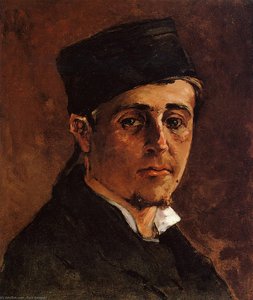
Self Portrait
 Acrylic On Canvas
- WallArt
- British Impressionism
 1920
1920 74.0 x 59.0 cm
 Fitzwilliam Múzeum
Philip Wilson Steer's "The President Woodrow Wilson House" captures a contemplative man in a suit, showcasing his signature Impressionistic style and masterful use of light & shadow. Explore this evocative portrait.
 Tovább olvasom
"HungarianMetaDescription": "Philip Wilson Steer (1860-1942) brit impresszionista festő, a fény és tájfestés mestere. A Manet és Whistler hatása révén egyedülálló stílusú alkotásai a Tate és Uffizi gyűlmőkben találhatók."
Giclée / Műnyomat
Múzeumi minőségű giclée vagy vászonnyomat, gyors gyártással és rugalmas finomítási lehetőségekkel. ( Kézzel festett másolat vásárlása Áttérés digitális képre)




P118B Ft10

P118H Ft10

P118W Ft10

P438Z Ft10

P508JH Ft12

P508YH Ft12

P805H Ft10

P805Z Ft10

P919BZ Ft10

P919G Ft10

P919XJ Ft10

P959ZH Ft10

P968JZ Ft12

W106C Ft8

W218G Ft10

W218JH Ft8

W218Y Ft10

W307PJ Ft10

W316G Ft10

W316PJ Ft8

W316Y Ft10

W398PJ Ft8

W4111J Ft10

W500HY Ft15

W500JH Ft15

W692G Ft12

W849H Ft8

W940BG Ft15

W953PJ Ft8




Standard méret
egyedi
CM
INCH
Válasszon előre meghatározott méreteink közül, amelyek megfelelnek a műalkotás eredeti arányainak.
Loading sizes...

szélesség
magasság
Megadhat saját méreteket is egy konkrét kerethez vagy helyszínhez igazítva. Amennyiben a kiválasztott méret nem egyezik az eredeti kép arányokkal, a műalkotást le fogjuk vágni, vagy kiegészítjük a képet tükrözött vagy egyszínű szélekkel. A gyártás megkezdése előtt egy digitális tervezetet küldünk jóváhagyásra.
Kérjük, vegye figyelembe, hogy a képernyőn látható előnézet nem tükrözi a tényleges levágást vagy kiegészítést. Csak a tervezet mutatja pontosan a végső kompozíciót.
Bár az egyedi méretek is elérhetőek, az eredeti arányok megőrzése érdekében azt javasoljuk, hogy válasszon a előre meghatározott listából származó méretet.
Világszerte történő kiszállítás területére mindössze 2 hét alatt, a szokásos 4-5 hét helyett. (7 október)

Ingyenes globális expressz szállítás

Prémium minőségű len vászon

Teljes körű szállítási biztosítás

Vámvisszatérítési Garancia

Tökéletes színarányosság garancia

100 napos visszaküldési garancia (csak gyártási hibás termékek esetén)

100% pénzvisszatérítési garancia

Több darab vásárlásakor kedvezmény
 Az üvegkeretes opció csak 110 cm alatti méretben érhető el

Self Portrait
Giclée / Műnyomat
Reprodukció méretei
-


Összesített ár
Ft 21572
A Portrait of Quiet Intensity: Philip Wilson Steer’s “The President Woodrow Wilson House”
Philip Wilson Steer's "The President Woodrow Wilson House," painted in 1920, isn’t merely a depiction of a building; it’s a carefully constructed tableau brimming with subtle symbolism and imbued with the melancholic beauty characteristic of the artist. This oil-on-canvas work, measuring 74 x 59 cm, transports us to a moment suspended between formality and introspection – a visual poem reflecting on leadership, memory, and the quiet dignity of American history. Steer, a pivotal figure in British Impressionism, masterfully employs a muted palette dominated by greys, blues, and browns, creating an atmosphere of subdued light and contemplative stillness. The composition itself is deliberately restrained, focusing intently on the imposing façade of the Wilson House in Washington D.C., rendered with a remarkable sensitivity to texture and light.
The Impressionist’s Lens: Technique and Style
Steer's approach aligns closely with the tenets of Impressionism, yet he transcends simple replication. He doesn’t strive for photographic accuracy but rather captures an *impression* – a fleeting moment imbued with feeling. Notice how he utilizes broken brushstrokes to suggest the play of light on the stone walls and the subtle shifts in shadow. The artist's layering technique is particularly evident in the rendering of the building’s surface, where individual strokes coalesce to create a sense of depth and volume. Steer was deeply influenced by John Constable and J.M.W. Turner, artists known for their atmospheric landscapes and masterful use of light and color. This influence is palpable in Steer's ability to evoke a specific mood through his manipulation of tone and texture – a feeling of quiet contemplation and perhaps even a touch of wistful nostalgia.
Symbolism Within the Frame: Leadership and Reflection
The choice of subject matter—the Wilson House—is rich in symbolic potential. Woodrow Wilson, the 28th President of the United States, was a complex figure – lauded for his leadership during World War I but also criticized for his handling of racial issues at home. Steer’s painting doesn't offer a straightforward portrait of Wilson himself, instead focusing on the building that housed him and, by extension, representing the weight of responsibility and the enduring legacy of power. The muted colors and the solitary nature of the scene suggest a reflection on leadership itself – its burdens, its triumphs, and its inevitable passage of time. The composition’s stillness invites viewers to contemplate the unseen narratives contained within those walls.
A Legacy of Light: Steer's Influence and Artistic Context
Philip Wilson Steer was a significant figure in British art, bridging the gap between Impressionism and a more traditional English style. His work gained recognition during his time as a painting tutor at the Slade School of Fine Art, where he profoundly influenced generations of young artists. His exploration of coastal scenes, particularly those along the Suffolk coast, cemented his reputation for capturing the ethereal beauty of the British landscape. “The President Woodrow Wilson House” stands as a testament to Steer’s ability to imbue seemingly simple subjects with profound emotional resonance. It's a poignant reminder that even in grand architectural settings, moments of quiet contemplation and subtle symbolism can hold immense artistic value. Reproductions of this piece offer a captivating glimpse into the artist’s world and invite viewers to engage with the complexities of American history through the lens of Impressionist artistry.
Gyakran Ismételt Kérdések
Melyik szakaszába tartozik Philip Wilson Steer pályájának a "Self Portrait" (1920)?
A 1920 évszám a "Self Portrait" alkotást Philip Wilson Steer fejlődésének Late Period szakaszába helyezi.
Hány éves volt Philip Wilson Steer, amikor megalkotta a "Self Portrait" című alkotást?
Amikor a "Self Portrait" alkotása 1920-ben készült, Philip Wilson Steer – aki 1860-ben született – 60 éves volt.
Milyen technika és stílus jellemzi „Self Portrait”, Philip Wilson Steer alkotása alkotást?
A "Self Portrait" alkotás Acrylic On Canvas technikával készült, a British Impressionism stílusban.
Milyen hangulatot közvetít a „Self Portrait”, Philip Wilson Steer alkotása a British Impressionism irányzaton belül?
A „Self Portrait” Reflective érzelme kíséri a British Impressionism stílusát.
Melyik évben készült a „Self Portrait”, Philip Wilson Steer alkotása?
A „Self Portrait”, Philip Wilson Steer alkotása alkotása 1920-ben készült.
Mely művészhez köthető a "Self Portrait"?
A "Self Portrait" alkotója Philip Wilson Steer. A mű Philip Wilson Steer nevére van katalógusozva.
Mely művészeti irányba tartozik a „Self Portrait”, Philip Wilson Steer alkotása?
A "Self Portrait" a British Impressionism egyik alkotása. A művészeti irány jelzi azt a művészeti hagyományt, amelybe a mű tartozik.
Hasonló műalkotások


A művész életrajza
Philip Wilson Steer: A fény és a pillanat mestere
Philip Wilson Steer, aki 1860-ban született Birkenheadben, egy olyan művész volt, akinek neve szorosan összefonódik a brit impresszionizmus virágkorával. Élete és munkássága nem csupán festmények sorozata, hanem egy művészi út követése, amely a hagyományok tiszteletét ötvözi az újító szellem merészségével. Steer apja portréfestő és tanár volt, így a művészet iránti szenvedély már gyermekkorában meggyökeredett benne. A családi költözés Monmouth közelébe, Whitchurchba, mély kapcsolatot alakított ki vele a brit táj szépsége, ami később visszaköszön festményeiben is. Képzése Hereford Cathedral Schoolban kezdődött, majd a Gloucester School of Art és a South Kensington Drawing Schools következtek, de az igazi fordulópont Párizsba vezetett, 1880 és 1884 között. Az Académie Julianban, majd Alexandre Cabanel irányítása alatt az École des Beaux Arts-ban szerzett tapasztalatai megnyitották a szemét a modern művészet új lehetőségei előtt.Párizsi évek és az impresszionizmus hatása
Párizs volt Steer művészi ébredésének színhelye. Mélyen megérintették Édouard Manet és James McNeill Whistler alkotásai, akiknek innovatív technikái a fény, a szín és a légkör ábrázolásában új utakat nyitottak meg. Ez a találkozás lángolt fel benne az impresszionizmus iránti szenvedélyt, de Steer sosem másolta egyszerűen a francia stílust. Képes volt ötvözni ezeket a hatásokat saját angol érzékenységével, így alakítva ki egyedi művészi hangvételét. Festményeinek jellemzője a pillanat megragadása – a napfény játéka a vízen, a tengerparti levegő mulandósága. Laza ecsetvonásokkal és vibráló színekkel nem csupán jeleneteket ábrázolt, hanem érzelmeket keltett és egyfajta közvetlen élményt teremtett nézője számára. Gyakran festett tengerparti tájakat és tengerképeket, melyek ezüstös, átlátszó fényben úsznak, bemutatva a frissesség és a ragyogás mesteri ábrázolását. Korai munkái, mint például A zene szobája, már mutatják kompozíciós képességeit és a fénnyel való játék tudását, míg darabjai, mint a Lányok futnak: Walberswick mólója, Suffolk egy parti városának energiáját és vibrálását idézik meg.A modern művészet bajnoka és Etaples hatása
Steer nem csupán festett, hanem aktívan formálta a brit művészeti tájat is. Alapító tagja volt a New English Art Clubnak, egy olyan szervezetnek, amely a modern művészi kifejezésmód támogatására jött létre – merész lépés volt ez abban az időben, amikor a hagyományos ízlés még mindig dominált. Ezen platformon keresztül és rendszeres kiállításokon a Royal Academy-n, beleértve az 1889-es londoni impresszionista kiállítást is, segített új ötleteket bevezetni és megkérdőjelezni a konvenciókat. Az 1887-ben töltött idő az Etaples művésztelepen tovább finomította művészi látásmódját. Ez a vibráló művész közösség ösztönző környezetet teremtett a kísérletezésre és az együttműködésre, megerősítve képességét a fény és a légkör egyre árnyaltabb ábrázolására. Steer inspirációt merített számos mestertől – John Constable-tól, J.M.W. Turner-től, sőt még François Bouchertól is –, de ezeket a hatásokat mindig saját egyedi perspektíváján keresztül szűrte meg.Örökség és utóhatás
Philip Wilson Steer 1940-ig folyamatosan festett, egészségi problémái miatt azonban kénytelen volt abbahagyni a munkát, majd két évvel később, 81 éves korában elhunyt. Életműve már életében széles körben ismert volt, csúcspontja az Order of Merit kitüntetés átadása volt. Ma alkotásai világszerte megtalálhatók neves gyűjteményekben, köztük a Tate Gallery-ben és még az Uffizi Galériában is – ami nemzetközi elismerésének bizonyítéka. Steer öröksége azonban nem csupán festményeiben rejlik. Hosszú ideig tanított a Slade School of Artban, ahol generációkon át nyújtott hatást fiatal művészekre, nemcsak technikai tudást adva át nekik, hanem mély megbecsülést az obszerváció és a művészi integritás iránt. Steer hozzájárulása az impresszionizmus elterjesztéséhez és elfogadtatásához Nagy-Britanniában vitathatatlan, így helye biztosítva van a brit művészettörténetben – egy olyan festőként, aki sikeresen hidat épített a hagyomány és a modernitás között, maradandó nyomot hagyva a brit művészet táján. Kiemelkedő alkotásai, mint például a Lábon álló beteg gazdag textúráival és kifejező tekintetével, valamint a A Teme Ludlow-nál, mely nyugodt szépségét és mesteri ecsetkezelését mutatja be, továbbra is lenyűgözik a közönséget, bizonyítva művészi látásmódjának időtálló minőségét.
Philip Wilson Steer
1860 - 1942 , Egyesült Királyság
Gyors információk
- Halálozási Dátum: 1942. március 18.
- Hatott Rá:
- Manet
- Whistler
- Jelentős Művek:
- The Music Room
- Girls Running
- Művészeti Stílus: Impresszionizmus
- Nemzetiség: Brit
- Rá Hatott: ['Brit impresszionizmus']
- Születési Dátum: 1860. december 28.
- Születési Hely: Birkenhead, UK
- Teljes Név: Philip Wilson Steer
Kapcsolódó cikkek

Beyond the Light: Discovering the Soul and Emotional Depth of Post-Impressionism
Embark on a cultural journey through Post-Impressionism. Discover the profound emotional depth of masters like Van Gogh and Cézanne, exploring how they moved beyond light to capture the very soul of human experience through vibrant color and symbolic form.

Capturing the Light: A Journey Through the Ethereal Magic of Impressionism and Post-Impressionism
Embark on a cultural journey through the luminous world of Impressionism. Discover the profound beauty of Monet, Van Gogh, and Cézanne through expert art history insights and explore how to bring these timeless masterpieces into your home with museum-quality hand-painted reproductions.
Fedezze fel a műalkotásokat témák, stílusok és jellemzők szerint csoportosítva.
