


 Előnézet
 Megosztás
 Megosztás
 Részletek
 Útmutató

 Letöltés
 Hasonló darabok
 X-ray felvétel
 Diavetítés
 Statisztika
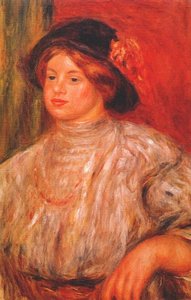
Young Woman


Portrait of Young Woman by Renoir - Impressionist Painting Featuring Elegant Dress and Green Wall
 Tovább olvasom
Renoir Pierre-Auguste: Francia egyik legismertebb impresszionista festője! Életművei a fény, a szépség és a boldogság ünnepe, a párizsi élet és nők csodálatos ábrázolásával.
Kézzel készített olajfestmény reprodukció
Kézzel festett olajvastú vászon, az Ön által választott méretben és keretben, művészeink készítik meglévőre. ( Váltás nyomtatványra Áttérés digitális képre)




P118B $10

P118H $10

P118W $10

P438Z $10

P508JH $12

P508YH $12

P805H $10

P805Z $10

P919BZ $10

P919G $10

P919XJ $10

P959ZH $10

P968JZ $12

W106C $8

W218G $10

W218JH $8

W218Y $10

W307PJ $10

W316G $10

W316PJ $8

W316Y $10

W398PJ $8

W4111J $10

W500HY $15

W500JH $15

W692G $12

W849H $8

W940BG $15

W953PJ $8




Standard méret
egyedi
CM
INCH
Válasszon előre meghatározott méreteink közül, amelyek megfelelnek a műalkotás eredeti arányainak.
Loading sizes...

szélesség
magasság
Ön megadhat saját méreteket egy adott kerethez vagy térhez igazításhoz. Ha a kiválasztott méret nem egyezik az eredeti kép arányával, akkor a műalkotást levágjuk, vagy további kézzel festett elemekkel meghosszabbítjuk a festményt. A gyártás megkezdése előtt küldünk Önnek egy digitális előnézetet jóváhagyásra.
Kérjük, vegye figyelembe, hogy a képernyőn megjelenő előnézet nem tükrözi a tényleges vágást vagy kiterjesztést. Csak az előnézet fog pontosan mutatni a végső kompozíciót.
Bár egyedi méretek állnak rendelkezésre, javasoljuk, hogy válasszon egy méretet az előre meghatározott listából az eredeti arányok megőrzése érdekében.
Példák arra, mit lehet módosítani: az arc kicserélése az ügyfél fotójára; háziállat hozzáadása (pl. macska helyett kutya); rejtett üzenet elhelyezése a háttérben; a háttér tájának vagy elemeinek megváltoztatása.
A rendelést követően a TopImpressionists.com csapata e-mailt küld az ügyfélnek az instrukciókért, és biztosít egy előnézeti képet (mockup).
A rendelést követően a TopImpressionists.com csapata e-mailt küld az ügyfélnek az instrukciókért, és biztosít egy előnézeti képet (mockup).
Világszerte elérhető szállítás () 3-4 hét alatt a szokásos 5 hét helyett. (23 szeptember). A minőség nem kérdőjelezhető.

Ingyenes globális expressz szállítás

Prémium minőségű len vászon

Teljes körű szállítási biztosítás

Vámvisszatérítési Garancia

Tökéletes színarányosság garancia

100 napos visszaküldési garancia (csak gyártási hibás termékek esetén)

100% pénzvisszatérítési garancia

Több darab vásárlásakor kedvezmény
 Az üvegkeretes opció csak 110 cm alatti méretben érhető el

Young Woman
Reprodukciós technika
Reprodukció méretei
-


Összesített ár
$ 269
A Vision in White: The Luminous Grace of Renoir’s Young Woman
In the soft, dappled light of the late nineteenth century, Pierre-Auguste Renoir captured more than just a likeness; he captured a feeling. His masterpiece, “Young Woman,” painted around 1875-76, serves as a breathtaking window into the heart of the Impressionist movement. At first glance, the viewer is met with the serene presence of a young woman, her figure draped in a pristine white dress that seems to glow against the muted, earthy tones of the background. There is an immediate intimacy in her gaze, an enigmatic expression that bridges the gap between the canvas and the observer, inviting us to linger within her quiet moment of repose.
Renoir, a master of the Belle Époque, had a profound ability to transform a simple portrait into a symphony of light and texture. Eschewing the rigid, polished finishes of academic tradition, he embraced the alla prima technique, applying paint directly to the canvas to achieve an unparalleled sense of immediacy. The surface of the painting is alive with thick impasto, where every brushstroke contributes to a shimmering effect, mimicking the way sunlight filters through leaves or dances across fine fabric. This tactile quality does not merely represent light; it embodies it, making the white of her dress feel as though it is breathing with the warmth of a summer afternoon.
The Soul of Impressionism and the Art of Atmosphere
To understand this work is to understand the revolutionary spirit of Renoir’s era. Emerging from a background in porcelain painting, Renoir brought a unique sensitivity to color and light that would redefine modern art. In “Young Woman,” we see the rejection of meticulous realism in favor of sensory experience. The artist prioritizes the atmosphere—the way the green wall behind the subject provides a grounding, tranquil contrast to the ethereal brightness of her attire. This deliberate use of color creates a sense of depth and harmony that is both soothing and intellectually stimulating.
For the discerning collector or interior designer, this piece offers much more than mere decoration; it offers an emotional anchor. The painting’s composition, characterized by its balance of grace and serenity, makes it a versatile centerpiece for any sophisticated space. Whether placed in a sun-drenched morning room or a quiet study, the artwork radiates a timeless elegance. It evokes a sense of peace and nostalgia, reminding us of a period defined by cultural flourishing and an unwavering pursuit of beauty. Owning a high-quality reproduction of such a seminal work allows one to bring the luminous, transformative magic of Renoir’s vision into the modern home, turning a room into a sanctuary of light and classical charm.
Hasonló műalkotások




A művész életrajza
Egy élet a fényben: Pierre-Auguste Renoir világa
Pierre-Auguste Renoir, 1841-ben született Limoges tartományi francia városában, élete egy szerény porcelánfestőként kezdődött, és a lenyűgöző impresszionizmus mesterévé válása bizonyítja kitartását és művészi látásmódját. Korai éveit családjával Párizsba költözés jellemezte, amely gazdasági lehetőségeket keresett, egy tapasztalat, amely mélyen formálta művészi érzékenységét. A nyüzsgő város, élénk utcájával és sokszínű karakterével inspiráció forrása lett későbbi munkái nagy részének. Kezdetben porcelánfestéssel foglalkozott – egy gyakorlati szükséglet a pénzügyi korlátozások miatt –, de gyakori látogatásai a Louvre-ban nyújtottak számára vigaszt, ahol gondosan tanulmányozta a régi mestereket, elsajátítva technikájukat és fejlesztve a szépség iránti elismerését, amely stílusának védjegyévé vált. Ez a korai tapasztalat ébredtett benne egy szenvedélyt, amely messze túlmutatott a mesterségen; hivatás volt a fény és az élet mulandó tulajdonságainak megörökítésére. Később Charles Gleyre stúdiójába iratkozott be, ahol élethosszig tartó barátságot kötött Claude Monet, Alfred Sisley és Frédéric Bazille társával – egy kulcsfontosságú pillanat, amely megalapozta az impresszionista mozgalmat.A realizmustól a ragyogó benyomásokig
Renoir művészi fejlődése lenyűgöző evolúció volt, amelyet sokféle mester befolyásolt. Kezdetben Gustave Courbet és Édouard Manet realizmusához vonzódott, csodálva elkötelezettségüket a kortárs élet őszinte és közvetlen ábrázolásában. Peter Paul Rubens és Jean-Antoine Watteau ragyogó palettái és érzéki formái azonban igazán megragadták, mély szépségérzéket ébresztve benne, és hajlamot a boldogság és a szabadidő jeleneteinek ábrázolására. Ezek a korai hatások összefonódva alakították Renoir egyedi stílusát, amelyet élénk színek, törött ecsetvonások és a fény mulandó hatásainak megragadására való összpontosítás jellemezett. 1874-ben való részvétel az első impresszionista kiállításon mérföldkő volt, bár kezdetben a hagyományos művészeti körök kritikájával szembesült. Ez a merész lépés elutasította az akadémiai konvenciókat és egy új művészi vízió elfogadását jelentette – olyat, amely nemcsak azt akarta megragadni, amit a szem lát, hanem azt is, hogy milyen érzés megtapasztalni egy adott pillanatot. A Dance at Le Moulin de la Galette (1876) című festmény példázza ezt a megközelítést, elmerítve a nézőket a párizsi éjszakai élet élénk hangulatában, csillogó napfényével és vidám alakjaival.Az élet mulandó pillanatainak megragadása: kulcsfontosságú művek és témák
Renoir munkássága az élet egyszerű örömeinek ünnepe – meghitt találkozók, napsütötte tájak és az emberi forma ragyogó szépsége. A Luncheon of the Boating Party (1880-81) talán a legismertebb műve, amely egy társasági csoportot ábrázol, akik kellemes délutánt töltenek a Szajnán. A festmény mesterháztartás a fény és a mozgás megragadásában, alakok meleg napfényben fürdenek, a vízfelületen csillogó tükröződésekkel. Az After the Bath (1885-87) bemutatja Renoir finom képességét a női akt ábrázolására, hangsúlyozva a finom bőrárnyalatokat és az elegáns pózokat. Festményei nem csupán a valóság leképezései; melegséggel, intimitással és örömmel átitatottak, amelyek mélyen rezonálnak a nézőkkel. Nem a nagyszabású történelmi narratívák vagy a drámai allegóriák érdeklik, hanem az életben rejlő szépség megragadása, a hétköznapi pillanatok művészetté emelése. A Dance at Bougival egy másik ünnepelt alkotás, amely bemutatja képességét a múló benyomások és légköri hatások megragadására, mozgás- és spontaneitásérzetet teremtve.Egy eltolódás a formák felé: későbbi évek és örökség
Az 1890-es években Renoir stílusa jelentős átalakuláson ment keresztül. Bár soha nem hagyta teljesen el impresszionista gyökereit, egyre inkább szobrászati és klasszikus megközelítés felé fordult, amelyet olaszországi utazásai és a forma és a struktúra iránti megújult érdeklődése befolyásolt. Ezt az eltolódást részben fizikai korlátozások is kiváltották – az ízületi gyulladás fokozatosan korlátozta mozgékonyságát, kényszerítve a technikája alkalmazkodását. Ezeknek a kihívásoknak ellenállva Renoir kitartóan festett, alkotásai teltebb alakokkal és melegebb palettával jellemezhetők. Későbbi festményei gyakran kontemplatívabb hangulatot tükröznek, de megőrzik a korábbi munkáit meghatározó alapvető szépség ünnepét. Renoir öröksége művészi eredményein túl a családjában is tovább él; fia, Jean Renoir híres filmrendező lett, egy kreatív szellemet hordozva nemzedékek között. Pierre-Auguste Renoir 1919-ben halt meg, és maradandó munkásságot hagyott maga után, amely továbbra is inspirálja és ámulatba ejti a világ közönségét. Az art történelem egyik legkedveltebb alakjaként maradt fenn, aki képes volt az élet örömét és az emberi tapasztalat szépségét páratlan érzékenységgel és eleganciával megragadni.Tartós hatás
- Renoir hatása a következő generációkra vitathatatlan. A fényre, a színre és a múló pillanatok megragadására való hangsúly utat nyitott számos modern művészeti mozgalom számára.
- A szépség és az érzékiség ünnepe ma is rezonál a közönséggel, munkáit univerzálisan vonzóvá téve.
- Kulcsfontosságú szerepet játszott az impresszionizmus elismertségének megalapozásában mint jelentős erő az art történelemben, kihívva a hagyományos konvenciókat és új lehetőségeket nyitva a művészi kifejezés számára.
- Festményeinek tartós népszerűsége – számtalan poszteren, naptáron és egyéb árumárkákon reprodukálva – tanúskodik munkái időtálló minőségéről.

Pierre-Auguste Renoir
1841 - 1919 , Franciaország
Gyors információk
- Artistic Movement Or Style: impresszionizmus
- Artists Or Movements Influenced By This Artist: impresszionizmus
- Artists Who Influenced This Artist:
- Rubens
- Watteau
- Courbet
- Manet
- Date Of Birth: 1841. február 25.
- Date Of Death: 1919. december 3.
- Full Name: Pierre-Auguste Renoir
- Nationality: francia
- Notable Artworks:
- Dance at Le Moulin de la Galette
- Luncheon of the Boating Party
- After the Bath
- Dance at Bougival
- Place Of Birth (City And Country): Limoges, Franciaország
Kapcsolódó cikkek

Verdant Visions: Exploring the Symbolism & Aesthetic Impact of Green in Art History
Explore the rich history & symbolism of green in art! Discover iconic paintings, techniques, and how to bring verdant harmony into your home with TopImpressionists's expert guide.

A 10 legnagyobb remekmű, melyek meghatározták az impresszionizmus festészetét | TopImpressionists
Fedezze fel a 10 legikonikusabb impresszionista festményt! Monet, Renoir és más mesterek alkotásainak története, technikái és örök szépsége. Vászonképek, faliképek otthonába – TopImpressionists.com.

A krómzöld festmények világa: 10 ikonikus műalkotás a lakberendezésben
Fedezze fel a krómzöld festmények lenyűgöző világát! 10 ikonikus műalkotás – Monet, Van Gogh és más mesterek kezeként. Inspirálódjon lakberendezéshez, és vásároljon minőségi reprodukciókat a TopImpressionists.com-on.

Renoir Mesterek: A 25 Leglenyűgözőbb Kép a Francia Impresszionizmus Gyöngyszemeiből | TopImpressionists
Fedezze fel Pierre-Auguste Renoir 25 legszebb művét! Ismerje meg az impresszionizmus gyöngyszemeit, a színek és fény játékát. Vásároljon exkluzív Renoir reprodukciókat otthonába a TopImpressionists.com kínálatából – minőségi faliképek és inspiráló dekoráció.

A zöld árnyalatok művészete: 10 ikonikus festmény a TopImpressionists kínálatában
Fedezze fel a zöld árnyalatok művészetét! 10 ikonikus festmény – Monet-tól Renoir-ig. Ismerje meg a mestereket és inspirálódjon otthona dekorációjához a TopImpressionists kínálatában. Műalkotások másolatok, magas minőségben. Böngéssze online katalógusunkat!
Fedezze fel a műalkotásokat témák, stílusok és jellemzők szerint csoportosítva.


