


 Előnézet
 Megosztás
 Megosztás
 Részletek
 Útmutató

 Letöltés
 Hasonló darabok
 X-ray felvétel
 Diavetítés
 Statisztika
Vernon Terrace


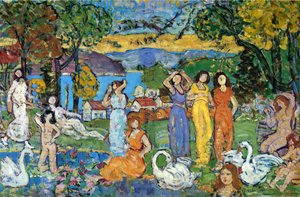
Experience the warm intimacy of Bonnard's Impressionism with Vernon Terrace, a delightful scene capturing everyday life; discover this masterpiece today.
 Tovább olvasom
Pierre Bonnard (1867-1947) francia festő, a posztimpresszionizmus és az intimizmus képviselője. A színvilágával és békés otthoni jeleneteivel hódított el a közönséget. Fedezd fel a művész világát!
Giclée / Műnyomat
Múzeumi minőségű giclée vagy vászonnyomat, gyors gyártással és rugalmas finomítási lehetőségekkel. ( Kézzel festett másolat vásárlása Áttérés digitális képre)




P118B Ft10

P118H Ft10

P118W Ft10

P438Z Ft10

P508JH Ft12

P508YH Ft12

P805H Ft10

P805Z Ft10

P919BZ Ft10

P919G Ft10

P919XJ Ft10

P959ZH Ft10

P968JZ Ft12

W106C Ft8

W218G Ft10

W218JH Ft8

W218Y Ft10

W307PJ Ft10

W316G Ft10

W316PJ Ft8

W316Y Ft10

W398PJ Ft8

W4111J Ft10

W500HY Ft15

W500JH Ft15

W692G Ft12

W849H Ft8

W940BG Ft15

W953PJ Ft8




Standard méret
egyedi
CM
INCH
Válasszon előre meghatározott méreteink közül, amelyek megfelelnek a műalkotás eredeti arányainak.
Loading sizes...

szélesség
magasság
Megadhat saját méreteket is egy konkrét kerethez vagy helyszínhez igazítva. Amennyiben a kiválasztott méret nem egyezik az eredeti kép arányokkal, a műalkotást le fogjuk vágni, vagy kiegészítjük a képet tükrözött vagy egyszínű szélekkel. A gyártás megkezdése előtt egy digitális tervezetet küldünk jóváhagyásra.
Kérjük, vegye figyelembe, hogy a képernyőn látható előnézet nem tükrözi a tényleges levágást vagy kiegészítést. Csak a tervezet mutatja pontosan a végső kompozíciót.
Bár az egyedi méretek is elérhetőek, az eredeti arányok megőrzése érdekében azt javasoljuk, hogy válasszon a előre meghatározott listából származó méretet.
Világszerte történő kiszállítás területére mindössze 2 hét alatt, a szokásos 4-5 hét helyett. (13 október)

Ingyenes globális expressz szállítás

Prémium minőségű len vászon

Teljes körű szállítási biztosítás

Vámvisszatérítési Garancia

Tökéletes színarányosság garancia

100 napos visszaküldési garancia (csak gyártási hibás termékek esetén)

100% pénzvisszatérítési garancia

Több darab vásárlásakor kedvezmény
 Az üvegkeretes opció csak 110 cm alatti méretben érhető el

Vernon Terrace
Giclée / Műnyomat
Reprodukció méretei
-


Összesített ár
Ft 21623
Pierre Bonnard, a renowned French painter and printmaker, is celebrated for his captivating works that often blend elements of Impressionism and Intimism. One of his notable pieces, Vernon Terrace, offers a fascinating glimpse into the artist's unique style and thematic focus.
Intimism: A Personal Perspective
Bonnard was a key figure in the Intimist movement, which emphasized the depiction of personal domestic scenes. This art movement, first coined by French art critic Camille Mauclair, aimed to capture the intimate moments within domestic interiors. Bonnard's work, including Vernon Terrace, exemplifies this focus on everyday life and personal spaces.Composition and Elements
In Vernon Terrace, Bonnard presents a serene outdoor scene featuring three individuals standing in front of a tree. Each person is holding a bowl, suggesting a moment of communal dining or social gathering. The painting includes two dining tables and a chair, which are placed in a way that creates a sense of harmony and balance. The bench located near the left edge of the image adds to the overall sense of tranquility, inviting the viewer to step into this peaceful setting. Bonnard's use of color and light enhances the mood of the painting, creating a warm and inviting atmosphere.Artistic Style
Bonnard's style in Vernon Terrace reflects his characteristic approach to capturing domestic scenes with a sense of intimacy and warmth. His brushwork is delicate yet expressive, and the composition is carefully arranged to convey a feeling of comfort and familiarity.Relevance and Legacy
Pierre Bonnard's work, including Vernon Terrace, continues to captivate art enthusiasts with its unique blend of Impressionism and Intimism. His ability to transform everyday moments into beautiful works of art has left a lasting impact on the world of painting. For those interested in exploring more of Bonnard's work, TopImpressionists offers high-quality reproductions of his paintings, including The Robe, The Menu, and The Bath. These pieces showcase Bonnard's versatility and skill in capturing the essence of domestic life. In conclusion, Vernon Terrace by Pierre Bonnard is a captivating example of Intimist art, offering a glimpse into the artist's unique perspective on everyday life. Through his work, we are invited to appreciate the beauty in personal spaces and moments of communal interaction.- Pierre Bonnard: Vernon Terrace
- Pierre Bonnard: the robe
- Pierre Bonnard: The Menu
- Pierre Bonnard: The bath
Gyakran Ismételt Kérdések
What other names is Pierre Bonnard known by?
Pierre Bonnard appears under the alternate names Bonnard.
Hol találhatok olyan műalkotásokat, amelyek hasonlóak a(z) „Vernon Terrace”, Pierre Bonnard alkotása alkotáshoz?
A „Vernon Terrace”, Pierre Bonnard alkotása Hasonló műalkotások oldala kapcsolódó műalkotásokat mutat be.
Hogyan épül fel a „Vernon Terrace”, Pierre Bonnard alkotása színes kompozíciója?
A "Vernon Terrace" alkotásban egy Serene kontraszt párosul egy Discordant Palette harmóniával.
A „Vernon Terrace”, Pierre Bonnard alkotása portré, tájékép vagy négyzet alakú kompozíció?
A "Vernon Terrace" formátuma Landscape. Ez hasznos, amikor tervezünk, hogy a reprodukciót hová helyezzük el.
Milyen hangulatot hozna létre a "Vernon Terrace" egy térben?
A „Vernon Terrace”, Pierre Bonnard alkotása Serene hangulatot áraszt, és egy Lounge helyiségbe ajánlott. A hangulat az az érzés, amelyet a mű közvetít a környezetében lévő tér felé.
„Vernon Terrace”, Pierre Bonnard alkotása festmény, rajz vagy grafika?
A „Vernon Terrace”, Pierre Bonnard alkotása művészeti alkotás WallArt kategóriába tartozik. Ez a besorolás azt határozza meg, hogy az eredeti alkotás milyen típusú művészeti alkotás.
Milyen domináns alapszín jellemzi „Vernon Terrace”, Pierre Bonnard alkotása alkotást?
A „Vernon Terrace”, Pierre Bonnard alkotása domináns színe a Golden Yellow Range. Ez a szín a paletta alapvető tónusa.
Mennyire harmonikusak „Vernon Terrace”, Pierre Bonnard alkotása színei?
A „Vernon Terrace”, Pierre Bonnard alkotása egy Discordant Palette színharmóniát mutat be.
Hasonló műalkotások




A művész életrajza
A Life Bathed in Light: The World of Pierre Bonnard
Pierre Bonnard, born in 1867 in the Parisian suburb of Fontenay-aux-Roses, wasn’t destined for a life steeped in artistic expression. His father, a high-ranking official in the French Ministry of War, envisioned a legal career for his son. Young Pierre dutifully pursued law studies, earning his license in 1888, but his heart lay elsewhere—in the captivating world of color and form. This duality, this tension between expectation and passion, would subtly inform his artistic journey, lending a unique intimacy to his work. He initially dabbled in caricature, honing an observational skill that would later blossom into exquisitely rendered domestic scenes. However, it was at the Académie Julian where Bonnard truly found his path, encountering kindred spirits who shared his burgeoning rejection of academic conventions and embraced the avant-garde spirit sweeping through Paris. This encounter led him to the Nabis, a group of artists—including Maurice Denis, Paul Sérusier, and Édouard Vuillard—who sought to infuse art with spirituality and symbolism, moving beyond mere representation towards an exploration of inner experience.The Nabi Years and the Cultivation of Intimacy
Bonnard’s association with the Nabis proved pivotal. The group's emphasis on flattened forms, bold color palettes, and a rejection of traditional perspective resonated deeply with his artistic sensibilities. Inspired by Japanese prints—their elegant lines and harmonious compositions—and the Symbolist movement’s exploration of subjective emotion, Bonnard began to develop his signature style. He wasn’t interested in grand narratives or historical allegories; instead, he turned inward, focusing on the quiet moments of everyday life: a woman bathing, a family gathered for dinner, a sun-drenched garden. These weren't merely depictions of scenes but distillations of feeling—evocations of memory and atmosphere. This focus on intimate domesticity earned him the label “Intimist,” a term that perfectly captures the emotional resonance of his work. His paintings aren’t about *what* is depicted, but *how* it feels to be present in those moments. He worked from memory, sketching extensively and then translating those impressions onto canvas with a remarkable sensitivity to light and color. The Nabis group, seeking to break free from the constraints of academic art, explored themes of spirituality and symbolism, often drawing inspiration from Japanese aesthetics. Bonnard’s participation in this movement allowed him to experiment with unconventional compositions and techniques, pushing the boundaries of traditional painting.Color as Emotion: A Master Colorist
Bonnard's mastery of color is arguably his most defining characteristic. He didn’t simply *use* color; he *felt* it, allowing it to dictate the mood and atmosphere of his paintings. His palette was vibrant yet nuanced, often employing unexpected combinations that created a sense of shimmering luminosity. He famously would revisit completed canvases, subtly adjusting colors across multiple works to achieve perfect harmony—a testament to his obsessive dedication to chromatic balance. This wasn’t about realistic representation; it was about capturing the subjective experience of color, its ability to evoke emotion and memory. He moved away from direct observation, preferring instead to paint from recollection, allowing him to imbue his scenes with a dreamlike quality. His landscapes weren't simply depictions of places but emotional responses to them—filtered through the lens of personal experience. He was particularly interested in capturing the effects of light on surfaces and objects, creating an illusion of depth and atmosphere through subtle shifts in color and tone.Later Life and Lasting Legacy
As Bonnard matured, his artistic focus shifted further towards the exploration of color and light. He spent increasing amounts of time in the south of France, captivated by the Mediterranean landscape and its intense luminosity. His relationship with Marthe de Meligny, his wife and lifelong muse, remained central to his life and work. She appears frequently in his paintings, often depicted bathing or engaged in everyday activities, her presence radiating a quiet grace and intimacy. In 1912, he purchased “La Roulotte” in Vernonnet, near Giverny, establishing a close friendship with Claude Monet. This proximity to the master of Impressionism further fueled Bonnard’s exploration of light and color, though he always maintained his own distinct artistic vision. He continued painting until shortly before his death in 1947, leaving behind a body of work that continues to captivate and inspire. Bonnard's influence on subsequent generations of artists is undeniable. His emphasis on subjective experience, his masterful use of color, and his celebration of the everyday have left an indelible mark on modern art. He demonstrated that beauty could be found not in grand gestures or heroic narratives, but in the quiet moments of life—bathed in light and imbued with emotion.Notable Works & Collections
- Woman in Checkered Dress (1890): An early example of his Nabi-influenced style, showcasing flattened forms and bold color combinations.
- The Dining Room (1913): A quintessential Intimist scene, capturing the warmth and intimacy of domestic life.
- Bowl of Fruit (c. 1933): Demonstrates his mastery of still life, with vibrant colors and a sense of luminous depth.
- The Almond Tree in Blossom (1947): One of his last paintings, completed just days before his death, showcasing his continued exploration of color and light.
- Musée Marmottan Monet, Paris, France
- Art Institute of Chicago
- Museum of Modern Art, New York City
- Tate Modern, London

Pierre Bonnard
1867 - 1947 , Franciaország
Gyors információk
- Artistic Movement Or Style: Posztimpresszionizmus, Intimizmus
- Artists Or Movements Influenced By This Artist:
- Nabis
- Impressionizmus
- Artists Who Influenced This Artist:
- Gauguin
- Hokusai
- Date Of Birth: 1867. okt. 3.
- Date Of Death: 1947. jan. 23.
- Full Name: Pierre Bonnard
- Nationality: Francia
- Notable Artworks:
- Női sötét ingetben
- Ebédlő
- Gyümölcsdoboz
- Place Of Birth: Fontenay-aux-Roses, Francia
Kapcsolódó cikkek

The Magic of Giclée: Bringing Impressionist Masterpieces to Your Walls with Vivid Detail
Discover the breathtaking beauty of Impressionist masterpieces with our museum-quality Giclée prints. Experience vivid detail, archival pigments, and the luminous light of Monet and Van Gogh, expertly preserved to bring timeless elegance and sophisticated artistry into your home.

The Magic of Lithography: Capturing Light and Texture in Every Impressionist Print
Discover the enchanting world of lithography through an Impressionist lens. Explore how this timeless technique captures the luminous light and delicate textures of masters like Monet and Renoir, offering a profound way to bring art history into your home with elegance and soul.
Fedezze fel a műalkotásokat témák, stílusok és jellemzők szerint csoportosítva.


