

 Megtekintés
 Küldés
 Megosztás
 Részletek
 Útmutató

 Letöltés
 Hasonló darabok
 X-ray felvétel
 Diavetítés
 Kérdések és válaszok
 Statisztika
Chimneys

- 76.0 x 66.0 cm


A vibrant industrial scene featuring warm yellow and red tones captures life in front of factory smokestacks in this 1950 oil painting by Reinhold Rossig, inviting you to bring a piece of German history into your home.
 Összes részlet megjelenítése
German graphite pencil artist Reinhold Rossig creates evocative scenes of GDR life & beyond. Known for works like '10 Years of GDR,' explore his unique perspective.
Az ezen az oldalon megjelenített műalkotások szerzői jogi védelem alatt állnak, ami azt jelenti, hogy törvényileg nem készíthetünk és nem adhatunk el belőlük pontos másolatokat. Ez a védelem olyan nemzetközi megállapodások alapján érvényesül, mint például a Berni Egyezmény és a nemzeti jogszabályok által, beleértve azokat is, amelyeket meghatározott Az USA szerzői jogi törvénye – 17. cím.
Ez a módszer teljes mértékben megfelel a szerzői jogi szabályozásnak, mivel nem tartalmazza a védett műalkotás másolását vagy duplikálását. Ehelyett ez egy kreatív újinterpretáció – egy új festmény, amely az eredetivel való összefüggései miatt hatással van rá, de nem az az.
Giclée / Műnyomat
Múzeumi minőségű giclée vagy vászonnyomat, gyors gyártással és rugalmas finomítási lehetőségekkel. ( Kézzel festett másolat rendelése Áttérés digitális képre)




P118B Ft10

P118H Ft10

P118W Ft10

P438Z Ft10

P508JH Ft12

P508YH Ft12

P805H Ft10

P805Z Ft10

P919BZ Ft10

P919G Ft10

P919XJ Ft10

P959ZH Ft10

P968JZ Ft12

W106C Ft8

W218G Ft10

W218JH Ft8

W218Y Ft10

W307PJ Ft10

W316G Ft10

W316PJ Ft8

W316Y Ft10

W398PJ Ft8

W4111J Ft10

W500HY Ft15

W500JH Ft15

W692G Ft12

W849H Ft8

W940BG Ft15

W953PJ Ft8




Standard méret
egyedi méretű
CM
INCH
Válasszon előre meghatározott méreteink közül, amelyek megfelelnek a műalkotás eredeti arányainak.
Loading sizes...

szélesség
magasság
Írja be a keretének vagy a falának megfelelő szélességet és magasságot. A nyomatot csak le lehet vágni, soha nem tehető nagyobbá, mint az eredeti kép, így egy eltérő alakú méretnél a kép egy része elveszik. Mielőtt bármit kinyatintanánk, küldünk egy digitális próbamodellt jóváhagyásra. Az oldalon látható kép nem tartalmazza a valós levágást — ezt csak a próbamodell mutatja meg.
Világszerte történő kiszállítás területére mindössze 2 hét alatt, a szokásos 4-5 hét helyett. (5 november)

Ingyenes globális expressz szállítás

Prémium minőségű len vászon

Teljes körű szállítási biztosítás

Vámvisszatérítési Garancia

Hiteles színarányosság garancia

100 napos visszaküldési lehetőség (csak hibás termékek esetén)

100% pénzvisszatérítési garancia

Több darab vásárlásakor kedvezmény
 Az üvegkeretes opció csak 110 cm alatti méretben érhető el

Chimneys
Giclée / Műnyomat
Reprodukció mérete
-


Összesített ár
Ft 22895
An Industrial Symphony in Ochre and Crimson
In the evocative landscape of mid-century German art, few works capture the raw, pulsing energy of the industrial era quite like Reinhold Rossig’s "Chimneys." Created in 1950, this striking piece serves as a window into a transformative period of history, where the smoke of progress and the grit of labor defined the social fabric. The painting presents a compelling scene of three figures positioned before the towering silhouettes of factory smokestacks, their presence grounding the vast, industrial architecture with a sense of human scale. As they gaze toward the looming structures, there is an undeniable tension between the monumental permanence of the industry and the transient nature of the people who inhabit its shadow.
Rossig utilizes a masterful palette dominated by warm, vibrant tones of yellow and red, which breathe a surprising vitality into what could otherwise be a somber subject. This choice of color transforms the industrial landscape from a mere depiction of soot and steel into a glowing, almost rhythmic composition. The warmth of the light suggests a sunset or perhaps the fiery glow of a furnace, casting an amber hue over the entire canvas. Through this technique, the artist elevates the factory from a cold machine of production to a living, breathing entity, inviting the viewer to find beauty within the mechanical heart of the city.
Technique and the Texture of Progress
The technical execution of "Chimneys" showcases Rossig’s profound command over tempera and oil on canvas. By blending these mediums, he achieves a rich, layered texture that allows for both sharp, detailed architectural lines and softer, more atmospheric transitions. The intricate design of the smokestacks is rendered with meticulous care, capturing the structural complexity of the era's engineering. This precision is balanced by a broader, more expressive brushwork in the surrounding environment, creating a sense of depth and movement that draws the eye through the composition.
For the discerning collector or interior designer, this artwork offers a sophisticated interplay of form and color. The piece possesses a unique ability to anchor a room, providing a focal point that is both intellectually stimulating and aesthetically pleasing. Its heavy emphasis on warm tones makes it an ideal selection for spaces designed with a sense of warmth and historical depth, such as a study, a library, or a contemporary living area seeking a touch of mid-century soul. The painting does not merely decorate a wall; it narrates a story of human endeavor and the enduring spirit of the industrial age.
A Poignant Reflection on Social Landscapes
Beyond its visual splendor, "Chimneys" carries a profound emotional weight. As an artist whose work often touched upon the social realities of East Germany, Rossig imbues this scene with a sense of quiet contemplation. The figures in the painting are not merely spectators; they represent the collective identity of a generation shaped by labor and reconstruction. There is a certain dignity in their stance, a silent dialogue between the worker and the work. This layer of symbolism—the intersection of human life and industrial might—makes the piece an enduring masterpiece for those who appreciate art that explores the complex relationship between humanity and its environment.
Kérdések és válaszok
Mikor készült a "Chimneys", és mely művészeti irányba tartozik?
A "Chimneys" 1950-ben készült, a Contemporary Realism irányzat egyik alkotásaként. A dátum és az irányzat rögzíti a művet a művészettörténetben.
„Chimneys”, Reinhold Rossig alkotása egy világos vagy egy sötét tónusú alkotás?
Összességében a "Chimneys" alkotás bright fényerőséget mutat. A tapasztalt fényerő azt írja le, hogy a mű mennyire tűnik világosnak vagy sötétnek.
Milyen módon ötvöződik az érzelmi töltet és az ajándékozás alkalma a(z) „Chimneys”, Reinhold Rossig alkotása alkotással?
A "Chimneys" Nostalgic érzetet áraszt, ajándékként pedig Corporate Gift ajánljuk.
Hasonló műalkotások


A művész életrajza
The Visionary Lines of Reinhold Rossig
To encounter the work of Reinhold Rossig is to step into a world where the boundaries between graphic precision and emotional abstraction dissolve. Though his name may not be as widely whispered in mainstream galleries as some of his contemporaries, his artistic legacy offers a profound window into the shifting soul of twentieth-century Germany. Born in 1903, Rossig’s life spanned one of the most turbulent eras in human history, and his art serves as a silent witness to the transition from the experimental fervor of the Weimar Republic to the heavy, ideologically charged atmosphere of the German Democratic Republic (GDR).
Rossig’s early development was marked by an extraordinary versatility that allowed him to navigate multiple artistic languages. His formative years were deeply intertwined with the avant-garde movements of his time; notably, his work reflects the rigorous pedagogical influences of the Bauhaus era. One can see traces of this discipline in his 1929 watercolor, a color wheel exercise derived from the lessons of Wassily Kandinsky. This period of his life was characterized by an exploration of pure form, typography, and the mathematical beauty of color, establishing him as a master of graphic design long before he became a chronicler of social landscapes.
From Graphic Precision to Social Narrative
As the political landscape of Germany shifted, so too did the focus of Rossig’s brush and pencil. While his early career was defined by the sharp, minimalist compositions of modern graphic design—such as his striking posters for The Threepenny Opera—his later works began to pulse with a more visceral, human energy. He moved beyond the purely aesthetic to engage with the weight of existence. In his oil paintings and graphite drawings, there is an unmistakable tension between the structured world of industrial progress and the psychological fragility of the individual.
His ability to capture the essence of German life is perhaps most evident in his depictions of the post-war era. Whether rendering the nostalgic, sun-drenched street scenes of Dresden-Gruna or the imposing, soot-stained industrial landscapes of factory smokestacks, Rossig possessed a unique talent for finding beauty within the mundane and the monumental alike. His work often oscillates between two poles:
- The Observational: Meticulous graphite drawings that document the textures of urban life and the quiet dignity of everyday architecture.
- The Expressive: Surreal, abstract expressionist pieces like Threatening or 10 Years of GDR, where vibrant colors and chaotic interiors reflect the underlying anxieties of a society living under intense political scrutiny.
A Legacy of Complexity and Contrast
The historical significance of Reinhold Rossig lies in his refusal to be confined by a single movement. He was an artist who could master the rigid geometry of a typographical exercise one moment and evoke the haunting, claustrophobic atmosphere of political repression the next. His work Police Terror (1933) stands as a chilling testament to the era's darkness, utilizing oil on canvas to confront the viewer with the visceral reality of state violence.
Ultimately, Rossig’s oeuvre is a tapestry of contradictions: light and shadow, order and chaos, individual and state. He remains a vital figure for collectors and historians alike, offering a nuanced perspective on the German experience through a lens that is both deeply personal and broadly historical. Through his mastery of graphite, watercolor, and oil, he ensured that the fleeting emotions and enduring structures of his era would be preserved in a permanent, evocative artistic record.

Reinhold Rossig
Germany
Rövid információk
- Full Name: Reinhold Rossig
- Nationality: German
- Place Of Birth: Germany
- Notable Artworks:
- Threatening
- The Threepenny Opera in the Komödienhaus
- Original 1931 graphite drawing
- Artistic Movement Or Style: Graphite Pencil
Kapcsolódó cikkek

Ipari hangulatú művészet: A 10 legikonikusabb alkotás a faladra | TopImpressionists
Fedezze fel a 10 legikonikusabb ipari hangulatú műalkotást! Kandinsky, Léger és más mesterek festményeinek története. Szürke árnyalatok, gyári stílus, loft dekoráció inspiráció – mind TopImpressionists-on. Művészeti nyomatok a faladra! Explore the full collection online.

A 10 legikonikusabb festmény gombaszínekben – művészet otthonába a TopImpressionists.com-mal
Fedezze fel a 10 legikonikusabb festményt, melyeket gombaszínek és barna árnyalatok dominálnak! Ismerje meg Van Gogh, Monet, Rembrandt műveit és inspirálódjon otthon dekorációjához. Museum-minőségű reprodukciók a TopImpressionists.com-on!
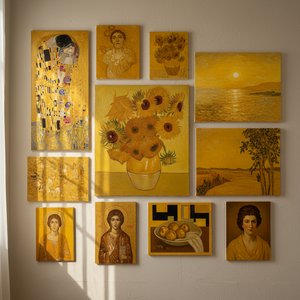
A sárgaokker aranykora: 10 híres festmény, melyek elbűvölnek | TopImpressionists.com
Fedezze fel a sárgaokker festmények aranykorát! 10 híres műalkotás – Van Gogh, Rembrandt, Monet és más mesterek remekművei. Művészettörténet, inspiráció otthonába. Prémium minőségű reprodukciók a TopImpressionists.com-on!

Crimson Threads of Narrative: Exploring Symbolism & Representation in Artworks Featuring the Red Dress
Explore the rich symbolism of the red dress in art history! From ancient power displays to iconic portraits like Cézanne’s 'Madame Cezanne', discover the cultural and artistic significance behind this captivating color. Expert analysis & insights.

A homokszínű mesterművek világa: 10 ikonikus festmény a TopImpressionists kínálatában
Fedezze fel a 10 legikonikusabb homokszínű festményt! Monet, Van Gogh és más mesterek művei inspirálnak. Vászonképek, faliképek otthonába – TopImpressionists.com kínálatából. Explore the full collection online!