


 Előnézet
 Megosztás
 Megosztás
 Részletek
 Útmutató

 Letöltés
 Hasonló darabok
 X-ray felvétel
 Diavetítés
 Statisztika
Coast Scene with a Lighthouse
 Impressionism
 76.0 x 83.0 cm
 Ferens Art Gallery
Discover 'Coast Scene with a Lighthouse' by Rowland Suddaby – an evocative impressionistic painting of the sea & shore. Explore its serene beauty, brushwork, and timeless appeal. Perfect for art lovers!
Discover Rowland Suddaby’s evocative landscapes & still lifes! Capturing rural England's beauty (Suffolk, Yorkshire), his paintings explore nature & daily life from 1912.
 Tovább olvasom
Az ezen az oldalon megjelenített műalkotások szerzői jogi védelem alatt állnak, ami azt jelenti, hogy törvényileg nem készíthetünk és nem adhatunk el belőlük pontos másolatokat. Ez a védelem olyan nemzetközi megállapodások alapján érvényesül, mint például a Berni Egyezmény és a nemzeti törvények által, beleértve azokat is, amelyeket meghatározott Az USA szerzői jogi törvénye – 17. cím.
Mint tiszteletes és törvényes alternatívát, olyan egyedi, kézzel festett alkotásokat kínálunk, amelyek az eredetiből merítnek inspirációt. Tapasztalt és professzionális művészeink alaposan tanulmányozzák az eredeti stílusát, hangulatát és művészeti esszenciáját, hogy egy olyan új, egyedi alkotást hozzunk létre, amely ugyanazt az érzést kelti – miközben önálló, eredeti alkotásként létezik.
Ez a módszer teljes mértékben megfelel a szerzői jogi szabályozásnak, mivel nem tartalmazza a védett műalkotás másolását vagy duplikálását. Ehelyett ez egy kreatív újinterpretáció – egy új festmény, amely az eredetivel való összefüggései miatt hatással van rá, de nem az az.
Kézzel készített olajfestmény reprodukció
Kézzel festett olajvastú vászon, az Ön által választott méretben és keretben, művészeink készítik meglévőre. ( Váltás nyomtatványra Áttérés digitális képre)




































Standard méret
egyedi
CM
INCH
Válasszon előre meghatározott méreteink közül, amelyek megfelelnek a műalkotás eredeti arányainak.
Loading sizes...

szélesség
magasság
Írja be a kívánt szélességet és magasságot, hogy illeszkedjen a keretéhez vagy a falához. Mivel ez kézzel festett alkotás, egy eltérő formájú méret esetén a művész akár festhet is valamivel többet a kép körül, vagy korolathat is belőle — az Ön döntésének megfelelően. A festés megkezdése előtt küldünk egy digitális tervezetet jóváhagyásra. Az oldalon látható kép nem tartalmazza a végeredményt — csak a tervezet mutatja meg a valódi eredményt.
Példák arra, mit lehet módosítani: az arc kicserélése az ügyfél fotójára; háziállat hozzáadása (pl. macska helyett kutya); rejtett üzenet elhelyezése a háttérben; a háttér tájának vagy elemeinek megváltoztatása.
A rendelést követően a TopImpressionists.com csapata e-mailt küld az ügyfélnek az instrukciókért, és biztosít egy előnézeti képet (mockup).
A rendelést követően a TopImpressionists.com csapata e-mailt küld az ügyfélnek az instrukciókért, és biztosít egy előnézeti képet (mockup).
Világszerte elérhető szállítás () 3-4 hét alatt a szokásos 5 hét helyett. (24 október). A minőség nem kérdőjelezhető.

Ingyenes globális expressz szállítás

Prémium minőségű len vászon

Teljes körű szállítási biztosítás

Vámvisszatérítési Garancia

Tökéletes színarányosság garancia

100 napos visszaküldési garancia (csak gyártási hibás termékek esetén)

100% pénzvisszatérítési garancia

Több darab vásárlásakor kedvezmény
 Az üvegkeretes opció csak 110 cm alatti méretben érhető el

Coast Scene with a Lighthouse
Reprodukciós technika
Reprodukció méretei
-


Összesített ár
Ft 86095
Hasonló műalkotások


A művész életrajza
A Quiet Observer of Rural England
Rowland Suddaby (1912–1972) remains a poignant voice in the history of British mid-century art, serving as a dedicated chronicler of the English landscape. Born in Kimberworth, Yorkshire, his artistic sensibilities were forged through a rigorous academic journey that began with a prestigious scholarship to the Sheffield College of Art in 1926. This foundational period provided him with the technical precision that would later allow him to capture the subtle nuances of light and atmosphere. His subsequent training at the Royal College of Art further refined his craft, placing him within a lineage of artists who sought to balance formal excellence with an intimate connection to the natural world. Suddaby’s early life was not merely a period of study but a deep immersion into the textures of the British countryside, a theme that would resonate through every canvas he produced.
The transition to London in 1931 acted as a catalyst for his professional evolution, thrusting him into the vibrant heart of the nation's artistic commerce. During this era, Suddaby demonstrated a remarkable versatility, securing work designing film titles for the studios of Wardour Street—a role that required a keen eye for composition and visual storytelling. This commercial success provided a stable foundation for his more personal explorations in fine art. His emergence into the prestigious London gallery scene, with exhibitions at the Wertheim Gallery and the Redfern Gallery, signaled his arrival as a significant talent. Through these venues, he engaged with the contemporary dialogues of his time, often finding himself aligned with the sensibilities of the New English Art Club, where the pursuit of capturing fleeting moments through light and color was paramount.
The Poetics of Landscape and Still Life
Suddaby’s oeuvre is characterized by a profound ability to elevate the mundane into the monumental. Whether he was painting the rolling hills of Yorkshire or the serene vistas of Suffolk, his work possessed an evocative quality that transcended simple topography. His landscapes often feel like quiet meditations; in works such as Winter Landscape, near Lavenham, one can sense the stillness of a frost-covered morning, where the weight of the atmosphere is rendered with masterful sensitivity. His technique frequently leaned toward an Impressionistic approach, utilizing loose, visible brushstrokes to prioritize the emotional resonance of a scene over rigid realism. This method allowed him to capture the diffused light and soft shadows that define the English countryside, creating a sense of warmth and abundance even in more somber settings.
Beyond the expansive horizon, Suddaby found equal inspiration in the intimate arrangements of his still lifes. In masterpieces like Still Life with Fruit and Flowers, he utilized a vibrant palette of reds, blues, and yellows to breathe life into inanimate objects. These compositions were far more than mere studies of form; they were celebrations of texture and light. The contrast between the smooth surface of a vase and the rough skin of ripening fruit served to ground his more expressive brushwork in a tangible reality. This duality—the ability to move seamlessly from the sweeping vistas of Scholes, Yorkshire to the delicate intimacy of a tabletop arrangement—demonstrates a technical breadth that made him a truly versatile observer of the world around him.
Legacy and Historical Significance
The later years of Suddaby’s life saw him returning to the very landscapes that had shaped his soul. Moving near Sudbury, Suffolk, during the onset of World War II, he found a sanctuary in the rural landscape alongside his family. This period of relative seclusion allowed for a deepening of his connection to the land, a sentiment reflected in his involvement with the Recording Britain project commissioned by Sir Kenneth Clarke. This monumental effort to document the changing face of the British landscape ensured that Suddaby’s vision was woven into the historical fabric of the nation. His later appointment as the curator of Gainsborough's House in Sudbury from 1968 until his death in 1972 further solidified his role as a custodian of British artistic heritage.
Today, the significance of Rowland Suddaby’s work is preserved within the collections of numerous esteemed institutions, including the Victoria and Albert Museum and the Government Art Collection. His legacy is defined by several key contributions to British art:
- Documentary Value: His meticulous yet emotive depictions provide a vital visual record of mid-century English rural life and landscapes that have since been altered by time.
- Technical Mastery: He successfully bridged the gap between commercial graphic design and fine art, bringing a unique sense of composition to both mediums.
- Emotional Depth: Through his use of light and color, he moved beyond mere representation to capture the "feeling" of the English atmosphere, making his work timelessly relatable.
Suddaby remains a celebrated figure for those who seek beauty in the quiet corners of the world, reminding us that there is profound art to be found in the simple observation of nature's enduring rhythms.

Rowland Suddaby
1912 - 1972
Gyors információk
- Artistic Movement Or Style: English Landscape Painting
- Artists Or Movements Influenced By This Artist: ['Cornard Tye Art']
- Artists Who Influenced This Artist: ['Kenneth Clarke']
- Date Of Birth: 1912
- Date Of Death: 1972
- Full Name: Rowland Suddaby
- Nationality: British
- Notable Artworks:
- Scholes, Yorkshire
- Fishing Boats at Staithes, Yorkshire
- Place Of Birth: Kimberworth, Yorkshire
Kapcsolódó cikkek

Capturing the Soul: The Most Emotionally Moving Impressionist and Post-Impressionist Masterpieces
Discover the profound emotional depth of Impressionist and Post-Impressionist masterpieces. Explore how legends like Monet, Van Gogh, and Gauguin captured light and soul through evocative landscapes and vibrant brushwork for a timeless connection to art history.

Beyond the Light: Capturing Raw Emotion and Subjective Vision in Post-Impressionist Landscapes
Explore the profound emotional depth of Post-Impressionist landscapes. Discover how masters like Van Gogh moved beyond light to capture raw human feeling through vibrant color and expressive texture in this expert art history retrospective.
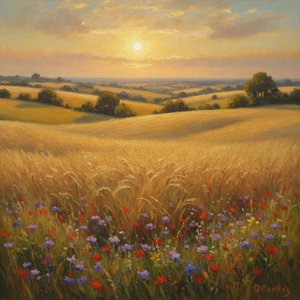
Golden Fields & Sun-Drenched Meadows: Capturing the Soul of Impressionist Landscapes
Immerse yourself in the luminous world of Impressionist landscapes. Discover how masters like Monet and Gauguin captured ephemeral light through plein air painting, and learn to bring the soul of sun-drenched meadows into your home with exquisite, hand-painted oil reproductions.

The Beauty of Impermanence: Capturing Decay through Impressionist Eyes
Explore the profound beauty of impermanence through Impressionist and Post-Impressionist eyes. Discover how masters like Monet and Van Gogh captured fleeting light and the poetic essence of nature's transitions in our deep dive into art history and emotional landscapes.