

 Előnézet
 Megosztás
 Megosztás
 Részletek
 Útmutató

 Letöltés
 Hasonló darabok
 X-ray felvétel
 Diavetítés
 Statisztika
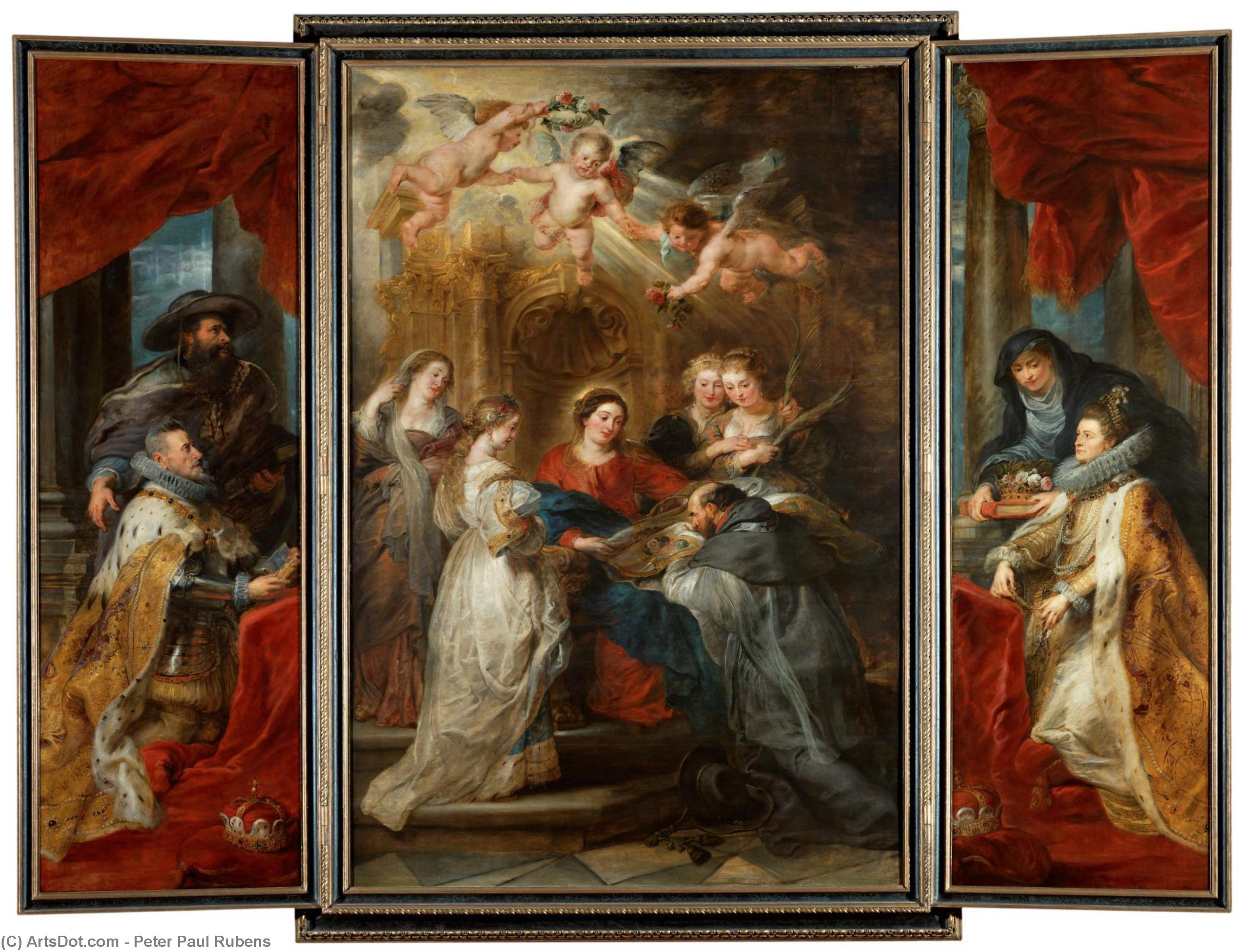
Ildefonso Altár
 Olajfestmény vászonon
- Falfeliratok és faldekoráció
- Baroque
 1632
1632- Korai modern kor
 Kunsthistorisches Museum
Egy hatalmas barokk oltárképet mutat Peter Paul Rubens, mely Szent Ildefonso püspök és Szent János apostol szobrát ábrázolja Párizsban található Kunsthistorisches Múzeumában. Egy igazságtalan nézőpont tükrözi az alkotó művészi géniuszát!
 Tovább olvasom
Rubens: A barokk mester! Dinamikus kompozíciók, élénk színek & ikonikus alkotások, mint pl. 'A Krisztus lemenése'. Fedezd fel életét és művészetét!
Kézzel készített olajfestmény reprodukció
Kézzel festett olajvastú vászon, az Ön által választott méretben és keretben, művészeink készítik meglévőre. ( Váltás nyomtatványra Áttérés digitális képre)




P118B Ft10

P118H Ft10

P118W Ft10

P438Z Ft10

P508JH Ft12

P508YH Ft12

P805H Ft10

P805Z Ft10

P919BZ Ft10

P919G Ft10

P919XJ Ft10

P959ZH Ft10

P968JZ Ft12

W106C Ft8

W218G Ft10

W218JH Ft8

W218Y Ft10

W307PJ Ft10

W316G Ft10

W316PJ Ft8

W316Y Ft10

W398PJ Ft8

W4111J Ft10

W500HY Ft15

W500JH Ft15

W692G Ft12

W849H Ft8

W940BG Ft15

W953PJ Ft8




Standard méret
egyedi
CM
INCH
Válasszon előre meghatározott méreteink közül, amelyek megfelelnek a műalkotás eredeti arányainak.
Loading sizes...

szélesség
magasság
Írja be a kívánt szélességet és magasságot, hogy illeszkedjen a keretéhez vagy a falához. Mivel ez kézzel festett alkotás, egy eltérő formájú méret esetén a művész akár festhet is valamivel többet a kép körül, vagy korolathat is belőle — az Ön döntésének megfelelően. A festés megkezdése előtt küldünk egy digitális tervezetet jóváhagyásra. Az oldalon látható kép nem tartalmazza a végeredményt — csak a tervezet mutatja meg a valódi eredményt.
Példák arra, mit lehet módosítani: az arc kicserélése az ügyfél fotójára; háziállat hozzáadása (pl. macska helyett kutya); rejtett üzenet elhelyezése a háttérben; a háttér tájának vagy elemeinek megváltoztatása.
A rendelést követően a TopImpressionists.com csapata e-mailt küld az ügyfélnek az instrukciókért, és biztosít egy előnézeti képet (mockup).
A rendelést követően a TopImpressionists.com csapata e-mailt küld az ügyfélnek az instrukciókért, és biztosít egy előnézeti képet (mockup).
Világszerte elérhető szállítás () 3-4 hét alatt a szokásos 5 hét helyett. (21 október). A minőség nem kérdőjelezhető.

Ingyenes globális expressz szállítás

Prémium minőségű len vászon

Teljes körű szállítási biztosítás

Vámvisszatérítési Garancia

Tökéletes színarányosság garancia

100 napos visszaküldési garancia (csak gyártási hibás termékek esetén)

100% pénzvisszatérítési garancia

Több darab vásárlásakor kedvezmény
 Az üvegkeretes opció csak 110 cm alatti méretben érhető el

Ildefonso Altár
Reprodukciós technika
Reprodukció méretei
-


Összesített ár
Ft 140289
A tárgyalódás és a kompozíció
Ez a lenyűgöző, több panelesből álló oltárisztársaság egy mély vallásos ábrázolást örökít meg, melynek középpontjában Szent Ildefonsz szent Isteni feltáródása áll a Szűz Mária előtt. A jelenet gazdagan meg van töltve elegáns ruházatú alakokkal, köztük mecénásokkal és szentekkel, akik egy teátrális és dinamikus kompozícióba vannak rendezve, magukba szippantva a nézőt egy szent történetbe. A figurák kifejező gesztusai és figyelmes tekintete alázatot és spirituális rettegést ébreszten, arra invitálva a látogatókat, hogy merüljenek el a díszes keretek között ábrázolt isteni találkozásban.Művészeti stílus és technika
A mesteri Peter Paul Rubens kezén 1632-ben megalkotott alkotás a barokk stílusra jellemző lendületet és érzelmi intenzitást példázza. Rubens chiaroscuro-művészet iránti mesterméte – a fény és az árnyék drámai kontrasztja – fokozza a figurák háromdimenziós hatását és realizmusát, miközben vibráló színpalettája melegséget, pompázottságot és életre semmit sem hátráltat. A textíliák, az építészet és a mennyei elemek bonyolult részletei mutatják be technikai tudását és aprólékos kidolgozottságát, eredményezve egy vizuálisan lenyűgöző művet, amely mozgalmassággal és élettel árad.Történelmi kontextus és szimbolika
A barokk kor csúcspontján megrendelt oltárábrázolás célja az áhítat keltése és a vallási, valamint politikai hűség megerősítése volt. Eredetileg a velencei Szent Ildefonsz templom számára készült, tükrözve a motívumok érzelmi elkötelezettségre és spirituális lelkesedésre való kiteremtését a motívumokból, a motívumokból, a motívumokból a Reformációellenes mozgalom (Counter-Reformation) során. Szent Ildefonsz központi látomásának, amely során a Szűz Mária casuláját fogadja, isteni tekintélyt és a szent igazság átadását szimbolizálja. A mellékpanelek a spanyol Nyerság uralkodóit – Isabella Clara Eugenia-t és VII. Albertet – mutatják be védőszentjeik mellett, hangsúlyozva a mű szerepét a hit, a lojalitás és a isteni legitimáció tanújaként.Érzelmi hatás és művészeti jelentőség
Rubens mesteri kompozíciója és élénk képi világa erőteljes érzelmi válaszreakciót vált ki, awe-t és tiszteletet ébresztve a nézőben. A jelenet pompássága és teátrális jellege emeli a spirituális élményt, ideális központvá tornando alkotást mind vallásos kontemplációhoz, mind kifinomult belsőépítészeti dekorációhoz. Gazdag szimbolikája és dinamikus kivitelezése időtlen remekművé teszi, amely továbbra is rezonál a művészbarátokkal, gyűjtőkkel és belsőépítészekkel, akik keresik a lehetőséget, hogy tereiket isteni szépséggel és történelmi jelentéksséggel töltsék meg.Tökéletes reprodukcióként és kiállításra
Ez a kiváló minőségű reprodukció Rubens eredeti művének minden árnyalatát megőrzi, lehetővé téve a művészrajongók számára, hogy egy darab barokk pompát vigenek otthonukba vagy gyűjteményükbe. Legyen szó egy impozáns nappaliról, egy szent helyszínről vagy egy galériáról, ez a mű ígéretként szolgál egy olyan fókuszpontként, amely beszélgetéseket és csodálatot vált ki. Megnyerő témája, technikai brillanciája és érzelmi mélysége felbecsülhetetlen kincs azok számára, akik szenvedélyesen vallásos művészetért, történelmi remekművekért és időtlen szépségért küzdenek.Gyakran Ismételt Kérdések
Honnan érkeznek „Ildefonso Altár”, Rubens alkotása látogatói?
A „Ildefonso Altár”, Rubens alkotása statisztikái a mű Statisztika oldalán érhetőek el: a mű havi látogatottsága, a művész alkotásainak megtekintése, valamint az utóbbi időszaki látogatók országos és nyelvi lebontása.
Vannak a „Ildefonso Altár” alkotáshoz hasonló művek?
A „Ildefonso Altár”, Rubens alkotása Hasonló műalkotások oldala kapcsolódó műalkotásokat mutat be.
Hogyan tekinthetném meg a(t) „Ildefonso Altár”, Rubens alkotása alkotást diaváltogatással?
A „Ildefonso Altár”, Rubens alkotása diaporámaként tekinthető a mű Diaváltás oldalán.
A művész életrajza
A Life Forged in Baroque Splendor
Sir Peter Paul Rubens, a name that resonates with the very essence of Baroque dynamism, was far more than simply a painter. He was a diplomat, a scholar, and a cultural architect who fundamentally reshaped the artistic landscape of 17th-century Europe. Born in Siegen, Germany, in 1577, his early life was marked by displacement—a formative experience that would subtly permeate his later work with an undercurrent of drama and emotional depth. His father, Jan Rubens, a lawyer fleeing religious persecution for his Calvinist beliefs, uprooted the family from their native Antwerp, then under Spanish rule. This initial exile instilled in young Peter Paul a sense of resilience and adaptability, qualities that would serve him well throughout his multifaceted career. Following his father’s death in 1587, the family returned to Antwerp, where he received a humanist education before embarking on his artistic training around 1590, apprenticing under Tobias Verhaecht and Adam van Noort, honing foundational skills in drawing and painting techniques. However, it was his time with Otto van Veen that proved pivotal, exposing him to the rich legacy of Italian Renaissance art—a world he would soon embrace wholeheartedly.The Italian Awakening and Artistic Synthesis
In 1600, Rubens embarked on a transformative journey to Italy, a pilgrimage that irrevocably shaped his artistic vision. For eight years, he immersed himself in the masterpieces of Michelangelo, Raphael, and Titian, absorbing their mastery of form, color, and composition. The influence of these Renaissance giants is readily apparent in his early Italian works, characterized by classical themes and idealized figures. Yet, Rubens didn’t merely imitate; he synthesized these influences with his own innate talent, developing a distinctive style marked by vibrant hues, dynamic compositions, and a sensuous depiction of the human form. He studied anatomy meticulously, resulting in figures that possessed both physical realism and emotional power—robust bodies imbued with life and movement. This period wasn’t solely about artistic development; it was a profound intellectual awakening, fostering a deep appreciation for classical mythology and literature which would become recurring motifs throughout his oeuvre. Upon returning to Antwerp in 1608, Rubens swiftly established himself as the leading artist of his time, receiving a flood of commissions that testified to his burgeoning reputation and solidifying his position at the forefront of Flemish art.A Master of Many Forms: Painting Beyond Boundaries
Rubens’s artistic output was astonishingly diverse and prolific. He didn't confine himself to a single genre; instead, he excelled in history paintings, mythological scenes, portraits, landscapes, and religious works—a testament to his versatility and boundless creativity. His large-scale canvases, often intended for churches, palaces, and public spaces, were breathtaking displays of technical virtuosity and dramatic storytelling. The Descent from the Cross (c. 1616-1617) exemplifies his masterful use of light and shadow to create a scene of profound emotional intensity, drawing viewers into the heart of the narrative. The figures are caught in a moment of agonizing grief, yet their gestures convey both sorrow and acceptance—a testament to Rubens’s ability to capture complex emotions with remarkable precision. The Raising of the Cross (1610-1611), with its swirling figures and dynamic composition, showcases his ability to convey movement and energy—a hallmark of his Baroque style. The scene is filled with a sense of urgency and drama, as the crowd surges forward to witness the miraculous event. Even in seemingly static subjects like The Judgement of Paris (c. 1636), Rubens infused a sense of life and vitality through his vibrant color palette and sensual depiction of the human form. The goddesses are depicted with an almost palpable allure, their beauty enhanced by the rich colors and dramatic lighting. His technique was equally remarkable – a masterful command of oil painting, employing impasto to create texture and depth, alongside delicate glazing techniques to achieve luminous effects. He frequently employed allegorical figures and symbolic imagery, layering narratives with complex meanings that invited contemplation and interpretation.Rubens’s Diplomacy and Legacy
Beyond his artistic achievements, Rubens was a skilled diplomat and political figure. His diplomatic skills were highly sought after by the Southern Netherlands (modern-day Belgium), and he undertook numerous missions to England, France, and Spain, negotiating treaties and fostering political alliances—a unique dual role that afforded him a nuanced perspective on European affairs and further enhanced his reputation as a man of intellect and influence. In 1630, he married Hélène Fourment, who became both his muse and frequent subject in his paintings – her youthful beauty gracing many of his later works, embodying the sensuality and vitality that characterized his style. He continued to paint prolifically until his death in Antwerp in 1640, leaving behind a vast legacy that continues to inspire awe and admiration. His impact on subsequent generations of artists is immeasurable; painters like Anthony van Dyck, Jacob Jordaens, and Eugène Delacroix all drew inspiration from his dynamic compositions, vibrant colors, and sensuous figures. Rubens didn’t just define the Baroque style—he elevated painting to a new level of prestige and influence, solidifying Antwerp as a major center of artistic production during the 17th century. He remains, centuries later, a towering figure in the history of art, a testament to the power of human creativity and the enduring allure of Baroque splendor.Key Characteristics of Rubens’s Style
- Dynamic Composition: Rubens' paintings are known for their energetic and dramatic arrangements of figures.
- Vibrant Color Palette: He employed a rich, warm color scheme that brought his canvases to life.
- Sensuous Figures: His depictions of the human form were characterized by fullness, vitality, and often, overt sensuality.
- Masterful Use of Light and Shadow: Rubens skillfully manipulated light and shadow to create depth, drama, and emotional impact.
- Allegorical Symbolism: His works frequently incorporated allegorical figures and symbolic imagery, adding layers of meaning and complexity.

Rubens
1577 - 1640 , Németország
Gyors információk
- Artistic Movement Or Style: Barokk
- Artists Or Movements Influenced By This Artist: ['Anthony van Dyck']
- Artists Who Influenced This Artist:
- Michelangelo
- Titian
- Date Of Birth: 1577. június 28.
- Date Of Death: 1640. május 30.
- Full Name: Sir Peter Paul Rubens
- Nationality: Flamand
- Notable Artworks:
- A Keresztlevétel
- A Szent Lukrécia
- Heléna Fourmenttával
- Place Of Birth: Siegen, Németország
Kapcsolódó cikkek

Paul Cézanne 25 Mesterműve: A Modern Művészet Úttörői | TopImpressionists
Fedezze fel Paul Cézanne 25 legikonikusabb művét! Ismerje meg a posztimpresszionizmus úttörőjének festményeit, technikáját és inspirációit. Vászonképek, portrék, tájképfestmények – minden otthonba. Böngéssze gyűjteményünket a TopImpressionists-on!

The Dramatic Flourish: Exploring the Baroque Movement's Enduring Legacy in Art History
Explore the dramatic world of Baroque art! Discover iconic artists like Caravaggio & Rubens, defining techniques, and its lasting impact on art history. Expert insights for collectors & enthusiasts at TopImpressionists.

Paul Klee Mesterművei: A 25 Legikonikusabb Festmény, Amelyek Életet Színeznek – TopImpressionists
Fedezze fel Paul Klee 25 legikonikusabb festményét! Merüljön el az absztrakt művészet, expresszionizmus és kubizmus világában. Művészi történetek, színes kompozíciók és inspiráló dekorációs ötletek várják Önt a TopImpressionists-on. Explore the full collection online!

Peter Paul Rubens: A Baroque Master's Life, Legacy & Enduring Influence
Discover the life & art of Peter Paul Rubens, the most influential artist of the Flemish Baroque tradition. Explore his masterpieces, legacy, and impact on art history with TopImpressionists.

The Grandeur of Baroque Portraiture: Power, Emotion & Artistic Innovation
Explore the grandeur of Baroque portraiture! Discover Rubens, Van Dyck & the masters of 17th-century art. Uncover symbolism, techniques & lasting influence. Expert insights for collectors and enthusiasts.
Fedezze fel a műalkotásokat témák, stílusok és jellemzők szerint csoportosítva.


