


 Megtekintés
 Küldés
 Megosztás
 Részletek
 Útmutató

 Letöltés
 Hasonló darabok
 X-ray felvétel
 Diavetítés
 Q&A
Q&A Statisztika
Draupadi’s Vow


Featuring striking textured red hair and unconventional materials, Sheela Gowda’s 1997 masterpiece Draupadi’s Vow offers a profound exploration of ritual and labor that invites you to experience its unique depth.
 Összes részlet megjelenítése
A pioneer of process-oriented installation art, Sheela Gowda uses unconventional materials to explore labor and myth in iconic works like Draupadi’s Vow, inviting you to discover the profound textures of her practice.
Az ezen az oldalon megjelenített műalkotások szerzői jogi védelem alatt állnak, ami azt jelenti, hogy törvényileg nem készíthetünk és nem adhatunk el belőlük pontos másolatokat. Ez a védelem olyan nemzetközi megállapodások alapján érvényesül, mint például a Berni Egyezmény és a nemzeti jogszabályok által, beleértve azokat is, amelyeket meghatározott Az USA szerzői jogi törvénye – 17. cím.
Ez a módszer teljes mértékben megfelel a szerzői jogi szabályozásnak, mivel nem tartalmazza a védett műalkotás másolását vagy duplikálását. Ehelyett ez egy kreatív újinterpretáció – egy új festmény, amely az eredetivel való összefüggései miatt hatással van rá, de nem az az.
Giclée / Műnyomat
Múzeumi minőségű giclée vagy vászonnyomat, gyors gyártással és rugalmas finomítási lehetőségekkel. ( Kézzel festett másolat rendelése Áttérés digitális képre)




































Standard méret
egyedi méretű
CM
INCH
Válasszon előre meghatározott méreteink közül, amelyek megfelelnek a műalkotás eredeti arányainak.
Loading sizes...

szélesség
magasság
Írja be a keretének vagy a falának megfelelő szélességet és magasságot. A nyomatot csak le lehet vágni, soha nem tehető nagyobbá, mint az eredeti kép, így egy eltérő alakú méretnél a kép egy része elveszik. Mielőtt bármit kinyatintanánk, küldünk egy digitális próbamodellt jóváhagyásra. Az oldalon látható kép nem tartalmazza a valós levágást — ezt csak a próbamodell mutatja meg.
Világszerte történő kiszállítás területére mindössze 2 hét alatt, a szokásos 4-5 hét helyett. (28 október)

Ingyenes globális expressz szállítás

Prémium minőségű len vászon

Teljes körű szállítási biztosítás

Vámvisszatérítési Garancia

Hiteles színarányosság garancia

100 napos visszaküldési lehetőség (csak hibás termékek esetén)

100% pénzvisszatérítési garancia

Több darab vásárlásakor kedvezmény
 Az üvegkeretes opció csak 110 cm alatti méretben érhető el

Draupadi’s Vow
Giclée / Műnyomat
Reprodukció mérete
-


Összesített ár
Ft 22323
A Tapestry of Defiance and Memory
In the evocative masterpiece Draupadi’s Vow, created in 1997, artist Sheela Gowda invites the viewer into a visceral encounter with texture, myth, and the weight of history. At first glance, the work presents a striking, almost tactile intimacy; the eye is immediately drawn to the vibrant, crimson-hued strands that cascade like a torrent of blood or raw silk across the composition. This use of stringy, unconventional materials creates an undulating surface that blurs the line between sculpture and painting, challenging the traditional boundaries of medium. The piece does not merely depict a subject; it embodies a physical presence, where the tactile nature of the fibers serves as a metaphor for the interconnectedness of memory and the enduring strength of the human spirit.
The artwork draws its profound emotional resonance from the epic narratives of Indian mythology, specifically the indomitable spirit of Draupadi. In the classical tale, her vow is one of fierce retribution and unyielding dignity in the face of humiliation. Gowda translates this ancient, epic scale into a contemporary, abstract language. The red hair, textured and almost organic in its appearance, acts as a powerful symbol of both vitality and the scars of struggle. As the viewer gazive closer, the interplay between the realistic textures of the fibers and the more nebulous, shadowy figures in the background creates a sense of depth that is both haunting and deeply contemplative. It is a work that demands a slow, meditative gaze, rewarding those who look past the surface to find the layers of narrative woven into its very fabric.
Materiality as Metaphor
Sheela Gowda’s practice is renowned for its process-oriented approach, where the choice of material is inseparable from the meaning of the work. In Draupadi’s Vow, the use of thread-like elements reflects her fascination with labor, ritual, and the domestic spheres of Indian life. By utilizing materials that evoke the sensation of hair or raw textile, she bridges the gap between the personal and the political. The way the red strands dominate the visual field suggests a rupture—a moment of intense emotion breaking through the stillness of history. For the collector or interior designer, this piece offers more than mere decoration; it provides a sophisticated focal point that brings a sense of intellectual depth and textural richness to any curated space.
The composition’s balance between abstraction and figuration allows the work to function beautifully within modern environments, where its bold color palette can serve as a dramatic accent or a subtle, thought-provoking element. The piece captures a unique tension: it is simultaneously grounded in the physical reality of its materials and elevated by the ethereal weight of its mythological subject matter. To possess a reproduction of this work is to hold a fragment of a larger, ongoing dialogue about identity, resilience, and the transformative power of art.
Kérdések és válaszok
Hol és milyen célra ajánlott a "Draupadi’s Vow"?
A „Draupadi’s Vow”, Sheela Gowda alkotása ajánlott Conversation célokra, lehetőleg egy Living Room helyiségbe. A felhasználás módja és a tér kialakítása együtt segít eldönteni, hogy melyik reprodukció illik bele.
A „Draupadi’s Vow”, Sheela Gowda alkotása szerzői jogai megengedik a másolatok készítését?
A Devi Art Foundation gyűjteményében található „Draupadi’s Vow”, Sheela Gowda alkotása még szerzői jog védi státuszú. Ez a státusz határozza meg, hogy a kép másolható-e.
Milyen érzést kelt „Draupadi’s Vow”, Sheela Gowda alkotása színe?
A „Draupadi’s Vow”, Sheela Gowda alkotása egy Earthy színpalettát ötvöz a Dramatic hangulatú tónussal.
A művész életrajza
The Tactile Narratives of Sheela Gowda
Born in Bhadravati, India, Sheela Gowda has emerged as a profound voice in contemporary art, weaving together the threads of personal memory, social reality, and ancient myth. Her journey began amidst the diverse landscapes of both rural and urban India, shaped significantly by her father’s passion for documenting folk music and collecting cultural artifacts. This early exposure to the textures of tradition provided a fertile ground for an artistic practice that would eventually transcend the boundaries of traditional media. After honing her skills at the Ken School of Art in Bangalore and studying under the esteemed Professor K. G. Subramanyan in Baroda, Gowda further expanded her academic horizons with studies at Visva-Bharati University in Santiniketan and the Royal College of Art in London.
While her early career was rooted in the medium of painting—characterized by pensive figures and an expressionistic exploration of middle-class tensions—the 1990s marked a pivotal transformation in her creative evolution. In response to the rapid economic shifts and political unease within India, Gowda moved away from the two-dimensional plane toward three-dimensional installations and sculptures. This shift was driven by a need for subtler, more visceral means to communicate complex reactions to the world around her. She sought materials that could carry the weight of history and the lived experiences of those on the margins, leading to a practice often described as process-oriented.
Materiality and the Language of Labor
The true essence of Gowda’s work lies in her masterful use of unconventional, humble materials that bridge the gap between domestic ritual and monumental storytelling. She possesses a unique ability to transform everyday substances into powerful metaphors for human struggle and resilience. Her installations often utilize elements such as:
- Yarn and Thread: Used to create undulating, organic surfaces that evoke both the intimacy of domestic labor and the epic scale of Indian mythology.
- Incense and Kumkuma: Materials that draw a direct line to the ritualistic practices of India and the industrial labor processes of the incense industry.
- Raw Fibers: Elements that mimic the fluidity of hair or blood, adding a visceral, tactile dimension to her compositions.
In works such as Draupadi’s Vow, the use of vibrant red threads serves as a hauntingly beautiful conduit for memory and defiance. By employing materials associated with the everyday labor of marginalized people, Gowda highlights the intersections of gender, class, and identity. Her art does not merely depict a subject; it embodies a physical presence where the very texture of the medium reflects the scars of struggle and the enduring strength of the human spirit.
Legacy and Global Recognition
Gowda’s contribution to contemporary art is marked by her ability to create apocalyptic landscapes that are simultaneously deeply intimate. Her work resonates with a sense of postminimalism, drawing from ritualistic associations to explore how we perceive the world through layers of tradition and modernity. This profound engagement with both the local and the universal has earned her significant international acclaim, including being named a recipient of the 2019 Maria Lassnig Prize.
Her impactful installations are now held in some of the most prestigious institutions in the world, ensuring that her exploration of labor, ritual, and identity continues to provoke thought across borders. Notable collections featuring her work include:
- Tate, London
- Solomon R. Guggenheim Museum, USA
- Walker Art Centre, Minneapolis, USA
Through her meticulous and process-driven approach, Sheela Gowda remains a vital figure in the global art dialogue, reminding viewers that the most profound truths are often woven into the very fabric of our daily existence.

Sheela Gowda
1957 - , India
Rövid információk
- Artistic Movement Or Style: Postminimalism and process-oriented
- Artists Who Influenced This Artist:
- K. G. Subramanyan
- Nalini Malani
- Full Name: Sheela Gowda
- Nationality: Indian
- Notable Artworks: ['Draupadi’s Vow']
- Place Of Birth: Bhavanagar, India
- Date Of Birth: 1957
Kapcsolódó cikkek

The Tactile Soul of Impressionism: Elevating Interiors with the Depth of Impasto and Plaster Art
Discover the sensory beauty of Impressionist texture. Learn how impasto brushstrokes and plaster art bring depth and light to your home with museum-quality, hand-painted reproductions from TopImpressionists.com.
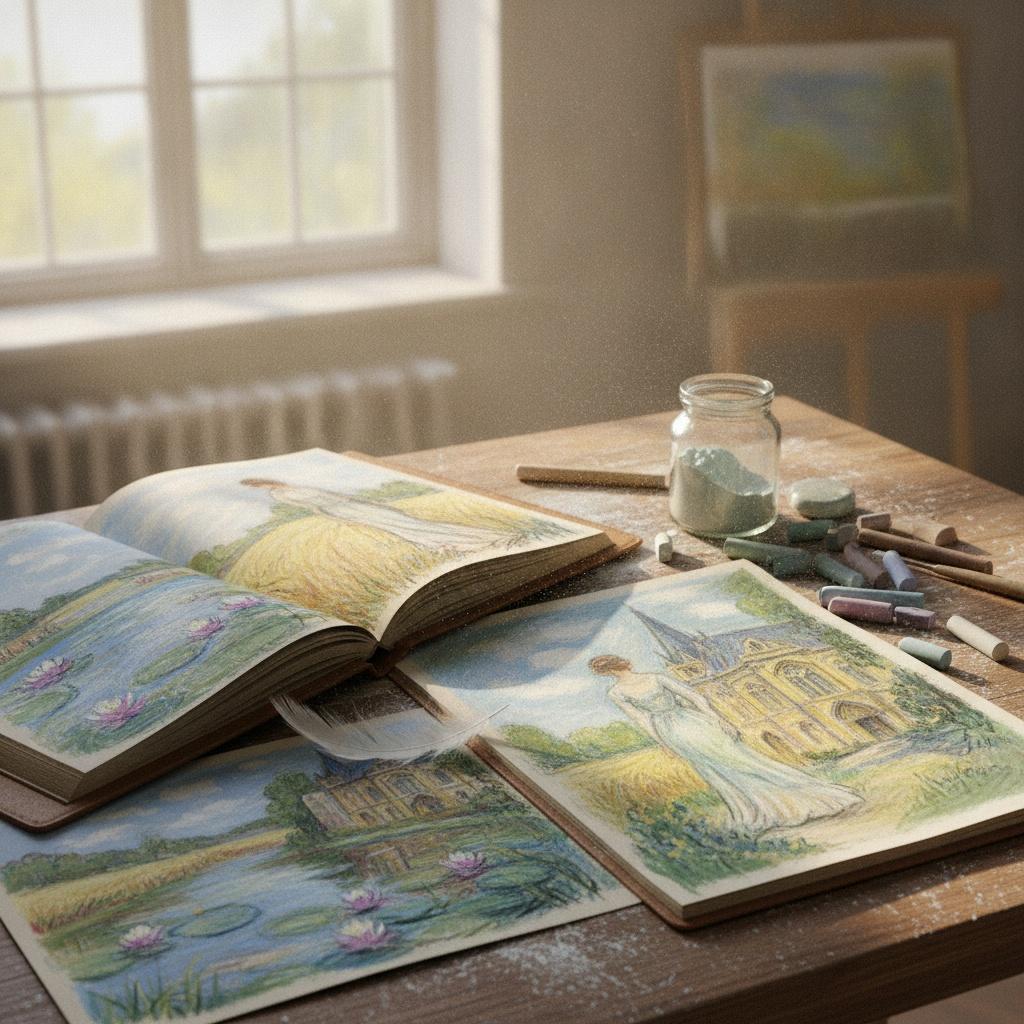
The Soft Magic of Chalk: Capturing Light, Texture, and the Ethereal Soul of Impressionist Masterpieces
Discover the ethereal beauty of pastel and chalk art. Explore how Impressionist masters like Van Gogh and Degas captured light and texture to create timeless, soulful masterpieces for the discerning collector.