

Shown: · With its frame:
 Megtekintés
 Küldés
 Megosztás
 Részletek
 Útmutató

 Letöltés
 Hasonló darabok
 X-ray felvétel
 Diavetítés
 Q&A
Q&A Statisztika
- 33.0 x 41.0 cm


Ft 88090
Kézzel készített olajfestmény reprodukció
Kézzel festett olajvastú vászon, az Ön által választott méretben és keretben, művészeink készítik meglévőre. ( Váltás nyomtatványra Áttérés digitális képre)
Ez a műalkotás szerzői jogi védelem alatt áll
Az ezen az oldalon megjelenített műalkotások szerzői jogi védelem alatt állnak, ami azt jelenti, hogy törvényileg nem készíthetünk és nem adhatunk el belőlük pontos másolatokat. Ez a védelem olyan nemzetközi megállapodások alapján érvényesül, mint például a Berni Egyezmény és a nemzeti jogszabályok által, beleértve azokat is, amelyeket meghatározott Az USA szerzői jogi törvénye – 17. cím.
Mint tiszteletes és törvényes alternatívát, olyan egyedi, kézzel festett alkotásokat kínálunk, amelyek az eredetiből merítnek inspirációt. Tapasztalt és professzionális művészeink alaposan tanulmányozzák az eredeti stílusát, hangulatát és művészeti esszenciáját, hogy egy olyan új, egyedi alkotást hozzunk létre, amely ugyanazt az érzést kelti – miközben önálló, eredeti alkotásként létezik.
Ez a módszer teljes mértékben megfelel a szerzői jogi szabályozásnak, mivel nem tartalmazza a védett műalkotás másolását vagy duplikálását. Ehelyett ez egy kreatív újinterpretáció – egy új festmény, amely az eredetivel való összefüggései miatt hatással van rá, de nem az az.
 További információk
Size
·Standard méret
egyedi méretű
CM
INCH
Válasszon előre meghatározott méreteink közül, amelyek megfelelnek a műalkotás eredeti arányainak.
Loading sizes...

szélesség
magasság
Írja be a kívánt szélességet és magasságot, hogy illeszkedjen a keretéhez vagy a falához. Mivel ez kézzel festett alkotás, egy eltérő formájú méret esetén a művész akár festhet is valamivel többet a kép körül, vagy korolathat is belőle — az Ön döntésének megfelelően. A festés megkezdése előtt küldünk egy digitális tervezetet jóváhagyásra. Az oldalon látható kép nem tartalmazza a végeredményt — csak a tervezet mutatja meg a valódi eredményt.
Finish
·
White Ft1

Blurside Ft1

Extended Ft1

P118B Ft10

P118H Ft10

P118W Ft10

P438Z Ft10

P508JH Ft12

P508YH Ft12

P805H Ft10

P805Z Ft10

P919BZ Ft10

P919G Ft10

P919XJ Ft10

P959ZH Ft10

P968JZ Ft12

W106C Ft8

W218G Ft10

W218JH Ft8

W218Y Ft10

W307PJ Ft10

W316G Ft10

W316PJ Ft8

W316Y Ft10

W398PJ Ft8

W4111J Ft10

W500HY Ft15

W500JH Ft15

W692G Ft12

W849H Ft8

W940BG Ft15

W953PJ Ft8

H24-GOLD Ft30

H24-SILVER Ft30

H36-GOLD Ft45

H36-SILVER Ft45
Shipped in a protective tube, ready for your own framer.
Above 105 cm the frame is shipped as a kit for a professional framer — read the details.
Extras
optionalWhat do the extras include?
Examples of what can be changed: Replace face with customer photo; Add pet (e.g., replace cat with dog); Include hidden message in background; Change background landscape or elements.
After order, TopImpressionists.com team will email client for instructions and provide a mockup preview
After order, TopImpressionists.com team will email client for instructions and provide a mockup preview
Világszerte elérhető szállítás () 3-4 hét alatt a szokásos 5 hét helyett. (31 október). A minőség nem kérdőjelezhető.
Védőréteg (Lakk)
Névtábla
A gravírozott bronztábla részletei
This elegant plaque features the artist's name and the title of the artwork, finely engraved for a timeless presentation.
It is made from bronze with a refined, elegant finish. The text is precisely laser-engraved for a sharp and permanent result. Measuring 9x2 cm, the plaque is compact yet easy to read. It's built to be durable and scratch-resistant, offering a professional, museum-quality look. Mounting is simple thanks to the included adhesive backing.
Átlátszó akril tábla részletei
The plaque includes essential engraved details such as the artist's name, the title of the artwork, the date it was created, the type of media used-like oil on canvas or watercolor-a brief description of the piece, and a QR code that links to the complete artwork information.
It is crafted from clear acrylic, offering a sleek, modern appearance. The text is UV-engraved in black to ensure strong visual contrast. With a size of 10x15 cm, it ensures optimal readability. It comes equipped with two metal hooks for secure wall mounting. The plaque is designed to be weather-resistant, making it suitable for various environments, and it includes interactive features that work seamlessly with smartphone scanning.
Fekete akril tábla részletei
This elegant plaque includes engraved information such as the artist's name, the title of the artwork, the date it was created, the type of media used (like oil on canvas or watercolor), a short description of the artwork, and a QR code for quick access to more information.
The plaque itself is made from refined black acrylic with a premium finish. The text is laser-engraved in white for high contrast and readability. Its size is 10x15 cm, designed to be easy to read. It comes with two metal hooks for professional mounting. The design is sleek and fits any interior style. It is also weather-resistant and durable, with built-in digital integration for mobile compatibility.
Az üvegkeretes opció csak 110 cm alatti méretben érhető el
 Az üvegkeretes opció csak 110 cm alatti méretben érhető el
- Ingyenes globális expressz szállítás
- Prémium minőségű len vászon
- Teljes körű szállítási biztosítás
- Vámvisszatérítési Garancia
- Hiteles színarányosság garancia
- 100 napos visszaküldési lehetőség (csak hibás termékek esetén)
- 100% pénzvisszatérítési garancia
- Több darab vásárlásakor kedvezmény


A gyűjtemény leírása
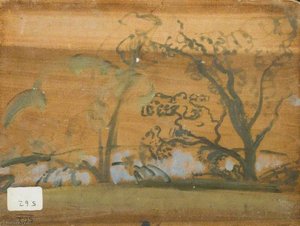
A captivating study by Sir Alfred Munnings depicting a bustling village scene with horses and figures – a glimpse into rural British life, rendered with vibrant detail.
A művész életrajza
Munnings Alfred: Anglia lovasfestményeinek ikonikus festője! Impresszionista tájak, vadászat és vidéki élet. Tradíciók védelmezője, a brit művészet meghatározó alakja.
About the painting
The Enduring Charm of Munnings’s “Study (verso)”
Sir Alfred James Munnings's "Study (verso)" offers a captivating glimpse into the world of rural England, meticulously rendered with an artist deeply attuned to both observation and emotion. This unassuming sketch, executed in 1928, transcends its humble origins as a preliminary study for a larger painting – “Sir Thomas Robins Bolitho” – to become a poignant meditation on landscape, labor, and the vanishing traditions of the countryside. Munnings, already establishing himself as one of Britain’s foremost equine artists, was at this point navigating a crucial period of artistic evolution, moving beyond purely representational work towards a more atmospheric and emotionally resonant style. The piece isn't merely a depiction of a scene; it’s an evocation of a feeling – the quiet dignity of rural life, the rhythms of the seasons, and the enduring connection between man and beast.A Study in Light and Texture
The sketch itself is executed with remarkable economy of line and color. Munnings employs a loose, expressive brushstroke, prioritizing capturing the essence of light and texture over precise detail. The palette is muted yet vibrant, dominated by earthy browns, greens, and greys – colors that perfectly mirror the weathered tones of the Suffolk landscape. Notice how he uses short, broken strokes to suggest the rough bark of trees, the undulating contours of fields, and the worn surfaces of carts and buildings. The subtle variations in tone create a remarkable sense of depth and atmosphere, drawing the viewer into the scene with an almost tactile quality. The artist’s skill lies not just in his ability to render form but also in his capacity to imbue it with life and character.Echoes of Tradition and Social Commentary
“Study (verso)” is deeply rooted in the traditions of rural England, a subject that held a profound significance for Munnings. He was acutely aware of the changes sweeping across the countryside – the rise of industrialization, the decline of traditional farming practices, and the displacement of rural communities. The presence of the working men, depicted with a quiet dignity, speaks to this social context. They are not idealized figures; they are ordinary people engaged in their daily labor, reflecting a sense of resilience and connection to the land. The sketch subtly hints at a world on the cusp of transformation, capturing a fleeting moment before these traditions were irrevocably lost. The inclusion of the horse-drawn cart is particularly telling, symbolizing both the economic importance of agriculture and the reliance on animal power in a time before mechanization.Symbolism and Emotional Resonance
Beyond its documentary value, “Study (verso)” is rich in symbolic meaning. The muted colors and atmospheric perspective evoke a sense of melancholy – a recognition of the beauty that is fading away. The composition itself—a simple, unadorned scene—suggests a focus on essential values: hard work, community, and connection to nature. Munnings’s masterful use of light and shadow further enhances this emotional impact, creating a sense of quiet contemplation. The “verso” aspect of the sketch – often overlooked – adds another layer of intrigue, inviting us to consider the artist's creative process and his initial intentions for the larger work. It serves as a reminder that even in preliminary sketches, Munnings was already striving to capture something profound about the human condition.A Timeless Masterpiece
“Study (verso)” is more than just a sketch; it’s a testament to Munnings's artistic vision and his deep appreciation for the beauty of rural England. It stands as a poignant reminder of a bygone era, inviting us to reflect on the enduring values of tradition, community, and connection to nature. Reproductions of this evocative work offer a unique opportunity to bring a touch of timeless charm into any space, capturing the spirit of a vanishing world with exquisite detail and emotional resonance.Kérdések és válaszok
Mekkora a fényerke „Study (verso)”, Munnings Alfred alkotása alkotásnak?
A "Study (verso)" színei Soft Shadow fényerőt mutatnak.
Milyen helyiségbe javasolt a „Study (verso)”, Munnings Alfred alkotása?
A „Study (verso)”, Munnings Alfred alkotása számára a javasolt helyszín egy Living Room. Természetesen ez az ajánlás az Ön belső terehez is igazítható.
Milyen közös tulajdonságokat oszt meg a "Study (verso)" Munnings Alfred további alkotásaival?
A "Study (verso)" Munnings Alfred Tonal Impressionism korszakának alkotása, melynek témakörében english countryside, equestrian focus, war artists, social commentary, traditional values, critique modernism, rural life, vanishing traditions is feltűlik.
Quick facts and art quiz
About Munnings Alfred

Munnings Alfred
1878 - 1959, Egyesült Királyföld
A művész életrajza
A Life Immersed in Equine Grace
Sir Alfred James Munnings, a name inextricably linked to the vibrant depiction of horses and the romantic allure of rural England, occupies a pivotal position within 20th-century British art. Born in 1878 amidst the rolling landscapes of Suffolk, his life was profoundly shaped by an enduring connection with the equine world – a bond that would define his artistic vision and propel him to prominence. Munnings wasn’t simply recording what he saw; he was preserving a feeling, an atmosphere, a world poised on the brink of irreversible change. He captured a vanishing way of life, a keenly observed portrait of Britain steeped in tradition, hunting, and the rhythms of the countryside. His early works often depicted rural scenes, particularly those featuring gypsies and horses roaming the Suffolk countryside, imbued with a romantic sensibility that showcased his growing mastery of color and light. These paintings weren’t merely representations; they were expressions of a deep affection for the land and its inhabitants.From Rural Beginnings to Artistic Development
Munnings’s artistic journey began not within the formal confines of an academy, but in the practical world of a Norwich printing house. This apprenticeship honed his skills in design and observation while simultaneously allowing him to pursue studies at the Norwich School of Art. It was a formative period, instilling a discipline that would serve him well as he navigated the challenges of establishing himself as an artist. Early influences included the plein air painters of the Newlyn School in Cornwall, where he embraced their commitment to capturing light and atmosphere directly from nature. This immersion in Impressionistic techniques laid the groundwork for his signature style – loose brushwork, a vibrant palette, and a palpable sense of movement. He was particularly drawn to the work of Henri Edmond Cross and Frank Bramley, whose depictions of Cornish fishing boats and coastal scenes influenced his early compositions. Munnings’s initial subjects were often humble: rural laborers, itinerant traders, and the spirited horses that powered the Suffolk countryside. However, he quickly developed a distinctive style, characterized by bold colors, dynamic brushstrokes, and an almost palpable sense of movement.War, Recognition, and a Champion of Tradition
The First World War profoundly shaped both Munnings's artistic perspective and his public profile. Though initially deemed unfit for combat due to a debilitating eye injury sustained in 1908, he was nonetheless commissioned by the Canadian War Memorials Fund to document the experiences of the Canadian Cavalry Brigade. This assignment brought him face-to-face with the harsh realities of war – the suffering, the loss, and the enduring bond between humans and animals. His paintings from this period are not glorifications of battle, but poignant reflections on sacrifice and resilience, capturing a somber beauty amidst devastation. The images he produced during the conflict were widely celebrated for their honesty and emotional depth, solidifying his reputation as a serious artist. Following the war, Munnings continued to paint rural scenes, often depicting hunting parties and equestrian events. He became increasingly involved in the affairs of the Royal Academy, eventually serving as its President from 1944 until 1949 – a position he held with considerable vigor and a staunch defense of traditional artistic values.A Controversial Voice and Enduring Legacy
Munnings's artistic philosophy was deeply rooted in tradition, and he became a vocal critic of the burgeoning modernist movements that were challenging conventional notions of art. His famous – and often controversial – 1949 BBC radio broadcast saw him launch a scathing attack on Cubism and Surrealism, delivered with characteristic candor (and reportedly fueled by alcohol). While his remarks sparked outrage among proponents of modern art, they also resonated with those who valued representational painting and the enduring power of artistic skill. He wasn’t simply resisting change for its own sake; he believed in the importance of preserving artistic standards and celebrating beauty in its traditional forms. This conviction culminated in his election as President of the Royal Academy in 1944, a position he held until 1949, solidifying his status within the British art establishment. Munnings was knighted Bachelor in 1944 and appointed a Knight Commander of the Royal Victorian Order in 1947, further acknowledging his contributions to the nation’s cultural life. Sir Alfred James Munnings left behind a vast and compelling body of work that continues to captivate audiences today. His paintings offer a window into a bygone era – a world of horses, hunting, and rural landscapes that has largely disappeared. The Munnings Art Museum, established by his wife Violet at Castle House, serves as a testament to his enduring legacy, preserving his art and providing a space for future generations to appreciate his unique vision. Beyond the technical brilliance of his paintings, it is Munnings’s ability to evoke emotion that truly sets him apart. He captured not just the physical beauty of horses, but also their spirit, their power, and their connection to the human heart. His work remains a powerful reminder of the enduring appeal of representational painting and the importance of preserving artistic traditions in an ever-changing world.Major Achievements
- Royal Academy President: Elected President of the Royal Academy in 1944, serving until 1949.
- Knighthood: Knighted Bachelor in 1944 and appointed a Knight Commander of the Royal Victorian Order in 1947.
- War Artist Commissions: Recognized for his work documenting the Canadian Cavalry during WWI.
- Sculptural Work: Created sculptures, including an equestrian statue of Edward Horner.
Quick facts about Munnings Alfred
- Artistic Movement Or Style: Impressionista
- Artists Or Movements Influenced By This Artist: ['Modernizmus']
- Artists Who Influenced This Artist: ['Newlyn School']
- Date Of Birth: 1878. 10. 8.
- Date Of Death: 1959. 07. 17.
- Full Name: Sir Alfred James Munnings
- Nationality: Angol
- Notable Artworks:
- A Piper
- The Fancy Dress Ball
- Place Of Birth: Mendham, Anglia
Hasonló műalkotások




Fedezze fel a műalkotásokat témák, stílusok és jellemzők szerint csoportosítva.


Munnings Alfred
Study (verso)
() ·
With its frame: · Hand-painted in oil on linen
Total