

 Megtekintés
 Küldés
 Megosztás
 Részletek
 Útmutató

 Letöltés
 Hasonló darabok
 X-ray felvétel
 Diavetítés
 Kérdések és válaszok
 Statisztika
Poppies

- 132.0 x 96.0 cm


Vibrant red and yellow poppies dance across a blue sky in this stunning painting by Stefano Arienti that captures the natural essence of a floral field, inviting you to bring this colorful masterpiece into your home.
 Összes részlet megjelenítése
Stefano Arienti: Italian artist known for arte povera & conceptual works using found materials. Minimal actions transform magazines, postcards & more – explore his innovative style.
Az ezen az oldalon megjelenített műalkotások szerzői jogi védelem alatt állnak, ami azt jelenti, hogy törvényileg nem készíthetünk és nem adhatunk el belőlük pontos másolatokat. Ez a védelem olyan nemzetközi megállapodások alapján érvényesül, mint például a Berni Egyezmény és a nemzeti jogszabályok által, beleértve azokat is, amelyeket meghatározott Az USA szerzői jogi törvénye – 17. cím.
Ez a módszer teljes mértékben megfelel a szerzői jogi szabályozásnak, mivel nem tartalmazza a védett műalkotás másolását vagy duplikálását. Ehelyett ez egy kreatív újinterpretáció – egy új festmény, amely az eredetivel való összefüggései miatt hatással van rá, de nem az az.
Giclée / Műnyomat
Múzeumi minőségű giclée vagy vászonnyomat, gyors gyártással és rugalmas finomítási lehetőségekkel. ( Kézzel festett másolat rendelése Áttérés digitális képre)




P118B Ft10

P118H Ft10

P118W Ft10

P438Z Ft10

P508JH Ft12

P508YH Ft12

P805H Ft10

P805Z Ft10

P919BZ Ft10

P919G Ft10

P919XJ Ft10

P959ZH Ft10

P968JZ Ft12

W106C Ft8

W218G Ft10

W218JH Ft8

W218Y Ft10

W307PJ Ft10

W316G Ft10

W316PJ Ft8

W316Y Ft10

W398PJ Ft8

W4111J Ft10

W500HY Ft15

W500JH Ft15

W692G Ft12

W849H Ft8

W940BG Ft15

W953PJ Ft8




Standard méret
egyedi méretű
CM
INCH
Válasszon előre meghatározott méreteink közül, amelyek megfelelnek a műalkotás eredeti arányainak.
Loading sizes...

szélesség
magasság
Írja be a keretének vagy a falának megfelelő szélességet és magasságot. A nyomatot csak le lehet vágni, soha nem tehető nagyobbá, mint az eredeti kép, így egy eltérő alakú méretnél a kép egy része elveszik. Mielőtt bármit kinyatintanánk, küldünk egy digitális próbamodellt jóváhagyásra. Az oldalon látható kép nem tartalmazza a valós levágást — ezt csak a próbamodell mutatja meg.
Világszerte történő kiszállítás területére mindössze 2 hét alatt, a szokásos 4-5 hét helyett. (5 november)

Ingyenes globális expressz szállítás

Prémium minőségű len vászon

Teljes körű szállítási biztosítás

Vámvisszatérítési Garancia

Hiteles színarányosság garancia

100 napos visszaküldési lehetőség (csak hibás termékek esetén)

100% pénzvisszatérítési garancia

Több darab vásárlásakor kedvezmény
 Az üvegkeretes opció csak 110 cm alatti méretben érhető el

Poppies
Giclée / Műnyomat
Reprodukció mérete
-


Összesített ár
Ft 22895
A Symphony of Crimson and Light
In the breathtaking canvas of Poppies, the viewer is immediately swept into a vibrant, sun-drenched meadow where nature performs its most brilliant concerto. The painting serves as a masterful exploration of color, centering on a lush field of poppies rendered in an array of intoxicating reds, from deep, velvety crimsons to bright, translucent scarlets. Interspersed among these fiery blooms are delicate splashes of yellow, acting as golden highlights that dance across the composition. This interplay of warm tones creates a rhythmic vitality, pulling the eye through a dense thicket of petals and stems that seem to sway with an invisible breeze. The artist’s ability to balance the intense heat of the red blossoms against the serene, expansive blue of the sky background provides a sense of profound equilibrium, making the scene feel both energetic and deeply peaceful.
The technique employed in this work speaks to a sophisticated understanding of depth and dimension. Rather than presenting a flat floral arrangement, the painting utilizes a layered approach where certain poppies emerge with striking clarity while others recede into a soft, impressionistic haze. This variation in focus—where some stems appear long and commanding while others nestle low within the greenery—creates a tactile quality that invites the observer to step into the field. The brushwork captures the delicate texture of the petals and the organic irregularity of the meadow, suggesting a moment captured in time where light and shadow perform their eternal dance. It is an impressive display of detail that honors the natural habitat of these iconic flowers, elevating a simple botanical subject into a complex study of light and form.
Beyond its visual splendor, Poppies carries a profound emotional resonance and symbolic weight that makes it a captivating choice for discerning collectors and interior designers alike. Historically, the poppy has long been a symbol of both sleep and remembrance, representing a bridge between the waking world and the realm of dreams. In this particular composition, the vibrancy of the red blooms evokes themes of passion, vitality, and the fleeting beauty of life. For an interior space, such a piece acts as a powerful focal point; its bold palette can breathe life into a neutral room, while its natural subject matter brings a sense of organic tranquility to modern or classical settings. Whether placed in a sunlit gallery or a sophisticated living area, this reproduction serves as a window into a perennial summer, offering an enduring sense of joy and botanical elegance.
Kérdések és válaszok
Milyen módon kapcsolódik a "Poppies" stílusa alkotójának korához?
A „Poppies”, Stefano Arienti alkotása a Contemporary Realism irányzat alkotása, mely alkotójának Contemporary korszakából származik.
Milyen érzelmet közvetít a „Poppies”, Stefano Arienti alkotása?
A "Poppies" egy Joyful érzetet kelt. Az érzelmi hangulat azt az impressziót írja le, amelyet a mű közvetít.
Milyen viszonyban áll egymáshoz a "Poppies" színei?
A „Poppies”, Stefano Arienti alkotása egy Softly Mixed Palette színharmóniát mutat be.
A művész életrajza
Rembrandt Gladys Schmitt: A Pioneer of Color and Form in the Early 1960s
The year 1961 marks a pivotal moment, not just for the art world, but for the burgeoning movement of abstract expressionism that was rapidly redefining visual language. It’s within this dynamic landscape that Rembrandt Gladys Schmitt emerged as a significant, though often overlooked, figure – an artist deeply engaged with color theory, geometric abstraction, and a uniquely personal approach to form. Born in 1923, Schmitt's artistic journey unfolded primarily during the early to mid-1960s, a period of intense experimentation and challenging established norms within American painting.
Schmitt’s formative years were steeped in European art history, particularly the vibrant hues and dynamic compositions of Fauvism and the geometric precision of Constructivism. These influences, coupled with her exposure to the avant-garde scene of post-war New York – a city pulsating with creativity and intellectual ferment – shaped her distinctive style. Unlike some of her contemporaries who embraced purely gestural abstraction, Schmitt’s work is characterized by a deliberate control over color and line, creating compositions that are both visually arresting and intellectually stimulating. She wasn't interested in simply expressing emotion; rather, she sought to explore the inherent relationships between color, shape, and space.
The Palette as Language: Color Theory and Composition
Central to Schmitt’s artistic practice was a rigorous investigation of color theory. She meticulously studied the interactions of hues – their complementary pairings, analogous sequences, and the subtle shifts in tone that could evoke specific moods or sensations. Her canvases are often built around carefully considered color schemes, employing techniques borrowed from both Matisse and Albers, but always filtered through her own unique sensibility. Schmitt wasn’t simply applying colors; she was using them as a language, each hue carrying a deliberate weight and significance within the overall composition.
Her compositions frequently feature interlocking geometric forms – circles, squares, triangles – arranged in dynamic, often asymmetrical arrangements. These shapes aren't merely decorative elements; they are actively engaged in creating visual tension and balance. Schmitt’s use of negative space is particularly noteworthy, allowing the colors to breathe and interact with each other, preventing the compositions from feeling overly dense or cluttered. The interplay between positive and negative forms creates a sense of depth and movement, drawing the viewer's eye across the canvas.
Key Works and Exhibitions
While Schmitt’s output wasn’t vast – she primarily focused on painting during her active period – several works stand out as particularly significant. “Untitled (Red, Yellow, Blue)” from 1962 is a prime example of her color-driven approach, utilizing a bold triad of primary colors to create a vibrant and energetic composition. “Composition in Turquoise and Ochre” (1963) demonstrates her mastery of subtle tonal variations and the way she could use seemingly simple color combinations to evoke complex emotional responses. These works were exhibited at several key venues during this period, including the Huysman Gallery in Los Angeles, a hub for experimental art in the early 1960s.
Notably, her work appeared alongside that of other prominent figures of the era – Joe Goode, Larry Bell, and Ed Bereal – within the “War Babies” exhibition at the Huysman Gallery. This show, though controversial due to its poster design, served as a crucial platform for showcasing emerging abstract artists pushing the boundaries of traditional painting.
Legacy and Historical Context
Rembrandt Gladys Schmitt’s contribution to American art history is often overshadowed by more commercially successful or widely recognized names. However, her work deserves recognition as an important voice within the vibrant experimental scene of the early 1960s. She represents a crucial bridge between the emotional intensity of abstract expressionism and the intellectual rigor of geometric abstraction – a synthesis that reflects the broader cultural shifts taking place in America at the time.
Her exploration of color theory, combined with her deliberate use of form, anticipates many of the developments in color field painting that would emerge in the late 1960s and early 1970s. Schmitt’s legacy lies not only in her individual artworks but also in her embodiment of a spirit of experimentation and intellectual curiosity – qualities that continue to inspire artists today.

Stefano Arienti
1961 - , Italy
Rövid információk
- Artistic Movement Or Style: Arte Povera and Conceptual art
- Full Name: Stefano Arienti
- Nationality: Italian
- Notable Artworks:
- Cassetto con strisce
- Library
- natura, natura, natura
- Place Of Birth: Asolo, Italy
- Date Of Birth: 1961
Kapcsolódó cikkek

The Golden Hue: Exploring Symbolism & Emotion in Yellow Art
Explore the rich symbolism & emotional power of yellow in art history! From Van Gogh to Kandinsky, discover how artists used this vibrant hue. Expert analysis & high-quality reproductions at TopImpressionists.

Crimson Threads of Narrative: Exploring Symbolism & Representation in Artworks Featuring the Red Dress
Explore the rich symbolism of the red dress in art history! From ancient power displays to iconic portraits like Cézanne’s 'Madame Cezanne', discover the cultural and artistic significance behind this captivating color. Expert analysis & insights.

A kék árnyalatai: 10 ikonikus festmény a Slate Blue szín jegyében | TopImpressionists.com
Fedezze fel a 10 legikonikusabb festményt, melyeket a Slate Blue szín ural! Monet, Renoir és más mesterek művei inspirálnak. Vászonképek eladás, otthon dekoráció tippek a TopImpressionists.com-on. Explore the full collection online!
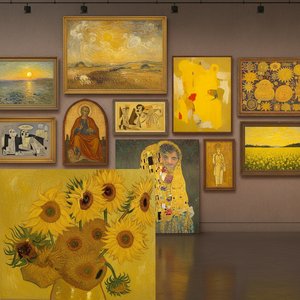
A 'króm sárga' tónusok 10 legikonikusabb mesterműve – Festmények, művészek és inspiráció otthonra
Fedezze fel a 'króm sárga' tónusok 10 leggyönyörűbb festményét! Van Gogh, Monet és más híres művészek remekművei inspiráló történetekkel. Múzeumminőségű reprodukciók otthonra – TopImpressionists.com.
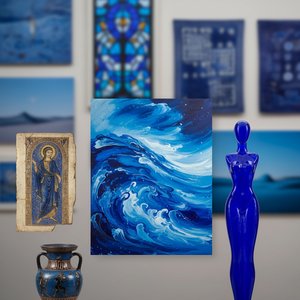
The Allure of Azure: Exploring the Symbolic & Aesthetic Depths of Blue in Art History
Explore the rich history of blue in art! Discover its symbolism, from ancient pigments to modern masterpieces by Kandinsky & Seurat. Uncover the psychological impact and cultural meanings behind this captivating hue.