


 Megtekintés
 Küldés
 Megosztás
 Részletek
 Útmutató

 Letöltés
 Hasonló darabok
 X-ray felvétel
 Diavetítés
 Statisztika
Intimacy
 Conté Crayon
- Post-Impressionist Movement
 1890
1890 43.0 x 50.0 cm
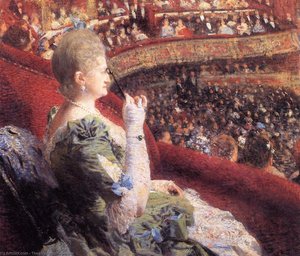
Theo Van Rysselberghe’s ‘Intimacy,’ a captivating 1890 crayon painting, showcases two women in quiet companionship within a Post-Impressionist scene. Explore this serene moment of connection and add a touch of timeless beauty to your collection.
 Összes részlet megjelenítése
Théo van Rysselberghe: A belgian neo-impressionist festő, aki fényekkel és színekkel játszott! Fedezd fel a Les XX csoportot, marokkói hatásait és lenyűgöző portréit. #vanRysselberghe #neoimpresszionizmus
Giclée / Műnyomat
Múzeumi minőségű giclée vagy vászonnyomat, gyors gyártással és rugalmas finomítási lehetőségekkel. ( Kézzel festett másolat rendelése Áttérés digitális képre)




P118B Ft10

P118H Ft10

P118W Ft10

P438Z Ft10

P508JH Ft12

P508YH Ft12

P805H Ft10

P805Z Ft10

P919BZ Ft10

P919G Ft10

P919XJ Ft10

P959ZH Ft10

P968JZ Ft12

W106C Ft8

W218G Ft10

W218JH Ft8

W218Y Ft10

W307PJ Ft10

W316G Ft10

W316PJ Ft8

W316Y Ft10

W398PJ Ft8

W4111J Ft10

W500HY Ft15

W500JH Ft15

W692G Ft12

W849H Ft8

W940BG Ft15

W953PJ Ft8




Standard méret
egyedi méretű
CM
INCH
Válasszon előre meghatározott méreteink közül, amelyek megfelelnek a műalkotás eredeti arányainak.
Loading sizes...

szélesség
magasság
Írja be a keretének vagy a falának megfelelő szélességet és magasságot. A nyomatot csak le lehet vágni, soha nem tehető nagyobbá, mint az eredeti kép, így egy eltérő alakú méretnél a kép egy része elveszik. Mielőtt bármit kinyatintanánk, küldünk egy digitális próbamodellt jóváhagyásra. Az oldalon látható kép nem tartalmazza a valós levágást — ezt csak a próbamodell mutatja meg.
Világszerte történő kiszállítás területére mindössze 2 hét alatt, a szokásos 4-5 hét helyett. (27 október)

Ingyenes globális expressz szállítás

Prémium minőségű len vászon

Teljes körű szállítási biztosítás

Vámvisszatérítési Garancia

Hiteles színarányosság garancia

100 napos visszaküldési lehetőség (csak hibás termékek esetén)

100% pénzvisszatérítési garancia

Több darab vásárlásakor kedvezmény
 Az üvegkeretes opció csak 110 cm alatti méretben érhető el

Intimacy
Giclée / Műnyomat
Reprodukció mérete
-


Összesített ár
Ft 22150
Theo Van Rysselberghe's Intimacy, created in 1890, is a captivating piece that embodies the essence of Post-Impressionism. This crayon painting measures 43 x 50 cm and presents a serene scene of two women engaged in quiet activities within a cozy room.
For those who appreciate the beauty of handmade oil painting reproductions, TopImpressionists offers a range of high-quality pieces that capture the essence of original works like Intimacy.
The Composition
The composition of Intimacy is characterized by its simplicity and elegance. Two chairs are placed on either side of the room, with one woman seated on the left, engrossed in reading a book. Her hand is positioned near her face, suggesting deep concentration or contemplation. The other woman, situated on the right, appears to be observing something else, possibly engaging in conversation or taking in the surroundings. A book lies nearby the woman on the left, reinforcing the idea that she is immersed in reading. The overall atmosphere of the painting exudes a sense of closeness and quiet companionship between the two women as they spend time together in this peaceful setting.Artistic Style
Theo Van Rysselberghe's use of crayon as the medium for Intimacy adds a unique texture and depth to the painting. The Post-Impressionist style is evident in the bold lines, vibrant colors, and the emphasis on capturing the emotional essence of the scene rather than strict realism.Context and Significance
Intimacy reflects the artist's ability to capture moments of everyday life with a sense of intimacy and warmth. This painting is part of a broader movement in art history that sought to break away from traditional techniques and explore new ways of expressing emotions and experiences.Relevance Today
Today, Intimacy can be found at the Musee d'Art Moderne et d'Art Contemporain de Liege (France), a haven for art lovers. This museum is renowned for its collection of modern and contemporary art, providing a rich context in which to appreciate Van Rysselberghe's work. For those interested in exploring more Post-Impressionist works, Vincent Van Gogh's Snow-Covered Cottages and Pine Trees in Front of the Wall of the Asylum are notable examples. These paintings, like Intimacy, capture the essence of everyday life with a unique blend of color and emotion. In conclusion, Intimacy by Theo Van Rysselberghe is a poignant representation of Post-Impressionist art, offering a glimpse into the quiet moments of human connection. Its presence in the Musee d'Art Moderne et d'Art Contemporain de Liege (France) underscores its significance in the broader context of modern and contemporary art.For those who appreciate the beauty of handmade oil painting reproductions, TopImpressionists offers a range of high-quality pieces that capture the essence of original works like Intimacy.
Kérdések és válaszok
„Intimacy”, Théo van Rysselberghe alkotása festmény, rajz vagy grafika?
A „Intimacy”, Théo van Rysselberghe alkotása művészeti alkotás a wall art kategóriába tartozik. Ez a besorolás határozza meg az eredeti alkotás típusát.
„Intimacy”, Théo van Rysselberghe alkotása egy világos vagy egy sötét tónusú alkotás?
A „Intimacy”, Théo van Rysselberghe alkotása fényerősége brilliant, luminanciája pedig Gentle Luminance.
Mekkora a mérete az eredeti „Intimacy”, Théo van Rysselberghe alkotása alkotásnak?
A „Intimacy”, Théo van Rysselberghe alkotása eredeti mérete 43 x 50 cm.
Hasonló műalkotások




A művész életrajza
A Pioneer of Light: The Life and Art of Théo van Rysselberghe
Théophile “Théo” van Rysselberghe, born in Ghent, Belgium, in 1862, stands as a pivotal figure bridging the gap between Impressionism and Neo-Impressionism. His artistic journey wasn’t one of immediate stylistic conformity but rather an evolving exploration fueled by travel, intellectual exchange, and a profound dedication to capturing the essence of light itself. Rooted in a comfortably bourgeois French-speaking family, van Rysselberghe's initial artistic training unfolded at the Ghent Academy under Theo Canneel, followed by rigorous studies at the prestigious Académie Royale des Beaux-Arts in Brussels – institutions that instilled within him a foundational understanding of traditional realism, vividly reflected in early works such as *Self-Portrait with Pipe* (1880). Even within these formative pieces, subtle hints of burgeoning sensitivity to light and color began to emerge, foreshadowing the vibrant, luminous style he would later cultivate. A particularly significant work from this period, *Child in an Open Spot of the Forest* (1880), marked a nascent departure, suggesting a shift towards brighter palettes and looser brushwork—a prelude to his future artistic trajectory.Moroccan Impressions: The Birth of a New Vision
A transformative chapter unfolded during van Rysselberghe’s extended sojourns in Morocco between 1882 and 1888. These prolonged immersions plunged him into a world saturated with intense sunlight, vibrant colors, and exotic landscapes—a stark contrast to the subdued tones of his earlier Belgian work. Paintings like *Arabian Street Cobbler* (1882), *Arabian Boy* (1882), and *Resting Guard* (1883) vividly demonstrate a burgeoning fascination with capturing the effects of light upon form, moving away from strict realism towards a more impressionistic sensibility. This wasn’t merely an act of visual observation; it was a profound cultural immersion that broadened his artistic horizons and instilled in him a lifelong appreciation for travel. The Moroccan experience fundamentally reshaped his perception of color and composition, laying the groundwork for his later innovations. These paintings, imbued with the warmth and intensity of the North African sun, became cornerstones of his evolving style.The Formation of Les XX: A Crucible of Innovation
Returning to Brussels in 1888, van Rysselberghe played a crucial role in establishing *Les XX* (Les Vingt), an influential group of artists and writers dedicated to challenging the conservative norms of the Belgian art establishment. Founded alongside Octave Maus and Émile Verhaeren, *Les XX* represented a radical departure from academic traditions, embracing avant-garde movements like Impressionism and Symbolism. The group’s exhibitions served as vital platforms for showcasing these new trends, introducing them to a Belgian audience largely unfamiliar with such innovations. Van Rysselberghe's involvement in *Les XX* was instrumental in shaping his artistic development, exposing him to the work of leading European artists—including Claude Monet, Pierre-Auguste Renoir, and James McNeill Whistler—and fostering a spirit of experimentation and intellectual exchange. The group’s emphasis on dialogue and collaboration created an environment where artistic boundaries were constantly being pushed and redefined.Embracing Neo-Impressionism: A Scientific Approach to Color
The true turning point in van Rysselberghe's artistic evolution arrived with his encounter with Georges Seurat's *A Sunday on La Grande Jatte* at the eighth Impressionist exhibition in Paris in 1886. Initially skeptical of Seurat’s meticulous “pointillist” technique—the systematic application of tiny dots of pure color—van Rysselberghe gradually came to appreciate its scientific basis and potential for achieving luminous effects. He began experimenting with divisionism, the Neo-Impressionist method of separating colors into their constituent parts and allowing the viewer’s eye to blend them optically. This wasn't simply a technical shift; it represented a fundamental change in his approach to painting—a move towards a more analytical and objective representation of light and color. He forged close friendships with other Neo-Impressionist painters like Paul Signac, traveling with him along the French Riviera and exchanging ideas about technique and theory. Van Rysselberghe distinguished himself within the movement by applying pointillism not only to landscapes but also to portraiture, creating strikingly vibrant and psychologically insightful likenesses of his family and friends—works such as *Madame Charles Maus* (1890) are prime examples.A Lasting Legacy: Beyond Pointillism
While deeply committed to Neo-Impressionism for a significant period, van Rysselberghe eventually moved beyond its strict tenets in the late 1890s. He sought greater freedom in his brushwork and compositions, exploring new ways to express emotion and atmosphere. He continued to be a prolific artist, working in various media including furniture design, book illustration, and decorative arts. His influence extended far beyond Belgium, impacting artists like Piet Mondrian and Jan Toorop who were inspired by his innovative use of color and light. Van Rysselberghe’s legacy lies not only in his beautiful paintings but also in his role as a catalyst for artistic change—a champion of modernism who helped introduce new ideas and techniques to the Belgian art world. His works are now held in prominent museum collections worldwide, including the Musée du Luxembourg in Paris and the Museum voor Schone Kunsten in Ghent, ensuring that his contribution to the history of art continues to be celebrated and appreciated by generations to come. His dedication to exploring the interplay of light, color, and form cemented his place as a true pioneer of modern painting.
Théo van Rysselberghe
1862 - 1926 , Belgium
Rövid információk
- Artistic Movement Or Style: Neo-Impressionista
- Artists Or Movements Influenced By This Artist:
- Mondrian
- Toorop
- Artists Who Influenced This Artist:
- Portaels
- Seurat
- Signac
- Date Of Birth: 1862. nov. 23.
- Date Of Death: 1926. dec. 14.
- Full Name: Théophile van Rysselberghe
- Nationality: Belgiumi
- Notable Artworks:
- Arabian Phantasia
- Sevillan Nő
- A szülőhazai gyermek
- Place Of Birth: Ghent, Belgium
Kapcsolódó cikkek

The Magic of Giclée: Bringing Impressionist Masterpieces to Your Walls with Vivid Detail
Discover the breathtaking beauty of Impressionist masterpieces with our museum-quality Giclée prints. Experience vivid detail, archival pigments, and the luminous light of Monet and Van Gogh, expertly preserved to bring timeless elegance and sophisticated artistry into your home.

Capturing Emotion: A Journey Through the Soul of Expressionist Landscapes
Explore the profound emotional depth of Expressionist landscapes. Discover how Post-Impressionist masters moved beyond light to capture the soul through vibrant color and form. A curated journey for true art lovers seeking the beauty of expressive mastery.
Fedezze fel a műalkotásokat témák, stílusok és jellemzők szerint csoportosítva.

