


 Megtekintés
 Küldés
 Megosztás
 Részletek
 Útmutató

 Letöltés
 Hasonló darabok
 X-ray felvétel
 Diavetítés
 Statisztika
A Summer Night 1


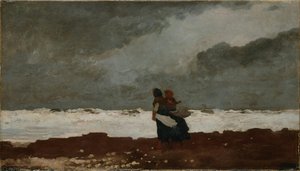
Winslow Homer’s "A Summer Night 1" captures a dreamy Route 66 scene with luminous moonlight & evocative brushstrokes. Explore this Impressionistic masterpiece of movement, light, and American art.
 Összes részlet megjelenítése
Winslow Homer (1836-1910): Amerikai realista festőművész, aki tengeri tájakat, amerikai életképeket és a természeti erő ábrázolásával vált híressé. Fedezze fel műveit!
Giclée / Műnyomat
Múzeumi minőségű giclée vagy vászonnyomat, gyors gyártással és rugalmas finomítási lehetőségekkel. ( Kézzel festett másolat rendelése Áttérés digitális képre)




P118B Ft10

P118H Ft10

P118W Ft10

P438Z Ft10

P508JH Ft12

P508YH Ft12

P805H Ft10

P805Z Ft10

P919BZ Ft10

P919G Ft10

P919XJ Ft10

P959ZH Ft10

P968JZ Ft12

W106C Ft8

W218G Ft10

W218JH Ft8

W218Y Ft10

W307PJ Ft10

W316G Ft10

W316PJ Ft8

W316Y Ft10

W398PJ Ft8

W4111J Ft10

W500HY Ft15

W500JH Ft15

W692G Ft12

W849H Ft8

W940BG Ft15

W953PJ Ft8




Standard méret
egyedi méretű
CM
INCH
Válasszon előre meghatározott méreteink közül, amelyek megfelelnek a műalkotás eredeti arányainak.
Loading sizes...

szélesség
magasság
Írja be a keretének vagy a falának megfelelő szélességet és magasságot. A nyomatot csak le lehet vágni, soha nem tehető nagyobbá, mint az eredeti kép, így egy eltérő alakú méretnél a kép egy része elveszik. Mielőtt bármit kinyatintanánk, küldünk egy digitális próbamodellt jóváhagyásra. Az oldalon látható kép nem tartalmazza a valós levágást — ezt csak a próbamodell mutatja meg.
Világszerte történő kiszállítás területére mindössze 2 hét alatt, a szokásos 4-5 hét helyett. (27 október)

Ingyenes globális expressz szállítás

Prémium minőségű len vászon

Teljes körű szállítási biztosítás

Vámvisszatérítési Garancia

Hiteles színarányosság garancia

100 napos visszaküldési lehetőség (csak hibás termékek esetén)

100% pénzvisszatérítési garancia

Több darab vásárlásakor kedvezmény
 Az üvegkeretes opció csak 110 cm alatti méretben érhető el

A Summer Night 1
Giclée / Műnyomat
Reprodukció mérete
-


Összesített ár
Ft 22276
Winslow Homer’s “A Summer Night”: A Dreamscape of Light and Movement
Winslow Homer's "A Summer Night 1," painted in 1890, isn’t merely a depiction of a seaside scene; it’s an immersive experience—a shimmering portal into a world where light dances on water and human figures dissolve into the vastness of the night. This evocative work, housed today within the Musée d'Orsay in Paris, stands as a pivotal moment in American art, bridging the gap between the realism of his early career and the burgeoning Symbolism that would soon define much of European painting. Homer, born in Boston in 1836, deliberately eschewed the rigid academic training prevalent at the time, instead forging his own path through observation and an acute understanding of light and atmosphere—qualities he honed initially as a commercial illustrator for Harper’s Weekly.
The scene unfolds along a gently receding shoreline, dominated by deep blues and blacks that suggest both the mystery and the tranquility of a summer night. Homer masterfully employs loose brushstrokes, creating a textured surface that seems to ripple with movement—a subtle but insistent current pulling the viewer into the heart of the painting. The figures, rendered in muted tones and often partially obscured by shadow, are not sharply defined individuals but rather suggestions of humanity engaged in activity: running towards the viewer, standing as observers, lost in contemplation. This deliberate ambiguity invites interpretation, allowing each viewer to project their own emotions and experiences onto the scene.
Impressionistic Techniques & The Language of Light
Homer’s technique is a fascinating blend of Impressionism and Realism. He captures the fleeting effects of light with an almost Monet-esque sensitivity, layering paint in thin washes to create luminous highlights on the water and a hazy glow around the figures. Yet, unlike pure Impressionists, Homer retains a grounding in observation—the composition feels carefully considered, not simply a spontaneous recording of visual sensations. The impasto technique – applying thick layers of paint directly to the canvas – adds another layer of texture and dynamism, particularly noticeable in the waves and the suggestion of movement across the water. This tactile quality further enhances the sense of immersion within the painting.
The color palette is restrained but powerfully effective. The dominant blues and blacks are punctuated by flashes of white light reflecting off the water, creating a dramatic contrast that draws the eye and establishes a strong sense of depth. Homer’s use of complementary colors—particularly the juxtaposition of blue and orange – intensifies these effects, adding to the painting's overall vibrancy. He doesn’t simply paint what he *sees*; he paints how it *feels* to see it at night.
Symbolism & The American Spirit
“A Summer Night” is rich in symbolic meaning, reflecting Homer’s broader exploration of the American experience. The scene evokes themes of movement, emotion, and a fleeting moment captured in time—a quintessential Romantic subject matter. The figures running towards the viewer suggest an urgency, a desire for connection or perhaps simply a joyful embrace of life's momentum. The painting can be interpreted as a meditation on the relationship between humanity and nature, capturing a sense of both wonder and vulnerability.
Interestingly, Homer’s work was influenced by his time in Paris, where he encountered Impressionist techniques and Symbolist ideas. However, he skillfully integrated these influences into his own distinct style, creating a uniquely American vision—one that celebrates the beauty and drama of the natural world while simultaneously exploring the complexities of human emotion. The painting's title itself – “A Summer Night” – hints at this duality, suggesting both the idyllic pleasures of summer and the underlying mysteries of the night.
A Timeless Masterpiece for Interior Design & Art Collectors
“A Summer Night” remains a powerfully resonant work of art, offering a glimpse into a bygone era while simultaneously speaking to universal themes. Its evocative imagery and masterful technique make it an ideal choice for interior design—its luminous quality and sense of movement would bring a touch of drama and tranquility to any space. For art collectors, this painting represents a pivotal moment in American art history, showcasing Homer’s exceptional talent and his ability to capture the essence of a fleeting moment with breathtaking beauty. Reproductions, skillfully crafted by TopImpressionists.com, offer an accessible way to experience the magic of this iconic masterpiece.
Kérdések és válaszok
Milyen színtelítettséggel rendelkezik „A Summer Night 1”, Winslow Homer alkotása?
A „A Summer Night 1”, Winslow Homer alkotása alkotás Muted telítettségű színekkel készült.
Melyik történelmi korszakból származik a „A Summer Night 1”, Winslow Homer alkotása?
„A Summer Night 1”, Winslow Homer alkotása történelmi korszaka a Modern. Ez a klasszifikáció meghatározza a mű helyét a művészettörténetben.
Hol vásárolhatok egy nyomtatványt a(z) „A Summer Night 1”, Winslow Homer alkotása alkotásból?
A „A Summer Night 1”, Winslow Homer alkotása nyomtatott példányát egyszerűen megrendelheti a következő oldalon: minőségi giclée nyomat pamutvászonon vagy archiváló vászonpapíron, a Művészeti nyomtatvány kautta.
Hasonló műalkotások



A művész életrajza
A Brush with the American Spirit: The Life and Art of Winslow Homer
Winslow Homer, born in Boston in 1836, wasn’t sculpted by the traditional European art academies that shaped so many of his contemporaries. Instead, he emerged from a distinctly American experience, one rooted in practicality and observation. His journey began not with grand historical canvases, but as a commercial illustrator at the tender age of twelve for Harper's Weekly. This early apprenticeship was formative, honing an exceptional ability to capture scenes with clarity and detail – skills that would become hallmarks of his mature work. He wasn’t learning perspective in Paris; he was learning to *see* America, its people, and its unfolding story. The bustling streets of Boston, the quiet dignity of rural New England life, these were his first subjects, rendered with a precision born of necessity for the demands of print media. This foundation allowed him to transition into painting, initially in watercolor, before fully embracing the expressive potential of oil paints.Early Life and Artistic Beginnings
Homer’s childhood was marked by a close relationship between his parents—Charles Savage Homer, a merchant with restless ambitions, and Henrietta Maria Benson Homer, a gifted amateur watercolorist who instilled in him a lifelong appreciation for artistic observation. His father's entrepreneurial spirit propelled him to seek fortune abroad, leaving young Winslow largely under his mother’s tutelage. From Cambridge, Massachusetts, where he attended school, Homer developed an early fascination with drawing and sketching—skills that would prove invaluable throughout his career. He began honing his craft by copying the works of established artists, gaining experience in mastering technique and capturing visual impressions. This formative period instilled in him a disciplined approach to artmaking that would characterize his later work. His mother’s encouragement fostered his artistic talent and nurtured his innate sensitivity to beauty—traits that would become integral to Homer's distinctive style.The Civil War Years: Witnessing History Through Art
The American Civil War profoundly impacted Homer’s artistic vision, transforming him from a painter of idyllic landscapes into a chronicler of the brutal realities of conflict. As a war correspondent for Harper’s Weekly, he documented the daily lives of soldiers and civilians—not grand battles or strategic maneuvers—but rather the quiet moments of grief, resilience, and human suffering amidst chaos. This experience instilled in him an unwavering commitment to portraying truthfulness and empathy—values that would permeate his paintings throughout his life. Homer eschewed romanticized depictions of heroism, focusing instead on capturing the psychological impact of war on ordinary people. His sketches for Harper’s Weekly are considered singular examples of wartime reporting, demonstrating his remarkable ability to convey emotion through visual imagery. The Civil War served as a catalyst for Homer's artistic evolution, prompting him to explore themes of trauma and vulnerability—themes that would become central to his oeuvre.A Master of Watercolor and Oil: Exploring Diverse Techniques
Homer’s artistic versatility extended beyond watercolor; he excelled in oil painting, achieving remarkable textural depth and luminosity through a technique rooted in direct observation from nature. He embraced the expressive potential of oil paints while retaining the fluidity and spontaneity characteristic of watercolor—a duality that defined his distinctive style. Homer's studio was located primarily in New York City, yet he frequently traveled to Pennsylvania, the Catskills, and Gloucester, Maine, drawing inspiration from these varied landscapes. These excursions fueled his creativity and informed his artistic vision, resulting in paintings that captured both grandeur and intimacy. He meticulously built up layers of paint—often applying them with a palette knife—creating surfaces rich in texture and color—a technique that distinguishes Homer’s work from many of his contemporaries. His masterful handling of light—particularly the dramatic effects achieved during Maine summers—became a hallmark of his artistic style.Legacy: An Icon of American Realism
Winslow Homer stands as one of America's most celebrated painters, recognized for his unflinching portrayal of the human condition and his profound engagement with the natural world. His paintings—particularly *The Gulf Stream*, *Breezing Up (A Fair Wind)*, and *Innocence*—remain enduring symbols of American artistic achievement. Homer’s influence extended beyond his own time, inspiring subsequent generations of artists who sought to capture the spirit of their nation with similar honesty and conviction. He rejected academic conventions in favor of a direct painting approach—a stylistic choice that cemented his place as a pioneer of American Realism. His legacy is defined by his ability to convey emotion through visual imagery—to communicate profound truths about human experience without resorting to sentimentality or embellishment. Homer’s enduring appeal lies in his unwavering commitment to portraying the beauty and complexity of America—a commitment that continues to resonate with audiences today. He remains a pivotal figure in the history of American art, ensuring his place as one of its most influential voices.
Winslow Homer
1836 - 1910 , Egyesült Államok
Rövid információk
- Artistic Movement Or Style: Amerikai Realizmus
- Artists Or Movements Influenced By This Artist: ['Amerikai festők']
- Artists Who Influenced This Artist:
- Barbizon Schule
- Courbet
- Millet
- Date Of Birth: Feb 24, 1836
- Date Of Death: Sept 29, 1910
- Full Name: Winslow Homer
- Nationality: Amerikai
- Notable Artworks:
- Breezing Up
- A Szántóföldi Gyűjtő
- A Gulf Stream
- Place Of Birth: Boston, USA
Kapcsolódó cikkek

Celestial Dreams: Capturing the Cosmic Magic and Emotional Depth of Impressionist Nightscapes
Explore the ethereal beauty of Impressionist nightscapes. From Van Gogh's swirling stars to luminous river scenes, discover how masters captured cosmic magic through light and emotion. Perfect for art lovers seeking deep cultural connection and timeless inspiration.

The Beauty of Impermanence: Capturing Decay through Impressionist Eyes
Explore the profound beauty of impermanence through Impressionist and Post-Impressionist eyes. Discover how masters like Monet and Van Gogh captured fleeting light and the poetic essence of nature's transitions in our deep dive into art history and emotional landscapes.

Modern Soul, Timeless Light: Bringing the Magic of Impressionist Masterpieces into Contemporary Interiors
Discover how to infuse contemporary spaces with the luminous magic of Impressionism. From Monet's light to Renoir's warmth, learn expert tips for styling hand-painted masterpieces and custom art reproductions in your modern home.

The Art of Connection: Capturing Beautiful Gatherings through Impressionist Masterpieces
Explore the profound beauty of human connection through Impressionist and Post-Impressionist masterpieces. Discover how masters like Renoir and Van Gogh captured light, emotion, and communal joy in timeless works of art designed to inspire your home.

Capturing the Soul: The Most Emotionally Moving Impressionist and Post-Impressionist Masterpieces
Discover the profound emotional depth of Impressionist and Post-Impressionist masterpieces. Explore how legends like Monet, Van Gogh, and Gauguin captured light and soul through evocative landscapes and vibrant brushwork for a timeless connection to art history.
Fedezze fel a műalkotásokat témák, stílusok és jellemzők szerint csoportosítva.


