

Rappresentato: · Comprese le dimensioni della cornice:
 Anteprima in scala reale
 Invia
Invia Condividi
 Dettagli opera
 Guida
Guida

 Scarica
 Simili
 Radiografia
 Slideshow
 Domande e risposte
 Statistiche


€ 240
Riproduzione a olio fatta a mano
Olio su tela dipinto a mano nelle tue dimensioni e con la tua cornice, realizzato su ordinazione dai nostri artisti. ( Passa alle stampe Passa all'immagine digitale)
Dimensioni
·Formato standard
su misura
CM
INCH
Scegli tra le nostre dimensioni predefinite, che rispettano le proporzioni originali dell'opera d'arte.
Caricamento dimensioni...

larghezza
altezza
Inserisci la larghezza e l'altezza desiderate, per adattarle alla tua cornice o alla tua parete. Trattandosi di un'opera dipinta a mano, in caso di dimensioni con un formato differente, l'artista può estendere leggermente il dipinto oltre i bordi dell'immagine o ritagliare una piccola parte — la scelta spetta a te. Ti invieremo un mockup digitale da approvare prima che la realizzazione abbia inizio. L'immagine mostrata in questa pagina non rappresenta il risultato finale — solo il mockup lo fa.
 Scopri di più
Finitura
·
Bianco €1

Bordi sfumati €1

Bordi estesi €1

P118B €10

P118H €10

P118W €10

P438Z €10

P508JH €12

P508YH €12

P805H €10

P805Z €10

P919BZ €10

P919G €10

P919XJ €10

P959ZH €10

P968JZ €12

W106C €8

W218G €10

W218JH €8

W218Y €10

W307PJ €10

W316G €10

W316PJ €8

W316Y €10

W398PJ €8

W4111J €10

W500HY €15

W500JH €15

W692G €12

W849H €8

W940BG €15

W953PJ €8

H24-GOLD €30

H24-SILVER €30

H36-GOLD €45

H36-SILVER €45
Spedito in un tubo protettivo, pronto per essere incorniciato dal tuo artigiano di fiducia.
Servizi extra
opzionaleCosa includono gli extra?
Esempi di ciò che può essere modificato: Sostituire il volto con la foto del cliente; Aggiungere un animale domestico (ad es. sostituire il gatto con un cane); Inserire un messaggio nascosto nello sfondo; Cambiare il paesaggio o gli elementi dello sfondo.
Dopo l'ordine, il team di TopImpressionists.com invierà un'e-mail al cliente per le istruzioni e fornirà un'anteprima del mockup
Dopo l'ordine, il team di TopImpressionists.com invierà un'e-mail al cliente per le istruzioni e fornirà un'anteprima del mockup
Consegna in tutto il mondo () in 3/4 settimane anziché nelle normali 5 settimane. (4 Novembre). Nessun compromesso sulla qualità.
Vernice protettiva
Didascalia
Dettagli della targhetta in bronzo inciso
This elegant plaque features the artist's name and the title of the artwork, finely engraved for a timeless presentation.
It is made from bronze with a refined, elegant finish. The text is precisely laser-engraved for a sharp and permanent result. Measuring 9x2 cm, the plaque is compact yet easy to read. It's built to be durable and scratch-resistant, offering a professional, museum-quality look. Mounting is simple thanks to the included adhesive backing.
Dettagli della targhetta in acrilico trasparente
The plaque includes essential engraved details such as the artist's name, the title of the artwork, the date it was created, the type of media used-like oil on canvas or watercolor-a brief description of the piece, and a QR code that links to the complete artwork information.
It is crafted from clear acrylic, offering a sleek, modern appearance. The text is UV-engraved in black to ensure strong visual contrast. With a size of 10x15 cm, it ensures optimal readability. It comes equipped with two metal hooks for secure wall mounting. The plaque is designed to be weather-resistant, making it suitable for various environments, and it includes interactive features that work seamlessly with smartphone scanning.
Dettagli della targhetta in acrilico nero
This elegant plaque includes engraved information such as the artist's name, the title of the artwork, the date it was created, the type of media used (like oil on canvas or watercolor), a short description of the artwork, and a QR code for quick access to more information.
The plaque itself is made from refined black acrylic with a premium finish. The text is laser-engraved in white for high contrast and readability. Its size is 10x15 cm, designed to be easy to read. It comes with two metal hooks for professional mounting. The design is sleek and fits any interior style. It is also weather-resistant and durable, with built-in digital integration for mobile compatibility.
L'opzione vetro è disponibile solo per dimensioni inferiori a 110 cm
 L'opzione vetro è disponibile solo per dimensioni inferiori a 110 cm
- Spedizione espressa gratuita in tutto il mondo
- Tela in lino di alta qualità
- Assicurazione completa sulla spedizione
- Garanzia di rimborso dei dazi doganali
- Garanzia di fedeltà cromatica assoluta
- Politica di reso entro 100 giorni (solo per difetti di fabbricazione)
- Garanzia di rimborso al 100%
- Offerta per acquisti multipli


Descrizione del reperto
Il monumentale ‘L'Ilaria di Cristo’ di Alexandre Cabanel (1845) cattura un momento di umiliazione divina con realismo e velature luminose. Esplora questo capolavoro iconico e porta la sua bellezza senza tempo nella tua casa.
Biografia dell'artista
Scopri Alexandre Cabanel (1823-1889), un maestro della pittura francese accademica rinomata per opere classiche e storiche come 'La nascita di Venere'. Esplora ritratti, scene religiose e la sua influenza duratura nel panorama artistico del XIX secolo.
Informazioni sul dipinto
The Mocking of Christ: A Masterpiece of Academic Realism
Alexandre Cabanel’s “The Mocking of Christ,” completed in 1845, stands as an enduring testament to the Beaux-Arts style—a movement dedicated to meticulous observation and idealized representation rooted in classical tradition. Currently residing at the École Nationale Supérieure des Beaux-Arts in Paris, this monumental oil painting transcends mere depiction; it’s a profound meditation on faith, suffering, and divine humiliation.
Subject Matter and Narrative
The artwork portrays Jesus Christ being subjected to mockery by Roman soldiers following his crucifixion. Cabanel skillfully captures the palpable tension of the scene—the vulnerability of Christ contrasted against the arrogance of those who deny him divinity. The composition is carefully orchestrated, guiding the viewer’s gaze across the figures, emphasizing the dramatic interplay between compassion and defiance.
Style and Technique: Academic Precision
Cabanel adhered rigorously to the Beaux-Arts aesthetic—characterized by idealized forms, precise anatomical detail, and a luminous palette achieved through glazing techniques. He employed oil paints on canvas with painstaking accuracy, layering thin glazes of color to create depth and vibrancy while maintaining an unwavering commitment to realism. The artist’s meticulous attention to texture—particularly evident in the folds of Christ’s tunic and the rough surfaces of the soldiers’ garments—further enhances the painting's immersive quality.
Historical Context: Romanticism's Legacy
“The Mocking of Christ” emerged during a period marked by significant artistic upheaval—the waning influence of Romanticism alongside the resurgence of classical ideals. Cabanel sought to honor the legacy of David and Michelangelo, channeling their sculptural prowess into a painterly masterpiece. The painting reflects the broader intellectual currents of its time, grappling with questions of morality, faith, and humanity’s relationship with God.
Symbolism and Emotional Impact
Beyond its technical brilliance, “The Mocking of Christ” resonates deeply on an emotional level. Cabanel's portrayal of Jesus embodies humility and acceptance in the face of persecution—a powerful symbol of Christian virtue. The painting’s subdued palette—dominated by earthy tones punctuated by flashes of crimson—contributes to its solemn atmosphere, inviting contemplation and fostering a sense of empathy for Christ’s suffering.
Handmade Oil Paintings Reproductions Available
Experience the grandeur of Cabanel's vision through high-quality reproductions offered at TopImpressionists.com. Own a piece of art history—a testament to artistic skill and enduring spiritual significance.
Domande e risposte
Quale armonia cromatica esprime "L'Ilaria di Cristo" di Alexandre Cabanel?
"L'Ilaria di Cristo" di Alexandre Cabanel presenta un'armonia cromatica Tavolozza dai toni sfumati.
Quale emozione trasmette l'opera del Realismo Accademico "L'Ilaria di Cristo"?
"L'Ilaria di Cristo" trasmette un tono emotivo Drammatico all'interno del movimento Realismo Accademico.
Con quale tecnica è realizzato "L'Ilaria di Cristo"?
Alexandre Cabanel ha utilizzato la tecnica del Olio su tela per "L'Ilaria di Cristo". La tecnica definisce la natura materica dell'opera originale.
Brevi curiosità e quiz sull'arte
Informazioni su Alexandre Cabanel

Alexandre Cabanel
1823 - 1889, Francia
Biografia dell'artista
Primi anni di vita e formazione
Alexandre Cabanel, noto pittore francese, nacque il 28 settembre 1823 a Montpellier, Hérault. All'età di diciassette anni, entrò all'École des Beaux-Arts di Parigi, dove studiò sotto la guida di François-Édouard Picot.Stile artistico e opere notevoli
Lo stile artistico di Cabanel fu caratterizzato dalla sua adesione allo stile accademico, concentrandosi su soggetti storici, classici e religiosi. Era anche un abile ritrattista. Tra le sue opere più significative si annoverano:- Ophelia (1883), un capolavoro che mette in mostra la sua capacità di catturare l'essenza di una scena.
- La nascita di Venere (1863), un esempio primario della pittura accademica del XIX secolo, acquistata dall'imperatore Napoleone III.
- Ritratto della contessa E. A. Vorontsova Dashkova, che dimostra la sua abilità nel catturare l'essenza dei suoi soggetti.
- L'angelo caduto (1847), un’opera che esplora temi di redenzione e peccato con una maestria tecnica notevole.
- Fedra (1880), un dipinto che incarna la tragedia greca con una rappresentazione intensa e drammatica.
Premi e riconoscimenti
Il lavoro di Cabanel fu ampiamente riconosciuto e vinse numerosi premi, tra cui:- La borsa di studio Prix de Rome nel 1845.
- La medaglia d'onore ai Saloni del 1865, 1867 e 1878.
Insegnamento ed eredità
Cabanel fu nominato professore all'École des Beaux-Arts nel 1864, dove insegnò fino alla sua morte. I suoi studenti includevano numerosi artisti di successo, assicurando la sua eredità nel mondo dell'arte. La sua influenza si estese oltre i suoi studenti diretti, contribuendo a plasmare il gusto artistico del suo tempo e influenzando generazioni successive di pittori accademici. La sua aderenza ai principi classici e la sua abilità tecnica lo resero una figura centrale nel panorama artistico francese del XIX secolo. Ulteriori informazioni:- Esplora le opere di Cabanel su TopImpressionists: https://TopImpressionists.com/@/alexandre-cabanel
- Visita il Musée Fabre, dove molte delle opere di Cabanel sono esposte: https://TopImpressionists.com/@@/a@d3apl9-discover-the-musee-fabre-of-montpellier-france
- Approfondisci il movimento artistico francese accademico: https://TopImpressionists.com/@@/a@d3cqq9-the-french-academic-art-movement
Informazioni rapide su Alexandre Cabanel
- Artisti Influenti: ['François-Édouard Picot']
- Data Di Morte: 23 gennaio 1889
- Data Di Nascita: 28 settembre 1823
- Luogo Di Nascita: Montpellier, Francia
- Movimento Artistico: Academicismo
- Nazionalità: Francese
- Nome Completo: Alexandre Cabanel
- Opere Notevoli:
- Ofelia (1883)
- Nascita di Venere (1863)
Esplora le opere d'arte organizzate per temi, stili e caratteristiche.


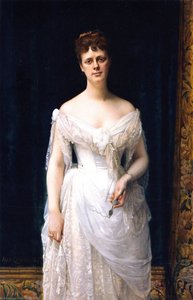




Alexandre Cabanel
L'Ilaria di Cristo
() ·
Comprese le dimensioni della cornice: · Dipinto a mano con olio su tela di lino
Totale