Anteprima in scala reale
 Condividi
 Condividi
 Dettagli
 Guida stampabile

 Scarica
 Articoli simili
 Radiografia
 Slideshow
 Statistiche
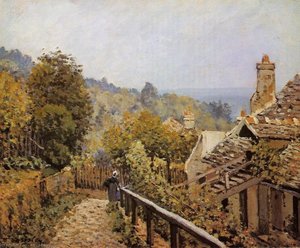
A Normandy Farm
 Oil On Canvas
- WallArt
- Impressionist Landscape
 1874
1874 127.0 x 152.0 cm
 Manchester Art Gallery
Discover 'A Normandy Farm' by Alfred Sisley – an exquisite Impressionist landscape capturing serene rural France with soft brushstrokes and vibrant light. A timeless masterpiece.
 Leggi tutto
Sisley (1839-1899): Maestro impressionista francese! Scopri paesaggi sereni, la luce vibrante e le delicate tonalità che rendono uniche le sue opere.
Riproduzione a olio fatta a mano
Olio su tela dipinto a mano nelle tue dimensioni e con la tua cornice, realizzato su ordinazione dai nostri artisti. ( Passa alle stampe Passa all'immagine digitale)




P118B €10

P118H €10

P118W €10

P438Z €10

P508JH €12

P508YH €12

P805H €10

P805Z €10

P919BZ €10

P919G €10

P919XJ €10

P959ZH €10

P968JZ €12

W106C €8

W218G €10

W218JH €8

W218Y €10

W307PJ €10

W316G €10

W316PJ €8

W316Y €10

W398PJ €8

W4111J €10

W500HY €15

W500JH €15

W692G €12

W849H €8

W940BG €15

W953PJ €8




Standard
personalizzato
CM
INCH
Scegli tra le nostre dimensioni predefinite, che rispettano le proporzioni originali dell'opera d'arte.
Loading sizes...

larghezza
altezza
Inserisci la larghezza e l'altezza di cui hai bisogno, per adattarle alla tua cornice o alla tua parete. Trattandosi di un'opera dipinta a mano, in caso di dimensioni con una forma differente, l'artista può dipingere un po' più oltre i bordi dell'immagine o ritagliare leggermente — la scelta spetta a te. Ti invieremo un mockup digitale da approvare prima che la pittura abbia inizio. L'immagine mostrata in questa pagina non rappresenta il risultato reale — solo il mockup lo fa.
Esempi di personalizzazione: sostituire il volto con una foto del cliente; aggiungere un animale domestico (ad esempio, sostituire un gatto con un cane); inserire un messaggio nascosto nello sfondo; cambiare il paesaggio o gli elementi dello sfondo.
Dopo l'ordine, il team di TopImpressionists.com contatterà il cliente via e-mail per ricevere le istruzioni e fornirà un'anteprima del mockup
Dopo l'ordine, il team di TopImpressionists.com contatterà il cliente via e-mail per ricevere le istruzioni e fornirà un'anteprima del mockup
Consegna in tutto il mondo () in 3/4 settimane anziché nelle normali 5 settimane. (24 Ottobre). Nessun compromesso sulla qualità.

Spedizione espressa gratuita in tutto il mondo

Tela in lino di alta qualità

Assicurazione completa sulla spedizione

Garanzia di rimborso dei dazi doganali

Garanzia di perfetta fedeltà cromatica

Politica di reso entro 100 giorni (solo per difetti di fabbricazione)

Garanzia di rimborso al 100%

Sconto per acquisti multipli
 L'opzione vetro è disponibile solo per dimensioni inferiori a 110 cm

A Normandy Farm
Tecnica di riproduzione
Dimensioni della riproduzione
-


Prezzo totale
€ 236
A Normandy Farm: A Serene Echo of Impressionist Light
Alfred Sisley’s “A Normandy Farm,” painted in 1874, isn't merely a depiction of a rural scene; it’s an immersion into the very essence of Impressionism – a fleeting moment captured on canvas, imbued with light, atmosphere, and a profound sense of tranquility. This oil-on-canvas masterpiece, currently residing within the Manchester Art Gallery, transports us to the rolling hills and sun-drenched fields of Normandy, offering a glimpse into a world where nature reigns supreme and the simple rhythms of rural life are celebrated.
Sisley, born in Paris to British parents but largely devoted to his artistic life in France, was a key figure within the Impressionist movement. Unlike the rigid academic traditions of the time, he sought to capture not just the *appearance* of a subject, but its *impression* – the way light and color interact at a specific moment. This is powerfully evident in “A Normandy Farm,” where the artist masterfully utilizes broken brushstrokes and a delicate palette to evoke the warmth of the afternoon sun filtering through the trees.
Composition and Technique: A Dance of Light
Measuring 127 x 152 cm, the painting unfolds with an almost effortless grace. The composition is anchored by the modest farm buildings nestled amongst a cluster of ancient trees – their branches reaching skyward like skeletal fingers, hinting at the approaching autumn. A scattering of cows, rendered in soft, hazy tones, graze peacefully in the foreground, while two horses stand patiently near the barn, adding to the sense of quiet industry and rural harmony. Sisley’s technique is characterized by his signature *en plein air* approach – painting directly from nature. This commitment to observation results in a remarkable sensitivity to light, which he captures with an almost ethereal quality.
Notice how he employs short, feathery brushstrokes, layering color upon color to create the illusion of depth and atmosphere. The trees aren’t sharply defined; instead, they dissolve into a wash of greens and blues, blending seamlessly with the sky. The light itself seems to shimmer and dance across the canvas, creating an ever-changing visual experience for the viewer. This deliberate blurring of form is a hallmark of Impressionism – a rejection of traditional realism in favor of capturing the subjective perception of reality.
Historical Context: The Rise of Impressionism
“A Normandy Farm” was painted during a period of significant artistic transformation in France. Following the Franco-Prussian War, artists sought to break free from the constraints of academic painting and explore new ways of representing the world around them. Impressionism emerged as a direct response to this desire for innovation, challenging established conventions and embracing spontaneity, color, and light. Artists like Monet, Renoir, and Sisley gathered in groups, sharing ideas and experimenting with new techniques – often painting outdoors (*en plein air*) to better capture the fleeting effects of natural light.
Normandy itself held a special significance for Sisley. He spent considerable time in the region, drawn by its picturesque landscapes and the opportunity to immerse himself in the rhythms of rural life. The subject matter of his paintings – fields, rivers, trees, and farmhouses – reflected this deep connection to the land.
Symbolism and Emotional Impact: A Moment of Peace
Beyond its technical brilliance, “A Normandy Farm” resonates with a profound sense of peace and tranquility. The scene evokes a feeling of timelessness, suggesting that life unfolds at a slower pace in the countryside. The muted colors and soft light create an atmosphere of serenity, inviting the viewer to step into the painting and experience a moment of respite from the stresses of modern life.
The farm itself can be interpreted as a symbol of simplicity, resilience, and connection to nature – values that were increasingly valued during the 19th century. Sisley’s ability to capture these subtle yet powerful emotions is what elevates “A Normandy Farm” from a mere landscape painting to a timeless work of art.
Reproductions: Bringing Normandy Home
For those seeking to bring the serenity of rural France into their own homes, handmade oil painting reproductions of “A Normandy Farm” are available on TopImpressionists. These meticulously crafted replicas capture the essence of Sisley’s original masterpiece, offering a beautiful and authentic way to experience this iconic work of Impressionist art.
Domande e risposte
"A Normandy Farm" è disponibile come stampa d'arte?
È possibile ordinare una stampa di "A Normandy Farm" di Alfred Sisley direttamente sulla sua pagina Stampa Fine Art: una stampa fine art su tela di cotone o carta canvas d'archivio.
Quale ambiente si abbina ai colori di "A Normandy Farm" di Alfred Sisley?
Con la sua palette Earthy, "A Normandy Farm" di Alfred Sisley è consigliato per un/una Living Room. I colori sono uno dei motivi di questo suggerimento.
In quale stanza si consiglia di esporre "A Normandy Farm" di Alfred Sisley?
Una riproduzione di "A Normandy Farm" si adatta perfettamente a un/una Living Room.
Opere correlate


Biografia dell'artista
Alfred Sisley: Una Vita Dedicata all'Impressionismo
Primi Anni e Formazione
- Nato a Parigi il 30 ottobre 1839, Alfred Sisley era figlio di William Sisley, un mercante di seta, e Felicia Sell, una raffinata intenditrice di musica.
- Nel 1857, all'età di 18 anni, si trasferì a Londra per intraprendere una carriera nel mondo degli affari ma presto abbandonò questo percorso.
- Tornò a Parigi nel 1861 e iniziò la sua formazione artistica nel 1862 sotto il maestro svizzero Marc-Charles-Gabriel Gleyre all'École des Beaux-Arts.
- Fu qui che si legò di amicizia con altri artisti come Frédéric Bazille, Claude Monet e Pierre-Auguste Renoir, formando relazioni cruciali che avrebbero plasmato il suo percorso artistico.
Sviluppo Artistico e Stile
- Sisley si dedicò alla pittura di paesaggi *en plein air* – all'aperto, osservando direttamente la natura.
- I suoi primi lavori furono inizialmente respinti dal jury del Salon, ma perseverò, spinto dalla sua passione per catturare fuggenti momenti di luce e atmosfera.
- Si concentrò costantemente sulla pittura di paesaggi durante tutta la sua carriera, a differenza di alcuni Impressionisti che esplorarono altri generi.
- Lo stile di Sisley è caratterizzato da tranquillità, delicate palette cromatiche – spesso sfumature chiare di verde, rosa, viola, blu polveroso e crema – e un sottile rendering degli effetti della luce.
Temi Chiave e Opere Notabili
- I paesaggi fluviali furono un tema ricorrente nel lavoro di Sisley. Creò una serie di dipinti del Tamigi durante un viaggio in Inghilterra nel 1874, producendo quasi venti opere nei pressi di Molesey.
- Dipinse frequentemente scene intorno a Moret-sur-Loing, dove visse per molti anni, catturando i suoi canali, ponti e la campagna circostante.
- Opere notevoli includono “Mulino vicino a Moret”, “Chiatte sul Canale della Loing, Primavera”, “Campi intorno alla Foresta” e “Il villaggio di Sablons”.
- La sua capacità espressiva e l'intensità del colore aumentarono nel tempo, risultando in paesaggi sempre più sofisticati.
Influenze ed Eredità
- Sisley fu influenzato dalla formazione accademica di Gleyre e dalla compagnia che trovò con Monet, Renoir e Bazille.
- Condivise una visione artistica simile con gli altri Impressionisti, concentrandosi sulla cattura delle qualità effimere della luce e dell'atmosfera.
- Sebbene meno commercialmente di successo durante la sua vita rispetto ad alcuni dei suoi contemporanei, il lavoro di Sisley è ora molto apprezzato per la sua bellezza, sensibilità e dedizione nel ritrarre la natura.
- Influenzò le generazioni successive di pittori paesaggisti con il suo approccio sottile al colore e alla luce.
Ultimi Anni e Significato Storico
- Sisley fece domanda per la cittadinanza francese nel 1897 ma gli fu negata, fonte di personale delusione.
- Morì il 29 gennaio 1899, all'età di 59 anni, a Moret-sur-Loing.
- Sebbene i suoi lavori da studente siano andati perduti, i suoi paesaggi maturi continuano ad essere celebrati come esempi eccellenti della pittura paesaggistica impressionista.
- L'incrollabile impegno di Sisley nel catturare la bellezza della natura e la sua tecnica raffinata consolidano il suo posto come figura significativa nella storia dell'arte.

Alfred Sisley
1839 - 1899 , Francia
Informazioni rapide
- Artisti Influenti:
- Marc-Charles-Gabriel Gleyre
- Claude Monet
- Pierre-Auguste Renoir
- Frédéric Bazille
- Data Di Morte: 29 gennaio 1899
- Data Di Nascita: 30 ottobre 1839
- Luogo Di Nascita: Parigi, Francia
- Movimento Artistico: Impressionismo
- Nazionalità: Britannico-Francese
- Nome Completo: Alfred Sisley
- Opere Notevoli:
- Mulino vicino a Moret
- Chiatte sul Canale Loing
- Campi intorno alla Foresta
- Il villaggio di Sablons
Articoli correlati

Sir Alfred James Munnings: I 25 Capolavori che Celebrano la Bellezza del Cavallo e della Campagna Inglese
Esplora i 25 capolavori di Alfred James Munnings, pittore inglese celebrato per la sua arte equestre e i paesaggi rurali. Scopri storie, tecniche e colori unici. Stampe d'arte e riproduzioni su TopImpressionists.com!

John Constable: I 25 Capolavori che Celebrano la Bellezza della Campagna Inglese
Esplora i 25 capolavori di John Constable, il maestro del Romanticismo inglese. Paesaggi suggestivi, luce naturale e colori vibranti ti aspettano. Acquista riproduzioni d'arte di alta qualità su TopImpressionists.com e porta la bellezza della campagna inglese nella tua casa.

I 10 Capolavori Impressionisti che Hanno Rivoluzionato il Paesaggio Pittorico
Esplora i 10 capolavori impressionisti che hanno rivoluzionato il paesaggio pittorico! Monet, Renoir e altri maestri catturati in stampe su tela di alta qualità. Scopri la storia dell'arte e trova l'opera perfetta per arredare casa tua con TopImpressionists.com.

Cultivating Visions: A Historical Journey Through Rural Landscapes in Art
Explore the rich history of rural landscape painting with TopImpressionists. Discover Impressionist masterpieces, key artists & movements. Find your perfect serene artwork and bring nature's beauty home.

Alfred Sisley: L'Effimera Essenza del Paesaggio Impressionista – Una Visione di Luce e Atmosfera
Scopri Alfred Sisley, il maestro impressionista del paesaggio e della luce. Approfondisci la sua tecnica 'en plein air', le influenze artistiche e l'eredità che continua a ispirare. Esplora i suoi capolavori!
Esplora le opere d'arte organizzate per temi, stili e caratteristiche.