


 Anteprima in scala reale
 Condividi
 Condividi
 Dettagli
 Guida stampabile

 Scarica
 Articoli simili
 Radiografia
 Slideshow
 Statistiche
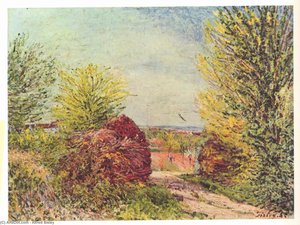
Cornfield
 Oil On Canvas
- WallArt
- Impressionist Landscape Painting
 1873
1873- 19th Century
 50.0 x 73.0 cm
Experience Alfred Sisley’s ‘Cornfield,’ a serene Impressionist landscape capturing rural tranquility in 1873. This hand-painted reproduction evokes the beauty of nature with soft brushstrokes and vivid colors – discover your perfect piece.
 Leggi tutto
Sisley (1839-1899): Maestro impressionista francese! Scopri paesaggi sereni, la luce vibrante e le delicate tonalità che rendono uniche le sue opere.
Acquista un'immagine digitale ad alta risoluzione e ottimizzata, di qualità nettamente superiore all'anteprima online.
Ogni file è meticolosamente preparato dai nostri specialisti interni attraverso l'uso di strumenti avanzati e un sapiente ritocco manuale. Garantiamo che ogni immagine presenti una chiarezza eccezionale, una precisione cromatica impeccabile e dettagli raffinati.
Il file finale viene consegnato via e-mail entro 72 ore, ottimizzato per un uso immediato in contesti professionali, editoriali e di stampa. Si tratta della stessa qualità affidata ai più prestigiosi studi di design, editori e gallerie d'arte.
Immagine Digitale
Scarica un file ad alta risoluzione per uso personale, per la stampa e per progetti creativi. ( Passa alle stampe Ordina la riproduzione dipinta a mano)
Incluso in ogni acquisto di immagini digitali
Consegna digitale professionale e garantita
Quando scegli TopImpressionists.com, non riceverai solo un'immagine: riceverai un'opera d'arte digitale professionalmente ottimizzata, realizzata con la massima precisione e accompagnata da una garanzia di soddisfazione. Ecco tutto ciò che include il tuo ordine, automaticamente:

Consegna rapida via email
Riceverai il file dell'immagine digitale ad alta risoluzione via email entro 72 ore dall'ordine, pronto per un uso immediato.

File digitale potenziato dall'IA
La tua opera d'arte viene ottimizzata professionalmente attraverso l'uso di strumenti avanzati di intelligenza artificiale e una revisione manuale, garantendo il massimo livello di dettaglio, nitidezza e accuratezza cromatica.

Riconsegna gratuita a vita
Hai eliminato o perso accidentalmente il tuo file? Non preoccuparti: te lo invieremo di nuovo in qualsiasi momento, gratuitamente.

Nessun costo di importazione, mai
Goditi la tua opera d'arte istantaneamente senza costi doganali, dazi o spese di spedizione: i download digitali sono sempre esenti da tasse.

Garanzia di fedeltà cromatica
Garantiamo che la tua immagine digitale rifletta i colori originali con la massima fedeltà, grazie all'uso di strumenti professionali e a una gestione accurata del colore.

Garanzia soddisfatti o rimborsati 100 giorni
Se non sei soddisfatto della tua immagine digitale, la revisioneremo o ti rimborseremo il 100% entro 100 giorni, senza domande.

Garanzia di rimborso al 100%
Non sei soddisfatto? Ricevi un rimborso completo entro 100 giorni dal ricevimento del tuo file digitale, senza dover fornire spiegazioni.

Sconti per ordini multipli
Acquista 3 immagini, risparmia il 10% - Acquista 5, risparmia il 15% - Acquista 10+, risparmia il 20%. Ideale per progetti creativi, gallerie e agenzie.
A Moment Frozen in Light: Alfred Sisley's "Cornfield"
Alfred Sisley’s “Cornfield,” painted in 1873, isn’t merely a depiction of a rural scene; it’s an exquisite distillation of Impressionist philosophy – a fleeting capture of light and atmosphere that speaks to the very soul of nature. Measuring 50 x 73 cm, this oil on canvas invites us into a world where tranquility reigns supreme, a world rendered with Sisley's signature soft brushstrokes and a masterful understanding of color’s transformative power. The painting immediately draws the eye to the expansive field, dominated by tall grasses that ripple in an unseen breeze, leading the gaze towards a backdrop of gently swaying trees – a classic motif within French landscape art, evoking a sense of timelessness and pastoral beauty.
- Subject Matter: A quintessential rural scene—a cornfield bathed in the diffused light of a cloudy sky.
- Artist: Alfred Sisley, a key figure in the Impressionist movement.
- Date: 1873 – a pivotal year for Impressionism’s development.
Impressionistic Technique and Color
Sisley's genius lies not just in what he depicts but *how* he depicts it. The painting is a testament to the Impressionist obsession with capturing the ephemeral effects of light. Notice how the colors aren’t blended or smoothed; instead, they are applied in short, broken strokes – a technique designed to mimic the way our eyes perceive color and light. The dominant hues—greens, blues, and browns—are subtly modulated, creating an illusion of movement and vibration. This isn't a static representation of a field; it’s a vibrant, living scene, infused with the energy of sunlight filtering through the clouds. The artist skillfully uses complementary colors – the blue sky juxtaposed against the green fields – to heighten visual impact and create a sense of depth.
Historical Context: A New Vision of Landscape
"Cornfield" was created during a period of profound artistic change in France. Following the academic traditions that had dominated art for centuries, artists like Sisley were challenging established norms, seeking to represent their observations of the world directly, without idealization or preconceived notions. The Impressionists weren't interested in painting grand historical scenes or mythological subjects; they wanted to capture everyday life – and in this case, the beauty of the French countryside – with honesty and immediacy. This work reflects a shift towards valuing subjective experience and sensory perception, hallmarks of the burgeoning modern art movement.
Symbolism and Emotional Impact
Beyond its technical brilliance, “Cornfield” possesses a quiet emotional resonance. The inclusion of figures—perhaps farmers tending to their land or simply enjoying the peaceful surroundings—adds a human element to the scene, suggesting themes of labor, community, and connection with nature. The horse, a symbol of rural life and strength, further reinforces this narrative. Ultimately, Sisley’s “Cornfield” is an invitation to pause, to breathe, and to appreciate the simple beauty of the natural world – a timeless message that continues to resonate with viewers today.
Domande e risposte
"Cornfield" di Alfred Sisley è un'opera dai toni chiari o scuri?
La luminosità percepita di "Cornfield" di Alfred Sisley è bright. Può essere armonizzata con la luce dello spazio destinato all'opera.
Quali sono le dimensioni dell'originale "Cornfield" di Alfred Sisley?
L'originale "Cornfield" di Alfred Sisley misura 50 x 73 cm.
In che modo tecnica e movimento si fondono in "Cornfield"?
"Cornfield" è realizzata in Oil On Canvas, nello stile Impressionist Landscape Painting.
Opere correlate



Biografia dell'artista
Alfred Sisley: Una Vita Dedicata all'Impressionismo
Primi Anni e Formazione
- Nato a Parigi il 30 ottobre 1839, Alfred Sisley era figlio di William Sisley, un mercante di seta, e Felicia Sell, una raffinata intenditrice di musica.
- Nel 1857, all'età di 18 anni, si trasferì a Londra per intraprendere una carriera nel mondo degli affari ma presto abbandonò questo percorso.
- Tornò a Parigi nel 1861 e iniziò la sua formazione artistica nel 1862 sotto il maestro svizzero Marc-Charles-Gabriel Gleyre all'École des Beaux-Arts.
- Fu qui che si legò di amicizia con altri artisti come Frédéric Bazille, Claude Monet e Pierre-Auguste Renoir, formando relazioni cruciali che avrebbero plasmato il suo percorso artistico.
Sviluppo Artistico e Stile
- Sisley si dedicò alla pittura di paesaggi *en plein air* – all'aperto, osservando direttamente la natura.
- I suoi primi lavori furono inizialmente respinti dal jury del Salon, ma perseverò, spinto dalla sua passione per catturare fuggenti momenti di luce e atmosfera.
- Si concentrò costantemente sulla pittura di paesaggi durante tutta la sua carriera, a differenza di alcuni Impressionisti che esplorarono altri generi.
- Lo stile di Sisley è caratterizzato da tranquillità, delicate palette cromatiche – spesso sfumature chiare di verde, rosa, viola, blu polveroso e crema – e un sottile rendering degli effetti della luce.
Temi Chiave e Opere Notabili
- I paesaggi fluviali furono un tema ricorrente nel lavoro di Sisley. Creò una serie di dipinti del Tamigi durante un viaggio in Inghilterra nel 1874, producendo quasi venti opere nei pressi di Molesey.
- Dipinse frequentemente scene intorno a Moret-sur-Loing, dove visse per molti anni, catturando i suoi canali, ponti e la campagna circostante.
- Opere notevoli includono “Mulino vicino a Moret”, “Chiatte sul Canale della Loing, Primavera”, “Campi intorno alla Foresta” e “Il villaggio di Sablons”.
- La sua capacità espressiva e l'intensità del colore aumentarono nel tempo, risultando in paesaggi sempre più sofisticati.
Influenze ed Eredità
- Sisley fu influenzato dalla formazione accademica di Gleyre e dalla compagnia che trovò con Monet, Renoir e Bazille.
- Condivise una visione artistica simile con gli altri Impressionisti, concentrandosi sulla cattura delle qualità effimere della luce e dell'atmosfera.
- Sebbene meno commercialmente di successo durante la sua vita rispetto ad alcuni dei suoi contemporanei, il lavoro di Sisley è ora molto apprezzato per la sua bellezza, sensibilità e dedizione nel ritrarre la natura.
- Influenzò le generazioni successive di pittori paesaggisti con il suo approccio sottile al colore e alla luce.
Ultimi Anni e Significato Storico
- Sisley fece domanda per la cittadinanza francese nel 1897 ma gli fu negata, fonte di personale delusione.
- Morì il 29 gennaio 1899, all'età di 59 anni, a Moret-sur-Loing.
- Sebbene i suoi lavori da studente siano andati perduti, i suoi paesaggi maturi continuano ad essere celebrati come esempi eccellenti della pittura paesaggistica impressionista.
- L'incrollabile impegno di Sisley nel catturare la bellezza della natura e la sua tecnica raffinata consolidano il suo posto come figura significativa nella storia dell'arte.

Alfred Sisley
1839 - 1899 , Francia
In breve
- Artisti Influenti:
- Marc-Charles-Gabriel Gleyre
- Claude Monet
- Pierre-Auguste Renoir
- Frédéric Bazille
- Data Di Morte: 29 gennaio 1899
- Data Di Nascita: 30 ottobre 1839
- Luogo Di Nascita: Parigi, Francia
- Movimento Artistico: Impressionismo
- Nazionalità: Britannico-Francese
- Nome Completo: Alfred Sisley
- Opere Notevoli:
- Mulino vicino a Moret
- Chiatte sul Canale Loing
- Campi intorno alla Foresta
- Il villaggio di Sablons