Anteprima in scala reale
 Condividi
 Condividi
 Dettagli
 Guida stampabile

 Scarica
 Articoli simili
 Radiografia
 Slideshow
 Statistiche
Rowers


Experience Alfred Sisley’s serene "Rowers," a quintessential Impressionist landscape capturing the tranquility of a river scene with boats and light. Admire this beautiful 1877 oil on canvas reproduction and discover timeless art.
 Leggi tutto
Sisley (1839-1899): Maestro impressionista francese! Scopri paesaggi sereni, la luce vibrante e le delicate tonalità che rendono uniche le sue opere.
Giclée / Stampe d'arte
Stampa giclée o su tela di qualità museale, con produzione rapida e diverse opzioni di finitura. ( Ordina la riproduzione dipinta a mano Passa all'immagine digitale)




P118B €10

P118H €10

P118W €10

P438Z €10

P508JH €12

P508YH €12

P805H €10

P805Z €10

P919BZ €10

P919G €10

P919XJ €10

P959ZH €10

P968JZ €12

W106C €8

W218G €10

W218JH €8

W218Y €10

W307PJ €10

W316G €10

W316PJ €8

W316Y €10

W398PJ €8

W4111J €10

W500HY €15

W500JH €15

W692G €12

W849H €8

W940BG €15

W953PJ €8




Standard
personalizzato
CM
INCH
Scegli tra le nostre dimensioni predefinite, che rispettano le proporzioni originali dell'opera d'arte.
Loading sizes...

larghezza
altezza
Inserisci la larghezza e l'altezza desiderate, per adattarle alla tua cornice o alla tua parete. Una stampa può essere solo ritagliata, mai resa più grande dell'immagine originale; pertanto, un formato con una forma differente comporterà la perdita di una parte dell'opera. Ti invieremo un mockup digitale da approvare prima di procedere con la stampa. L'immagine mostrata in questa pagina non rappresenta il ritaglio reale — solo il mockup lo mostra.
Consegna in tutto il mondo () in 2 settimane invece delle normali 4/5 settimane. (22 Ottobre)

Spedizione espressa gratuita in tutto il mondo

Tela in lino di alta qualità

Assicurazione completa sulla spedizione

Garanzia di rimborso dei dazi doganali

Garanzia di perfetta fedeltà cromatica

Politica di reso entro 100 giorni (solo per difetti di fabbricazione)

Garanzia di rimborso al 100%

Sconto per acquisti multipli
 L'opzione vetro è disponibile solo per dimensioni inferiori a 110 cm

Rowers
Giclée / Stampe d'arte
Dimensioni della riproduzione
-


Prezzo totale
€ 60
Alfred Sisley's "Rowers": A Symphony of Tranquility
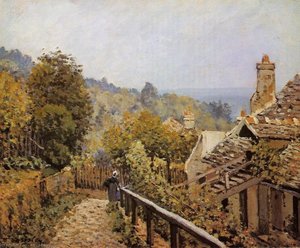
Alfred Sisley’s “Rowers,” painted in 1877, is more than just a depiction of a river scene; it’s an immersion into the very heart of Impressionism. This captivating work, currently residing at the Musée des Beaux-Arts d'Angers, France, exemplifies Sisley’s profound ability to capture fleeting moments of light and atmosphere – a hallmark of his artistic legacy. The painting immediately draws the viewer in with its serene composition: several boats glide across the gently flowing river beneath a bridge, creating an illusion of stillness and quiet contemplation. It is a scene that invites the observer to step into the canvas and experience the tranquility of a summer’s day.
Impressionist Technique and Color Palette
- Brushwork: Sisley's masterful use of short, broken brushstrokes is instantly recognizable. These aren't blended or smoothed; instead, they retain their individual texture, creating a vibrant shimmer that mimics the play of light on water and foliage.
- Color Palette: The muted palette – dominated by soft blues, greens, and browns – contributes significantly to the painting’s calming effect. Sisley expertly employed complementary colors to heighten visual interest without disrupting the overall sense of peace. Notice how the warm tones of the boats contrast subtly with the cool hues of the river.
- Light and Atmosphere: As with all Impressionist works, “Rowers” is fundamentally about capturing light. Sisley skillfully renders the diffused sunlight filtering through the trees, creating a hazy atmosphere that adds to the painting’s dreamlike quality.
Historical Context and Artistic Significance
Painted in 1877, “Rowers” firmly places itself within the burgeoning Impressionist movement of the late 19th century. This period marked a radical departure from traditional academic painting, with artists like Sisley rejecting meticulous detail in favor of capturing immediate sensory experiences. The rise of photography also influenced this shift – artists sought to represent not just what they *saw*, but how they *felt* about what they saw. Sisley’s focus on landscapes and everyday scenes reflected a broader trend among Impressionists, who were interested in exploring the beauty of the natural world and the changing moods of light.
Symbolism and Emotional Impact
Beyond its technical brilliance, “Rowers” possesses a quiet emotional resonance. The scene evokes a sense of leisure, escape, and connection with nature. The lone figure observing the boats adds an element of mystery and invites speculation about their thoughts and feelings. The overall impression is one of profound peace and contentment – a sentiment that continues to resonate with viewers today. Sisley’s ability to translate these intangible emotions onto canvas solidifies his place as a pivotal figure in the history of art.
A Timeless Masterpiece
"Rowers" stands as a testament to Alfred Sisley's artistic vision and his profound understanding of light, color, and atmosphere. Its enduring appeal lies not only in its technical mastery but also in its ability to transport the viewer to a place of serenity and contemplation. A hand-painted reproduction offers an unparalleled opportunity to experience the beauty and tranquility of this iconic Impressionist work firsthand.
Domande e risposte
Quale tecnica è stata utilizzata per "Rowers" e quando è stata realizzata?
"Rowers" è stata realizzata nel 1877, con la tecnica Oil On Canvas.
Qual è il formato di "Rowers"?
"Rowers" di Alfred Sisley è una composizione in Landscape. Le proporzioni meritano di essere verificate prima di scegliere la dimensione della stampa.
Dove posso trovare le statistiche relative a "Rowers" di Alfred Sisley?
Le statistiche relative a "Rowers" di Alfred Sisley sono disponibili nella pagina Statistiche dell'opera: visite mensili dell'opera, visite alle opere dell'artista e ripartizione per paese e lingua dei visitatori recenti.
Opere correlate




Biografia dell'artista
Alfred Sisley: Una Vita Dedicata all'Impressionismo
Primi Anni e Formazione
- Nato a Parigi il 30 ottobre 1839, Alfred Sisley era figlio di William Sisley, un mercante di seta, e Felicia Sell, una raffinata intenditrice di musica.
- Nel 1857, all'età di 18 anni, si trasferì a Londra per intraprendere una carriera nel mondo degli affari ma presto abbandonò questo percorso.
- Tornò a Parigi nel 1861 e iniziò la sua formazione artistica nel 1862 sotto il maestro svizzero Marc-Charles-Gabriel Gleyre all'École des Beaux-Arts.
- Fu qui che si legò di amicizia con altri artisti come Frédéric Bazille, Claude Monet e Pierre-Auguste Renoir, formando relazioni cruciali che avrebbero plasmato il suo percorso artistico.
Sviluppo Artistico e Stile
- Sisley si dedicò alla pittura di paesaggi *en plein air* – all'aperto, osservando direttamente la natura.
- I suoi primi lavori furono inizialmente respinti dal jury del Salon, ma perseverò, spinto dalla sua passione per catturare fuggenti momenti di luce e atmosfera.
- Si concentrò costantemente sulla pittura di paesaggi durante tutta la sua carriera, a differenza di alcuni Impressionisti che esplorarono altri generi.
- Lo stile di Sisley è caratterizzato da tranquillità, delicate palette cromatiche – spesso sfumature chiare di verde, rosa, viola, blu polveroso e crema – e un sottile rendering degli effetti della luce.
Temi Chiave e Opere Notabili
- I paesaggi fluviali furono un tema ricorrente nel lavoro di Sisley. Creò una serie di dipinti del Tamigi durante un viaggio in Inghilterra nel 1874, producendo quasi venti opere nei pressi di Molesey.
- Dipinse frequentemente scene intorno a Moret-sur-Loing, dove visse per molti anni, catturando i suoi canali, ponti e la campagna circostante.
- Opere notevoli includono “Mulino vicino a Moret”, “Chiatte sul Canale della Loing, Primavera”, “Campi intorno alla Foresta” e “Il villaggio di Sablons”.
- La sua capacità espressiva e l'intensità del colore aumentarono nel tempo, risultando in paesaggi sempre più sofisticati.
Influenze ed Eredità
- Sisley fu influenzato dalla formazione accademica di Gleyre e dalla compagnia che trovò con Monet, Renoir e Bazille.
- Condivise una visione artistica simile con gli altri Impressionisti, concentrandosi sulla cattura delle qualità effimere della luce e dell'atmosfera.
- Sebbene meno commercialmente di successo durante la sua vita rispetto ad alcuni dei suoi contemporanei, il lavoro di Sisley è ora molto apprezzato per la sua bellezza, sensibilità e dedizione nel ritrarre la natura.
- Influenzò le generazioni successive di pittori paesaggisti con il suo approccio sottile al colore e alla luce.
Ultimi Anni e Significato Storico
- Sisley fece domanda per la cittadinanza francese nel 1897 ma gli fu negata, fonte di personale delusione.
- Morì il 29 gennaio 1899, all'età di 59 anni, a Moret-sur-Loing.
- Sebbene i suoi lavori da studente siano andati perduti, i suoi paesaggi maturi continuano ad essere celebrati come esempi eccellenti della pittura paesaggistica impressionista.
- L'incrollabile impegno di Sisley nel catturare la bellezza della natura e la sua tecnica raffinata consolidano il suo posto come figura significativa nella storia dell'arte.

Alfred Sisley
1839 - 1899 , Francia
Informazioni rapide
- Artisti Influenti:
- Marc-Charles-Gabriel Gleyre
- Claude Monet
- Pierre-Auguste Renoir
- Frédéric Bazille
- Data Di Morte: 29 gennaio 1899
- Data Di Nascita: 30 ottobre 1839
- Luogo Di Nascita: Parigi, Francia
- Movimento Artistico: Impressionismo
- Nazionalità: Britannico-Francese
- Nome Completo: Alfred Sisley
- Opere Notevoli:
- Mulino vicino a Moret
- Chiatte sul Canale Loing
- Campi intorno alla Foresta
- Il villaggio di Sablons
Articoli correlati

The Timeless Beauty of Oil on Panel: Capturing Light and Texture through the Impressionist Lens
Discover the exquisite depth of oil on panel. Explore how Impressionist masters captured light and texture through tactile brushwork, and learn how to bring these museum-quality, hand-painted masterpieces into your home with expert curation.
Esplora le opere d'arte organizzate per temi, stili e caratteristiche.