Anteprima in scala reale
 Invia
Invia Condividi
 Dettagli opera
 Guida
Guida

 Scarica
 Simili
 Radiografia
 Slideshow
 Domande e risposte
 Statistiche
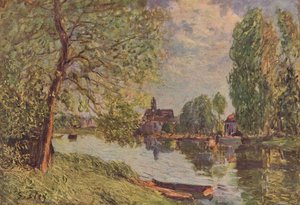
Saint Mammes Dam

- 38.0 x 55.0 cm


Experience Alfred Sisley’s serene Impressionist landscape, 'Saint Mammes Dam,' capturing a tranquil riverside scene with a boat and figures amidst the French countryside. This 1885 oil on canvas artwork evokes peace and invites you to discover its beauty.
 Espandi i dettagli
Sisley (1839-1899): Maestro impressionista francese! Scopri paesaggi sereni, la luce vibrante e le delicate tonalità che rendono uniche le sue opere.
Giclée / Stampe d'arte
Stampa giclée o su tela di qualità museale, con produzione rapida e diverse opzioni di finitura. ( Acquista il dipinto realizzato a mano Passa all'immagine digitale)




P118B €10

P118H €10

P118W €10

P438Z €10

P508JH €12

P508YH €12

P805H €10

P805Z €10

P919BZ €10

P919G €10

P919XJ €10

P959ZH €10

P968JZ €12

W106C €8

W218G €10

W218JH €8

W218Y €10

W307PJ €10

W316G €10

W316PJ €8

W316Y €10

W398PJ €8

W4111J €10

W500HY €15

W500JH €15

W692G €12

W849H €8

W940BG €15

W953PJ €8




Formato standard
su misura
CM
INCH
Scegli tra le nostre dimensioni predefinite, che rispettano le proporzioni originali dell'opera d'arte.
Loading sizes...

larghezza
altezza
Inserisci la larghezza e l'altezza desiderate, per adattarle alla tua cornice o alla tua parete. Una stampa può essere solo ritagliata, mai resa più grande dell'immagine originale; pertanto, un formato con una forma differente comporterà la perdita di una parte dell'opera. Ti invieremo un mockup digitale da approvare prima di procedere con la stampa. L'immagine mostrata in questa pagina non rappresenta il ritaglio reale — solo il mockup lo mostra.
Consegna in tutto il mondo () in 2 settimane invece delle normali 4/5 settimane. (7 Novembre)

Spedizione espressa gratuita in tutto il mondo

Tela in lino di alta qualità

Assicurazione completa sulla spedizione

Garanzia di rimborso dei dazi doganali

Garanzia di fedeltà cromatica assoluta

Politica di reso entro 100 giorni (solo per difetti di fabbricazione)

Garanzia di rimborso al 100%

Offerta per acquisti multipli
 L'opzione vetro è disponibile solo per dimensioni inferiori a 110 cm

Saint Mammes Dam
Giclée / Stampe d'arte
Dimensioni riproduzione
-


Prezzo finale calcolato
€ 62
Alfred Sisley’s ‘Saint Mammes Dam’: A Symphony of Light and Rural Tranquility
Alfred Sisley's “Saint Mammes Dam,” painted in 1885, is more than just a depiction of a French riverside scene; it’s an immersive experience of light, color, and the quiet beauty of the countryside. This oil on canvas masterpiece, measuring 38 x 55 cm, exemplifies the core tenets of Impressionism – capturing fleeting moments and the subjective perception of reality through vibrant hues and broken brushstrokes. Sisley's ability to translate the ephemeral qualities of sunlight onto canvas is particularly evident here, creating a sense of serene contemplation that continues to resonate with viewers today.
- Subject Matter: The painting portrays a quintessential rural scene – a dam on a river, teeming with activity and bathed in the soft light of a cloudy day. Figures are scattered along the bank, engaged in leisurely pursuits, adding a touch of everyday life to the landscape.
- Style & Technique: As a key figure within the Impressionist movement, Sisley employed loose, visible brushstrokes – a deliberate rejection of academic precision in favor of capturing the immediate sensory experience. The painting’s texture is deliberately rough, emphasizing the materiality of the paint itself and contributing to its vibrant energy.
- Historical Context: Created during a period of significant artistic innovation, “Saint Mammes Dam” reflects the Impressionists' fascination with modern life and their desire to move away from traditional historical or mythological subjects. Sisley’s focus on landscapes – particularly those of his beloved France – became a hallmark of the movement.
Decoding the Palette: Color as Emotion
Sisley’s masterful use of color is central to the painting's emotional impact. The dominant palette—blues, greens, and browns—evokes the natural tones of the riverbank and surrounding foliage. However, it’s not merely a representation of reality; rather, Sisley employs these colors with an expressive intent. Notice the subtle pinks and yellows used to capture the light reflecting off the water's surface – a technique that creates a shimmering effect, almost as if the viewer is witnessing the scene unfold in real-time. The broken brushstrokes aren’t just a stylistic choice; they are integral to conveying the fleeting nature of light and atmosphere, a core concern for Impressionist painters.
Beyond the Canvas: Sisley's Legacy
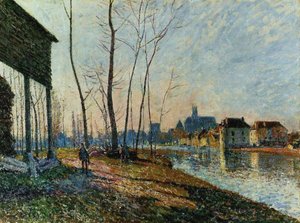
“Saint Mammes Dam” offers a valuable window into the artistic world of Alfred Sisley, one of the most significant figures in the Impressionist movement. His dedication to capturing the beauty of the French countryside, combined with his innovative techniques, cemented his place as a pioneer of modern art. Considered alongside similar works like “Loing Canal at Saint Mammes” and "River Landscape by Moret sur Loing," this painting showcases Sisley's consistent ability to translate light and atmosphere into compelling visual narratives. The Alfred East Art Gallery in Kettering holds a remarkable collection of his work, offering an opportunity to appreciate the breadth of his artistic vision.
A Timeless Appeal
This reproduction captures not just the image of “Saint Mammes Dam,” but also the very essence of Sisley’s artistic philosophy. Whether adorning a wall in a contemporary space or serving as a point of inspiration for interior design, this artwork evokes feelings of tranquility and peacefulness – qualities that have ensured its enduring appeal across generations.
Domande e risposte
L'opera "Saint Mammes Dam" di Alfred Sisley trasmette una sensazione di luminosità o di oscurità?
In termini di luminosità percepita, "Saint Mammes Dam" di Alfred Sisley è bright.
Qual è il formato di "Saint Mammes Dam"?
"Saint Mammes Dam" di Alfred Sisley ha un formato Landscape. Il formato descrive le proporzioni della composizione.
"Saint Mammes Dam" di Alfred Sisley è di pubblico dominio?
Per quanto riguarda il copyright, "Saint Mammes Dam" è di pubblico dominio - il copyright è scaduto.
Opere simili


Biografia dell'artista
Alfred Sisley: Una Vita Dedicata all'Impressionismo
Primi Anni e Formazione
- Nato a Parigi il 30 ottobre 1839, Alfred Sisley era figlio di William Sisley, un mercante di seta, e Felicia Sell, una raffinata intenditrice di musica.
- Nel 1857, all'età di 18 anni, si trasferì a Londra per intraprendere una carriera nel mondo degli affari ma presto abbandonò questo percorso.
- Tornò a Parigi nel 1861 e iniziò la sua formazione artistica nel 1862 sotto il maestro svizzero Marc-Charles-Gabriel Gleyre all'École des Beaux-Arts.
- Fu qui che si legò di amicizia con altri artisti come Frédéric Bazille, Claude Monet e Pierre-Auguste Renoir, formando relazioni cruciali che avrebbero plasmato il suo percorso artistico.
Sviluppo Artistico e Stile
- Sisley si dedicò alla pittura di paesaggi *en plein air* – all'aperto, osservando direttamente la natura.
- I suoi primi lavori furono inizialmente respinti dal jury del Salon, ma perseverò, spinto dalla sua passione per catturare fuggenti momenti di luce e atmosfera.
- Si concentrò costantemente sulla pittura di paesaggi durante tutta la sua carriera, a differenza di alcuni Impressionisti che esplorarono altri generi.
- Lo stile di Sisley è caratterizzato da tranquillità, delicate palette cromatiche – spesso sfumature chiare di verde, rosa, viola, blu polveroso e crema – e un sottile rendering degli effetti della luce.
Temi Chiave e Opere Notabili
- I paesaggi fluviali furono un tema ricorrente nel lavoro di Sisley. Creò una serie di dipinti del Tamigi durante un viaggio in Inghilterra nel 1874, producendo quasi venti opere nei pressi di Molesey.
- Dipinse frequentemente scene intorno a Moret-sur-Loing, dove visse per molti anni, catturando i suoi canali, ponti e la campagna circostante.
- Opere notevoli includono “Mulino vicino a Moret”, “Chiatte sul Canale della Loing, Primavera”, “Campi intorno alla Foresta” e “Il villaggio di Sablons”.
- La sua capacità espressiva e l'intensità del colore aumentarono nel tempo, risultando in paesaggi sempre più sofisticati.
Influenze ed Eredità
- Sisley fu influenzato dalla formazione accademica di Gleyre e dalla compagnia che trovò con Monet, Renoir e Bazille.
- Condivise una visione artistica simile con gli altri Impressionisti, concentrandosi sulla cattura delle qualità effimere della luce e dell'atmosfera.
- Sebbene meno commercialmente di successo durante la sua vita rispetto ad alcuni dei suoi contemporanei, il lavoro di Sisley è ora molto apprezzato per la sua bellezza, sensibilità e dedizione nel ritrarre la natura.
- Influenzò le generazioni successive di pittori paesaggisti con il suo approccio sottile al colore e alla luce.
Ultimi Anni e Significato Storico
- Sisley fece domanda per la cittadinanza francese nel 1897 ma gli fu negata, fonte di personale delusione.
- Morì il 29 gennaio 1899, all'età di 59 anni, a Moret-sur-Loing.
- Sebbene i suoi lavori da studente siano andati perduti, i suoi paesaggi maturi continuano ad essere celebrati come esempi eccellenti della pittura paesaggistica impressionista.
- L'incrollabile impegno di Sisley nel catturare la bellezza della natura e la sua tecnica raffinata consolidano il suo posto come figura significativa nella storia dell'arte.

Alfred Sisley
1839 - 1899 , Francia
Dettagli rapidi
- Artisti Influenti:
- Marc-Charles-Gabriel Gleyre
- Claude Monet
- Pierre-Auguste Renoir
- Frédéric Bazille
- Data Di Morte: 29 gennaio 1899
- Data Di Nascita: 30 ottobre 1839
- Luogo Di Nascita: Parigi, Francia
- Movimento Artistico: Impressionismo
- Nazionalità: Britannico-Francese
- Nome Completo: Alfred Sisley
- Opere Notevoli:
- Mulino vicino a Moret
- Chiatte sul Canale Loing
- Campi intorno alla Foresta
- Il villaggio di Sablons
Articoli correlati
Capturing Emotion: A Journey Through the Soul of Expressionist Landscapes
Explore the profound emotional depth of Expressionist landscapes. Discover how Post-Impressionist masters moved beyond light to capture the soul through vibrant color and form. A curated journey for true art lovers seeking the beauty of expressive mastery.
Esplora le opere d'arte organizzate per temi, stili e caratteristiche.