 Anteprima in scala reale
 Condividi
 Condividi
 Dettagli
 Guida
Guida

 Scarica
 Articoli simili
 Radiografia
 Slideshow
 Statistiche
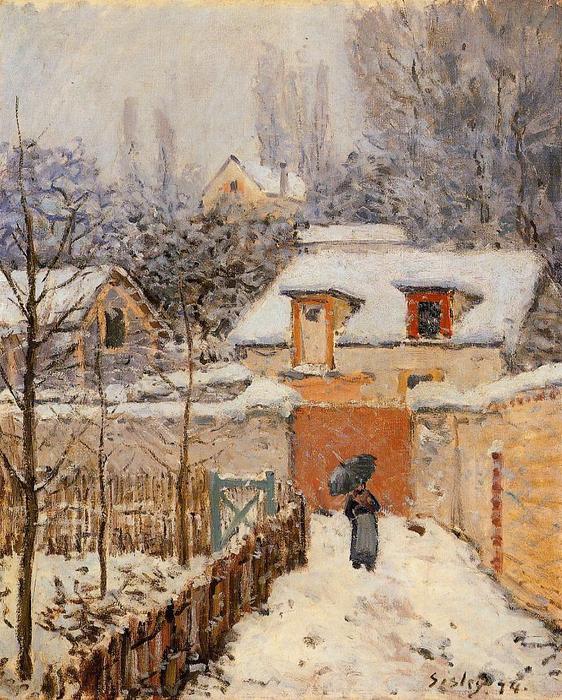
Snow at Louveciennes
 Oil On Canvas
- WallArt
- Impressionism
 1873
1873- 19th Century
 50.0 x 65.0 cm
A serene winter landscape unfolds in Alfred Sisley's Snow at Louveciennes, where Impressionist brushstrokes capture a tranquil snowy village scene perfect for adding timeless elegance to your collection.
 Leggi tutto
Sisley (1839-1899): Maestro impressionista francese! Scopri paesaggi sereni, la luce vibrante e le delicate tonalità che rendono uniche le sue opere.
Giclée / Stampe d'arte
Stampa giclée o su tela di qualità museale, con produzione rapida e diverse opzioni di finitura. ( Ordina la riproduzione dipinta a mano Passa all'immagine digitale)




P118B $10

P118H $10

P118W $10

P438Z $10

P508JH $12

P508YH $12

P805H $10

P805Z $10

P919BZ $10

P919G $10

P919XJ $10

P959ZH $10

P968JZ $12

W106C $8

W218G $10

W218JH $8

W218Y $10

W307PJ $10

W316G $10

W316PJ $8

W316Y $10

W398PJ $8

W4111J $10

W500HY $15

W500JH $15

W692G $12

W849H $8

W940BG $15

W953PJ $8




Standard
personalizzato
CM
INCH
Scegli tra le nostre dimensioni predefinite, che rispettano le proporzioni originali dell'opera d'arte.
Loading sizes...

larghezza
altezza
È possibile inserire dimensioni personalizzate per adattare l'opera a una cornice o a uno spazio specifico. Se la dimensione selezionata non corrisponde alle proporzioni dell'immagine originale, procederemo al ritaglio dell'opera o all'estensione dell'immagine con un bordo specchiato o a tinta unita. Un mockup digitale ti verrà inviato per approvazione prima dell'inizio della produzione.
Si prega di notare che l'anteprima a schermo non riflette il ritaglio o l'estensione effettivi. Solo il mockup mostrerà accuratamente la composizione finale.
Sebbene siano disponibili dimensioni personalizzate, si raccomanda di selezionare una dimensione dall'elenco predefinito per preservare le proporzioni originali.
Consegna in tutto il mondo () in 2 settimane invece delle normali 4/5 settimane. (23 Settembre)

Spedizione espressa gratuita in tutto il mondo

Tela in lino di alta qualità

Assicurazione completa sulla spedizione

Garanzia di rimborso dei dazi doganali

Garanzia di perfetta fedeltà cromatica

Politica di reso entro 100 giorni (solo per difetti di fabbricazione)

Garanzia di rimborso al 100%

Sconto per acquisti multipli
 L'opzione vetro è disponibile solo per dimensioni inferiori a 110 cm

Snow at Louveciennes
Giclée / Stampe d'arte
Dimensioni della riproduzione
-


Prezzo totale
$ 69
A Winter Symphony in Impressionist Light
In the quiet, frost-kissed corners of the French countryside, Alfred Sisley found his most profound muse. His 1873 masterpiece, Snow at Louveciennes, serves as a breathtaking window into a world hushed by the falling snow. This oil on canvas is not merely a depiction of a seasonal change; it is an evocative study of atmosphere and the ephemeral nature of light. As the viewer gazenter upon this scene, they are transported to a serene winter day in the village of Louveciennes, where the weight of the snow seems to soften the very edges of reality. The composition captures a moment of profound stillness, broken only by the gentle movement of figures navigating the wintry streets, creating a sense of lived-in tranquility that resonates deeply with anyone seeking peace within their own surroundings.
The technical brilliance of Sisley lies in his mastery of the Impressionist technique, specifically his ability to render the subtle textures of a landscape transformed by frost. Eschewing harsh outlines, he employs soft, rhythmic brushstrokes that allow colors to bleed into one another, mimicking the way light scatters through a heavy, overcast sky. The palette is a sophisticated arrangement of muted whites, cool blues, and delicate greys, punctuated by the darker, structural tones of the village houses and skeletal trees. This careful manipulation of color creates a luminous quality, where the snow does not appear as a flat white mass, but as a multidimensional surface reflecting the pearlescent light of a cloudy afternoon. For the discerning collector or interior designer, this painting offers a sophisticated tonal harmony that can anchor a room with its calm and understated elegance.
Historical Resonance and Emotional Depth
To understand Snow at Louveciennes is to understand the heart of the Impressionist movement itself. During this period, artists like Sisley, Pissarro, and Monet were revolutionizing art by moving away from historical grandiosity toward the beauty of the everyday. This work reflects the influence of his mentor, Gleyre, while pushing toward a more spontaneous, sensory experience of nature. The inclusion of small, solitary figures—a woman shielding herself with an umbrella—adds a layer of human narrative to the landscape. These figures are not protagonists in a drama, but rather integral parts of the ecosystem, emphasizing the relationship between humanity and the natural world. There is a poignant sense of solitude and resilience captured here; even amidst the biting cold, life continues its rhythmic, quiet pace.
For those looking to incorporate fine art into a curated space, this reproduction offers more than just aesthetic appeal; it provides an emotional sanctuary. The painting’s ability to evoke nostalgia and a sense of timelessness makes it a versatile piece for various interior styles, from classical French elegance to modern minimalist retreats. It invites contemplation, encouraging the viewer to slow down and appreciate the fleeting beauty of a single, frozen moment in time. Owning a piece of this caliber is an opportunity to possess a fragment of art history—a testament to Sisley's enduring legacy as a painter who could find the infinite within the intimate.
Opere correlate



Biografia dell'artista
Alfred Sisley: Una Vita Dedicata all'Impressionismo
Primi Anni e Formazione
- Nato a Parigi il 30 ottobre 1839, Alfred Sisley era figlio di William Sisley, un mercante di seta, e Felicia Sell, una raffinata intenditrice di musica.
- Nel 1857, all'età di 18 anni, si trasferì a Londra per intraprendere una carriera nel mondo degli affari ma presto abbandonò questo percorso.
- Tornò a Parigi nel 1861 e iniziò la sua formazione artistica nel 1862 sotto il maestro svizzero Marc-Charles-Gabriel Gleyre all'École des Beaux-Arts.
- Fu qui che si legò di amicizia con altri artisti come Frédéric Bazille, Claude Monet e Pierre-Auguste Renoir, formando relazioni cruciali che avrebbero plasmato il suo percorso artistico.
Sviluppo Artistico e Stile
- Sisley si dedicò alla pittura di paesaggi *en plein air* – all'aperto, osservando direttamente la natura.
- I suoi primi lavori furono inizialmente respinti dal jury del Salon, ma perseverò, spinto dalla sua passione per catturare fuggenti momenti di luce e atmosfera.
- Si concentrò costantemente sulla pittura di paesaggi durante tutta la sua carriera, a differenza di alcuni Impressionisti che esplorarono altri generi.
- Lo stile di Sisley è caratterizzato da tranquillità, delicate palette cromatiche – spesso sfumature chiare di verde, rosa, viola, blu polveroso e crema – e un sottile rendering degli effetti della luce.
Temi Chiave e Opere Notabili
- I paesaggi fluviali furono un tema ricorrente nel lavoro di Sisley. Creò una serie di dipinti del Tamigi durante un viaggio in Inghilterra nel 1874, producendo quasi venti opere nei pressi di Molesey.
- Dipinse frequentemente scene intorno a Moret-sur-Loing, dove visse per molti anni, catturando i suoi canali, ponti e la campagna circostante.
- Opere notevoli includono “Mulino vicino a Moret”, “Chiatte sul Canale della Loing, Primavera”, “Campi intorno alla Foresta” e “Il villaggio di Sablons”.
- La sua capacità espressiva e l'intensità del colore aumentarono nel tempo, risultando in paesaggi sempre più sofisticati.
Influenze ed Eredità
- Sisley fu influenzato dalla formazione accademica di Gleyre e dalla compagnia che trovò con Monet, Renoir e Bazille.
- Condivise una visione artistica simile con gli altri Impressionisti, concentrandosi sulla cattura delle qualità effimere della luce e dell'atmosfera.
- Sebbene meno commercialmente di successo durante la sua vita rispetto ad alcuni dei suoi contemporanei, il lavoro di Sisley è ora molto apprezzato per la sua bellezza, sensibilità e dedizione nel ritrarre la natura.
- Influenzò le generazioni successive di pittori paesaggisti con il suo approccio sottile al colore e alla luce.
Ultimi Anni e Significato Storico
- Sisley fece domanda per la cittadinanza francese nel 1897 ma gli fu negata, fonte di personale delusione.
- Morì il 29 gennaio 1899, all'età di 59 anni, a Moret-sur-Loing.
- Sebbene i suoi lavori da studente siano andati perduti, i suoi paesaggi maturi continuano ad essere celebrati come esempi eccellenti della pittura paesaggistica impressionista.
- L'incrollabile impegno di Sisley nel catturare la bellezza della natura e la sua tecnica raffinata consolidano il suo posto come figura significativa nella storia dell'arte.

Alfred Sisley
1839 - 1899 , Francia
Informazioni rapide
- Artisti Influenti:
- Marc-Charles-Gabriel Gleyre
- Claude Monet
- Pierre-Auguste Renoir
- Frédéric Bazille
- Data Di Morte: 29 gennaio 1899
- Data Di Nascita: 30 ottobre 1839
- Luogo Di Nascita: Parigi, Francia
- Movimento Artistico: Impressionismo
- Nazionalità: Britannico-Francese
- Nome Completo: Alfred Sisley
- Opere Notevoli:
- Mulino vicino a Moret
- Chiatte sul Canale Loing
- Campi intorno alla Foresta
- Il villaggio di Sablons
Articoli correlati
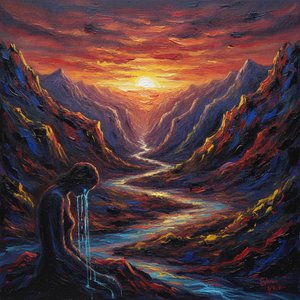
Capturing Emotion: A Journey Through the Soul of Expressionist Landscapes
Explore the profound emotional depth of Expressionist landscapes. Discover how Post-Impressionist masters moved beyond light to capture the soul through vibrant color and form. A curated journey for true art lovers seeking the beauty of expressive mastery.
Esplora le opere d'arte organizzate per temi, stili e caratteristiche.