Anteprima in scala reale
 Invia
Invia Condividi
 Dettagli opera
 Guida
Guida

 Scarica
 Simili
 Radiografia
 Slideshow
 Domande e risposte
 Statistiche
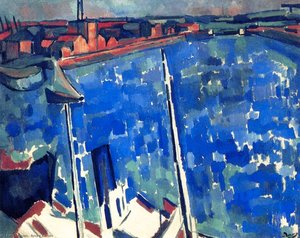
Boats at Collioure


Vibrant blue water scene with boats by André Derain's 1905 work, capturing the colorful spirit of early modern art; discover this masterpiece today.
 Espandi i dettagli
Scopri André Derain (1880-1954), fondatore del Fauvismo! Esplora i suoi audaci colori, le vibranti opere e l'eredità artistica che ha lasciato nel mondo dell'arte.
Giclée / Stampe d'arte
Stampa giclée o su tela di qualità museale, con produzione rapida e diverse opzioni di finitura. ( Acquista il dipinto realizzato a mano Passa all'immagine digitale)




P118B €10

P118H €10

P118W €10

P438Z €10

P508JH €12

P508YH €12

P805H €10

P805Z €10

P919BZ €10

P919G €10

P919XJ €10

P959ZH €10

P968JZ €12

W106C €8

W218G €10

W218JH €8

W218Y €10

W307PJ €10

W316G €10

W316PJ €8

W316Y €10

W398PJ €8

W4111J €10

W500HY €15

W500JH €15

W692G €12

W849H €8

W940BG €15

W953PJ €8




Formato standard
su misura
CM
INCH
Scegli tra le nostre dimensioni predefinite, che rispettano le proporzioni originali dell'opera d'arte.
Loading sizes...

larghezza
altezza
Inserisci la larghezza e l'altezza desiderate, per adattarle alla tua cornice o alla tua parete. Una stampa può essere solo ritagliata, mai resa più grande dell'immagine originale; pertanto, un formato con una forma differente comporterà la perdita di una parte dell'opera. Ti invieremo un mockup digitale da approvare prima di procedere con la stampa. L'immagine mostrata in questa pagina non rappresenta il ritaglio reale — solo il mockup lo mostra.
Consegna in tutto il mondo () in 2 settimane invece delle normali 4/5 settimane. (4 Novembre)

Spedizione espressa gratuita in tutto il mondo

Tela in lino di alta qualità

Assicurazione completa sulla spedizione

Garanzia di rimborso dei dazi doganali

Garanzia di fedeltà cromatica assoluta

Politica di reso entro 100 giorni (solo per difetti di fabbricazione)

Garanzia di rimborso al 100%

Offerta per acquisti multipli
 L'opzione vetro è disponibile solo per dimensioni inferiori a 110 cm

Boats at Collioure
Giclée / Stampe d'arte
Dimensioni riproduzione
-


Prezzo finale calcolato
€ 62
A Mediterranean Dream in Blue Tones
Gazing upon André Derain's "Boats at Collioure," one is immediately transported to the sun-drenched shores of the French Riviera. This painting captures more than just a seascape; it encapsulates a moment of profound, languid peace. The composition is dominated by the mesmerizing expanse of blue water, a liquid canvas reflecting both the sky and the gentle activity upon its surface. In the foreground, the presence of several vessels anchors the scene, drawing the eye across the rhythmic placement of sails and hulls. There are two principal boats commanding attention—one small craft with its sail catching an unseen breeze, suggesting imminent departure or leisurely drift, and another larger form situated further back, adding depth to the pictorial space. Scattered among them are smaller tenders, dotted like jewels upon the deep blue tapestry.
The Brushwork of Fauvist Light
Derain’s technique here is a masterful display of post-Impressionist vibrancy filtered through the nascent energy of Fauvism. While the subject matter—a simple coastal scene—might suggest quietude, the application of paint speaks of vibrant, almost joyous abandon. The colors are not merely descriptive; they are emotional. Notice how the blues interact with the warmer tones suggested in the distant shore or the figures themselves. Derain uses color as a structural element, allowing light to fracture and refract across the water's surface. This bold use of pigment gives the scene an immediate, palpable luminosity, making the viewer feel the warmth of the Mediterranean sun even from afar.
Context and the Spirit of Place
Painted in 1905, this work places us at a pivotal moment in art history—a time when established academic traditions were being vigorously challenged by revolutionary colorists. Derain, deeply connected to the vibrant artistic circles of early modern Paris, channeled the raw energy of his surroundings into this piece. Collioure itself, with its intense light and deep blue waters, provided the perfect muse for an artist eager to break free from muted palettes. The inclusion of figures—one on the left, another on the right—are not just incidental details; they are witnesses to the scene, grounding the viewer within a shared, observed moment of coastal life.
Symbolism of Passage and Leisure
The boats themselves carry rich symbolism. They represent journeys, both literal passages across the water and metaphorical voyages through life's experiences. The interplay between the stationary elements—the distant shore or the anchored vessels—and the implied movement of the sails suggests a beautiful tension: the comfort of being present versus the irresistible call of adventure. For the collector or decorator, this painting offers more than just decoration; it offers an emotional anchor—a visual escape to a place where time slows down and the only concern is the gentle rocking rhythm of the tide.
Bringing Riviera Vibrancy Home
To reproduce "Boats at Collioure" in your own space is to invite a breath of Mediterranean air into your home. Whether displayed above a sofa, nestled in an entryway, or used as a focal point in a gallery setting, the painting’s inherent vibrancy will elevate any interior design scheme. Its bold yet harmonious color palette ensures it complements both minimalist modern aesthetics and richly decorated traditional rooms alike. It is a piece that speaks of freedom, light, and the enduring allure of the sea.
Domande e risposte
Come è strutturata la composizione cromatica di "Boats at Collioure" di André Derain?
La composizione cromatica di "Boats at Collioure" di André Derain coniuga un Bold contrasto con una Balanced Harmony armonia.
Quanto sono armoniosi i colori di "Boats at Collioure"?
I colori di "Boats at Collioure" di André Derain mostrano un'armonia Balanced Harmony. L'armonia descrive il modo in cui i colori interagiscono tra loro.
I colori di "Boats at Collioure" di André Derain sono vivaci o tenui?
I colori di "Boats at Collioure" di André Derain presentano una saturazione Vivid Color e un'intensità Vivid.
Opere simili


Biografia dell'artista
Primi Anni e Formazione
- Nascita e Famiglia: André Derain nacque il 10 giugno 1880 a Chatou, Yvelines, Île-de-France, appena fuori Parigi.
- Studio Indipendente: Contrariamente ad alcune affermazioni, Derain iniziò a dipingere indipendentemente nel 1895, prima di incontrare Vlaminck o Matisse. Occasionalmente andava nella campagna con Padre Jacomin e i suoi figli.
- Formazione Scolastica: Nel 1898, studiò ingegneria all'Académie Camillo, dove incontrò Matisse e successivamente frequentò lezioni di pittura sotto Eugène Carrière.
- Abbandono dell'Ingegneria: Dopo il servizio militare (1901-1904), Derain fu persuaso da Matisse ad abbandonare la sua carriera ingegneristica e dedicarsi alla pittura. Frequentò quindi l'Académie Julian.
Fauvismo e Sviluppo Artistico Iniziale
- Collaborazione con Matisse: Derain collaborò strettamente con Henri Matisse, in particolare durante l'estate del 1905 a Collioure, dando vita a opere come "Montagne a Collioure".
- Salon d'Automne (1905): La loro esposizione al Salon d'Automne segnò un momento cruciale, portando il critico Louis Vauxcelles a coniare il termine "Fauves" ("belve selvagge") a causa del loro uso audace e non convenzionale del colore.
- Dipinti di Londra: Nel 1906, Derain fu inviato a Londra da Ambroise Vollard, producendo una serie di dipinti che raffiguravano la città in modo nuovo e sorprendente, concentrandosi sul Tamigi e sul Tower Bridge. Queste opere sono considerate tra le sue più significative.
- Influenze e Stile: Il lavoro Fauvista iniziale è caratterizzato da colori intensi, non naturalistici e pennellate espressive. Derain fu influenzato da artisti come Van Gogh e Cézanne.
Evoluzione dello Stile e Opere Successive
- Passaggio al Classicismo: Dopo il 1907, lo stile di Derain iniziò a evolversi, allontanandosi dalla tavolozza puramente Fauvista verso tonalità più attenuate e una maggiore enfasi sulla forma. Questo periodo (1911-1914) è talvolta definito la sua "fase gotica".
- Influenza del Cubismo & dei Maestri Antichi: Il lavoro di Derain in questo periodo riflette il suo studio dei Maestri Antichi, incorporando elementi del Cubismo e un rinnovato interesse per le forme classiche.
- Design per Balletto: Nel 1919, progettò il balletto "La Boutique Fantasque" per Diaghilev, dimostrando la sua versatilità come artista.
- Opere Notevoli: Tra le opere chiave di questo periodo figurano "Arlecchino e Pierrot", "Il ritorno di Ulisse" (un grande murale) e vari paesaggi e nature morte che mostrano la sua evoluzione stilistica.
Eredità e Significato Storico
- Co-fondatore del Fauvismo: Derain è riconosciuto come una figura chiave nello sviluppo del Fauvismo, insieme a Matisse, contribuendo in modo significativo al movimento artistico moderno dei primi anni del XX secolo.
- Visione Unica di Londra: La sua serie di dipinti che raffigurano Londra ha offerto una prospettiva nuova e distintiva sulla città, allontanandosi dalle rappresentazioni artistiche precedenti.
- Riconoscimento nel Dopoguerra: Dopo la Prima Guerra Mondiale, Derain ottenne un rinnovato apprezzamento per i suoi contributi a un ritrovato classicismo nell'arte.
- Ultimi Anni e Controversie: Nonostante abbia vinto il premio Carnegie nel 1928, Derain affrontò controversie durante la Seconda Guerra Mondiale a causa della sua presenza in Germania ed è stato successivamente ostracizzato da alcuni ex sostenitori.
- Morte e Ricordo: André Derain morì l'8 settembre 1954. La sua opera continua ad essere celebrata per i suoi colori audaci, le composizioni espressive e il significativo contributo alla storia dell'arte moderna.

André Derain
1880 - 1954 , Francia
Dettagli rapidi
- Artisti Influenti:
- Henri Matisse
- Pablo Picasso
- Data Di Nascita: 10 giugno 1880
- Influenze Artistiche:
- Impressionismo
- Post-impressionismo
- Luogo Di Nascita: Chatou, Francia
- Movimento Artistico: Fauvismo
- Nazionalità: Francese
- Nome Completo: André Derain
- Opere Notevoli:
- Arlecchino e Pierrot
- Ponti di Londra
Articoli correlati

I 10 Dipinti Più Famosi Dominati dal Blu Ardesia: Storia, Arte e Decorazioni Raffinate
Esplora i 10 dipinti più iconici dominati dal blu ardesia! Scopri la storia, gli artisti e le tecniche dietro capolavori impressionisti e moderni. Trova riproduzioni artistiche di alta qualità per decorare casa con .

Le Barche nell'Arte: 10 Capolavori per un Viaggio Visivo Unico
Scopri 10 capolavori dell'arte che celebrano le barche! Da Monet a Manet, esplora la storia, i colori e il simbolismo di opere iconiche. Trova riproduzioni artistiche di alta qualità per decorare casa tua su TopImpressionists.com.
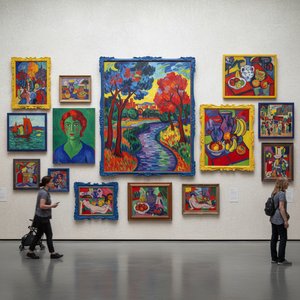
I 10 Capolavori Fauvisti che Hanno Rivoluzionato l'Arte Moderna |
Esplora i 10 capolavori Fauvismo di Matisse, Derain e Vlaminck. Scopri la storia, i colori audaci e l'impatto di questo rivoluzionario movimento artistico. Riproduzioni d'arte di alta qualità su .

I 10 Capolavori del Paesaggio Romantico: Arte, Storia e Decorazioni di Lusso
Esplora i 10 capolavori del Paesaggio Romantico con TopImpressionists.com! Caspar David Friedrich, Turner e altri maestri: storia, tecnica e colori che definiscono un'epoca. Trova riproduzioni d'arte di lusso per la tua casa. Scopri la collezione completa online!

I 25 capolavori di John Constable: la poesia della natura inglese
Scopri i 25 capolavori di John Constable e il Romanticismo inglese. Esplora la collezione su TopImpressionists.com.
Esplora le opere d'arte organizzate per temi, stili e caratteristiche.