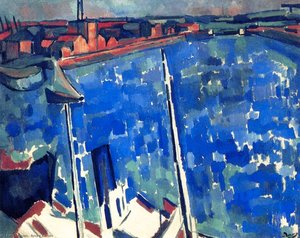
Anteprima in scala reale
 Condividi
 Condividi
 Dettagli
 Guida stampabile

 Scarica
 Articoli simili
 Radiografia
 Slideshow
 Statistiche
Madame Van Leer
 Oil On Panel
- Fauvism
 1929
1929 50.0 x 36.0 cm
 Fitzwilliam College
Admire André Derain's 'Madame Van Leer,' a captivating 1929 oil painting of a striking woman, showcasing Fauvist color and artistic brilliance. A timeless masterpiece by a celebrated French artist.
 Leggi tutto
Scopri André Derain (1880-1954), fondatore del Fauvismo! Esplora i suoi audaci colori, le vibranti opere e l'eredità artistica che ha lasciato nel mondo dell'arte.
Riproduzione a olio fatta a mano
Olio su tela dipinto a mano nelle tue dimensioni e con la tua cornice, realizzato su ordinazione dai nostri artisti. ( Passa alle stampe Passa all'immagine digitale)




P118B €10

P118H €10

P118W €10

P438Z €10

P508JH €12

P508YH €12

P805H €10

P805Z €10

P919BZ €10

P919G €10

P919XJ €10

P959ZH €10

P968JZ €12

W106C €8

W218G €10

W218JH €8

W218Y €10

W307PJ €10

W316G €10

W316PJ €8

W316Y €10

W398PJ €8

W4111J €10

W500HY €15

W500JH €15

W692G €12

W849H €8

W940BG €15

W953PJ €8




Standard
personalizzato
CM
INCH
Scegli tra le nostre dimensioni predefinite, che rispettano le proporzioni originali dell'opera d'arte.
Loading sizes...

larghezza
altezza
Inserisci la larghezza e l'altezza di cui hai bisogno, per adattarle alla tua cornice o alla tua parete. Trattandosi di un'opera dipinta a mano, in caso di dimensioni con una forma differente, l'artista può dipingere un po' più oltre i bordi dell'immagine o ritagliare leggermente — la scelta spetta a te. Ti invieremo un mockup digitale da approvare prima che la pittura abbia inizio. L'immagine mostrata in questa pagina non rappresenta il risultato reale — solo il mockup lo fa.
Esempi di personalizzazione: sostituire il volto con una foto del cliente; aggiungere un animale domestico (ad esempio, sostituire un gatto con un cane); inserire un messaggio nascosto nello sfondo; cambiare il paesaggio o gli elementi dello sfondo.
Dopo l'ordine, il team di TopImpressionists.com contatterà il cliente via e-mail per ricevere le istruzioni e fornirà un'anteprima del mockup
Dopo l'ordine, il team di TopImpressionists.com contatterà il cliente via e-mail per ricevere le istruzioni e fornirà un'anteprima del mockup
Consegna in tutto il mondo () in 3/4 settimane anziché nelle normali 5 settimane. (25 Ottobre). Nessun compromesso sulla qualità.

Spedizione espressa gratuita in tutto il mondo

Tela in lino di alta qualità

Assicurazione completa sulla spedizione

Garanzia di rimborso dei dazi doganali

Garanzia di perfetta fedeltà cromatica

Politica di reso entro 100 giorni (solo per difetti di fabbricazione)

Garanzia di rimborso al 100%

Sconto per acquisti multipli
 L'opzione vetro è disponibile solo per dimensioni inferiori a 110 cm

Madame Van Leer
Tecnica di riproduzione
Dimensioni della riproduzione
-


Prezzo totale
€ 236
André Derain’s “Madame Van Leer”: A Fauvist Portrait of Parisian Elegance
André Derain's "Madame Van Leer," painted in 1929, is more than just a portrait; it’s a vibrant distillation of the Fauvist movement and a captivating glimpse into the social life of early 20th-century Paris. This oil on panel work, currently residing at the Fitzwilliam Museum in Cambridge, immediately assaults the senses with its audacious color palette – a deliberate rejection of academic realism in favor of emotional expression. Derain, a key figure alongside Matisse in establishing Fauvism, wasn’t interested in faithfully representing his subject; instead, he sought to capture her essence through intense hues and dynamic brushstrokes.
The painting depicts Madame Van Leer, a woman of considerable social standing, seated with an air of quiet confidence. Her red dress, rendered in fiery oranges and deep crimsons, dominates the composition, drawing the eye immediately. This bold color choice isn’t merely decorative; it speaks to the energy and vibrancy that characterized the Fauvist period. Derain employed a technique known as “divisionism,” breaking down colors into small, distinct strokes – a method he had initially adopted from Seurat but pushed to its most expressive limits. Notice how the red is not blended smoothly, but rather layered with yellows, blues, and greens, creating an almost shimmering effect that seems to pulsate with life.
A Window into Parisian Society
Understanding “Madame Van Leer” requires a brief context of 1920s Paris. The city was undergoing rapid social and artistic transformation following the devastation of World War I. Artists, eager to break free from the constraints of traditional art, flocked to Montmartre, seeking inspiration in the bohemian atmosphere and experimenting with new forms of expression. Derain’s work reflects this spirit of innovation and a fascination with the changing face of Parisian society. The subject herself, Madame Van Leer, was a prominent figure in artistic circles, known for her patronage of the arts and her sophisticated social life.
The painting offers a subtle commentary on the role of women in that era. While outwardly composed and elegant, there’s an underlying sense of introspection in Madame Van Leer's gaze. She isn’t simply posing for the portrait; she seems to be contemplating something beyond the immediate scene. This ambiguity adds another layer of complexity to the work, inviting viewers to project their own interpretations onto the image.
The Language of Color and Form
Beyond its social context, “Madame Van Leer” is a masterclass in Fauvist technique. Derain’s use of color isn't arbitrary; it’s deeply symbolic. The vibrant reds evoke passion and energy, while the cooler blues and greens suggest tranquility and introspection. He deliberately distorted forms to heighten their emotional impact, prioritizing visual sensation over realistic representation. The simplified shapes and flattened perspective contribute to a sense of immediacy and directness – as if we are witnessing a fleeting moment captured in paint.
Furthermore, Derain’s brushwork is remarkably expressive. The thick, visible strokes create a tactile quality that invites the viewer to engage with the painting on a physical level. The layering of colors and the dynamic application of paint contribute to the overall sense of movement and vitality. It's important to note that after 1910, Derain moved away from the most extreme Fauvist palette, incorporating influences from Cézanne and the Old Masters, but “Madame Van Leer” remains a powerful example of his early experimentation with color and form.
A Timeless Portrait of Parisian Spirit
“Madame Van Leer” is more than just a beautiful painting; it’s a testament to the transformative power of art. It captures not only the likeness of a woman but also the spirit of an era – a time of innovation, experimentation, and social change. The bold colors, expressive brushwork, and subtle symbolism combine to create a work that continues to resonate with viewers today. Reproductions of this iconic painting offer a chance to bring a touch of Parisian elegance and Fauvist vibrancy into any space, serving as a reminder of the enduring legacy of André Derain’s artistic vision.
Domande e risposte
Quando e con quali materiali è stata realizzata "Madame Van Leer"?
"Madame Van Leer" è stata realizzata nel 1929, con la tecnica Oil On Panel.
Dove posso trovare una guida per "Madame Van Leer"?
È disponibile una pagina Schede didattiche per "Madame Van Leer" di André Derain: una scheda informativa stampabile sull'opera d'arte, progettata per studenti e uso didattico in classe.
Chi ha creato "Madame Van Leer"?
L'artista che ha creato "Madame Van Leer" è André Derain. L'opera è catalogata sotto il nome di André Derain.


Biografia dell'artista
Primi Anni e Formazione
- Nascita e Famiglia: André Derain nacque il 10 giugno 1880 a Chatou, Yvelines, Île-de-France, appena fuori Parigi.
- Studio Indipendente: Contrariamente ad alcune affermazioni, Derain iniziò a dipingere indipendentemente nel 1895, prima di incontrare Vlaminck o Matisse. Occasionalmente andava nella campagna con Padre Jacomin e i suoi figli.
- Formazione Scolastica: Nel 1898, studiò ingegneria all'Académie Camillo, dove incontrò Matisse e successivamente frequentò lezioni di pittura sotto Eugène Carrière.
- Abbandono dell'Ingegneria: Dopo il servizio militare (1901-1904), Derain fu persuaso da Matisse ad abbandonare la sua carriera ingegneristica e dedicarsi alla pittura. Frequentò quindi l'Académie Julian.
Fauvismo e Sviluppo Artistico Iniziale
- Collaborazione con Matisse: Derain collaborò strettamente con Henri Matisse, in particolare durante l'estate del 1905 a Collioure, dando vita a opere come "Montagne a Collioure".
- Salon d'Automne (1905): La loro esposizione al Salon d'Automne segnò un momento cruciale, portando il critico Louis Vauxcelles a coniare il termine "Fauves" ("belve selvagge") a causa del loro uso audace e non convenzionale del colore.
- Dipinti di Londra: Nel 1906, Derain fu inviato a Londra da Ambroise Vollard, producendo una serie di dipinti che raffiguravano la città in modo nuovo e sorprendente, concentrandosi sul Tamigi e sul Tower Bridge. Queste opere sono considerate tra le sue più significative.
- Influenze e Stile: Il lavoro Fauvista iniziale è caratterizzato da colori intensi, non naturalistici e pennellate espressive. Derain fu influenzato da artisti come Van Gogh e Cézanne.
Evoluzione dello Stile e Opere Successive
- Passaggio al Classicismo: Dopo il 1907, lo stile di Derain iniziò a evolversi, allontanandosi dalla tavolozza puramente Fauvista verso tonalità più attenuate e una maggiore enfasi sulla forma. Questo periodo (1911-1914) è talvolta definito la sua "fase gotica".
- Influenza del Cubismo & dei Maestri Antichi: Il lavoro di Derain in questo periodo riflette il suo studio dei Maestri Antichi, incorporando elementi del Cubismo e un rinnovato interesse per le forme classiche.
- Design per Balletto: Nel 1919, progettò il balletto "La Boutique Fantasque" per Diaghilev, dimostrando la sua versatilità come artista.
- Opere Notevoli: Tra le opere chiave di questo periodo figurano "Arlecchino e Pierrot", "Il ritorno di Ulisse" (un grande murale) e vari paesaggi e nature morte che mostrano la sua evoluzione stilistica.
Eredità e Significato Storico
- Co-fondatore del Fauvismo: Derain è riconosciuto come una figura chiave nello sviluppo del Fauvismo, insieme a Matisse, contribuendo in modo significativo al movimento artistico moderno dei primi anni del XX secolo.
- Visione Unica di Londra: La sua serie di dipinti che raffigurano Londra ha offerto una prospettiva nuova e distintiva sulla città, allontanandosi dalle rappresentazioni artistiche precedenti.
- Riconoscimento nel Dopoguerra: Dopo la Prima Guerra Mondiale, Derain ottenne un rinnovato apprezzamento per i suoi contributi a un ritrovato classicismo nell'arte.
- Ultimi Anni e Controversie: Nonostante abbia vinto il premio Carnegie nel 1928, Derain affrontò controversie durante la Seconda Guerra Mondiale a causa della sua presenza in Germania ed è stato successivamente ostracizzato da alcuni ex sostenitori.
- Morte e Ricordo: André Derain morì l'8 settembre 1954. La sua opera continua ad essere celebrata per i suoi colori audaci, le composizioni espressive e il significativo contributo alla storia dell'arte moderna.

André Derain
1880 - 1954 , Francia
Informazioni rapide
- Artisti Influenti:
- Henri Matisse
- Pablo Picasso
- Data Di Nascita: 10 giugno 1880
- Influenze Artistiche:
- Impressionismo
- Post-impressionismo
- Luogo Di Nascita: Chatou, Francia
- Movimento Artistico: Fauvismo
- Nazionalità: Francese
- Nome Completo: André Derain
- Opere Notevoli:
- Arlecchino e Pierrot
- Ponti di Londra
Articoli correlati

Rembrandt van Rijn: I 25 Capolavori Immortali da Ammirare | TopImpressionists
Esplora i 25 capolavori di Rembrandt van Rijn, da 'La Ronda di Notte' ai suoi intensi autoritratti. Scopri la storia, le tecniche e l'arte barocca del maestro olandese. Riproduzioni di alta qualità su TopImpressionists.com.

I 10 Capolavori Fauvisti che Hanno Rivoluzionato l'Arte Moderna | TopImpressionists
Esplora i 10 capolavori del Fauvismo con TopImpressionists. Scopri Matisse, Derain e altri maestri dell'arte moderna e le loro tele dai colori audaci. Trova riproduzioni artistiche di alta qualità per la tua casa! Esplora la collezione online.

Carlo-André van Loo e lo Studio sulla Ritrattistica Rococò alla Corte Francese
Esplora l'arte di Carlo-André van Loo e il raffinato mondo della ritrattistica rococò alla corte francese del XVIII secolo. Analisi approfondite, tecniche pittoriche e contesto storico per collezionisti ed esperti.

André Derain: Visionario del Fauvismo e l'Evoluzione del Colore Moderno
Esplora la vita e le opere di André Derain, pioniere del Fauvismo. Scopri l'evoluzione del suo stile audace e l'impatto sull'arte moderna. Riproduzioni di alta qualità su TopImpressionists.
I 10 Capolavori Fauvisti che Hanno Rivoluzionato l'Arte Moderna |
Esplora i 10 capolavori Fauvismo di Matisse, Derain e Vlaminck. Scopri la storia, i colori audaci e l'impatto di questo rivoluzionario movimento artistico. Riproduzioni d'arte di alta qualità su .
Esplora le opere d'arte organizzate per temi, stili e caratteristiche.