


 Anteprima in scala reale
 Condividi
 Condividi
 Dettagli
 Guida stampabile

 Scarica
 Articoli simili
 Radiografia
 Slideshow
 Statistiche
Couple on the Forest Track
 Oil On Canvas
- WallArt
- Expressionism
 1913
1913- 19th Century
 61.0 x 81.0 cm
 Lehmbruck Museum
Explore August Macke’s ‘Couple on the Forest Track’ – a vibrant Expressionist oil painting capturing mystery & quietude. Discover its layered style, loose brushwork & evocative symbolism.
 Leggi tutto
Scopri August Macke (1887-1914), esponente dell'Espressionismo tedesco! Influenzato da Fauvismo e Orfismo, le sue opere catturano la vita moderna con colori audaci.
Giclée / Stampe d'arte
Stampa giclée o su tela di qualità museale, con produzione rapida e diverse opzioni di finitura. ( Ordina la riproduzione dipinta a mano Passa all'immagine digitale)




P118B €10

P118H €10

P118W €10

P438Z €10

P508JH €12

P508YH €12

P805H €10

P805Z €10

P919BZ €10

P919G €10

P919XJ €10

P959ZH €10

P968JZ €12

W106C €8

W218G €10

W218JH €8

W218Y €10

W307PJ €10

W316G €10

W316PJ €8

W316Y €10

W398PJ €8

W4111J €10

W500HY €15

W500JH €15

W692G €12

W849H €8

W940BG €15

W953PJ €8




Standard
personalizzato
CM
INCH
Scegli tra le nostre dimensioni predefinite, che rispettano le proporzioni originali dell'opera d'arte.
Loading sizes...

larghezza
altezza
Inserisci la larghezza e l'altezza desiderate, per adattarle alla tua cornice o alla tua parete. Una stampa può essere solo ritagliata, mai resa più grande dell'immagine originale; pertanto, un formato con una forma differente comporterà la perdita di una parte dell'opera. Ti invieremo un mockup digitale da approvare prima di procedere con la stampa. L'immagine mostrata in questa pagina non rappresenta il ritaglio reale — solo il mockup lo mostra.
Consegna in tutto il mondo () in 2 settimane invece delle normali 4/5 settimane. (25 Ottobre)

Spedizione espressa gratuita in tutto il mondo

Tela in lino di alta qualità

Assicurazione completa sulla spedizione

Garanzia di rimborso dei dazi doganali

Garanzia di perfetta fedeltà cromatica

Politica di reso entro 100 giorni (solo per difetti di fabbricazione)

Garanzia di rimborso al 100%

Sconto per acquisti multipli
 L'opzione vetro è disponibile solo per dimensioni inferiori a 110 cm

Couple on the Forest Track
Giclée / Stampe d'arte
Dimensioni della riproduzione
-


Prezzo totale
€ 61
August Macke’s ‘Couple on the Forest Track’: A Moment of Contemplation in a Tumultuous Era
“Couple on the Forest Track,” painted in 1913 by August Macke, is more than just a depiction of two women amidst a woodland scene; it's a poignant encapsulation of the anxieties and aspirations simmering beneath the surface of early 20th-century Europe. Created during a period of immense social and political upheaval – a mere year before the outbreak of World War I – the painting speaks to a yearning for tranquility, observation, and perhaps even escape, rendered with Macke’s signature expressive brushwork and vibrant color palette. Measuring 61 x 81 cm, this intimate canvas invites viewers into a world where the natural beauty of the forest is intertwined with a subtle sense of unease.
A Symphony of Color and Broken Brushstrokes
Macke’s artistic journey was one defined by a restless pursuit of innovation. Initially influenced by Impressionism and Post-Impressionism, particularly the work of Gauguin and Van Gogh, he quickly developed his own distinctive style – a bold synthesis that would later be recognized as a key element in the burgeoning movement of German Expressionism. “Couple on the Forest Track” exemplifies this approach perfectly. The painting’s technique is characterized by broken color, applied with loose, gestural brushstrokes to build form and atmosphere. This deliberate fragmentation of pigment creates a shimmering effect, particularly noticeable in the dappled light filtering through the trees, contributing significantly to the work's textural richness. The artist skillfully employs pointillistic techniques, layering small dots of color to achieve depth and luminosity – a technique that adds to the painting’s dynamic energy.
Subject and Symbolism: Lost in the Woods
The central figures—two women in striking red hats—are placed towards the right side of the composition, drawing the viewer's eye into the depths of the forest. Their posture suggests a moment of quiet contemplation, perhaps an observation of something beyond the immediate view. The ambiguity surrounding their activity – are they simply enjoying the scenery, or are they engaged in a deeper, more significant encounter? – adds to the painting’s enigmatic quality. The dense, stylized trees themselves become symbolic representations of the unknown, mirroring the uncertainties and anxieties that permeated European society at the time. The forest, traditionally associated with mystery and introspection, becomes a space for both solace and potential danger.
Historical Context and Emotional Resonance
Painted in 1913, “Couple on the Forest Track” is inextricably linked to the historical context of its creation. Germany was experiencing rapid industrialization, social unrest, and a growing sense of nationalistic fervor – all factors that contributed to the volatile atmosphere leading up to World War I. Macke’s work reflects this tension, capturing a fleeting moment of serenity amidst a period of impending doom. The painting's emotional impact is profound; it evokes a feeling of quietude punctuated by an underlying current of unease, mirroring the anxieties felt by many Europeans on the cusp of war. Macke’s use of color and form isn’t merely aesthetic; it’s a deeply expressive response to the world around him.
Material and Technique Details
- Artist: August Macke
- Year: 1913
- Medium: Oil on Canvas
- Size: 61 x 81 cm
- Style: Post-Impressionism, Expressionism (proto)
- Technique: Broken Color, Pointillistic Elements, Loose Brushwork
Domande e risposte
In che modo "Couple on the Forest Track" di Augusto Macke collega Expressionism al paese d'origine dell'artista?
"Couple on the Forest Track" connette il movimento Expressionism con Germania attraverso il luogo di nascita del suo creatore.
In quale tecnica è realizzata "Couple on the Forest Track" di Augusto Macke?
Augusto Macke ha utilizzato la tecnica del Oil On Canvas per "Couple on the Forest Track". La tecnica definisce la natura materica dell'opera originale.
Che orientamento ha "Couple on the Forest Track" di Augusto Macke?
"Couple on the Forest Track" di Augusto Macke è una composizione in Portrait. Le proporzioni meritano di essere verificate prima di scegliere la dimensione della stampa.
Biografia dell'artista
Le prime esperienze e la formazione artistica
August Robert Ludwig Macke, pittore espressionista tedesco di spicco, nacque il 3 gennaio 1887 a Meschede, nella Vestfalia. Il suo percorso artistico iniziò alla Kunstakademie di Düsseldorf (1904-1906), sotto la guida di Adolf Maennchen. Lo stile di Macke fu plasmato dall'impressionismo francese e dal post-impressionismo, per poi essere influenzato dal fauvismo.Influenze artistiche e stile
L’incontro con Robert Delaunay a Parigi (1912) introdusse Macke al cubismo cromatico, noto anche come orfismo. Questa influenza è visibile nel suo dipinto Shops Windows, una personale interpretazione dello stile di Delaunay combinata con la simultaneità delle immagini riscontrabile nel futurismo italiano. Macke fece parte del gruppo espressionista tedesco Der Blaue Reiter (Il Cavaliere Azzurro), insieme a Wassily Kandinsky, Franz Marc e Paul Klee. I suoi dipinti, come Bathing Girls with Town in the Background (100 x 80 cm, Staatsgalerie Moderner Kunst, Monaco di Baviera, Germania), mostrano il suo stile unico caratterizzato da colori vivaci e disegno audace.Opere significative e eredità
- Woman in a Green Jacket (1913, Museum Ludwig Colonia, Germania), un esempio emblematico dell'espressionismo.
- Landscape with Cows and Camel (1914, Kunsthaus Zurigo, Svizzera), un esempio paradigmatico del suo stile.
- Türkisches Café (1914), un capolavoro che mostra il suo approccio luminista durante il suo ultimo periodo.
Un tragico destino e un impatto duraturo
La vita di Macke fu interrotta prematuramente quando morì il 26 settembre 1914 al fronte, in Champagne, in Francia. Il suo ultimo dipinto, Farewell, cattura l’atmosfera cupa che si abbatté sull'Europa durante la prima guerra mondiale. Esplora altre opere di August Macke e il movimento dell'espressionismo tedesco su TopImpressionists:- Woman in a Green Jacket
- Franz Marc's Fighting Forms, che mostra la collaborazione all’interno di Der Blaue Reiter
- August Macke's artist page on TopImpressionists

Augusto Macke
1887 - 1914 , Germania
Informazioni rapide
- Artisti Influenti:
- Robert Delaunay
- Franz Marc
- Wassily Kandinsky
- Paul Klee
- Data Di Nascita: 3 gennaio 1887
- Luogo Di Nascita: Meschede, Germania
- Movimento Artistico: Espressionismo tedesco
- Nazionalità: Germana
- Nome Completo: August Macke
- Opere Notevoli:
- Donna con una giacca verde
- Bagnanti con città sullo sfondo
- Finestre di negozi
- Caffè turco
Articoli correlati
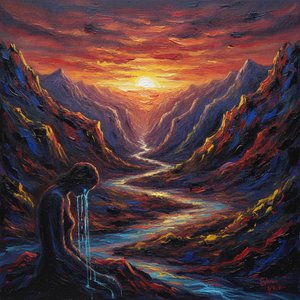
Capturing Emotion: A Journey Through the Soul of Expressionist Landscapes
Explore the profound emotional depth of Expressionist landscapes. Discover how Post-Impressionist masters moved beyond light to capture the soul through vibrant color and form. A curated journey for true art lovers seeking the beauty of expressive mastery.
Esplora le opere d'arte organizzate per temi, stili e caratteristiche.


