

 Anteprima in scala reale
 Invia
Invia Condividi
 Dettagli opera
 Guida
Guida

 Scarica
 Simili
 Radiografia
 Slideshow
 Q&A
Q&A Statistiche
Virgin and Child in Glory

- 1690.0 x 2360.0 cm


Experience the serene beauty of Murillo's 'Virgin and Child in Glory,' a masterpiece depicting Mary cradling Jesus amidst angelic figures—a pivotal piece reflecting Baroque artistry and beloved by English collectors.
 Espandi i dettagli
Murillo (1618-1682): maestro spagnolo del Barocco! Scopri la sua arte religiosa, scene di genere e lo stile luminoso che ha affascinato generazioni.
Giclée / Stampe d'arte
Stampa giclée o su tela di qualità museale, con produzione rapida e diverse opzioni di finitura. ( Acquista il dipinto realizzato a mano Passa all'immagine digitale)




P118B €10

P118H €10

P118W €10

P438Z €10

P508JH €12

P508YH €12

P805H €10

P805Z €10

P919BZ €10

P919G €10

P919XJ €10

P959ZH €10

P968JZ €12

W106C €8

W218G €10

W218JH €8

W218Y €10

W307PJ €10

W316G €10

W316PJ €8

W316Y €10

W398PJ €8

W4111J €10

W500HY €15

W500JH €15

W692G €12

W849H €8

W940BG €15

W953PJ €8




Formato standard
su misura
CM
INCH
Scegli tra le nostre dimensioni predefinite, che rispettano le proporzioni originali dell'opera d'arte.
Loading sizes...

larghezza
altezza
Inserisci la larghezza e l'altezza desiderate, per adattarle alla tua cornice o alla tua parete. Una stampa può essere solo ritagliata, mai resa più grande dell'immagine originale; pertanto, un formato con una forma differente comporterà la perdita di una parte dell'opera. Ti invieremo un mockup digitale da approvare prima di procedere con la stampa. L'immagine mostrata in questa pagina non rappresenta il ritaglio reale — solo il mockup lo mostra.
Consegna in tutto il mondo () in 2 settimane invece delle normali 4/5 settimane. (2 Novembre)

Spedizione espressa gratuita in tutto il mondo

Tela in lino di alta qualità

Assicurazione completa sulla spedizione

Garanzia di rimborso dei dazi doganali

Garanzia di fedeltà cromatica assoluta

Politica di reso entro 100 giorni (solo per difetti di fabbricazione)

Garanzia di rimborso al 100%

Offerta per acquisti multipli
 L'opzione vetro è disponibile solo per dimensioni inferiori a 110 cm

Virgin and Child in Glory
Giclée / Stampe d'arte
Dimensioni riproduzione
-


Prezzo finale calcolato
€ 61
A Vision Illuminated: Murillo’s Virgin and Child
Bartolomé Esteban Murillo's “Virgin and Child in Glory,” completed in 1673, stands as a cornerstone of Baroque art—a testament to Seville’s artistic prowess during its zenith. More than merely depicting religious iconography, the painting embodies a profound spiritual contemplation, capturing the essence of Andalusian piety and foreshadowing stylistic developments that would resonate throughout Europe.
- Subject Matter: The artwork portrays Mary cradling Jesus Christ in her arms, an image deeply rooted in Christian tradition representing purity, compassion, and divine grace.
- Style & Technique: Murillo’s signature style is characterized by its serene stillness and luminous palette—a deliberate departure from the dramatic chiaroscuro favored by Caravaggio. He employs a soft, diffused light that bathes the figures in an ethereal glow, creating an atmosphere of tranquility and reverence.
- Material & Medium: Executed primarily in oil paint on canvas, Murillo utilized meticulous layering techniques to achieve remarkable textural detail—particularly evident in the drapery folds and the delicate features of the Virgin Mary and Child Jesus.
Historical Context: Seville’s Artistic Renaissance
The painting emerged during a period of significant cultural transformation in Spain, fueled by papal patronage and burgeoning mercantile activity. Seville, as the wealthiest port city in Europe, served as a crucible for artistic innovation—drawing inspiration from Italian Baroque masters while maintaining its own distinctive Andalusian sensibility. Murillo’s work reflects this dynamic interplay between tradition and experimentation.
- Religious Influence: The Habsburg monarchy actively promoted Catholicism throughout its dominions, commissioning monumental artworks intended to inspire piety and reinforce royal authority.
- Patronage & Commission: “Virgin and Child in Glory” was commissioned for the Archbishop of Seville’s palace chapel—a prestigious honor that underscored Murillo's reputation as one of Spain’s foremost artists.
Symbolism & Emotional Resonance
Beyond its formal beauty, the painting is laden with symbolic significance. The Virgin Mary’s posture exudes maternal tenderness and unwavering devotion—a visual embodiment of Christian virtues. The cherubs flanking the figures convey angelic guardianship and symbolize divine grace. Murillo skillfully captures not only the outward appearance but also the inner emotional state of his subjects, conveying a sense of profound serenity and spiritual contemplation.
- Light & Shadow: Murillo’s masterful use of light—particularly the subtle luminescence emanating from the left-hand corner—creates an illusionistic depth that draws viewers into the scene.
- Color Palette: Predominantly shades of brown, red, and gold contribute to the painting's aged patina—suggesting a timeless quality and evoking associations with royal splendor and spiritual devotion.
Legacy & Influence
"Virgin and Child in Glory" profoundly impacted subsequent artistic movements—anticipating the stylistic refinements of Rococo art and establishing Murillo as an enduring icon of Baroque idealism. Its serene beauty continues to inspire collectors and interior designers alike, offering a glimpse into the spiritual heart of seventeenth-century Spain.
Domande e risposte
In che anno è stata realizzata "Virgin and Child in Glory"?
"Virgin and Child in Glory" risale al 1673. Questa data colloca l'opera all'interno della carriera di Bartolome Esteban Murillo e del suo periodo storico.
"Virgin and Child in Glory" di Bartolome Esteban Murillo è un dipinto, un disegno o una stampa?
"Virgin and Child in Glory" è un'opera in Opere da parete.
Per quale uso è consigliata una riproduzione di "Virgin and Child in Glory" di Bartolome Esteban Murillo?
L'uso suggerito per "Virgin and Child in Glory" di Bartolome Esteban Murillo è Accento cromatico. Può essere impiegato anche per altri scopi.
Biografia dell'artista
La Vita e la Formazione di Bartolomé Esteban Murillo
Bartolomé Esteban Murillo, un pittore spagnolo barocco di spicco, nacque a Siviglia, in Spagna, alla fine del dicembre 1617 e fu battezzato il 1° gennaio 1618. Era il figlio più giovane di Gaspar Esteban e María Pérez, con una famiglia di quattordici figli. Dopo la morte dei suoi genitori nel 1627 e 1628, Murillo divenne sotto la tutela del marito della sua sorella, Juan Agustín Lagares. Murillo iniziò i suoi studi artistici a Siviglia sotto Juan del Castillo, un parente di sua madre, che era anche lui un artista. I suoi primi lavori furono influenzati dall'approccio realista dei pittori Zurbarán, Jusepe de Ribera e Alonzo Cano.L’Evoluzione dello Stile Artistico e le Opere Principali
Lo stile artistico di Murillo si evolse nel tempo, inizialmente influenzato dalla pittura fiamminga e dal "trattato sulle immagini sacre" di Molanus. Man mano che maturava, il suo lavoro sviluppò uno stile raffinato che si adattava ai gusti borghesi e aristocratici dell'epoca, in particolare nelle sue opere religiose cattoliche romane.- Giovane uomo con un cesto di frutta o personificazione dell’estate (c. 1640-50), che mostra il suo approccio realista iniziale.
- Il giovane mendicante (c. 1645, Musée du Louvre, Parigi, Francia), a dimostrazione dell'influenza di Velázquez.
- San Girolamo (c. 1650-52), che esemplifica il suo stile maturo, delicatamente luminoso.
Influenze e Eredità
Murillo fu influenzato da diversi artisti, tra cui Zurbarán per il suo realismo, Velázquez per la sua abilità nel catturare l'umanità dei soggetti e i pittori fiamminghi per la loro attenzione ai dettagli e alla luce. Il suo stile ebbe un impatto significativo su altri artisti, tra cui Thomas Gainsborough e Jean-Baptiste Greuze. Murillo ebbe numerosi allievi e seguaci, assicurando la sua reputazione in Spagna e la sua fama in tutta Europa. La sua influenza si estese ben oltre il suo tempo, ispirando generazioni di pittori successivi.Opere Significative e Musei che Espongono i Suoi Dipinti
Le opere di Murillo sono esposte in numerosi musei in tutto il mondo, tra cui:- Museo del Prado (Madrid, Spagna)
- Ermitage Museum (San Pietroburgo, Russia)
- Wallace Collection (Londra)
- Timken Museum of Art (San Diego, con Cristo sulla Croce)
- Krannert Art Museum (Champaign, Illinois, con Cristo dopo la flagellazione)

Bartolome Esteban Murillo
1618 - 1682 , Spagna
Dettagli rapidi
- Artisti Influenti:
- Zurbarán
- Jusepe de Ribera
- Alonzo Cano
- Velázquez
- Artisti Influenzati:
- Gainsborough
- Greuze
- Data Di Nascita: Dicembre 1617/Gennaio 1618
- Luogo Di Nascita: Siviglia, Spagna
- Movimento Artistico: Barocco spagnolo
- Nazionalità: Spagnola
- Nome Completo: Bartolomé Esteban Murillo
- Opere Notevoli:
- Giovane con cesta di frutta
- Il giovane mendicante
- San Girolamo
- Adorazione dei Pastori
- Bambino Gesù che distribuisce pane
Articoli correlati

Bartolomé Esteban Murillo: Luce Divina e Commento Sociale nella Siviglia dell'Età d'Oro
Esplora la vita e le opere di Bartolomé Esteban Murillo, maestro del Siglo de Oro spagnolo. Analisi approfondite delle sue tele religiose e impegno sociale. Guida per collezionisti.

Il Dramma Barocco: Portare Splendore ed Emozione negli Interni Contemporanei
Scopri come portare il dramma e lo splendore dell'arte barocca nei tuoi interni con . Riproduzioni di alta qualità, consulenza d'arte personalizzata e ispirazione per uno stile unico.

The Visceral Stage: Exploring Dramatic Narratives & Emotional Intensity in Baroque Art
Explore the dramatic world of Baroque art! Discover iconic masters like Caravaggio & Rembrandt, their techniques, and the movement's lasting impact. Expert insights for collectors & enthusiasts at TopImpressionists.

The Dramatic Flourish: Exploring the Baroque Movement's Enduring Legacy in Art History
Explore the dramatic world of Baroque art! Discover iconic artists like Caravaggio & Rubens, defining techniques, and its lasting impact on art history. Expert insights for collectors & enthusiasts at TopImpressionists.
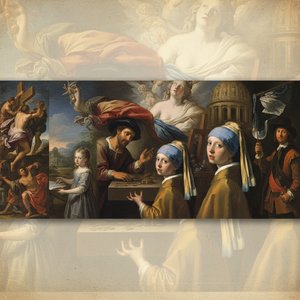
I 10 Capolavori Barocchi che Hanno Definito un'Epoca | Arte e Decorazioni di Lusso
Esplora i 10 capolavori barocchi di Caravaggio, Bernini e Rembrandt che hanno rivoluzionato l'arte. Scopri storie, tecniche e colori iconici. Trova riproduzioni d'arte di alta qualità per la tua casa su !
Esplora le opere d'arte organizzate per temi, stili e caratteristiche.


