


 Anteprima in scala reale
 Invia
Invia Condividi
 Dettagli opera
 Guida
Guida

 Scarica
 Simili
 Radiografia
 Slideshow
 Statistiche
The Red Hat (Margaret Meninsky)
 Oil
Oil- WallArt
- Post-Impressionism
 1919
1919- Modern
 114.0 x 76.0 cm
 Galleria d’Arte Ferens
Admire 'The Red Hat' by Bernard Meninsky (1919). A poignant portrait capturing a woman in red, reflecting Post-Impressionist style & WWI era. Hand-painted reproduction available.
 Espandi i dettagli
Bernard Meninsky (1891-1950) è stato un pittore britannico noto per figure evocative, paesaggi e commoventi scene 'Madre e bambino'. Artista della Slade School e ufficiale artista di guerra, la sua opera riflette il Post-Impressionismo.
Giclée / Stampe d'arte
Stampa giclée o su tela di qualità museale, con produzione rapida e diverse opzioni di finitura. ( Acquista il dipinto realizzato a mano Passa all'immagine digitale)




P118B €10

P118H €10

P118W €10

P438Z €10

P508JH €12

P508YH €12

P805H €10

P805Z €10

P919BZ €10

P919G €10

P919XJ €10

P959ZH €10

P968JZ €12

W106C €8

W218G €10

W218JH €8

W218Y €10

W307PJ €10

W316G €10

W316PJ €8

W316Y €10

W398PJ €8

W4111J €10

W500HY €15

W500JH €15

W692G €12

W849H €8

W940BG €15

W953PJ €8




Formato standard
su misura
CM
INCH
Scegli tra le nostre dimensioni predefinite, che rispettano le proporzioni originali dell'opera d'arte.
Loading sizes...

larghezza
altezza
Inserisci la larghezza e l'altezza desiderate, per adattarle alla tua cornice o alla tua parete. Una stampa può essere solo ritagliata, mai resa più grande dell'immagine originale; pertanto, un formato con una forma differente comporterà la perdita di una parte dell'opera. Ti invieremo un mockup digitale da approvare prima di procedere con la stampa. L'immagine mostrata in questa pagina non rappresenta il ritaglio reale — solo il mockup lo mostra.
Consegna in tutto il mondo () in 2 settimane invece delle normali 4/5 settimane. (25 Ottobre)

Spedizione espressa gratuita in tutto il mondo

Tela in lino di alta qualità

Assicurazione completa sulla spedizione

Garanzia di rimborso dei dazi doganali

Garanzia di fedeltà cromatica assoluta

Politica di reso entro 100 giorni (solo per difetti di fabbricazione)

Garanzia di rimborso al 100%

Offerta per acquisti multipli
 L'opzione vetro è disponibile solo per dimensioni inferiori a 110 cm

The Red Hat (Margaret Meninsky)
Giclée / Stampe d'arte
Dimensioni riproduzione
-


Prezzo finale calcolato
€ 61
A Moment Frozen in Crimson: The Soul of Meninsky’s Portraiture
In the quiet intimacy of The Red Hat, painted in 1919, we are invited into a world that feels both profoundly personal and timelessly poised. Bernard Meninsky, an artist whose life was shaped by the shifting shadows of early 20th-century Europe, captures here more than just a seated figure; he captures a breath held in time. The focal point is a woman, her presence commanding yet contemplative, draped in the striking brilliance of a red hat that serves as the painting's emotional and visual heartbeat. As she gazes downward at something cradled in her hands, there is an unmistakable sense of introspection, a private moment of reflection that pulls the viewer into her silent dialogue with herself.
The composition is masterfully layered, creating a sense of depth that extends far beyond the primary subject. While the woman occupies the heart of the frame, the background breathes with the subtle presence of others—a standing figure and a seated companion—suggesting a larger social tapestry from which this moment has been momentarily carved out. A delicate bird flutters near the upper periphery, adding a touch of ephemeral life, while a decorative vase on the left anchors the scene with a sense of domestic permanence. This interplay between the singular focus of the woman and the soft, receding details of her surroundings creates a rich, atmospheric environment that feels lived-in and authentic.
Technique and the Post-Impressionist Legacy
Executed during the transformative years following the Great War, this work reflects the nuanced influence of Post-Impressionism. Meninsky avoids the fractured geometry of Cubism, opting instead for a style that prioritizes form, light, and emotional resonance. The technique is characterized by a deliberate use of color and texture; the vibrant crimson of the hat is not merely a pigment but a structural element that directs the eye and sets the tonal temperature of the entire piece. Through careful brushwork, Meninsky achieves a tactile quality, where the weight of the fabric and the softness of the skin feel almost tangible to the observer.
For the discerning collector or interior designer, this painting offers a sophisticated balance of bold color and muted subtlety. The way the light interacts with the various elements of the composition—the sheen on the vase, the soft contours of the figures in the background—demonstrates a mastery of chiaroscuro that brings a sense of drama to any space. It is a piece that does not merely hang on a wall; it commands the room, providing a focal point that invites long periods of study and quiet admiration.
An Eternal Elegance for Modern Interiors
Beyond its historical significance, The Red Hat possesses an enduring aesthetic appeal that transcends the era of its creation. It embodies a sense of "quiet luxury"—a sophisticated elegance that complements both classical and contemporary interior design schemes. Whether placed in a sunlit gallery or a moody, library-style study, the painting’s rich palette and narrative depth provide a layer of intellectual and emotional sophistication.
Owning a high-quality hand-painted reproduction of this masterpiece allows one to bring the poignant beauty of Meninsky’s vision into the modern home. It serves as a bridge to the past, offering a window into the soulful, emotive art of 1919. For those seeking to curate a collection that speaks of history, human connection, and the timeless allure of color, this work stands as an incomparable choice, promising to inspire anyone who pauses to look upon its crimson crown.
Domande e risposte
Qual è l'atmosfera di "The Red Hat (Margaret Meninsky)" di Bernard Meninsky?
"The Red Hat (Margaret Meninsky)" emana un'atmosfera Nostalgic.
È disponibile il download di "The Red Hat (Margaret Meninsky)"?
Puoi scaricare "The Red Hat (Margaret Meninsky)" di Bernard Meninsky dalla pagina Scarica l'opera dell'opera, come download di un'immagine digitale ad alta risoluzione.
In che modo tecnica e movimento si fondono in "The Red Hat (Margaret Meninsky)"?
"The Red Hat (Margaret Meninsky)" di Bernard Meninsky unisce la tecnica Oil allo stile Post-Impressionism. La tecnica e il movimento definiscono la realizzazione e l'estetica dell'opera.
Opere simili


Biografia dell'artista
Bernard Meninsky: Una vita dipinta tra ombre e luce
Nato a Konotop, in Ucraina – un luogo intriso di eredità sia ucraina che yiddish – il percorso artistico di Bernard Meninsky ebbe inizio lontano dai frenetici centri d'arte londinesi. La sua infanzia, segnata da un rapido trasferimento a Liverpool con la famiglia, gettò le basi per un artista profondamente sintonizzato con l'emozione umana e la quieta dignità dei momenti quotidiani. Nonostante l'abbandono dell'istruzione formale all'età di undici anni, emerse rapidamente un talento straordinario per il disegno, che lo portò a ottenere borse di studio capaci di proiettata verso la prestigiosa Slade School of Fine Art nel 1912. Questo periodo cruciale non rappresentò solo una formazione tecnica; fu un'immersione trasformativa nel fiorente mondo dell'arte moderna, profondamente influenzato da figure come Walter Sickert e Henry Tonks, sfidando al contempo le norme consolidate sostenute da Roger Fry.
Il rifiuto della Slade verso i movimenti d'avanguardia – in particolare il Cubismo – plasmò l'approccio di Meninsky. Egli non abbracciò immediatamente la sperimentazione radicale, ma sviluppò invece uno stile distintivo caratterizzato da figure evocative, paesaggi toccanti e, soprattutto, dalle sue commoventi scene "Madre e Bambino". Queste opere, imbevute di un senso di malinconia e forza silenziosa, divennero il tratto distintivo della sua produzione. Il suo tempo alla scuola favorì legami che si sarebbero rivelati inestimabili durante tutta la sua carriera, tra cui un'amicizia duratura con William Roberts e il mentore Walter Sickert, che fornì una piattaforma cruciale per il suo lavoro.
L'occhio dell'artista di guerra
La Prima Guerra Mondiale alterò irrevocabilmente la traiettoria di Meninsky. Arruolatosi nei Royal Fusiliers nel 1918, passò al ruolo di artista di guerra sotto il British War Memorials Committee, documentando le realtà del conflitto con onestata incrollabile e sensibilità. I suoi dipinti bellici – in particolare "L'arrivo del treno per la licenza, Victoria Station" – offrono uno sguardo potente sulle vite dei soldati che tornavano a casa, catturando la loro stanchezza, il desiderio e la silenziosa resilienza. Queste opere non erano semplici raffigurazioni della battaglia; erano ritratti intimi dell'esperienza umana in mezzo alla devastazione. L'impegno di Meninsky in questo ruolo andò oltre la mera osservazione; egli cercò di trasmettere il peso emotivo della guerra, riflettendo una profonda empatia per coloro che ne furono colpiti.
Dopo la guerra, Meninsky proseguì la sua carriera di insegnante alla Central School of Arts and Crafts, coltivando una nuova generazione di artisti. La sua dedizione all'insegnamento era eguagliata da una fede incrollabile nel potere dell'arte di illuminare la condizione umana. Il suo lavoro durante questo periodo rifletté uno spostamento verso una maggiore introspezione, con un focus su scene domestiche e relazioni familiari – in particolare la sua celebre serie "Madre e Bambino". Questi dipinti, resi con toni smorzati e intrisi di un senso di intima quiete, divennero sempre più centrali per la sua identità artistica.
Stile e influenze
Lo stile di Meninsky è spesso descritto come post-impressionista, eppure egli sviluppò una voce unica che trascendeva le semplici categorizzazioni. Assorbì i colori audaci e la pennellata espressiva di artisti come Cézanne e Van Gogh, ma li temperò con una sensibilità distintamente britannica. I suoi paesaggi sono caratterizzati da una prospettiva atmosferica e un uso sottile del colore, mentre le sue figure possiedendo un notevole senso di realismo combinato con profondità emotiva. L'influenza di Walter Sickert è particolarmente evidente nell'uso della luce e dell'ombra da parte di Meninsky, così come nella sua capacità di catturare l'umore e l'atmosfera di una scena.
L'impatto delle sue esperienze belliche plasmò indubbiamente la sua visione artistica. Il trauma della guerra gli instillò un profondo apprezzamento per la fragilità della vita e l'importanza del legame umano. Questa sensibilità è trasmessa con forza nei suoi dipinti "Madre e Bambino", che non sono semplici raffigurazioni sentimentali, ma piuttosto profonde meditazioni sulla maternità, la perdita e la speranza. La sua opera si erge come una testimonianza dell'eterno potere dell'arte di testimoniare la storia ed esplorare le complessità dello spirito umano.
Eredità e rilevanza continua
L'eredità di Bernard Meninsky si estende oltre i suoi singoli dipinti. Fu una figura significativa del London Group e contribuì allo sviluppo del modernismo britannico. Il suo lavoro continua a risuonare negli spettatori di oggi, offrendo un toccante promemoria dell'eterno potere dell'arte di catturare l'esperienza umana. L'Imperial War Museum custodisce una collezione sostanziale delle sue opere belliche, garantendo che le sue potenti raffigurazioni del conflitto continuino a essere studiate e apprezzate per le generazioni a venire. Anche la sua dedizione all'insegnamento ha lasciato un segno indelebile nel panorama artistico della Gran Bretagna, plasmando le carriere di innumerevoli artisti aspiranti.

Bernard Meninsky
1891 - 1950 , Ucraina
Dettagli rapidi
- Artistic Movement Or Style: Post-Impressionismo
- Artists Or Movements Influenced By This Artist:
- Bomberg
- Roberts
- Artists Who Influenced This Artist:
- Cézanne
- Sickert
- Date Of Birth: 1891
- Date Of Death: 1950
- Full Name: Bernard Meninsky
- Nationality: Britannico
- Notable Artworks:
- Il cappello rosso
- Studio di alberi
- Natura morta con mele
- Place Of Birth: Konotop, Ucraina
Articoli correlati

I 10 Capolavori Post-Impressionisti che Hanno Rivoluzionato l'Arte e la Decorazione d'Interni
Esplora i 10 capolavori del Post-Impressionismo con Van Gogh, Monet e Cézanne. Scopri le storie dietro questi dipinti iconici e lasciati ispirare per la tua decorazione d'interni. Stampe su tela di alta qualità su !

Beyond Impressionism: Exploring the Emotional Depth of Post-Impressionist Painting
Explore the profound emotional depth & innovative techniques of Post-Impressionism with TopImpressionists. Discover Cézanne, Van Gogh, Gauguin & more – and their lasting impact on modern art.
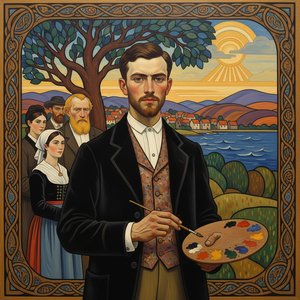
Émile Bernard: Pioniere del Sintetismo e la Ricerca dell'Essenza nell'Avanguardia Post-Impressionista
Esplora la vita e l'opera di Émile Bernard, pioniere del Sintetismo con Paul Gauguin a Pont-Aven. Analisi approfondite, contesto storico e l'influenza rivoluzionaria di questo movimento artistico post-impressionista.

Impressionismo e Postimpressionismo: Evoluzione, Caratteristiche Distintive e Influenze Reciproche
Esplora l'evoluzione dell'Impressionismo e del Postimpressionismo con la nostra guida esperta. Scopri i maestri, le tecniche e l'influenza di questi movimenti artistici rivoluzionari.

Impressionismo vs Post-Impressionismo: L'Evoluzione Maestosa tra Luce Fugace ed Espressione dell'Anima
Esplora il passaggio sublime dall'Impressionismo al Post-Impressionismo. Scopri come la luce di Monet si è trasformata nell'emozione di Van Gogh e Cézanne attraverso le nostre pregiate riproduzioni a olio, realizzate a mano per collezionisti esigenti che cercano autenticità ed eccellenza.