Anteprima in scala reale
 Invia
Invia Condividi
 Dettagli opera
 Guida
Guida

 Scarica
 Simili
 Radiografia
 Slideshow
 Statistiche
Diego Martelli
 Olio su tela
- Arte da parete
- Movimento Impressionista
 1879
1879- XIX secolo
 110.0 x 100.0 cm
Il ritratto di Degas su Martelli incarna lo stile impressionista. Un'opera unica del 1879 da possedere.
 Espandi i dettagli
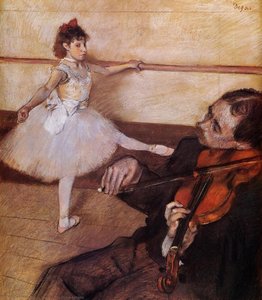
Scopri "Danzatori", un affascinante dipinto al pastel di Edgar Degas (1834-1917), maestro dell'impressionismo e del balletto. Un'opera che cattura il movimento e l'eleganza con colori vibranti e pose dinamiche.
Riproduzione a olio fatta a mano
Olio su tela dipinto a mano nelle tue dimensioni e con la tua cornice, realizzato su ordinazione dai nostri artisti. ( Passa alle stampe Passa all'immagine digitale)




P118B €10

P118H €10

P118W €10

P438Z €10

P508JH €12

P508YH €12

P805H €10

P805Z €10

P919BZ €10

P919G €10

P919XJ €10

P959ZH €10

P968JZ €12

W106C €8

W218G €10

W218JH €8

W218Y €10

W307PJ €10

W316G €10

W316PJ €8

W316Y €10

W398PJ €8

W4111J €10

W500HY €15

W500JH €15

W692G €12

W849H €8

W940BG €15

W953PJ €8




Formato standard
su misura
CM
INCH
Scegli tra le nostre dimensioni predefinite, che rispettano le proporzioni originali dell'opera d'arte.
Loading sizes...

larghezza
altezza
Inserisci la larghezza e l'altezza desiderate, per adattarle alla tua cornice o alla tua parete. Trattandosi di un'opera dipinta a mano, in caso di dimensioni con un formato differente, l'artista può estendere leggermente il dipinto oltre i bordi dell'immagine o ritagliare una piccola parte — la scelta spetta a te. Ti invieremo un mockup digitale da approvare prima che la realizzazione abbia inizio. L'immagine mostrata in questa pagina non rappresenta il risultato finale — solo il mockup lo fa.
Esempi di ciò che può essere modificato: sostituire il volto con una foto del cliente; aggiungere un animale domestico (ad esempio, sostituire un gatto con un cane); inserire un messaggio nascosto nello sfondo; cambiare il paesaggio o gli elementi dello sfondo.
Dopo l'ordine, il team di TopImpressionists.com contatterà il cliente via e-mail per ricevere le istruzioni e fornirà un'anteprima del mockup
Dopo l'ordine, il team di TopImpressionists.com contatterà il cliente via e-mail per ricevere le istruzioni e fornirà un'anteprima del mockup
Consegna in tutto il mondo () in 3/4 settimane anziché nelle normali 5 settimane. (28 Ottobre). Nessun compromesso sulla qualità.

Spedizione espressa gratuita in tutto il mondo

Tela in lino di alta qualità

Assicurazione completa sulla spedizione

Garanzia di rimborso dei dazi doganali

Garanzia di fedeltà cromatica assoluta

Politica di reso entro 100 giorni (solo per difetti di fabbricazione)

Garanzia di rimborso al 100%

Offerta per acquisti multipli
 L'opzione vetro è disponibile solo per dimensioni inferiori a 110 cm

Diego Martelli
Tecnica di riproduzione
Dimensioni riproduzione
-


Prezzo finale calcolato
€ 237
Diego Martelli: Un Ritratto di Influenza Artistica
L'opera di Edgar Degas, “Diego Martelli”, dipinta nel 1879, è molto più di un semplice ritratto; è un tableau costruito con cura che riflette il mondo nascente dell'Impressionismo e il ruolo cruciale giocato dai suoi sostenitori. Questa scena intima cattura Diego Martelli, critico d'arte italiano fondamentale per la promozione di questo movimento rivoluzionario in Italia, seduto comodamente sul pavimento, perso nei suoi pensieri. La maestria di Degas nel gestire la luce e la forma, unita a una comprensione sottile ma profonda del carattere del suo soggetto, eleva “Diego Martelli” a un'opera significativa all'interno dell'intero percorso artistico del maestro.
Il dipinto ritrae Diego Martelli non come una figura monumentale, ma come un partecipante attivo nel discorso artistico dell'epoca. Il suo legame con i Macchiaioli – un gruppo di artisti toscani noti per il loro audace realismo e il rifiuto delle convenzioni accademiche – testimonia l'interesse di Degas per gli approcci innovativi all'arte. La composizione è ingannevolmente semplice, eppure straordinariamente efficace: la postura seduta di Martelli, con le mani intrecciate, trasmette un'aria di quieta intensità. Degas impiega le sue iconiche pennellate — segni liberi e visibili che catturano gli effetti fugaci della luce — per creare un senso di immediatezza e movimento.
La tavolozza smorzata, dominata da toni bruni, grigi e ocra, è caratteristica della tecnica impressionista, privilegiando il gioco della luce sulle superfici piuttosto che una rappresentazione cromatica precisa. Degas utilizza con abilità i punti di luce per definire i lineamenti di Martelli e creare un senso di profondità all'interno dello spazio ristretto.
Decodificare il Simbolismo Interiore
Oltre alla sua brillantezza tecnica, “Diego Martelli” è ricco di un simbolismo sottile. Gli oggetti accuratamente disposti attorno a Martelli – una palla da gioco, due libri e un orologio – non sono semplici elementi decorativi; essi offrono indizi sulle sue aspirazioni intellettuali e sulla sua vita quotidiana. La presenza della palla suggerisce un apprezzamento per il tempo libero e forse un legame con le vivaci cerchie sociali in cui si muoveva. I libri accennano ai suoi interessi accademici e al suo impegno con la teoria dell'arte. L'orologio, posizionato discretamente sopra la sua testa, funge da toccante promemoria del passare del tempo, un tema frequentemente esplorato da Degas nelle sue opere.
Anche la sedia stessa riveste un ruolo significativo, suggerendo comfort e contemplazione, rispecchiando il ruolo di Martelli come critico riflessivo. La palla e i libri rappresentano, infine, la dualità della vita di Martelli: il suo coinvolgimento sia con la creazione artistica che con il discorso intellettuale.
L'Eredità di Degas e l'Importanza del Dipinto
“Diego Martelli” esemplifica l'approccio unico di Degas alla ritrattistica, andando oltre la mera somiglianza per catturare l'essenza e la personalità del soggetto. È una testimonianza delle sue acute capacità osservative e della sua abilità nel tradurre idee complesse in forma visiva. La creazione del dipinto coincise con un momento cruciale nella storia dell'arte, mentre l'Impressionismo guadagnava slancio sfidando le tradizionali convenzioni artistiche. La sua attuale collocazione presso la National Gallery of Scotland assicura che continui a essere ammirato dalle generazioni di amanti dell'arte.
Questa riproduzione meticolosamente realizzata vi permette di sperimentare il pieno impatto della visione di Degas: un ritratto affascinante che dice molto sull'influenza artistica, la curiosità intellettuale e il potere duraturo della luce e dell'ombra.
Domande e risposte
"Diego Martelli" presenta forti contrasti chiaroscurali?
Il livello di contrasto di "Diego Martelli" di Hilaire-Germain-Edgar Degas è Vivace.
È possibile visualizzare un'anteprima di "Diego Martelli" di Hilaire-Germain-Edgar Degas prima dell'ordine?
È disponibile un'anteprima di "Diego Martelli" di Hilaire-Germain-Edgar Degas nella pagina Anteprima in ambiente dell'opera.
"Diego Martelli" di Hilaire-Germain-Edgar Degas utilizza forti contrasti o armonie delicate?
In "Diego Martelli", un Vivace contrasto si sposa con una Tavolozza dai toni sfumati armonia.
Opere simili


Biografia dell'artista
A Life Immersed in Movement: The World of Edgar Degas
Hilaire-Germain Edgar De Gas was born July 19, 1834, Paris, France—died September 27, 1917, Paris (aged 83), and is considered one of the most complex and innovative figures of his generation. He was the eldest son of Célestine Musson De Gas, a Creole from New Orleans, and he reinforced his formal academic art training by copying Old Master paintings both in Italy, where he spent three years (1856–1859), and at the Louvre. Degas early on developed a rigorous drawing style and a respect for line that he would maintain throughout his career. His first independent works were portraits and history paintings but in the early 1860s he began to paint scenes from modern life. He started with the world of horse racing and by the end of the decade, he was already experimenting with new techniques and exploring unconventional compositions—a departure from the traditional academic art favored by many of his contemporaries.Beyond Impressionism: A Unique Artistic Vision
While contemporaries like Monet chased the fleeting effects of light outdoors, Degas largely worked within the confines of his studio, meticulously constructing scenes from observation and memory. His subject matter was decidedly modern—a departure from the historical or mythological themes favored by many academic painters. He found inspiration in the everyday lives of Parisians: laundresses, cabaret singers, milliners, and, most famously, dancers. It is this fascination with ballet that defines much of his oeuvre. Degas didn’t simply paint beautiful ballerinas; he captured the grueling reality of their profession—the endless rehearsals, the physical strain, the fleeting moments of grace amidst a world of hard work. His compositions are often unconventional, cropping figures in unexpected ways and utilizing asymmetrical arrangements that create a sense of dynamism and immediacy. He was a master of capturing movement, not through blurred lines or hazy effects, but through precise observation and careful rendering of form. Dancer, A Group of Dancers, and Women Combing Their Hair are prime examples of this dedication to portraying the human figure in motion and revealing the complexities of modern life.Influences and Artistic Development
Degas’s artistic journey was shaped by a diverse range of influences. His early training emphasized classical principles, particularly the work of Jean-Auguste-Dominique Ingres, whose emphasis on draftsmanship and precise form left a lasting impression. However, Degas also admired the Realists, such as Gustave Courbet, who challenged academic conventions and championed the depiction of contemporary life. A pivotal moment in his development came through his association with Camille Pissarro, a leading Impressionist who introduced him to other artists and encouraged him to experiment with new techniques. He was captivated by Japanese prints—Ukiyo-e—which influenced his use of asymmetrical compositions, flattened perspectives, and bold patterns. He also embraced photography, recognizing its potential as a tool for studying movement and capturing fleeting moments in time. This willingness to incorporate diverse influences into his work is what sets Degas apart and contributes to the unique character of his art.Major Achievements & Legacy
Degas’s prolific output spanned painting, sculpture, printmaking, and drawing—demonstrating an unparalleled mastery across multiple mediums. He achieved renown for his portraits of prominent figures—including artists, writers, and intellectuals—capturing their psychological depth with remarkable sensitivity. His ballet paintings revolutionized the genre, portraying dancers not as idealized beauties but as human beings grappling with physical exertion and emotional vulnerability. Furthermore, Degas’s exploration of horse racing and jockeying offered a fresh perspective on sport and social life. He was recognized as one of the most influential artists of his time, shaping the trajectory of modern art and inspiring generations of subsequent painters. His legacy continues to resonate today, celebrated for its innovation, honesty, and profound understanding of human experience. Museums worldwide—including the Musée d'Orsay and the Musée de l’Orangerie in Paris—house significant collections of his paintings, pastels, sculptures, and prints, ensuring that his artistic vision will endure for centuries to come.
Hilaire-Germain-Edgar Degas
1834 - 1917 , Francia
Dettagli rapidi
- Artistic Movement Or Style: Impressionismo, Realismo
- Artists Or Movements Influenced By This Artist:
- Pablo Picasso
- Henri Matisse
- Artists Who Influenced This Artist:
- Jean-Auguste-Dominique Ingres
- Camillo Pissarro
- Date Of Birth: 1834
- Full Name: Hilaire-Germain Edgar De Gas
- Nationality: Francese
- Notable Artworks:
- Danzatori
- Due ballerine con gonne verdi
- Place Of Birth: Paris, France
Articoli correlati

TopImpressionists.com F.A.Q.: Poster Premium – Colori Vividi e Qualità d'Archivio per il Tuo Design
Scopri la precisione cromatica e l'archivio dei nostri poster premium. Scegli la qualità per i tuoi progetti d'interni.

The Magic of Lithography: Capturing Light and Texture in Every Impressionist Print
Discover the enchanting world of lithography through an Impressionist lens. Explore how this timeless technique captures the luminous light and delicate textures of masters like Monet and Renoir, offering a profound way to bring art history into your home with elegance and soul.

The Magic of Giclée: Bringing Impressionist Masterpieces to Your Walls with Vivid Detail
Discover the breathtaking beauty of Impressionist masterpieces with our museum-quality Giclée prints. Experience vivid detail, archival pigments, and the luminous light of Monet and Van Gogh, expertly preserved to bring timeless elegance and sophisticated artistry into your home.
Esplora le opere d'arte organizzate per temi, stili e caratteristiche.