

Shown: · With its frame:
 Anteprima in scala reale
 Invia
Invia Condividi
 Dettagli opera
 Guida
Guida

 Scarica
 Simili
 Radiografia
 Slideshow
 Q&A
Q&A Statistiche
- 60.0 x 108.0 cm


€ 239
Riproduzione a olio fatta a mano
Olio su tela dipinto a mano nelle tue dimensioni e con la tua cornice, realizzato su ordinazione dai nostri artisti. ( Passa alle stampe Passa all'immagine digitale)
Size
·Formato standard
su misura
CM
INCH
Scegli tra le nostre dimensioni predefinite, che rispettano le proporzioni originali dell'opera d'arte.
Loading sizes...

larghezza
altezza
Inserisci la larghezza e l'altezza desiderate, per adattarle alla tua cornice o alla tua parete. Trattandosi di un'opera dipinta a mano, in caso di dimensioni con un formato differente, l'artista può estendere leggermente il dipinto oltre i bordi dell'immagine o ritagliare una piccola parte — la scelta spetta a te. Ti invieremo un mockup digitale da approvare prima che la realizzazione abbia inizio. L'immagine mostrata in questa pagina non rappresenta il risultato finale — solo il mockup lo fa.
 Scopri di più
Finish
·
White €1

Blurside €1

Extended €1

P118B €10

P118H €10

P118W €10

P438Z €10

P508JH €12

P508YH €12

P805H €10

P805Z €10

P919BZ €10

P919G €10

P919XJ €10

P959ZH €10

P968JZ €12

W106C €8

W218G €10

W218JH €8

W218Y €10

W307PJ €10

W316G €10

W316PJ €8

W316Y €10

W398PJ €8

W4111J €10

W500HY €15

W500JH €15

W692G €12

W849H €8

W940BG €15

W953PJ €8

H24-GOLD €30

H24-SILVER €30

H36-GOLD €45

H36-SILVER €45
Shipped in a protective tube, ready for your own framer.
Above 105 cm the frame is shipped as a kit for a professional framer — read the details.
Extras
optionalWhat do the extras include?
Examples of what can be changed: Replace face with customer photo; Add pet (e.g., replace cat with dog); Include hidden message in background; Change background landscape or elements.
After order, TopImpressionists.com team will email client for instructions and provide a mockup preview
After order, TopImpressionists.com team will email client for instructions and provide a mockup preview
Consegna in tutto il mondo () in 3/4 settimane anziché nelle normali 5 settimane. (3 Novembre). Nessun compromesso sulla qualità.
Vernice protettiva
Didascalia
Dettagli della targhetta in bronzo inciso
This elegant plaque features the artist's name and the title of the artwork, finely engraved for a timeless presentation.
It is made from bronze with a refined, elegant finish. The text is precisely laser-engraved for a sharp and permanent result. Measuring 9x2 cm, the plaque is compact yet easy to read. It's built to be durable and scratch-resistant, offering a professional, museum-quality look. Mounting is simple thanks to the included adhesive backing.
Dettagli della targhetta in acrilico trasparente
The plaque includes essential engraved details such as the artist's name, the title of the artwork, the date it was created, the type of media used-like oil on canvas or watercolor-a brief description of the piece, and a QR code that links to the complete artwork information.
It is crafted from clear acrylic, offering a sleek, modern appearance. The text is UV-engraved in black to ensure strong visual contrast. With a size of 10x15 cm, it ensures optimal readability. It comes equipped with two metal hooks for secure wall mounting. The plaque is designed to be weather-resistant, making it suitable for various environments, and it includes interactive features that work seamlessly with smartphone scanning.
Dettagli della targhetta in acrilico nero
This elegant plaque includes engraved information such as the artist's name, the title of the artwork, the date it was created, the type of media used (like oil on canvas or watercolor), a short description of the artwork, and a QR code for quick access to more information.
The plaque itself is made from refined black acrylic with a premium finish. The text is laser-engraved in white for high contrast and readability. Its size is 10x15 cm, designed to be easy to read. It comes with two metal hooks for professional mounting. The design is sleek and fits any interior style. It is also weather-resistant and durable, with built-in digital integration for mobile compatibility.
L'opzione vetro è disponibile solo per dimensioni inferiori a 110 cm
 L'opzione vetro è disponibile solo per dimensioni inferiori a 110 cm
- Spedizione espressa gratuita in tutto il mondo
- Tela in lino di alta qualità
- Assicurazione completa sulla spedizione
- Garanzia di rimborso dei dazi doganali
- Garanzia di fedeltà cromatica assoluta
- Politica di reso entro 100 giorni (solo per difetti di fabbricazione)
- Garanzia di rimborso al 100%
- Offerta per acquisti multipli


Descrizione del reperto
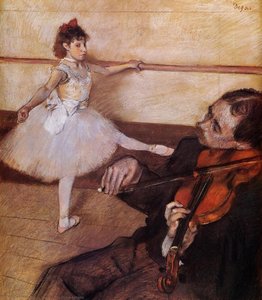
Scopri 'La lezione di danza' di Degas, un affascinante dipinto realista del 1879. Quest'opera iconica cattura movimento e grazia, offrendo uno sguardo senza tempo nel mondo del balletto in uno studio meravigliosamente illuminato.
Biografia dell'artista
Scopri "Danzatori", un affascinante dipinto al pastel di Edgar Degas (1834-1917), maestro dell'impressionismo e del balletto. Un'opera che cattura il movimento e l'eleganza con colori vibranti e pose dinamiche.
About the painting
Un Istante Congelato nel Movimento: ‘La Lezione di Danza’ di Degas
“La Lezione di Danza” di Hilaire-Germain-Edgar Degas, dipinta nel 1879, è molto più di una semplice rappresentazione di ballerine; è una profonda meditazione sull'osservazione, sul movimento e sulla quieta intensità della pratica artistica. Quest'opera affascinante, dalle dimensioni di 60 x 108 cm, offre uno sguardo raro sul mondo dell'addestramento al balletto della fine del XIX secolo, rivelando l'approccio unico di Degas nel catturare momenti fugaci con un realismo straordinario.
- Soggetto: La scena si svolge all'interno di uno studio luminoso, dominato da nove giovani ballerine impegnate nel loro rigoroso allenamento. Le loro posture, espressioni e interazioni sono rese meticolosamente, offrendo un ritratto intimo della dedizione richiesta da questa forma d'arte così esigente.
- Composizione: Degas impiega magistralmente un formato orizzontale per enfatizzare l'ampiezza dello spazio e il movimento lineare delle figure. La disposizione guida l'occhio dello spettatore attraverso la tela, rispecchiando la stessa concentrazione delle danzatrici.
Una Masterclass di Tecnica – La Visione Realista di Degas
Degas resistette deliberatamente alla categorizzazione come Impressionista, preferendo essere riconosciuto per il suo incrollabile impegno verso il realismo. “La Lezione di Danza” ne è l'esempio perfetto. La sua pennellata è fluida ma controllata, capace di creare un senso palpabile di consistenza e volume: il morbido drappeggio dei tutù, il legno consumato del pavimento, la superficie liscia del violoncello. L'uso della luce da parte dell'artista è particolarmente degno di nota; essa si posa drammaticamente sulle danzatrici, mettendone in risalto le forme e accentuando il dramma della scena. Si notino le sottili gradazioni tonali, ottenute attraverso velature di colore stratificate, una tecnica che conferisce profondità e luminosità alla composizione.
- Tavolozza Cromatica: La gamma cromatica, tenue ma vibrante — azzurro uovo di robin, rosa pallido, verde menta, beige, verde muschio, blu denim, rosso, verde smeraldo e giallo canarino — contribuisce significativamente all'atmosfera del dipinto. Questi colori non sono meramente decorativi; sono scelti con cura per evocare un senso di eleganza e, al contempo, la realtà leggermente logora dell'ambiente dello studio.
- Prospettiva e Dettaglio: L'attenzione di Degas al dettaglio è straordinaria. Dalle singole ciocche di capelli alle sottili pieghe degli abiti delle danzatrici, ogni elemento contribola al realismo complessivo dell'opera. I piedi tagliati dal bordo inferiore della tela e la prospettiva leggermente asimmetrica creano un senso di immediatezza, come se fossimo testimoni della scena che si svolge proprio davanti ai nostri occhi.
Simbolismo e Risonanza Emotiva
Oltre alla sua brillantezza tecnica, “La Lezione di Danza” è ricca di significati simbolici. Il violoncello, adagiato sul pavimento, rappresenta sia la disciplina che la profondità emotiva associata alla musica e alla danza. Le pose delle danzatrici — una protesa in avanti con uno sguardo contemplativo, un'altra intenta a sistemare la cintura — suggeriscono momenti di intensa concentrazione e autoconsapevolezza. L'inclusione dello specchio rafforza sottilmente il tema della riflessione e del miglioramento personale, elementi centrali nel processo di formazione al balletto.
- La Danzatrice con il Violoncello: Questa figura è particolarmente toccante, incarnando un momento di introspezione e connessione con la propria arte. La sua posa suggerisce un profondo coinvolgimento con la musica che potrebbe stare ascoltando o immaginando.
- Dinamiche di Gruppo: L'interazione tra le ballerine — lo sguardo condiviso, i gesti sottili — rivela un senso di cameratismo e sostegno reciproco all'interno di questo ambiente così impegnativo.
Contesto Storico e Legacy
Dipinta nel 1879, “La Lezione di Danza” riflette un momento cruciale nella carriera di Degas. L'artista era sempre più attratto dalla cattura di scene della vita quotidiana, in particolare quelle che coinvolgevano le donne — un allontanamento dai soggetti storici e mitologici tradizionali prediletti da molti suoi contemporanei. Quest'opera dimostra la sua fascinazione per il mondo nascente della danza moderna e il suo desiderio di documentarne l'evoluzione. Degas firmò il dipinto semplicemente con il suo cognome, “Degas”, consolidando la sua voce artistica indipendente nel mondo dell'arte. Oggi, questo pezzo rimane una potente testimonianza del genio di Degas: un ritratto senza tempo di dedizione, bellezza e dell'eterno fascino del movimento.
Domande e risposte
Quale tono emotivo accompagna lo stile Realismo Impressionista di "La lezione di danza"?
All'interno del movimento Realismo Impressionista, "La lezione di danza" si distingue per il suo tono Calma e serenità.
Quale tecnica è stata utilizzata per "La lezione di danza" di Hilaire-Germain-Edgar Degas?
La tecnica utilizzata per "La lezione di danza" di Hilaire-Germain-Edgar Degas è Acrilico. Le riproduzioni mirano a restituire l'aspetto di questa tecnica.
A quale fase della carriera di Hilaire-Germain-Edgar Degas appartiene "La lezione di danza" (1879)?
La data del 1879 colloca "La lezione di danza" nel Periodo maturo della carriera di Hilaire-Germain-Edgar Degas.
Quick facts and art quiz
About Hilaire-Germain-Edgar Degas

Hilaire-Germain-Edgar Degas
1834 - 1917, Francia
Biografia dell'artista
A Life Immersed in Movement: The World of Edgar Degas
Hilaire-Germain Edgar De Gas was born July 19, 1834, Paris, France—died September 27, 1917, Paris (aged 83), and is considered one of the most complex and innovative figures of his generation. He was the eldest son of Célestine Musson De Gas, a Creole from New Orleans, and he reinforced his formal academic art training by copying Old Master paintings both in Italy, where he spent three years (1856–1859), and at the Louvre. Degas early on developed a rigorous drawing style and a respect for line that he would maintain throughout his career. His first independent works were portraits and history paintings but in the early 1860s he began to paint scenes from modern life. He started with the world of horse racing and by the end of the decade, he was already experimenting with new techniques and exploring unconventional compositions—a departure from the traditional academic art favored by many of his contemporaries.Beyond Impressionism: A Unique Artistic Vision
While contemporaries like Monet chased the fleeting effects of light outdoors, Degas largely worked within the confines of his studio, meticulously constructing scenes from observation and memory. His subject matter was decidedly modern—a departure from the historical or mythological themes favored by many academic painters. He found inspiration in the everyday lives of Parisians: laundresses, cabaret singers, milliners, and, most famously, dancers. It is this fascination with ballet that defines much of his oeuvre. Degas didn’t simply paint beautiful ballerinas; he captured the grueling reality of their profession—the endless rehearsals, the physical strain, the fleeting moments of grace amidst a world of hard work. His compositions are often unconventional, cropping figures in unexpected ways and utilizing asymmetrical arrangements that create a sense of dynamism and immediacy. He was a master of capturing movement, not through blurred lines or hazy effects, but through precise observation and careful rendering of form. Dancer, A Group of Dancers, and Women Combing Their Hair are prime examples of this dedication to portraying the human figure in motion and revealing the complexities of modern life.Influences and Artistic Development
Degas’s artistic journey was shaped by a diverse range of influences. His early training emphasized classical principles, particularly the work of Jean-Auguste-Dominique Ingres, whose emphasis on draftsmanship and precise form left a lasting impression. However, Degas also admired the Realists, such as Gustave Courbet, who challenged academic conventions and championed the depiction of contemporary life. A pivotal moment in his development came through his association with Camille Pissarro, a leading Impressionist who introduced him to other artists and encouraged him to experiment with new techniques. He was captivated by Japanese prints—Ukiyo-e—which influenced his use of asymmetrical compositions, flattened perspectives, and bold patterns. He also embraced photography, recognizing its potential as a tool for studying movement and capturing fleeting moments in time. This willingness to incorporate diverse influences into his work is what sets Degas apart and contributes to the unique character of his art.Major Achievements & Legacy
Degas’s prolific output spanned painting, sculpture, printmaking, and drawing—demonstrating an unparalleled mastery across multiple mediums. He achieved renown for his portraits of prominent figures—including artists, writers, and intellectuals—capturing their psychological depth with remarkable sensitivity. His ballet paintings revolutionized the genre, portraying dancers not as idealized beauties but as human beings grappling with physical exertion and emotional vulnerability. Furthermore, Degas’s exploration of horse racing and jockeying offered a fresh perspective on sport and social life. He was recognized as one of the most influential artists of his time, shaping the trajectory of modern art and inspiring generations of subsequent painters. His legacy continues to resonate today, celebrated for its innovation, honesty, and profound understanding of human experience. Museums worldwide—including the Musée d'Orsay and the Musée de l’Orangerie in Paris—house significant collections of his paintings, pastels, sculptures, and prints, ensuring that his artistic vision will endure for centuries to come.Quick facts about Hilaire-Germain-Edgar Degas
- Artistic Movement Or Style: Impressionismo, Realismo
- Artists Or Movements Influenced By This Artist:
- Pablo Picasso
- Henri Matisse
- Artists Who Influenced This Artist:
- Jean-Auguste-Dominique Ingres
- Camillo Pissarro
- Date Of Birth: 1834
- Full Name: Hilaire-Germain Edgar De Gas
- Nationality: Francese
- Notable Artworks:
- Danzatori
- Due ballerine con gonne verdi
- Place Of Birth: Paris, France
Opere simili




Esplora le opere d'arte organizzate per temi, stili e caratteristiche.


Hilaire-Germain-Edgar Degas
La lezione di danza
() ·
With its frame: · Hand-painted in oil on linen
Total