


 Anteprima in scala reale
 Invia
Invia Condividi
 Dettagli opera
 Guida
Guida

 Scarica
 Simili
 Radiografia
 Slideshow
 Statistiche
St.Martin


Experience the vibrant energy of Edouard Cortès' Post-Impressionist cityscapes capturing Parisian life; own a piece of this bustling artistic history today.
 Espandi i dettagli
Scopri Édouard Cortès (1882-1969), il 'Poeta Parigino della Pittura'! Ammira i suoi capolavori post-impressionisti che catturano l'atmosfera unica di Parigi. #ÉdouardCortès
L'opera d'arte visualizzata in questa pagina è protetta dalle leggi sul diritto d'autore, il che significa che non possiamo legalmente creare o vendere una riproduzione identica. Tale protezione è garantita da accordi internazionali quali la Convenzione di Berna e dalle leggi nazionali, incluse quelle stabilite da Legge sul copyright degli Stati Uniti - Titolo 17. Tutti i diritti riservati. Le immagini presenti su questo sito sono protette da copyright e non possono essere riprodotte o utilizzate senza l'autorizzazione scritta di WahooArt.com o dei rispettivi proprietari del copyright.
Questo metodo è pienamente conforme alle normative sul diritto d'autore poiché non prevede la copia o la duplicazione dell'opera protetta. Si tratta invece di una rielaborazione creativa: un nuovo dipinto che trae ispirazione dall'originale, senza tuttavia esserne identico.
Giclée / Stampe d'arte
Stampa giclée o su tela di qualità museale, con produzione rapida e diverse opzioni di finitura. ( Acquista il dipinto realizzato a mano Passa all'immagine digitale)




P118B €10

P118H €10

P118W €10

P438Z €10

P508JH €12

P508YH €12

P805H €10

P805Z €10

P919BZ €10

P919G €10

P919XJ €10

P959ZH €10

P968JZ €12

W106C €8

W218G €10

W218JH €8

W218Y €10

W307PJ €10

W316G €10

W316PJ €8

W316Y €10

W398PJ €8

W4111J €10

W500HY €15

W500JH €15

W692G €12

W849H €8

W940BG €15

W953PJ €8




Formato standard
su misura
CM
INCH
Scegli tra le nostre dimensioni predefinite, che rispettano le proporzioni originali dell'opera d'arte.
Loading sizes...

larghezza
altezza
Inserisci la larghezza e l'altezza desiderate, per adattarle alla tua cornice o alla tua parete. Una stampa può essere solo ritagliata, mai resa più grande dell'immagine originale; pertanto, un formato con una forma differente comporterà la perdita di una parte dell'opera. Ti invieremo un mockup digitale da approvare prima di procedere con la stampa. L'immagine mostrata in questa pagina non rappresenta il ritaglio reale — solo il mockup lo mostra.
Consegna in tutto il mondo () in 2 settimane invece delle normali 4/5 settimane. (27 Ottobre)

Spedizione espressa gratuita in tutto il mondo

Tela in lino di alta qualità

Assicurazione completa sulla spedizione

Garanzia di rimborso dei dazi doganali

Garanzia di fedeltà cromatica assoluta

Politica di reso entro 100 giorni (solo per difetti di fabbricazione)

Garanzia di rimborso al 100%

Offerta per acquisti multipli
 L'opzione vetro è disponibile solo per dimensioni inferiori a 110 cm

St.Martin
Giclée / Stampe d'arte
Dimensioni riproduzione
-


Prezzo finale calcolato
€ 61
The Vibrant Pulse of Urban Life in Edouard Cortès' St. Martin
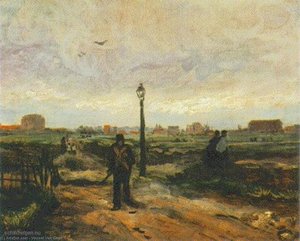
To stand before Edouard Cortès’ depiction of St. Martin is to be instantly enveloped by the exhilarating, yet strangely comforting, rhythm of city life itself. This painting is far more than a mere snapshot of a bustling Parisian thoroughfare; it is a vibrant meditation on human connection and the ceaseless energy that defines urban existence. Cortès, known as the “Parisian Poet of Painting,” possessed an unparalleled gift for capturing not just what Paris looked like, but how it felt to inhabit its winding streets. The scene explodes with life—pedestrians meandering along the sidewalk, the gleam of passing automobiles, and the occasional flash of a bicycle wheel—all woven together under the watchful gaze of the magnificent Porte St. Martin archway, which anchors the entire composition.
A Masterclass in Post-Impressionist Color and Movement
Stylistically, this work is a quintessential example of Post-Impressionism. Cortès moves beyond the fleeting immediacy of pure Impressionism, imbuing his subject matter with a deeper sense of structure, emotional resonance, and vivid color theory. Observe the palette: it is dominated by warm, golden tones that seem to emanate from the very cobblestones beneath the tires. These colors do not just decorate the scene; they evoke a profound sense of joie de vivre, a joyous appreciation for being alive in this moment. The technique itself speaks volumes through its bold and expressive brushstrokes. They are visible upon close inspection, lending a dynamic, almost palpable energy to the canvas, suggesting movement even where objects appear stationary.
Compositional Depth: Light, Shadow, and Human Detail
Cortès’ genius lies in his masterful handling of depth and light. The interplay between deep shadows cast by the architecture and the bright highlights catching on passing vehicles creates a remarkable dimensionality. Your eye is naturally drawn through the composition, guided first to the focal point—the grand archway—and then allowed to wander down the receding lines of the street. Beyond the major elements, notice the subtle details: the casually placed handbags near the foreground corners, the variety of vehicles from classic cars to motorcycles. These small inclusions ground the monumental scene in relatable human experience, suggesting a life lived fully and without pretense.
Bringing Parisian Energy Home
For the collector or designer seeking an artwork that breathes narrative into a space, St. Martin offers unparalleled emotional impact. It is art that refuses to be passive; it demands engagement. Owning a reproduction of this piece means inviting a piece of historical Parisian dynamism into your own home or gallery. It speaks to a timeless human condition—the beautiful chaos of gathering in public spaces. Whether you are drawn to the warmth of its golden hues, the energy of its depicted motion, or the sheer romance of its subject matter, Cortès’ vision ensures that this painting remains an enduring celebration of life in the great city.
Domande e risposte
"St.Martin" di Édouard Cortès è un ritratto, un paesaggio o una composizione quadrata?
"St.Martin" di Édouard Cortès ha un formato Landscape. Il formato descrive le proporzioni della composizione.
Quale tavolozza e quale emozione si incontrano in "St.Martin"?
La tavolozza Earthy di "St.Martin" di Édouard Cortès si sposa con il suo tono emotivo Joyful. Il colore è uno dei mezzi attraverso cui un'opera trasmette emozioni.
Che posto occupa "St.Martin" tra i temi ricorrenti di Édouard Cortès?
"St.Martin" raffigura cityscape, urban life, street scene, bustle, architecture, people, transportation, mentre i temi ricorrenti di Édouard Cortès sono parisian city life depiction, post-impressionist energy capture, everyday urban activity focus, capturing modern parisian spirit. Il confronto tra i due evidenzia come l'opera si relazioni con i soggetti abituali dell'artista.
Opere simili




Biografia dell'artista
Una Vita Dedicata all'Espressione Artistica
Édouard Léon Cortès, artista post-impressionista francese, nacque il 6 agosto 1882 a Lagny-sur-Marne, in Francia. La sua opera avrebbe poi guadagnato il titolo di "il poeta parigino della pittura" grazie ai suoi affascinanti scorci delle città parigine in varie condizioni meteorologiche e ambientazioni notturne.
Primi Anni e Formazione
A 17 anni, Cortès iniziò i suoi studi presso l'École des Beaux-Arts di Parigi. La sua prima esposizione nel 1901 gli portò un immediato riconoscimento, segnando l'inizio di una carriera artistica di successo.
Carriera Artistica e Opere Notabili
- Le opere di Cortès furono esposte per la prima volta in Nord America nel 1945, portando a un successo ancora maggiore.
- Nell’ultimo anno della sua vita, gli fu conferito il prestigioso Prix Antoine-Quinson dal Salon de Vincennes.
- Opere notabili includono:
- Il Disegno del Vaso Borghese (un capolavoro del neoclassicismo francese, sebbene non direttamente attribuito a Cortès, mostra il suo stile).
Vita Personale e Servizio Militare
- Nel 1914, Cortès sposò Fernande Joyeuse, con cui ebbe una figlia nel 1916.
- Nonostante fosse un pacifista, Cortès si arruolò in un reggimento di fanteria francese all'età di 32 anni a causa della vicinanza della guerra al suo villaggio natale. Fu ferito e successivamente riassegnato allo schizzo delle posizioni nemiche.
Eredità
- Cortès visse una vita semplice in un circolo ristretto di amici.
- Morì il 28 novembre 1969 a Lagny, con una strada intitolata al suo nome.
- Per esplorare altre opere di Cortès e gli artisti che lo hanno influenzato, visita https://TopImpressionists.com/@/edouard-cortes per un'ampia collezione.
Scopri Altri Artisti su TopImpressionists
- Frederick Soulacroix: https://TopImpressionists.com/@/frederick-soulacroix
- Paul Gauguin: https://TopImpressionists.com/@@/8ydp5s-paul-gauguin-portrait-of-madeline-bernard
Esplora Musei e le Loro Collezioni
- Musée des Beaux-Arts de Carcassonne: /it/art/show/art-d3apq7-it/
- Musée National Picasso: https://TopImpressionists.com/@@/a@d3cej5-discover-the-masterpieces-of-musee-national-picasso-(france)

Édouard Cortès
1882 - 1969 , Francia
Dettagli rapidi
- Artisti Influenti:
- Frederick Soulacroix
- Paul Gauguin
- Data Di Nascita: 6 agosto 1882
- Luogo Di Nascita: Lagny-sur-Marne, Francia
- Movimento Artistico: Post-Impressionismo
- Nazionalità: Francese
- Nome Completo: Édouard Léon Cortès
- Opere Notevoli:
- Il disegnatore del vaso Borghese
- Piazza della Repubblica
Articoli correlati

Beyond the Light: Discovering the Soul and Emotional Depth of Post-Impressionism
Embark on a cultural journey through Post-Impressionism. Discover the profound emotional depth of masters like Van Gogh and Cézanne, exploring how they moved beyond light to capture the very soul of human experience through vibrant color and symbolic form.

Capturing Emotion: A Journey Through the Soul of Expressionist Landscapes
Explore the profound emotional depth of Expressionist landscapes. Discover how Post-Impressionist masters moved beyond light to capture the soul through vibrant color and form. A curated journey for true art lovers seeking the beauty of expressive mastery.
Esplora le opere d'arte organizzate per temi, stili e caratteristiche.