


 Anteprima in scala reale
 Invia
Invia Condividi
 Dettagli opera
 Guida
Guida

 Scarica
 Simili
 Radiografia
 Slideshow
 Statistiche
The Lotus Screen, S.S.S
 Painting
- Pictorialism
 1909
1909- Modern
 61.0 x 61.0 cm
A poignant portrait of a contemplative woman in black captures deep introspection in Edward Steichen's 1909 painting The Lotus Screen, S.S.S, an evocative masterpiece ready to grace your private collection.
 Espandi i dettagli
"meta_description": "Edward Steichen: fotografo rivoluzionario, pioniere della moda e curatore di 'La Famiglia dell'Uomo'. Celebre per i suoi ritratti, la sua visione moderna e il suo impatto duraturo sulla cultura visiva."
L'opera d'arte visualizzata in questa pagina è protetta dalle leggi sul diritto d'autore, il che significa che non possiamo legalmente creare o vendere una riproduzione identica. Tale protezione è garantita da accordi internazionali quali la Convenzione di Berna e dalle leggi nazionali, incluse quelle stabilite da Legge sul copyright degli Stati Uniti - Titolo 17. Tutti i diritti riservati. Le immagini presenti su questo sito sono protette da copyright e non possono essere riprodotte o utilizzate senza l'autorizzazione scritta di WahooArt.com o dei rispettivi proprietari del copyright.
Questo metodo è pienamente conforme alle normative sul diritto d'autore poiché non prevede la copia o la duplicazione dell'opera protetta. Si tratta invece di una rielaborazione creativa: un nuovo dipinto che trae ispirazione dall'originale, senza tuttavia esserne identico.
Giclée / Stampe d'arte
Stampa giclée o su tela di qualità museale, con produzione rapida e diverse opzioni di finitura. ( Acquista il dipinto realizzato a mano Passa all'immagine digitale)




P118B €10

P118H €10

P118W €10

P438Z €10

P508JH €12

P508YH €12

P805H €10

P805Z €10

P919BZ €10

P919G €10

P919XJ €10

P959ZH €10

P968JZ €12

W106C €8

W218G €10

W218JH €8

W218Y €10

W307PJ €10

W316G €10

W316PJ €8

W316Y €10

W398PJ €8

W4111J €10

W500HY €15

W500JH €15

W692G €12

W849H €8

W940BG €15

W953PJ €8




Formato standard
su misura
CM
INCH
Scegli tra le nostre dimensioni predefinite, che rispettano le proporzioni originali dell'opera d'arte.
Loading sizes...

larghezza
altezza
Inserisci la larghezza e l'altezza desiderate, per adattarle alla tua cornice o alla tua parete. Una stampa può essere solo ritagliata, mai resa più grande dell'immagine originale; pertanto, un formato con una forma differente comporterà la perdita di una parte dell'opera. Ti invieremo un mockup digitale da approvare prima di procedere con la stampa. L'immagine mostrata in questa pagina non rappresenta il ritaglio reale — solo il mockup lo mostra.
Consegna in tutto il mondo () in 2 settimane invece delle normali 4/5 settimane. (26 Ottobre)

Spedizione espressa gratuita in tutto il mondo

Tela in lino di alta qualità

Assicurazione completa sulla spedizione

Garanzia di rimborso dei dazi doganali

Garanzia di fedeltà cromatica assoluta

Politica di reso entro 100 giorni (solo per difetti di fabbricazione)

Garanzia di rimborso al 100%

Offerta per acquisti multipli
 L'opzione vetro è disponibile solo per dimensioni inferiori a 110 cm

The Lotus Screen, S.S.S
Giclée / Stampe d'arte
Dimensioni riproduzione
-


Prezzo finale calcolato
€ 61
A Study in Introspection: The Soul of The Lotus Screen
In the quiet, amber-hued depths of Edward Steichen’s The Lotus Screen, S.S.S, we encounter a moment frozen in time, where the boundaries between painting and photography begin to blur into a singular, evocative vision. Created in 1909, this masterpiece captures a woman lost in a profound state of contemplation. Seated with her hands delicately pressed against her face, she creates a veil of privacy, shielding her inner world from the viewer's gaze. The composition is anchored by a striking contrast: the somber weight of her black attire set against a luminous, golden-yellow background that seems to radiate a soft, melancholic warmth. This interplay of light and shadow does more than just define form; it establishes an atmosphere of heavy, beautiful stillness.
The technique employed in this work reflects Steichen’s unique position at the dawn of the twentieth century, a period where the Pictorialist movement sought to elevate photography to the status of fine art through painterly effects. Every brushstroke—or in the case of his photographic inspirations, every tonal gradation—serves to soften the edges of reality. The presence of a single pink flower tucked into her hair acts as a delicate symbol of fleeting beauty and vulnerability, a poignant counterpoint to the heavy, introspective mood of the subject. This subtle splash of color draws the eye, acting as a focal point that bridges the gap between the woman's physical presence and her emotional interiority.
Timeless Elegance for the Modern Collector
For the discerning collector or interior designer, The Lotus Screen, S.S.S offers much more than mere decoration; it provides a window into an era of profound emotional depth. The painting’s palette—dominated by ochre, gold, and deep blacks—makes it an incredibly versatile piece for sophisticated interior curation. It possesses the rare ability to anchor a room with its gravity while simultaneously adding a layer of warmth and historical prestige. Whether placed in a minimalist contemporary gallery or a richly textured classical study, the artwork commands attention through its quiet strength rather than through loud, jarring colors.
Owning a high-quality reproduction of this work allows one to invite Steichen’s mastery of light into their personal sanctuary. The piece serves as a conversation starter, inviting guests to contemplate the themes of solitude and the human condition. It is an ideal selection for those who appreciate art that speaks in whispers rather than shouts, providing a sense of calm, intellectual stimulation, and a timeless connection to the legendary artistic odyssey of one of the most influential figures of the modern age.
Domande e risposte
Qual è l'atmosfera generale di "The Lotus Screen, S.S.S" di Edward Steichen?
L'atmosfera generale di "The Lotus Screen, S.S.S" di Edward Steichen è Dramatic. Il tono descrive l'atmosfera complessiva dell'opera.
Che tipo di opera d'arte è "The Lotus Screen, S.S.S" di Edward Steichen?
"The Lotus Screen, S.S.S" è un'opera in wall art.
I colori di "The Lotus Screen, S.S.S" di Edward Steichen sono vivaci o tenui?
I colori di "The Lotus Screen, S.S.S" di Edward Steichen presentano una saturazione Balanced Soft e un'intensità Balanced.
Biografia dell'artista
Primi Anni e Inizi Artistici
- Nascita: 27 marzo 1879, a Bivange, Lussemburgo
- Emigrazione negli Stati Uniti: La famiglia di Steichen emigrò a Hancock, Michigan, nel 1881.
- Prerilevazione Artistica Precoce: Dimostrò un vivo interesse per l'arte fin da giovane, in particolare il disegno.
- Prima Macchina Fotografica e Auto-Educazione: Ricevette la sua prima macchina fotografica a sedici anni e si auto-formò principalmente attraverso la sperimentazione.
- Trasferimento a Milwaukee: La famiglia si trasferì a Milwaukee, dove perseguì la litografia come apprendista continuando i suoi impegni artistici.
Sviluppo della Carriera e Movimenti Artistici Chiave
- Primi Anni del Pittorialismo: Steichen divenne una figura di spicco nel movimento pittorialista, che mirava a elevare la fotografia al livello di arte attraverso l'uso di sfocature morbide ed effetti pittorici.
- Photo-Secession e Camera Work: Co-fondò il gruppo Photo-Secession con Alfred Stieglitz e svolse un ruolo cruciale nella pubblicazione di *Camera Work*, una rivista fotografica molto influente.
- Galleria 291: Steichen fu determinante nell'istituzione della galleria 291 a New York, che esponeva arte europea d'avanguardia insieme alla fotografia.
- Transizione alla Fotografia Diretta: Dopo la Prima Guerra Mondiale, abbandonò il Pittorialismo e abbracciò la Fotografia Diretta, enfatizzando la nitidezza e la rappresentazione diretta.
- Pioniere della Fotografia di Moda: Steichen rivoluzionò la fotografia di moda mentre lavorava per *Vogue* e *Vanity Fair*, creando immagini iconiche che definirono lo stile dell'epoca.
Realizzazioni Principali e Opere Notabili
- The Pond–Moonlight (1904): Una fotografia pittorialista fondamentale nota per la sua qualità atmosferica e ricchezza tonale; ha raggiunto prezzi record all'asta.
- The Flatiron (1904): Un altro importante lavoro giovanile che dimostra la sua padronanza della tecnica fotografica e della composizione, anch'esso raggiungendo un prezzo record all'asta.
- Ritratti di Celebrità: Creò numerosi ritratti di figure importanti nell'arte, nella letteratura e nello spettacolo, catturando la loro essenza con notevole perspicacia.
- The Fighting Lady (1944): Diresse questo acclamato documentario sulla Seconda Guerra Mondiale per la Marina degli Stati Uniti, mostrando riprese di combattimenti aerei.
- The Family of Man (1955): Curò questa mostra innovativa al Museum of Modern Art, presentando fotografie provenienti da tutto il mondo che esploravano esperienze umane universali; riconosciuta dall'elenco della Memoria del Mondo UNESCO.
Influenza e Significato Storico
- Elevazione della Fotografia come Forma d'Arte: Steichen ha svolto un ruolo fondamentale nell'affermare la fotografia come forma d'arte rispettata attraverso il suo coinvolgimento con il Pittorialismo, Photo-Secession e *Camera Work*.
- Pioniere della Fotografia di Moda: Il suo approccio innovativo alla fotografia di moda ha trasformato l'industria e influenzato generazioni di fotografi.
- Promozione dello Scambio Artistico Internazionale: La galleria 291 è servita da piattaforma vitale per introdurre il moderno arte europeo al pubblico americano.
- Documentazione dell'Esperienza Umana: *The Family of Man* rimane un potente attestato dell'umanità condivisa attraverso culture e continenti.
- Eredità: La versatilità, la visione artistica e il successo commerciale di Steichen hanno cementato il suo posto come uno dei fotografi più influenti del XX secolo.
Ultimi Anni e Morte
- Direttore della Fotografia al MoMA: Dal 1947 al 1961, Steichen ha ricoperto la carica di Direttore del Dipartimento di Fotografia presso il Museum of Modern Art (MoMA) di New York.
- Continuazione della Sperimentazione: Ha continuato a sperimentare con la fotografia fino alla sua morte.
- Morte: Edward Jean Steichen è morto il 25 marzo 1973 a Redding, CT.

Edward Steichen
1900 - 1973 , Lussemburgo
Dettagli rapidi
- Data Di Morte: 25 marzo 1973
- Data Di Nascita: 27 marzo 1879
- Luogo Di Nascita: Bivange, Lussemburgo
- Movimento Artistico O Stile:
- Pictorialismo
- Fotografia diretta
- Nazionalità: Lussemburghese-Americano
- Nome Completo: Edward Jean Steichen
- Opere Notevoli:
- The Pond–Moonlight
- The Flatiron
- Le tournesol (Il girasole)
Articoli correlati

I 10 Dipinti Più Famosi Dominati dal Nero Mars: Arte e Decorazioni di Lusso
Esplora i 10 dipinti più iconici dominati dal nero Mars Black. Scopri la storia, gli artisti e il simbolismo di capolavori oscuri. Trova riproduzioni d'arte di lusso per decorare casa su .
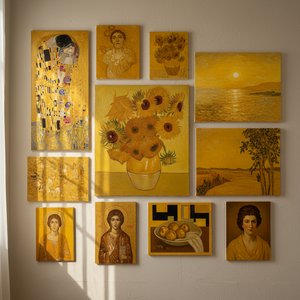
I 10 Dipinti Più Famosi Dominati dal Giallo Ocra: Arte e Decorazioni Raffinate
Esplora i 10 dipinti più iconici dominati dal giallo ocra! Scopri la storia di Van Gogh, Monet e altri maestri. Trova riproduzioni d'arte di alta qualità per decorare casa con stile su .
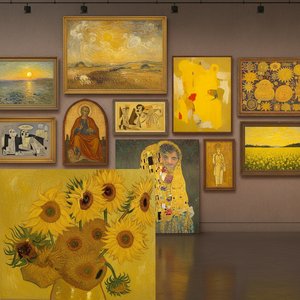
I 10 Dipinti Più Famosi Inondati di Giallo Cromatico: Arte e Decorazioni Raffinate
Esplora i 10 dipinti più iconici dominati dal giallo cromatico! Van Gogh, Monet e altri maestri celebrano questo colore vibrante. Scopri storie, tecniche e acquista stampe di alta qualità su TopImpressionists.com.

I 10 Dipinti Più Famosi Dominati dal Rosa Chiaro: Arte, Storia e Decorazioni Raffinate
Esplora i 10 dipinti più celebri dominati dal rosa chiaro! Da Monet a Renoir, scopri la storia e l'arte dietro queste opere iconiche. Trova stampe su tela di alta qualità e idee per decorazioni uniche su .

I 10 Dipinti Più Famosi Dominati dal Nero: Maestri e Storie d'Arte
Esplora i 10 dipinti più iconici dominati dal nero, da Caravaggio a Munch. Scopri storie, tecniche e il potere espressivo di artisti come Rembrandt e Goya. Trova stampe d'arte di alta qualità per la tua casa su .
Esplora le opere d'arte organizzate per temi, stili e caratteristiche.


