


 Anteprima in scala reale
 Condividi
 Condividi
 Dettagli
 Guida
Guida

 Scarica
 Articoli simili
 Radiografia
 Slideshow
 Statistiche
Vecchio Gabble
 Acrilico su tela
- Opere da parete
- Espressionismo
 1913
1913 486.0 x 320.0 cm
 Museo Leopold
Scopri "Vecchio Gabble", un affresco impressionista di Egon Schiele realizzato nel 1913. Un dettaglio della costruzione di una vecchia abitazione catturato con maestria dal pittore austriaco.
 Leggi tutto
Scopri l'arte espressionista di Egon Schiele (1890-1918): ritratti audaci, temi psicologici e linee uniche. Esplora le riproduzioni su TopImpressionists.
Riproduzione a olio fatta a mano
Olio su tela dipinto a mano nelle tue dimensioni e con la tua cornice, realizzato su ordinazione dai nostri artisti. ( Passa alle stampe Passa all'immagine digitale)




P118B $10

P118H $10

P118W $10

P438Z $10

P508JH $12

P508YH $12

P805H $10

P805Z $10

P919BZ $10

P919G $10

P919XJ $10

P959ZH $10

P968JZ $12

W106C $8

W218G $10

W218JH $8

W218Y $10

W307PJ $10

W316G $10

W316PJ $8

W316Y $10

W398PJ $8

W4111J $10

W500HY $15

W500JH $15

W692G $12

W849H $8

W940BG $15

W953PJ $8




Standard
personalizzato
CM
INCH
Scegli tra le nostre dimensioni predefinite, che rispettano le proporzioni originali dell'opera d'arte.
Loading sizes...

larghezza
altezza
È possibile inserire dimensioni personalizzate per adattare l'opera a una cornice o a uno spazio specifico. Se la dimensione selezionata non corrisponde alle proporzioni dell'immagine originale, provvederemo a ritagliare l'opera o a estendere il dipinto con elementi aggiuntivi dipinti a mano. Un mockup digitale ti sarà inviato per approvazione prima dell'inizio della produzione.
Si prega di notare che l'anteprima a schermo non riflette il ritaglio o l'estensione effettivi. Solo il mockup mostrerà accuratamente la composizione finale.
Sebbene siano disponibili dimensioni personalizzate, consigliamo di selezionare una dimensione dall'elenco predefinito per preservare le proporzioni originali.
Esempi di personalizzazione: sostituire il volto con una foto del cliente; aggiungere un animale domestico (ad esempio, sostituire un gatto con un cane); inserire un messaggio nascosto nello sfondo; cambiare il paesaggio o gli elementi dello sfondo.
Dopo l'ordine, il team di TopImpressionists.com contatterà il cliente via e-mail per ricevere le istruzioni e fornirà un'anteprima del mockup
Dopo l'ordine, il team di TopImpressionists.com contatterà il cliente via e-mail per ricevere le istruzioni e fornirà un'anteprima del mockup
Consegna in tutto il mondo () in 3/4 settimane anziché nelle normali 5 settimane. (25 Settembre). Nessun compromesso sulla qualità.

Spedizione espressa gratuita in tutto il mondo

Tela in lino di alta qualità

Assicurazione completa sulla spedizione

Garanzia di rimborso dei dazi doganali

Garanzia di perfetta fedeltà cromatica

Politica di reso entro 100 giorni (solo per difetti di fabbricazione)

Garanzia di rimborso al 100%

Sconto per acquisti multipli
 L'opzione vetro è disponibile solo per dimensioni inferiori a 110 cm

Vecchio Gabble
Tecnica di riproduzione
Dimensioni della riproduzione
-


Prezzo totale
$ 269
Old Gable – A Study in Expressionist Detail
Egon Schiele’s “Old Gable,” painted in 1913, isn't merely a depiction of a building under construction; it’s a profound meditation on decay, labor, and the relentless march of time—themes central to Schiele’s distinctive Expressionist style. This artwork resides within the Leopold Museum’s Online Sammlung, offering visitors a glimpse into Schiele’s artistic legacy and his meticulous approach to capturing reality.
The painting itself presents a striking visual narrative. A weathered gable roof dominates the composition, partially obscured by scaffolding and beams—symbols of ongoing effort and transformation. The artist skillfully employs pencil and gouache on paper, layering textures to convey both solidity and vulnerability. Schiele’s characteristic angular lines define the architectural elements with precision, yet simultaneously imbue them with an unsettling dynamism.
Schiele's artistic journey began amidst considerable hardship; his father succumbed to syphilis when he was just fourteen, profoundly influencing his worldview and fueling a preoccupation with mortality that permeates much of his oeuvre. Raised initially by his mother and then under the guardianship of Leopold Czihaczek, Schiele’s childhood lacked conventional stability but nurtured an independent spirit—a trait evident in his unwavering dedication to artistic exploration.
The historical context surrounding “Old Gable” is crucial to understanding its significance. Painted during a period marked by intellectual ferment and anxieties about the future, Schiele's work reflects the broader Expressionist movement’s preoccupation with psychological intensity and emotional honesty. Unlike Impressionists who sought to capture fleeting moments of beauty, Schiele aimed to confront viewers with uncomfortable truths about human existence—a bold ambition that distinguishes him from his contemporaries.
Beyond its formal qualities, “Old Gable” resonates emotionally due to Schiele’s masterful use of color and tonal variation. The muted palette—primarily reds and browns—creates a sense of melancholy and emphasizes the passage of time. However, Schiele's expressive brushstrokes inject an element of urgency into the scene, suggesting that despite appearances, change is inevitable. It’s a poignant reminder of the beauty found within imperfection and decay.
Schiele’s artistic reputation solidified after his death in 1918, establishing him as one of Austria's most influential artists. His work continues to inspire admiration for its uncompromising vision and technical brilliance. Reproductions of “Old Gable” are available at Leopold Museum Online Sammlung, allowing collectors and enthusiasts alike to experience the power of Schiele’s artistic legacy.
Further research into Schiele's life and art can be found at Egon Schiele and Old Gable - Google Arts & Culture.
Biografia dell'artista
Egon Schiele: Vita e Eredità
Primi Anni di Vita e Influenze
- Nato il 12 giugno 1890 a Tulln an der Donau, in Bassa Austria, Egon Schiele ha vissuto un'infanzia segnata sia da inclinazione artistica che da difficoltà personali.
- Suo padre, Adolf Schiele, era un capostazione, instillando nel giovane Egon una fascinazione per i treni – un motivo che apparirebbe in modo sottile più tardi nella sua opera.
- La prematura morte del padre a causa della sifilide quando Schiele aveva 14 anni lo ha profondamente segnato, portando al suo allevamento da parte di suo zio materno, Leopold Czihaczek.
- Czihaczek fornì sostegno ma esercitò anche un'influenza controllante, che contribuì alla complessa psiche riflessa nell’arte di Schiele.
Percorso Artistico e Sviluppo
- La formazione artistica di Schiele iniziò alla Kunstgewerbeschule (Scuola d'Arti e Artigianato) a Vienna, ma presto passò all’Akademie der bildenden Künste (Accademia delle Arti Figurative).
- Si è rapidamente disillusionato con l’approccio conservatore dell’Accademia, trovandolo soffocante per la sua visione espressiva. Alla fine, ha lasciato la formazione formale.
- Le influenze iniziali includevano Gustav Klimt, una figura di spicco della Vienna Secessione, il cui stile decorativo e l'esplorazione del simbolismo risuonavano con Schiele. Tuttavia, Schiele ben presto sviluppò uno stile distintamente individuale.
- Le sue prime opere presentavano spesso ritratti e autoritratti inquietanti, caratterizzati da figure distorte ed emotività intensa.
Caratteristiche e Temi Chiave
- L’arte di Schiele è rinomata per la sua onestà cruda e profondità psicologica. Ha esplorato senza paura temi come la sessualità, la morte, l'ansia e l'isolamento.
- Il suo stile distintivo presenta figure allungate, pose contorte e linee espressive che trasmettono un senso di vulnerabilità e tormento emotivo.
- Autoritratti costituiscono una parte significativa della sua produzione, offrendo scorci intimi nel suo mondo interiore.
- Ha inoltre creato numerosi ritratti di altri, spesso raffigurandoli con realismo senza compromessi e intuizione psicologica.
- La pittura paesaggistica ha avuto un ruolo nel suo lavoro, dimostrando la sua maestria nella forma e nel colore, sebbene fosse meno centrale delle sue opere figurative.
Realizzazioni Significative e Riconoscimenti
- Nonostante abbia affrontato censure e sfide legali (inclusa una breve detenzione per presunta corruzione di minori con la sua arte), Schiele ha ottenuto riconoscimento nei circoli d'avanguardia viennesi.
- Ha co-fondato il Neues Wiener Kunstgruppe (Nuovo Gruppo Artistico Viennese) nel 1909, esponendo le sue opere insieme ad altri artisti progressisti.
- Opere significative includono Autoritratto con physalis, Coppia che si abbraccia e Paesaggio col campo (Kreuzberg vicino a Krumau).
- Entro il tempo della sua prematura morte, Schiele si era affermato come una figura di spicco dell'Espressionismo austriaco.
Significato Storico e Eredità
- Egon Schiele è morto nel 1918 durante la pandemia di influenza spagnola all’età di 28 anni, troncando una promettente carriera.
- Il suo lavoro ha influenzato profondamente le generazioni successive di artisti, in particolare quelli interessati ad esplorare temi psicologici e a sfidare le norme artistiche convenzionali.
- L'approccio audace di Schiele alla forma e all’argomento continua a risuonare con il pubblico di oggi, rendendolo uno dei personaggi più importanti e influenti dell'arte del primo XX secolo.
- I suoi dipinti sono ora conservati nelle principali collezioni museali in tutto il mondo, e le riproduzioni della sua opera sono ampiamente disponibili, assicurando la longevità della sua eredità artistica.

Egon Schiele
1890 - 1918 , Croazia
Informazioni rapide
- Artisti Influenti: ['Gustav Klimt']
- Artisti Influenzati: ['Generazioni successive di artisti']
- Data Di Nascita: 12 giugno 1890
- Luogo Di Nascita: Vienna, Croazia
- Movimento Artistico: Espressionismo
- Nazionalità: Austriaco
- Nome Completo: Egon Schiele
- Opere Notevoli:
- Autoritratto con Physalis
- Coppia che si abbraccia
- Paesaggio col campo (Kreuzberg)
Articoli correlati

Egon Schiele: Le 25 Opere Più Iconiche per Amare l'Arte Moderna
Esplora le 25 opere più iconiche di Egon Schiele, il maestro dell'espressionismo austriaco. Ritratti intensi, colori audaci e storie avvincenti ti aspettano. Trova riproduzioni di alta qualità e idee per decorare la tua casa su TopImpressionists.com.

Espressionismo Pittorico: 10 Capolavori Che Hanno Definito un Movimento Artistico
Esplora i 10 capolavori dell'Espressionismo Pittorico con TopImpressionists.com! Scopri Munch, Kirchner e altri artisti iconici, le loro tecniche e l'impatto emotivo dei colori. Trova riproduzioni di alta qualità per la tua casa. Esplora la collezione online!
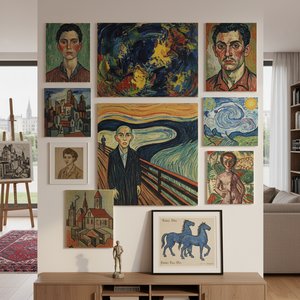
Espressionismo: I 10 Capolavori che Hanno Definito un Movimento Artistico | .it
Esplora i 10 capolavori dell'Espressionismo con .it! Scopri Munch, Kirchner e altri artisti iconici, le loro emozioni intense e tecniche rivoluzionarie. Trova riproduzioni di alta qualità per arredare la tua casa con arte senza tempo. Esplora la collezione online!

Egon Schiele: Espressionismo, Angoscia e la Condizione Moderna – Un'Esplorazione Completa
Esplora l'universo artistico di Egon Schiele: dalle origini dell'Espressionismo austriaco all'analisi profonda del suo angosciante capolavoro. Approfondimenti, opere chiave e il contesto storico che ha plasmato la sua visione unica.
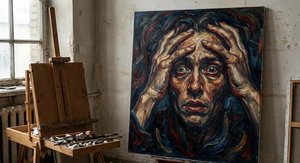
Figurative Expressionism: Emotional Intensity & Subjective Reality in 20th-Century Art
Explore the powerful world of Figurative Expressionism with TopImpressionists. Discover key artists like Kirchner & Beckmann, understand its emotional depth, and learn how to collect this influential 20th-century art movement.
Esplora le opere d'arte organizzate per temi, stili e caratteristiche.


