


 Anteprima in scala reale
 Condividi
 Condividi
 Dettagli
 Guida stampabile

 Scarica
 Articoli simili
 Radiografia
 Slideshow
 Statistiche
Willows
 Impressionism
 30.0 x 20.0 cm
 Accademia Reale del West dell'Inghilterra
Discover 'Willows' by Elsie Evelyn Few – an evocative Impressionistic oil painting of olive trees. Explore its loose brushstrokes, atmospheric light & symbolic beauty. A unique piece for art collectors.
Discover Elsie Evelyn Few’s evocative landscapes & collages from the Euston Road School. Explore her Jamaican heritage & British career – a unique artistic voice.
 Leggi tutto
L'opera d'arte visualizzata in questa pagina è protetta dalle leggi sul diritto d'autore, il che significa che non possiamo legalmente creare o vendere una riproduzione identica. Tale protezione è garantita da accordi internazionali quali la Convenzione di Berna e dalle leggi nazionali, incluse quelle stabilite da Legge sul copyright degli Stati Uniti - Titolo 17. Tutti i diritti riservati. Le immagini presenti su questo sito sono protette da copyright e non possono essere riprodotte o utilizzate senza l'autorizzazione scritta di WahooArt.com o dei rispettivi proprietari del copyright.
Questo metodo è pienamente conforme alle normative sul diritto d'autore poiché non prevede la copia o la duplicazione dell'opera protetta. Si tratta invece di una rielaborazione creativa: un nuovo dipinto che trae ispirazione dall'originale, senza tuttavia esserne identico.
Giclée / Stampe d'arte
Stampa giclée o su tela di qualità museale, con produzione rapida e diverse opzioni di finitura. ( Ordina la riproduzione dipinta a mano Passa all'immagine digitale)




































Standard
personalizzato
CM
INCH
Scegli tra le nostre dimensioni predefinite, che rispettano le proporzioni originali dell'opera d'arte.
Loading sizes...

larghezza
altezza
Inserisci la larghezza e l'altezza desiderate, per adattarle alla tua cornice o alla tua parete. Una stampa può essere solo ritagliata, mai resa più grande dell'immagine originale; pertanto, un formato con una forma differente comporterà la perdita di una parte dell'opera. Ti invieremo un mockup digitale da approvare prima di procedere con la stampa. L'immagine mostrata in questa pagina non rappresenta il ritaglio reale — solo il mockup lo mostra.
Consegna in tutto il mondo () in 2 settimane invece delle normali 4/5 settimane. (22 Ottobre)

Spedizione espressa gratuita in tutto il mondo

Tela in lino di alta qualità

Assicurazione completa sulla spedizione

Garanzia di rimborso dei dazi doganali

Garanzia di perfetta fedeltà cromatica

Politica di reso entro 100 giorni (solo per difetti di fabbricazione)

Garanzia di rimborso al 100%

Sconto per acquisti multipli
 L'opzione vetro è disponibile solo per dimensioni inferiori a 110 cm

Willows
Giclée / Stampe d'arte
Dimensioni della riproduzione
-


Prezzo totale
€ 61
Opere correlate


Biografia dell'artista
A Jamaican Soul Embraced by British Modernism
Elsie Evelyn Few stands as a singular and luminous figure in the tapestry of British art history, embodying a profound confluence of Jamaican heritage and the dynamic, searching spirit of London’s avant-garde. Born on 4 February 1909 in the vibrant landscape of Kingston, Jamaica, her early years were steeped in a rich cultural environment that instilled within her a lifelong appreciation for the interplay of color and texture. This foundational sensitivity would later become the heartbeat of her work, as she transitioned from the tropical warmth of her birthplace to the rigorous academic and experimental circles of mid-century Europe.
Her journey toward artistic maturity was marked by an impressive pursuit of formal excellence. Moving to London, Few immersed herself in the prestigious halls of the Slade School of Art and the Bartlett School of Architecture between 1929 and 1931. This dual education provided her with a unique perspective, blending the structural principles of Beaux Arts architecture with the burgeoning modernist movements of the era. As she traveled throughout Europe, absorbing the shifting aesthetics of the continent, her vision began to coalesce into a style that was both structurally grounded and emotionally fluid.
The Euston Road School and the Evolution of Style
Few’s ascent within the British art scene was cemented through her association with the influential Euston Road School. Working alongside luminaries such as Victor Pasmore and Claude Rogers, she became part of a collective dedicated to navigating the complexities of postwar Britain through a lens of controlled abstraction and observational truth. This period of her life was characterized by a departure from rigid academic realism in favor of a more atmospheric and evocative approach to the natural world.
Her technical evolution is particularly fascinating, as it moved from the traditional to the experimental. In her earlier years, she mastered the medium of oil on canvas, producing landscapes that captured the serene essence of nature with remarkable tranquility. Works such as Russell Square, London demonstrate her ability to use rich pigments and meticulous detail to evoke a sense of peace. However, as her career progressed, Few began to embrace the radical possibilities of collage. By layering textures and fragments, she moved toward abstract designs that mirrored the fragmentation and complexity of modern life, creating compositions that possessed an incredible emotional depth.
Legacy of a Visionary
Beyond the canvas, Elsie Evelyn Few led a life of significant intellectual and educational contribution. Her professional career was marked by her role as an art editor for Chatto & Windus and her leadership as the Head of the Art Department at Gipsy Hill College, where she played a vital role in nurturing the next generation of artistic educators. Her exhibitions at prestigious venues like the Whitechapel Art Gallery and Wimbledon served as testament to her enduring commitment to the evolution of contemporary art.
The significance of Few’s work lies in its ability to bridge worlds—between the Caribbean and Britain, between architecture and painting, and between representational landscape and abstract collage. Her legacy is preserved not only in the museums that house her oil paintings but in the very way she challenged the boundaries of medium and identity. Today, her work remains a poignant reminder of how personal heritage and modernist experimentation can merge to create a truly universal artistic voice.

Elsie Evelyn Few
1909 - 1980
Informazioni rapide
- Full Name: Elsie Evelyn Few
- Nationality: Jamaican
- Date Of Birth: 1909
- Date Of Death: 1980
- Place Of Birth: Kingston, Jamaica
- Notable Artworks:
- Willows
- The Pond at Hawkshall
- Artistic Movement Or Style: Euston Road School
- Artists Who Influenced This Artist: ['Claude Rogers']
- Artists Or Movements Influenced By This Artist: ['Victor Pasmore']
Articoli correlati

Capturing the Soul: The Most Emotionally Moving Impressionist and Post-Impressionist Masterpieces
Discover the profound emotional depth of Impressionist and Post-Impressionist masterpieces. Explore how legends like Monet, Van Gogh, and Gauguin captured light and soul through evocative landscapes and vibrant brushwork for a timeless connection to art history.
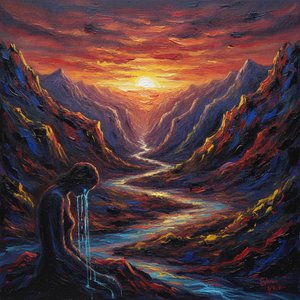
Capturing Emotion: A Journey Through the Soul of Expressionist Landscapes
Explore the profound emotional depth of Expressionist landscapes. Discover how Post-Impressionist masters moved beyond light to capture the soul through vibrant color and form. A curated journey for true art lovers seeking the beauty of expressive mastery.

Beyond the Light: Capturing Raw Emotion and Subjective Vision in Post-Impressionist Landscapes
Explore the profound emotional depth of Post-Impressionist landscapes. Discover how masters like Van Gogh moved beyond light to capture raw human feeling through vibrant color and expressive texture in this expert art history retrospective.
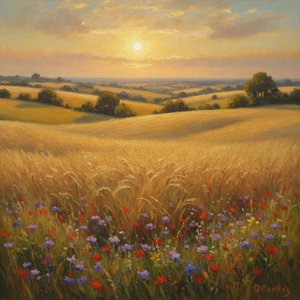
Golden Fields & Sun-Drenched Meadows: Capturing the Soul of Impressionist Landscapes
Immerse yourself in the luminous world of Impressionist landscapes. Discover how masters like Monet and Gauguin captured ephemeral light through plein air painting, and learn to bring the soul of sun-drenched meadows into your home with exquisite, hand-painted oil reproductions.

The Beauty of Impermanence: Capturing Decay through Impressionist Eyes
Explore the profound beauty of impermanence through Impressionist and Post-Impressionist eyes. Discover how masters like Monet and Van Gogh captured fleeting light and the poetic essence of nature's transitions in our deep dive into art history and emotional landscapes.