Atelier — Spedizione gratuita in tutto il mondo — Consegna in 2–6 settimane
Da foto a dipinto Lista dei desideri Carrello
Anteprima in scala realeAnteprima in scala reale Anteprima in ARAnteprima in AR Passa alla stampa Passa alla stampaPassa alla versione dipinta a mano Passa alla versione dipinta a mano CondividiCondividi
DettagliDettagli Aggiungi ai preferiti Aggiungi ai preferiti Scarica immagineScarica immagine Articoli similiArticoli simili RadiografiaRadiografia SlideshowSlideshow

Internment in Douglas

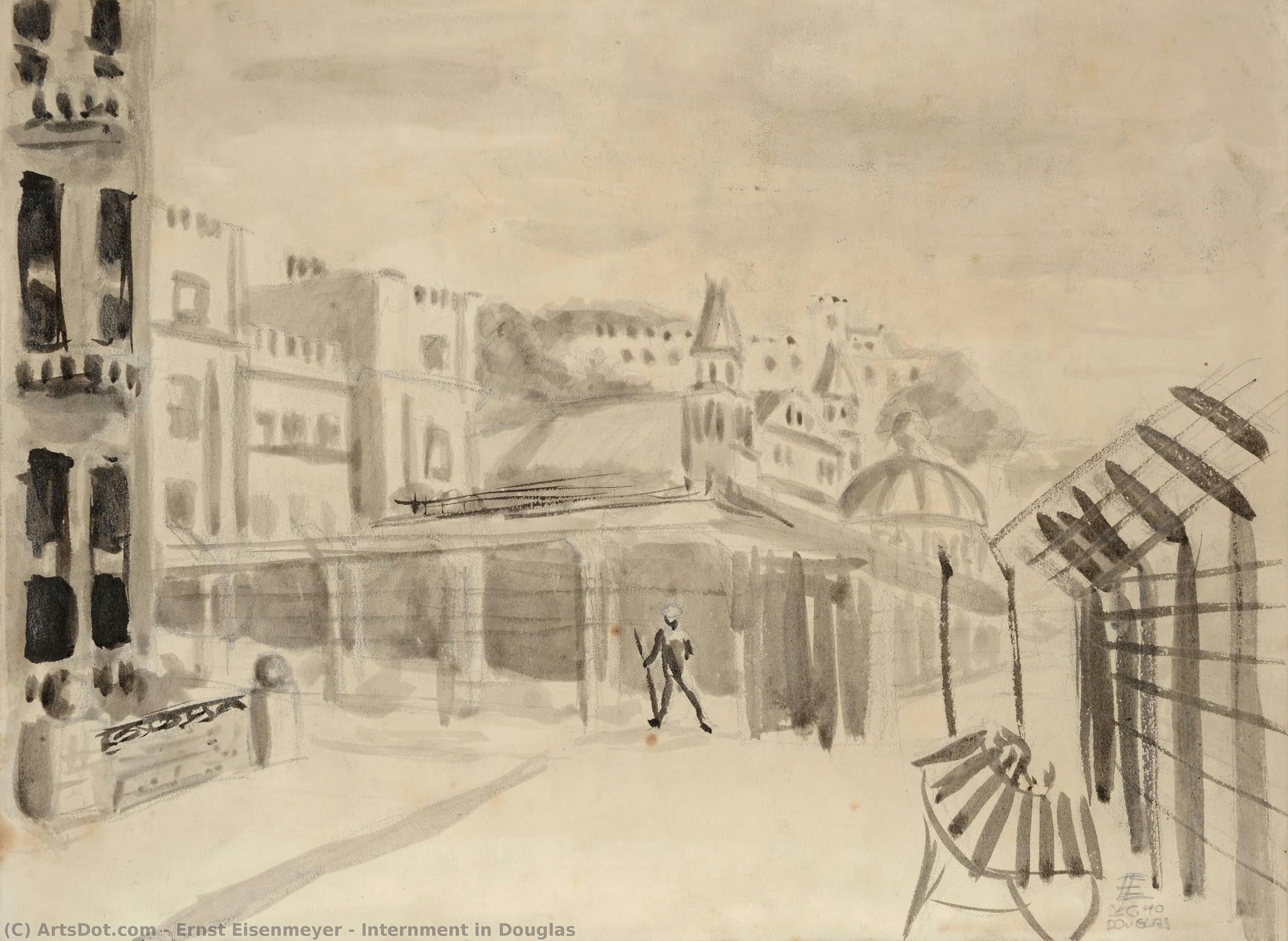
A poignant black and white drawing capturing an urban street scene from 1940 by Ernst Eisenmeyer that evokes the profound atmosphere of wartime internment, inviting you to explore this evocative piece of history.

Ernst Eisenmeyer: un artista austriaco noto per i suoi quadri evocativi che raccontano esperienze belliche e resilienza. Scopri il suo stile unico influenzato dalla Scuola Viennese e dalla sua capacità di esprimere emozioni profonde attraverso immagini intense e dettagliate.

Acquista un'immagine digitale ad alta risoluzione e ottimizzata, di qualità nettamente superiore all'anteprima online.

Ogni file è meticolosamente preparato dai nostri specialisti interni attraverso l'uso di strumenti avanzati e un sapiente ritocco manuale. Garantiamo che ogni immagine presenti una chiarezza eccezionale, una precisione cromatica impeccabile e dettagli raffinati.

Il file finale viene consegnato via e-mail entro 72 ore, ottimizzato per un uso immediato in contesti professionali, editoriali e di stampa. Si tratta della stessa qualità affidata ai più prestigiosi studi di design, editori e gallerie d'arte.

Immagine Digitale

Scarica un file ad alta risoluzione per uso personale, per la stampa e per progetti creativi. (Passa alla stampa Passa alla stampaPassa alla versione dipinta a mano Passa alla versione dipinta a mano)

Prezzo finale

$9.99

Incluso in ogni acquisto di immagini digitali

Consegna digitale professionale e garantita

Quando scegli TopImpressionists.com, non riceverai solo un'immagine: riceverai un'opera d'arte digitale professionalmente ottimizzata, realizzata con la massima precisione e accompagnata da una garanzia di soddisfazione. Ecco tutto ciò che include il tuo ordine, automaticamente:

shipping_icon
Consegna rapida via email

Riceverai il file dell'immagine digitale ad alta risoluzione via email entro 72 ore dall'ordine, pronto per un uso immediato.

canvas_icon
File digitale potenziato dall'IA

La tua opera d'arte viene ottimizzata professionalmente attraverso l'uso di strumenti avanzati di intelligenza artificiale e una revisione manuale, garantendo il massimo livello di dettaglio, nitidezza e accuratezza cromatica.

insurance_icon
Riconsegna gratuita a vita

Hai eliminato o perso accidentalmente il tuo file? Non preoccuparti: te lo invieremo di nuovo in qualsiasi momento, gratuitamente.

tax_icon
Nessun costo di importazione, mai

Goditi la tua opera d'arte istantaneamente senza costi doganali, dazi o spese di spedizione: i download digitali sono sempre esenti da tasse.

color_icon
Garanzia di fedeltà cromatica

Garantiamo che la tua immagine digitale rifletta i colori originali con la massima fedeltà, grazie all'uso di strumenti professionali e a una gestione accurata del colore.

return_icon
Garanzia soddisfazione 60 giorni

Se non sei soddisfatto della tua immagine digitale, la revisioneremo o ti rimborseremo il 100% entro 60 giorni, senza domande.

guarantee_icon
Garanzia di rimborso al 100%

Non sei soddisfatto? Ricevi un rimborso completo entro 60 giorni dal ricevimento del tuo file digitale, senza dover fornire spiegazioni.

discount_icon
Sconti per ordini multipli

Acquista 3 immagini, risparmia il 10% - Acquista 5, risparmia il 15% - Acquista 10+, risparmia il 20%. Ideale per progetti creativi, gallerie e agenzie.

Dettagli rapidi

  • Artist: Ernst Eisenmeyer
  • Subject or theme: Urban street scene and daily activity
  • Title: Internment in Douglas
  • Year: 1940
  • Medium: Drawing

Descrizione del collezionabile

A Window into Displacement: The Poignant Reality of Internment in Douglas

In the delicate, monochromatic strokes of Internment in Douglas, we are invited to witness a moment frozen in the amber of history. Created in 1940 by the Austrian master Ernst Eisenmeyer, this evocative drawing serves as more than just a depiction of an urban street; it is a profound psychological landscape. The scene captures a bustling city thoroughfare, yet beneath the surface of daily activity lies a heavy layer of historical tension. As Eisenmeyer navigated the turbulent waters of displacement following the Anschluss, his work became a vessel for the anxieties of an era. Here, the rhythmic movement of figures—a man traversing the street with his belongings, the quiet presence of passersby—contrasts sharply with the underlying reality of confinement and the uncertainty of life during the Second World War.

The technique employed in this piece is a masterclass in tonal control and atmospheric depth. Utilizing the stark, honest medium of black and white, Eisenmeyer utilizes light and shadow to sculpt the architecture of the street. The fine lines that define the buildings and the hanging clock create a sense of structural permanence, which stands in poignant opposition to the transient nature of the human figures moving through the frame. Every element, from the parked bicycle to the scattered street furniture, is rendered with a precision that grounds the viewer in this specific time and place. For the collector, this drawing offers a sophisticated interplay of texture and contrast, making it an intellectually stimulating addition to any curated collection.

Beyond its technical prowess, Internment in Douglas resonates through its deep emotional symbolism. The street, while appearing functional, acts as a metaphor for the liminal space inhabited by those in internment—a world that is visible yet unreachable, a life continuing just out of grasp. The presence of personal items, like the suitcase carried by the central figure, speaks to the weight of baggage, both literal and emotional, carried by those fleeing persecution. This piece does not merely document a setting; it captures the very essence of resilience in the face of upheaval. It is an evocative work that invites contemplation on the fragility of peace and the enduring strength of the human spirit.

For interior designers and art enthusiasts alike, a high-quality reproduction of this work offers a unique opportunity to introduce a sense of historical gravity and contemplative elegance into a space. The monochromatic palette allows it to integrate seamlessly into modern, minimalist, or classical settings, providing a focal point that sparks conversation and invites deep reflection. Owning a piece of Eisenmeyer’s legacy is an act of preserving a vital chapter of twentieth-century history, bringing the profound empathy and haunting beauty of his vision into the contemporary home.


Biografia dell'artista

Ernst Eisenmeyer: A Painter Haunted by History

Ernst Eisenmeyer (1920 – 2018) was an Austrian painter and sculptor whose oeuvre stands as a testament to resilience, empathy, and the indelible mark of trauma. Born in Vienna amidst the burgeoning anxieties of pre-war Austria—a nation grappling with antisemitism and simmering tensions—Eisenmeyer’s life trajectory became inextricably intertwined with the unfolding horrors of World War II and its aftermath. His artistic vision emerged from this crucible of experience, channeling profound sorrow into exquisitely rendered images that capture both the beauty and brutality of human existence.

Early Life and Artistic Formation

Eisenmeyer's formative years were marked by displacement and hardship. Following the Anschluss in 1938, his family relocated to London, where he pursued his artistic education at Slade School of Fine Art. This exposure to British art traditions—particularly Impressionism and Expressionism—provided a crucial foundation for his distinctive style. Notably influenced by Egon Schiele’s unsettling explorations of human anatomy and emotion, Eisenmeyer developed a technique characterized by meticulous detail combined with a palpable sense of vulnerability. His artistic sensibilities were honed further during his imprisonment in Dachau concentration camp at the age of 18—a harrowing ordeal that profoundly impacted his worldview and fueled his artistic impulse. The drawings produced during this period are considered seminal works documenting the dehumanizing conditions of the camp and bearing witness to unimaginable suffering. These sketches, imbued with a haunting honesty, capture the psychological toll of incarceration with remarkable precision – a testament to Eisenmeyer’s unwavering commitment to portraying human experience with unflinching realism.

The Isle of Man Drawings: Portraits of Resilience

Eisenmeyer’s artistic journey continued on the Isle of Man, where he was interned as a stateless refugee. Amidst the bleak surroundings of the detention center, he undertook a series of poignant portraits depicting fellow internees—a project that exemplifies his compassion and dedication to capturing the human spirit amidst adversity. These drawings are not merely representations of faces; they convey an astonishing depth of emotion, conveying dignity, sorrow, and quiet fortitude. They stand as powerful reminders of the individuals who endured unimaginable hardship during wartime. The Isle of Man portraits reveal Eisenmeyer’s profound understanding of human psychology—his ability to distill complex emotions into simple yet evocative visual forms.

A Singular Artistic Voice

Eisenmeyer’s artistic style distinguishes itself through its sensitivity to form and color—elements he skillfully employed to convey complex psychological states. His works often depict figures in repose, bathed in soft light, reflecting Schiele's influence while simultaneously retaining a uniquely personal aesthetic. Comparisons to artists such as Pablo Picasso and Giuseppe Arcimboldo underscore the breadth of Eisenmeyer’s artistic vision and his ability to synthesize diverse influences into a cohesive stylistic idiom. He achieved renown for his masterful depictions of human subjects—particularly those confronting trauma—demonstrating an unparalleled capacity for translating inner turmoil into visual expression.

Recognition and Legacy

Eisenmeyer’s art gained international acclaim, culminating in exhibitions at Tate Modern Museum in London and the Kunsthistorisches Museum in Vienna—institutions that celebrated his contribution to Austrian art history. He was also affiliated with Ben Uri Gallery, championing the work of Jewish artists and ensuring their stories were disseminated widely. Eisenmeyer received the Austrian Decoration of Honour for Services to the Arts, recognizing his unwavering commitment to artistic excellence and humanist values. His legacy resides not only in his captivating artworks but also in his courageous stance against injustice and his profound empathy for fellow human beings—a testament to the transformative power of art as a vehicle for confronting history’s darkest chapters.
Ernst Eisenmeyer

Ernst Eisenmeyer

1920 - 2018 , Austria

In breve

  • Artistic Movement Or Style: Vienna School
  • Artists Or Movements Influenced By This Artist: ['Pablo Picasso']
  • Artists Who Influenced This Artist: ['Egon Schiele']
  • Date Of Birth: 18 settembre 1920
  • Full Name: Ernst Eisenmeyer
  • Nationality: Austriaco
  • Notable Artworks:
    • Reclining Girl on Pillow
    • Internment in Douglas
  • Place Of Birth: Vienna, Austria
© TopImpressionists.com — Tutti i diritti riservati  ·  100% Dipinto a mano · Soddisfazione garantita · Spedizione gratuita in tutto il mondo
VISA MASTERCARD

