


 Anteprima in scala reale
 Condividi
 Condividi
 Dettagli
 Guida stampabile

 Scarica
 Articoli simili
 Radiografia
 Slideshow
 Statistiche
Conversazione


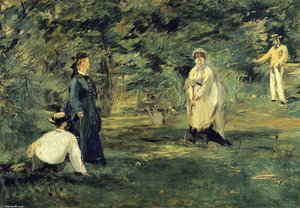
"Conversazione" di Paul Gauguin: un affascinante capolavoro post-impressionista che celebra lo stile unico dell'artista e la sua influenza. Scopri il paesaggio naturale e la rappresentazione della vita quotidiana con colori vivaci e temi simbolisti. Acquista stampe di alta qualità su TopImpressionists!
 Leggi tutto
Esplora l'arte vibrante di Paul Gauguin (1848-1903), un pioniere dell'arte Post-Impressionista, del Simbolismo e della Sintesi. Scopri i dipinti iconici tahitiani e la sua influenza sull'arte moderna. #Gauguin
Giclée / Stampe d'arte
Stampa giclée o su tela di qualità museale, con produzione rapida e diverse opzioni di finitura. ( Ordina la riproduzione dipinta a mano Passa all'immagine digitale)




P118B €10

P118H €10

P118W €10

P438Z €10

P508JH €12

P508YH €12

P805H €10

P805Z €10

P919BZ €10

P919G €10

P919XJ €10

P959ZH €10

P968JZ €12

W106C €8

W218G €10

W218JH €8

W218Y €10

W307PJ €10

W316G €10

W316PJ €8

W316Y €10

W398PJ €8

W4111J €10

W500HY €15

W500JH €15

W692G €12

W849H €8

W940BG €15

W953PJ €8




Standard
personalizzato
CM
INCH
Scegli tra le nostre dimensioni predefinite, che rispettano le proporzioni originali dell'opera d'arte.
Loading sizes...

larghezza
altezza
Inserisci la larghezza e l'altezza desiderate, per adattarle alla tua cornice o alla tua parete. Una stampa può essere solo ritagliata, mai resa più grande dell'immagine originale; pertanto, un formato con una forma differente comporterà la perdita di una parte dell'opera. Ti invieremo un mockup digitale da approvare prima di procedere con la stampa. L'immagine mostrata in questa pagina non rappresenta il ritaglio reale — solo il mockup lo mostra.
Consegna in tutto il mondo () in 2 settimane invece delle normali 4/5 settimane. (22 Ottobre)

Spedizione espressa gratuita in tutto il mondo

Tela in lino di alta qualità

Assicurazione completa sulla spedizione

Garanzia di rimborso dei dazi doganali

Garanzia di perfetta fedeltà cromatica

Politica di reso entro 100 giorni (solo per difetti di fabbricazione)

Garanzia di rimborso al 100%

Sconto per acquisti multipli
 L'opzione vetro è disponibile solo per dimensioni inferiori a 110 cm

Conversazione
Giclée / Stampe d'arte
Dimensioni della riproduzione
-


Prezzo totale
€ 61
Introduction to the Artist and Painting
Paul Gauguin, a renowned French painter, sculptor, printmaker, ceramist, and writer, is celebrated for his contributions to the Post-Impressionist and Symbolist movements. His experimental use of color and Synthetist style set him apart from Impressionism. One of his notable works is "Conversation", a post-impressionist piece created in 1885.
“C
Painting Description
The painting showcases Gauguin’s ability to capture the essence of everyday life with vivid colors and Symbolist themes. Bold hues dominate the composition—greens, browns, yellows—creating a harmonious blend that reflects the tranquility of the landscape. Gauguin employs thick brushstrokes, characteristic of Synthetism, layering pigment onto the canvas to build up texture and depth. This technique emphasizes materiality and contributes to the painting’s expressive power.
Artistic Style and Influence
Gauguin's style in "Conversation" reflects his inclination towards depicting native life and landscapes, which was a common theme during his time in Brittany and Martinique. His use of bold colors and less traditional subject matter distinguishes him from other Impressionist artists. The painting embodies Gauguin’s desire to move beyond mere optical representation, aiming instead for emotional resonance.
Historical Context
Gauguin was born in Paris in 1848, amidst the tumult of Europe's revolutionary year. His family settled in Peru when he was young, which had a lasting impression on him. Later, financial struggles led them back to France, where Gauguin received formal education. Initially working as a stockbroker, Gauguin started painting in his spare time, influenced by visits to galleries and exhibitions.
He embraced Symbolism—an artistic movement that sought to express inner emotions and spiritual truths rather than simply depicting external reality. This approach aligns with the broader cultural currents of the late 19th century, where artists questioned conventional notions of beauty and morality.
Legacy and Impact
Gauguin's work became popular after his death, partially due to the efforts of dealer Ambroise Vollard, who organized exhibitions of his work late in his career. His art was influential on the French avant-garde and many modern artists, such as Pablo Picasso and Henri Matisse.
His relationship with Vincent and Theo van Gogh remains a pivotal chapter in artistic history—a testament to their shared passion for experimentation and their enduring influence on subsequent generations of painters.
Relevance to TopImpressionists
At TopImpressionists, we offer high-quality, handmade oil painting reproductions of famous artworks, including those by Paul Gauguin. Our collection includes other notable pieces like "Bonjour, Monsieur Gauguin" and works by Vincent van Gogh such as "Wheat Field" and "L'Arlesienne, Madame Joseph-Michel Ginoux".
For further reading on Paul Gauguin and his contributions to Post-Impressionism, refer to Paul Gauguin's Wikipedia page.
Domande e risposte
Che livello di contrasto presenta "Conversazione" di Eugène Henri Paul Gauguin?
Il contrasto chiaroscurale di "Conversazione" è registrato come Gentle. Il contrasto descrive quanto marcata sia la differenza tra le aree chiare e quelle scure.
Che atmosfera trasmette "Conversazione"?
"Conversazione" di Eugène Henri Paul Gauguin è descritto come Sereno per atmosfera. Questa classificazione può aiutare a abbinare l'opera a un ambiente.
"Conversazione" è un'opera famosa del Post-Impressionism?
All'interno del movimento Post-Impressionism, "Conversazione" ha un livello di popolarità Iconici.
Opere correlate




Biografia dell'artista
Eugène Henri Paul Gauguin: Una Vita di Colore e Simbolismo
Primi Anni di Vita e Sfondo
- Nato il 7 giugno 1848 a Parigi, Francia, Eugène Henri Paul Gauguin è stata una figura complessa plasmata da un'educazione insolita.
- Suo padre era un giornalista e sua madre proveniva da una famiglia con radici peruviane – sua nonna, Flora Tristan, era una pioniera femminista e scrittrice socialista.
- Nel 1850 la famiglia si trasferì in Perù, dove Gauguin trascorse quattro anni formativi immerso in una cultura diversa. Questa esperienza avrebbe influenzato profondamente la sua arte in seguito.
- Tornato in Francia dopo la morte del padre, Gauguin ricevette un'istruzione formale ma alla fine scelse una carriera da agente di cambio.
Da Agente di Cambio a Artista
- Gauguin iniziò a dipingere come hobby nel suo tempo libero, inizialmente influenzato dagli Impressionisti.
- Una crisi finanziaria del 1882 lo spinse ad abbandonare la sua carriera d'imprenditore e a dedicarsi completamente all'arte.
- Studiò con Camille Pissarro, che incoraggiò il suo sviluppo artistico e lo introdusse ad altri pittori d’avanguardia.
Sviluppo Artistico e Influenze
- Il lavoro giovanile di Gauguin rifletteva le tecniche impressioniste, ma presto cercò uno stile più espressivo e simbolico.
- Sperimentò con colori audaci, forme piatte e composizioni semplificate, allontanandosi dal naturalismo dell'impressionismo.
- I suoi viaggi in Brittania, Martinica e, infine, a Tahiti furono cruciali per plasmare la sua visione artistica. Cercava un modo di vita più “primitivo”, credendo che offrisse una maggiore autenticità spirituale.
- È stato influenzato dai stampe giapponesi (Japonismo) e dall'arte medievale, che hanno contribuito alla sua estetica distintiva.
Periodo Tahitiano e Opere Principali
- Gauguin arrivò a Tahiti nel 1891, cercando rifugio dalla civiltà europea e ispirazione dalla cultura polinesiana.
- Questo periodo ha segnato l'apice della sua creatività artistica, producendo dipinti iconici come “Vahine no te miti”, “Manao Tupapau” (Osservato dallo Spirito dei Morti) e “Il Giorno degli Dei”.
- Le sue opere tahitiane sono caratterizzate da colori vivaci, soggetti esotici e un senso di mistero e spiritualità.
- Spesso raffigurava donne polinesiane, paesaggi e credenze religiose, interpretandoli attraverso il suo stesso sguardo simbolico.
Vita Successiva e Difficoltà
- Gauguin ha affrontato difficoltà finanziarie e problemi di salute durante il suo tempo a Tahiti e successivamente nelle isole Marchesi.
- Nonostante queste sfide, continuò a dipingere abbondantemente, esplorando temi di vita, morte e spiritualità.
- È morto l'8 maggio 1903 sull'isola di Hiva Oa nelle isole Marchesi.
Eredità e Significato Storico
- Il lavoro di Gauguin è stato in gran parte non riconosciuto durante la sua vita, ma ha ottenuto un riconoscimento postumo dopo la sua morte.
- È ora considerato una figura chiave nello sviluppo dell'arte moderna, colmando il divario tra Impressionismo e Simbolismo.
- Il suo uso del colore, delle forme semplificate e dell'immaginario simbolico ha influenzato numerosi artisti, tra cui Pablo Picasso, Henri Matisse e i Fauves.
- L'esplorazione di culture “primitive” da parte sua e il suo rifiuto delle convenzioni artistiche occidentali continuano ad essere dibattuti e reinterpretati oggi.
- Rimane una figura controversa a causa di aspetti della sua vita privata, ma i suoi contributi artistici sono innegabili.

Eugène Henri Paul Gauguin
1848 - 1903 , Francia
Informazioni rapide
- Artistic Movement Or Style: Post-Impressionismo, Simbolismo
- Artists Or Movements Influenced By This Artist:
- Pablo Picasso
- Henri Matisse
- Artists Who Influenced This Artist: ['Camille Pissarro']
- Date Of Birth: 7 giugno 1848
- Date Of Death: 8 maggio 1903
- Full Name: Eugène Henri Paul Gauguin
- Nationality: Francese
- Notable Artworks:
- Vahine no te miti
- Manao Tupapau
- Due Donne sulla Spiaggia
- Place Of Birth: Parigi, Francia
Articoli correlati

Paul Cézanne: I 25 Capolavori che Hanno Rivoluzionato l'Arte Moderna | TopImpressionists
Esplora i 25 capolavori di Paul Cézanne, il maestro dell'impressionismo e post-impressionismo. Scopri la storia, le tecniche e i colori iconici dietro opere come 'Le grandi bagnanti' e 'Mont Sainte-Victoire'. Trova riproduzioni artistiche di alta qualità per decorare la tua casa su TopImpressionists.com.

Paul Klee: Le 25 Opere Più Iconiche per Arricchire la Tua Casa con l'Arte
Esplora le 25 opere più iconiche di Paul Klee, maestro dell'arte astratta e del colore. Scopri la storia, lo stile unico e il significato dei suoi capolavori. Trova riproduzioni d'arte di alta qualità per decorare casa con TopImpressionists.com.

Beyond Impressionism: Exploring the Emotional Depth of Post-Impressionist Painting
Explore the profound emotional depth & innovative techniques of Post-Impressionism with TopImpressionists. Discover Cézanne, Van Gogh, Gauguin & more – and their lasting impact on modern art.

Impressionismo: I 10 Capolavori che Rivoluzionarono la Pittura | TopImpressionists
Esplora i 10 capolavori dell'Impressionismo con TopImpressionists. Scopri Monet, Renoir e Degas: storia, tecnica e colori che hanno rivoluzionato l'arte. Stampe di alta qualità per la tua casa! Esplora la collezione online.

I 10 Capolavori Post-Impressionisti che Hanno Rivoluzionato l'Arte e la Decorazione d'Interni
Esplora i 10 capolavori del Post-Impressionismo con Van Gogh, Monet e Cézanne. Scopri le storie dietro questi dipinti iconici e lasciati ispirare per la tua decorazione d'interni. Stampe su tela di alta qualità su !
Esplora le opere d'arte organizzate per temi, stili e caratteristiche.


