

 Anteprima in scala reale
 Invia
Invia Condividi
 Dettagli opera
 Guida
Guida

 Scarica
 Simili
 Radiografia
 Slideshow
 Q&A
Q&A Statistiche
The Martigues

- 36.0 x 46.0 cm


A serene harbor scene blending Impressionism and Dadaism, this 1904 oil painting by Francis Picabia captures a tranquil blue and white seascape that invites you to bring a piece of art history into your home.
 Espandi i dettagli
Scopri Francis Picabia (1879-1953), pioniere del Cubismo, Dada e dell'estetica dell'Età Macchiniale. Le sue opere fondono astrazione, commento sociale e colori vibranti. Esplora il suo lascito su TopImpressionists!
Giclée / Stampe d'arte
Stampa giclée o su tela di qualità museale, con produzione rapida e diverse opzioni di finitura. ( Acquista il dipinto realizzato a mano Passa all'immagine digitale)




P118B €10

P118H €10

P118W €10

P438Z €10

P508JH €12

P508YH €12

P805H €10

P805Z €10

P919BZ €10

P919G €10

P919XJ €10

P959ZH €10

P968JZ €12

W106C €8

W218G €10

W218JH €8

W218Y €10

W307PJ €10

W316G €10

W316PJ €8

W316Y €10

W398PJ €8

W4111J €10

W500HY €15

W500JH €15

W692G €12

W849H €8

W940BG €15

W953PJ €8




Formato standard
su misura
CM
INCH
Scegli tra le nostre dimensioni predefinite, che rispettano le proporzioni originali dell'opera d'arte.
Loading sizes...

larghezza
altezza
Inserisci la larghezza e l'altezza desiderate, per adattarle alla tua cornice o alla tua parete. Una stampa può essere solo ritagliata, mai resa più grande dell'immagine originale; pertanto, un formato con una forma differente comporterà la perdita di una parte dell'opera. Ti invieremo un mockup digitale da approvare prima di procedere con la stampa. L'immagine mostrata in questa pagina non rappresenta il ritaglio reale — solo il mockup lo mostra.
Consegna in tutto il mondo () in 2 settimane invece delle normali 4/5 settimane. (31 Ottobre)

Spedizione espressa gratuita in tutto il mondo

Tela in lino di alta qualità

Assicurazione completa sulla spedizione

Garanzia di rimborso dei dazi doganali

Garanzia di fedeltà cromatica assoluta

Politica di reso entro 100 giorni (solo per difetti di fabbricazione)

Garanzia di rimborso al 100%

Offerta per acquisti multipli
 L'opzione vetro è disponibile solo per dimensioni inferiori a 110 cm

The Martigues
Giclée / Stampe d'arte
Dimensioni riproduzione
-


Prezzo finale calcolato
€ 61
A Serene Voyage Through Light and Color
In the quietude of 1904, a young Francis Picabia captured a moment of profound stillness in his masterpiece, The Martigues. This evocative oil on canvas invites the viewer into a tranquil harbor scene, where the boundaries between water, sky, and shore seem to dissolve into a dreamlike haze. The composition is anchored by a large sailing vessel that rests upon the calm expanse of the sea, its presence balanced by the solitary figure of a man standing near a boat in the foreground. This human element provides a poignant sense of scale and a touch of narrative intimacy, suggesting a moment of quiet contemplation amidst the vastness of the coastal landscape. As the eye wanders toward the horizon, the soft silhouettes of trees and distant buildings emerge, lending a gentle depth to the scene that draws the observer deeper into this maritime sanctuary.
The technical brilliance of The Martigues lies in Picabia’s masterful ability to weave together the disparate threads of late 19th-century innovation. At first glance, the painting breathes with the luminous energy of Impressionism, utilizing a palette dominated by soothing blues and crisp whites to evoke the cool, refreshing atmosphere of a coastal morning. Yet, beneath this surface lies a more complex structural approach; the artist employs short, broken brushstrokes reminiscent of Pointillism, creating a textured, tactile surface that dances with light. Subtle hints of yellow-gold on the ship's rigging provide a warm, rhythmic contrast to the cool tones, while delicate traces of green in the vegetation add organic vitality. This experimental fusion of styles showcases an artist on the precipice of a revolution, blending the sensory delights of light and color with a burgeoning interest in more structured, modern forms.
The Dawn of an Avant-Garde Spirit
To behold The Martigues is to witness the early tremors of a cultural earthquake. While Picabia would later become a central provocateur of the Dada movement—a movement defined by its rejection of traditional aesthetics and its embrace of the absurd—this particular work captures him in a more lyrical, transitional phase. It serves as a beautiful bridge between the representational traditions of the past and the radical experimentation of the 20th century. The painting does not merely depict a harbor; it symbolizes the spirit of exploration and the fluidity of identity. The sailing ship, poised for movement yet resting in stillness, acts as a metaphor for the artist’s own restless journey through Cubism, Surrealism, and Dadaism.
For the discerning collector or interior designer, this reproduction offers more than just visual elegance; it provides a window into the soul of modern art history. The soft, diffused lighting and the absence of harsh shadows create an atmosphere of peace that is ideal for creating a sophisticated, calming sanctuary within a home or gallery space. Whether placed in a sunlit study or a contemporary living area, The Martelligues brings with it a sense of historical weight and artistic prestige. Owning a high-quality, hand-painted reproduction allows one to inhabit the same world of light and texture that Picabia inhabited over a century ago, making the profound legacy of the French avant-garde a tangible part of your personal environment.
Domande e risposte
A quale periodo storico appartiene "The Martigues" di Francis Picabia?
"The Martigues" di Francis Picabia risale al periodo Modern, epoca che ne definisce il contesto storico.
Che atmosfera saprebbe donare The Martigues a un ambiente?
"The Martigues" di Francis Picabia emana un'atmosfera Serene ed è ideale per un Hotel Room. Il mood rappresenta l'emozione che l'opera dona allo spazio circostante.
Da quale paese proviene l'opera del Dadaism "The Martigues"?
"The Martigues" è stata creata da Francis Picabia, nato in Francia, nell'ambito del movimento Dadaism. L'origine dell'artista lega l'opera al Dadaism così come praticato dagli artisti di Francia.
Opere simili


Biografia dell'artista
Le prime fasi della vita e gli inizi artistici
Francis Picabia, pittore d'avanguardia francese, poeta e tipografo, nacque il 22 gennaio 1879 a Parigi. Suo padre, di origine cubano-spagnola, era addetto all'ambasciata cubana a Parigi. Questa diversità culturale avrebbe influenzato in seguito lo stile artistico di Picabia. La prima vita di Picabia fu segnata dalla tragedia quando sua madre morì per tubercolosi. Fu cresciuto da suo padre, che incoraggiò i suoi interessi artistici. All'età di vent'anni, Picabia viveva già d'arte e, dopo aver ereditato una somma considerevole da sua madre, divenne uno degli artisti più ricchi del suo tempo.Evoluzione artistica
- Primi lavori (1903-1908): Influenzato dall'impressionismo, i soggetti di Picabia includevano paesaggi parigini e rive dei fiumi. Le critiche sulla sua originalità lo portarono a cercare un nuovo approccio.
- Periodo cubista (1909): Picabia entrò a far parte del gruppo di Puteaux, stringendo amicizia con Marcel Duchamp e Guillaume Apollinaire. Questo segnò una svolta significativa verso il cubismo.
- Proto-Dada (1913): Picabia partecipò all'Armory Show a New York, esponendo le sue opere insieme ad altri artisti modernisti. In questo periodo emersero le sue composizioni planari uniche e astratte.
Opere notevoli e associazioni
- Pittura di 'Francis Picabia': visualizza le opere di Picabia su TopImpressionists
- Musée des Beaux-Arts de Carcassonne: scopri la collezione del museo, con opere di artisti rinomati come François Perrier e Lanfranco. Leggi di più su TopImpressionists
- Movimento artistico postimpressionista: Scopri il movimento che ha plasmato i primi lavori di Picabia, caratterizzato dalla sua enfasi sull'espressione soggettiva. Esplora il postimpressionismo su TopImpressionists
Eredità
Lo stile innovativo di Picabia, caratterizzato dall'uso di colori vivaci e forme astratte, ha lasciato un segno indelebile nell'arte moderna. Il suo periodo proto-dada, in particolare, mette in mostra il suo spirito pionieristico, che continua a ispirare gli artisti oggi. Ulteriori informazioni sulla vita e sull'opera di Francis PicabiaInfluenze e sviluppo
Picabia fu influenzato da una vasta gamma di movimenti artistici, dall'impressionismo al cubismo, fino a Dada e al surrealismo. La sua capacità di assimilare e trasformare queste influenze in uno stile unico lo rese un artista eccezionale. Il suo interesse per la tecnologia e le macchine si riflette nelle sue opere del periodo "Machine Age", dove figure umane vengono sostituite da forme meccaniche. La sua associazione con Marcel Duchamp fu fondamentale nello sviluppo del movimento Dada, e Picabia divenne una figura chiave nella ribellione contro l'arte tradizionale.Significato storico
Picabia è considerato un pioniere dell'arte moderna per la sua sperimentazione radicale e il suo rifiuto delle convenzioni artistiche. Il suo contributo al movimento Dada fu cruciale nel promuovere nuove forme di espressione artistica che sfidavano le norme sociali e culturali del tempo. La sua opera continua a essere studiata e apprezzata per la sua originalità, la sua complessità e la sua capacità di stimolare il pensiero critico.
Francis Picabia
1879 - 1953 , Francia
Dettagli rapidi
- Artistic Movement Or Style:
- Cubismo
- Dada
- Surrealismo
- Artists Or Movements Influenced By This Artist: ['Marcel Duchamp']
- Artists Who Influenced This Artist:
- Pissarro
- Sisley
- Date Of Birth: 22 gennaio 1879
- Date Of Death: 30 novembre 1953
- Full Name: Francis Picabia
- Nationality: Francese
- Place Of Birth (City And Country): Parigi, Francia
Articoli correlati

I 10 Dipinti Più Famosi Dominati dal Blu Ardesia: Storia, Arte e Decorazioni Raffinate
Esplora i 10 dipinti più iconici dominati dal blu ardesia! Scopri la storia, gli artisti e le tecniche dietro capolavori impressionisti e moderni. Trova riproduzioni artistiche di alta qualità per decorare casa con .

I 25 Capolavori di Pierre-Auguste Renoir: L'Essenza dell'Impressionismo
Scopri i 25 capolavori di Renoir e la magia dell'Impressionismo. Esplora la collezione su TopImpressionists.com.
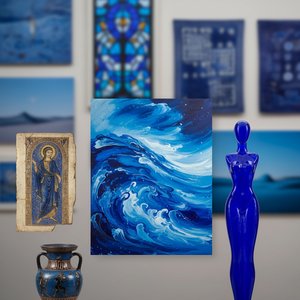
The Allure of Azure: Exploring the Symbolic & Aesthetic Depths of Blue in Art History
Explore the rich history of blue in art! Discover its symbolism, from ancient pigments to modern masterpieces by Kandinsky & Seurat. Uncover the psychological impact and cultural meanings behind this captivating hue.

Bianco Sublime: I 10 Dipinti Più Famosi Dominati dal Colore Bianco | .it
Esplora i 10 dipinti più celebri dominati dal bianco, da Monet a Malevich. Scopri la storia, le tecniche e l'impatto di queste opere iconiche. Trova stampe su tela e riproduzioni d'arte di alta qualità per decorare casa con stile su .

I 25 Capolavori di Claude Monet: Un Viaggio tra Luce e Colore
Scopri i 25 capolavori di Claude Monet e l'essenza dell'Impressionismo. Esplora la collezione su TopImpressionists.com.
Esplora le opere d'arte organizzate per temi, stili e caratteristiche.


