


 Anteprima in scala reale
 Condividi
 Condividi
 Dettagli
 Guida stampabile

 Scarica
 Articoli simili
 Radiografia
 Slideshow
 Statistiche
Café 1


Experience George Grosz’s ‘Café 1’! A vibrant depiction of urban life in Berlin, showcasing his distinctive style & social commentary. Hand-painted reproduction available.
 Leggi tutto
Scopri George Grosz (1893-1959), figura chiave di Dada Berlinese e Nuova Oggettività! Dipinti satirici che criticano la società tedesca, la politica e l'ascesa del fascismo. Esplora i suoi potenti caricaturisti e il suo lascito.
L'opera d'arte visualizzata in questa pagina è protetta dalle leggi sul diritto d'autore, il che significa che non possiamo legalmente creare o vendere una riproduzione identica. Tale protezione è garantita da accordi internazionali quali la Convenzione di Berna e dalle leggi nazionali, incluse quelle stabilite da Legge sul copyright degli Stati Uniti - Titolo 17. Tutti i diritti riservati. Le immagini presenti su questo sito sono protette da copyright e non possono essere riprodotte o utilizzate senza l'autorizzazione scritta di WahooArt.com o dei rispettivi proprietari del copyright.
Questo metodo è pienamente conforme alle normative sul diritto d'autore poiché non prevede la copia o la duplicazione dell'opera protetta. Si tratta invece di una rielaborazione creativa: un nuovo dipinto che trae ispirazione dall'originale, senza tuttavia esserne identico.
Giclée / Stampe d'arte
Stampa giclée o su tela di qualità museale, con produzione rapida e diverse opzioni di finitura. ( Ordina la riproduzione dipinta a mano Passa all'immagine digitale)




P118B €10

P118H €10

P118W €10

P438Z €10

P508JH €12

P508YH €12

P805H €10

P805Z €10

P919BZ €10

P919G €10

P919XJ €10

P959ZH €10

P968JZ €12

W106C €8

W218G €10

W218JH €8

W218Y €10

W307PJ €10

W316G €10

W316PJ €8

W316Y €10

W398PJ €8

W4111J €10

W500HY €15

W500JH €15

W692G €12

W849H €8

W940BG €15

W953PJ €8




Standard
personalizzato
CM
INCH
Scegli tra le nostre dimensioni predefinite, che rispettano le proporzioni originali dell'opera d'arte.
Loading sizes...

larghezza
altezza
Inserisci la larghezza e l'altezza desiderate, per adattarle alla tua cornice o alla tua parete. Una stampa può essere solo ritagliata, mai resa più grande dell'immagine originale; pertanto, un formato con una forma differente comporterà la perdita di una parte dell'opera. Ti invieremo un mockup digitale da approvare prima di procedere con la stampa. L'immagine mostrata in questa pagina non rappresenta il ritaglio reale — solo il mockup lo mostra.
Consegna in tutto il mondo () in 2 settimane invece delle normali 4/5 settimane. (22 Ottobre)

Spedizione espressa gratuita in tutto il mondo

Tela in lino di alta qualità

Assicurazione completa sulla spedizione

Garanzia di rimborso dei dazi doganali

Garanzia di perfetta fedeltà cromatica

Politica di reso entro 100 giorni (solo per difetti di fabbricazione)

Garanzia di rimborso al 100%

Sconto per acquisti multipli
 L'opzione vetro è disponibile solo per dimensioni inferiori a 110 cm

Café 1
Giclée / Stampe d'arte
Dimensioni della riproduzione
-


Prezzo totale
€ 61
A Window into the Weimar Soul
In the heart of a bustling, fractured Berlin, George Grosz captures a moment of suspended animation in his evocative work, Café 1. This painting serves as more than just a depiction of a social gathering; it is a vibrant, almost frenetic window into the urban pulse of the early twentieth century. As one gazes upon the canvas, the viewer is immediately swept into a crowded, atmospheric setting where the clinking of cups and the low hum of conversation seem to vibrate through the brushstrokes. The scene is populated by a diverse cast of characters—individuals caught in the quiet, mundane rituals of eating, drinking, and socializing—yet there is an underlying tension that suggests the world outside these cafe walls is far from stable. Through his masterful use of color and composition, Grosz invites us to witness the delicate dance of human connection amidst the encroaching shadows of a changing era.
The technique employed in Café 1 reflects the artist's unique ability to blend meticulous observation with a sharp, satirical edge. While his early training involved the disciplined study of Dutch masters, here we see a departure toward a more expressive and jagged aesthetic. The figures are rendered with a certain rhythmic energy, their forms defined by lines that feel both deliberate and urgent. The interplay of light and shadow across the dining tables creates a sense of depth, drawing the eye through the layers of the crowd toward the subtle details—a man in a tie, a woman lost in thought, and even the unexpected presence of birds that flutter near the periphery. This layering of detail ensures that every glance reveals something new, making the painting an endlessly engaging subject for close study.
Symbolism and the Urban Tapestry
Beyond its surface beauty, Café 1 functions as a profound piece of social commentary. Grosz, a chronicler of societal decay, uses the cafe setting as a microcosm of the Weimar Republic. The arrangement of people—some isolated in their own thoughts, others huddled in small groups—mirrors the fragmented nature of a society struggling to find its footing between tradition and modernity. The presence of the birds adds a layer of surrealist intrigue, perhaps symbolizing a fleeting sense of freedom or an external world that remains indifferent to the human drama unfolding within the cafe's walls. For the discerning collector, the painting offers a rich tapestry of meaning, where every object, from a simple coffee cup to a formal necktie, serves as a symbol of the social hierarchies and cultural shifts defining the age.
For interior designers and art enthusiasts alike, this reproduction offers a commanding presence that brings both historical weight and intellectual depth to any space. The painting’s palette, though colorful, possesses a sophisticated complexity that allows it to integrate seamlessly into both contemporary and classic decor. It acts as a conversation piece, sparking dialogue about history, sociology, and the enduring power of art to capture the human condition. To possess a hand-painted reproduction of Café 1 is to hold a fragment of Berlin's turbulent history, offering an emotional resonance that transcends time and provides a soulful focal point for any curated collection.
Domande e risposte
Posso usare la realtà aumentata per vedere "Café 1" di George Grosz nella mia stanza?
Puoi visualizzare "Café 1" di George Grosz sulla tua parete grazie alla pagina Anteprima AR dell'opera, utilizzando la realtà aumentata su un dispositivo compatibile.
Qual è l'uso consigliato per una stampa di "Café 1"?
Una riproduzione di "Café 1" di George Grosz è consigliata per Conversation. Questo suggerimento deriva dal soggetto, dall'atmosfera e dai colori dell'opera.
Quale collocazione si adatta meglio al formato di "Café 1" di George Grosz?
Il formato Landscape di "Café 1" di George Grosz è consigliato per un/una Coffee Shop. Il formato e lo spazio insieme guidano il posizionamento di una riproduzione.
Biografia dell'artista
Primi anni e influenze
George Grosz, nato Georg Ehrenfried Groß il 26 luglio 1893 a Berlino, Germania, crebbe in una famiglia luterana devota, con un padre proprietario di un pub. Dopo la morte del padre nel 1901, sua madre divenne responsabile della sala ufficiali degli ussari locali. La sua infanzia fu segnata da questa transizione e dall'inizio del suo percorso artistico sotto la guida di un pittore locale di nome Grot. Si dedicò allo studio meticoloso delle scene di bevute ed immaginarie battaglie di Eduard von Grützner, affinando le sue abilità attraverso la copia.Sviluppo Artistico e Formazione
Grosz proseguì i suoi studi all'Accademia di Belle Arti di Dresda (1909-1911) e successivamente al College of Arts and Crafts di Berlino. Queste esperienze formative contribuirono a plasmare il suo stile artistico distintivo, influenzato da diverse correnti artistiche del tempo.Opere Principali e Stile
- La Fossa (Das Schicksal): Un'opera emblematica del dadaismo di Grosz, che rappresenta una visione caotica e critica della società tedesca.
- L’Agitatore: Un dipinto surrealista che fonde il caos dell'epoca con colori vivaci e un forte commento sociale.
- I Pilastri della Società: Una satira pungente della borghesia tedesca, caratterizzata da figure grottesche e deformate.
- Il Dottor Billig: Uno schizzo satirico che critica l'élite e la medicina con distorsione espressionista e un commento sociale tagliente.
Esilio negli Stati Uniti e Eredità
Nel 1933, Grosz emigrò negli Stati Uniti, diventando cittadino naturalizzato nel 1938. Insegnò alla Art Students League of New York e continuò a esporre le sue opere fino al suo ritorno a Berlino, dove morì il 6 luglio 1959. La sua eredità continua ad essere celebrata attraverso le sue opere, che si trovano in numerosi musei in Germania e nel mondo. Grosz è ricordato come un artista coraggioso e innovativo, capace di esprimere con forza e originalità la sua visione critica della realtà.Appartenenza a Movimenti Artistici
- Dadaismo: Grosz fu una figura chiave nel movimento Dada berlinese, condividendone l'atteggiamento iconoclasta e il rifiuto delle convenzioni artistiche tradizionali.
- Nuova Oggettività (Neue Sachlichkeit): Successivamente aderì al movimento della Nuova Oggettività, che si caratterizzava per una rappresentazione realistica e critica della società tedesca del dopoguerra.
Collezioni Museali
Le opere di Grosz sono esposte in importanti musei, tra cui:- Kunstsammlungen und Museen Augsburg
- Kunsthalle Bielefeld
- Peggy Guggenheim Collection (Venezia)
- Whitney Museum of American Art (New York)

George Grosz
1893 - 1959 , Germania
Informazioni rapide
- Artisti Influenti: ['Eduard von Grützner']
- Data Di Nascita: 26 luglio 1893
- Luogo Di Nascita: Berlino, Germania
- Movimento Artistico: Dadaismo, Nuova Oggettività
- Nazionalità: Tedesca, Americana
- Nome Completo: George Grosz
- Opere Notevoli:
- La fossa
- L'Agitatore
- I Pilastri della Società
- Attacco
- La Città
Articoli correlati
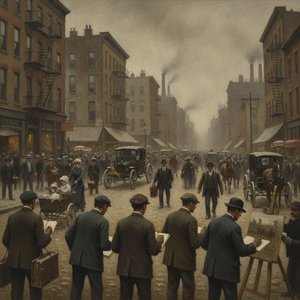
The Ashcan School: Capturing the Raw, Unfiltered Soul of Urban Life through American Realism
Discover the raw beauty of the Ashcan School. Explore how masters like Bellows and Henri captured the gritty, vibrant soul of early 20th-century New York through profound American Realism and evocative urban landscapes.
Esplora le opere d'arte organizzate per temi, stili e caratteristiche.


