

 Anteprima in scala reale
 Invia
Invia Condividi
 Dettagli opera
 Guida
Guida

 Scarica
 Simili
 Radiografia
 Slideshow
 Domande e risposte
 Statistiche
Mrs. Francis Russell


Scopri la splendida Mrs. Francis Russell di George Romney! Un ritratto elegante del XVIII secolo, eseguito con maestria e ispirato dalla bellezza classica. Acquista stampe autentiche su TopImpressionists.
 Espandi i dettagli
Scopri George Romney (1734-1802), maestro della ritrattistica britannica! Esplora dipinti eleganti e la sua affascinante musa, Emma Hamilton. Acquista riproduzioni!
Giclée / Stampe d'arte
Stampa giclée o su tela di qualità museale, con produzione rapida e diverse opzioni di finitura. ( Acquista il dipinto realizzato a mano Passa all'immagine digitale)




P118B €10

P118H €10

P118W €10

P438Z €10

P508JH €12

P508YH €12

P805H €10

P805Z €10

P919BZ €10

P919G €10

P919XJ €10

P959ZH €10

P968JZ €12

W106C €8

W218G €10

W218JH €8

W218Y €10

W307PJ €10

W316G €10

W316PJ €8

W316Y €10

W398PJ €8

W4111J €10

W500HY €15

W500JH €15

W692G €12

W849H €8

W940BG €15

W953PJ €8




Formato standard
su misura
CM
INCH
Scegli tra le nostre dimensioni predefinite, che rispettano le proporzioni originali dell'opera d'arte.
Loading sizes...

larghezza
altezza
Inserisci la larghezza e l'altezza desiderate, per adattarle alla tua cornice o alla tua parete. Una stampa può essere solo ritagliata, mai resa più grande dell'immagine originale; pertanto, un formato con una forma differente comporterà la perdita di una parte dell'opera. Ti invieremo un mockup digitale da approvare prima di procedere con la stampa. L'immagine mostrata in questa pagina non rappresenta il ritaglio reale — solo il mockup lo mostra.
Consegna in tutto il mondo () in 2 settimane invece delle normali 4/5 settimane. (6 Novembre)

Spedizione espressa gratuita in tutto il mondo

Tela in lino di alta qualità

Assicurazione completa sulla spedizione

Garanzia di rimborso dei dazi doganali

Garanzia di fedeltà cromatica assoluta

Politica di reso entro 100 giorni (solo per difetti di fabbricazione)

Garanzia di rimborso al 100%

Offerta per acquisti multipli
 L'opzione vetro è disponibile solo per dimensioni inferiori a 110 cm

Mrs. Francis Russell
Giclée / Stampe d'arte
Dimensioni riproduzione
-


Prezzo finale calcolato
€ 62
Mrs. Francis Russell: Elegance Captured in Pastel
George Romney’s “Mrs. Francis Russell,” completed in 1785–87, stands as a quintessential example of Georgian portraiture—a genre defined by refined taste and meticulous attention to detail. This captivating painting depicts Emma Hamilton Russell, wife of Sir William Russell, a prominent diplomat and philanthropist, seated gracefully amidst an opulent interior setting. Romney’s masterful use of pastel technique elevates the image beyond mere likeness, transforming it into a shimmering tapestry of color and texture that embodies the ideals of beauty and aristocratic refinement prevalent during the reign of George III.- Subject Matter: The portrait focuses on Emma Hamilton Russell herself, presented in a pose of serene contemplation—a hallmark of Romney’s approach to capturing his subjects' inner lives alongside their outward appearance. Her gaze directs towards the viewer, establishing an intimate connection and inviting us into her world.
- Style & Technique: Romney’s signature pastel technique is particularly noteworthy. Unlike oil paint, pastel employs finely powdered pigment mixed with binder—typically gum arabic—allowing for unparalleled luminosity and blending capabilities. This method enabled Romney to achieve subtle gradations of color and create an ethereal atmosphere that captures the delicate nuances of light and shadow.
- Composition: The composition is carefully balanced, emphasizing Emma Hamilton Russell’s central figure while incorporating decorative elements – notably two apples strategically positioned—that serve as visual anchors and contribute to the overall harmony of the scene. The vase on the left adds a touch of elegance and reinforces the sense of refined domesticity.
- Historical Context: Painted during the Georgian era, “Mrs. Francis Russell” reflects the prevailing fascination with classical ideals of beauty and virtue. Emma Hamilton Russell herself was a celebrated muse for Sir Joshua Reynolds, marking Romney’s work within a broader artistic landscape concerned with portraying aristocratic women as embodiments of grace and sophistication.
- Symbolism: The inclusion of apples—a traditional symbol of fertility and immortality—suggests an aspiration for enduring beauty and happiness—themes central to Georgian sensibilities. Their placement reinforces the painting's visual richness and adds layers of meaning beyond mere representation.
Domande e risposte
Quanto sono armoniosi i colori di "Mrs. Francis Russell"?
I colori di "Mrs. Francis Russell" di George Romney mostrano un'armonia Tavolozza dai toni sfumati. L'armonia descrive il modo in cui i colori interagiscono tra loro.
Quale tonalità dominante caratterizza "Mrs. Francis Russell" di George Romney?
Una tonalità Dall'ambra allo zafferano attraversa l'opera "Mrs. Francis Russell" di George Romney.
Che posto occupa "Mrs. Francis Russell" tra i temi ricorrenti di George Romney?
I temi ricorrenti di George Romney includono romantic idealism & elegance, british aristocracy patronage, formal portrait composition, classical decorative style, reflecting georgian society; "Mrs. Francis Russell" si concentra su elegant woman, victorian era, parasol detail, floral arrangement, fruit composition, romantic portraiture, british art history.
Biografia dell'artista
George Romney: Una Vita nel Ritratto
Primi Anni e Formazione Artistica
- Nascita: 26 maggio 1734, a Beckside, Dalton-in-Furness, Lancashire (ora Cumbria), Regno Unito.
- Romney era il terzo di undici figli nati da John Romney, un falegname, e Anne Simpson.
- Primi Studi Artistici: Mostrò inizialmente una propensione per l'arte, portando a un apprendistato con Christopher Steele, un ritrattista che aveva studiato sotto Carlo Vanloo a Parigi. Questa formazione fondamentale gli fornì abilità cruciali e esposizione alle tradizioni artistiche europee.
Sviluppo Artistico e Svolta
- Romney si trasferì a Londra intorno al 1760, cercando maggiori opportunità per la sua nascente carriera.
- Si affermò rapidamente come un abile pittore di ritratti, competendo con artisti importanti come Thomas Gainsborough e Joshua Reynolds.
- Stile e Tecnica: Lo stile di Romney si evolse nel tempo, inizialmente influenzato da Steele e Vanloo, ma sviluppò un approccio distintivo caratterizzato da pose eleganti, illuminazione soffusa e una focalizzazione sulla cattura della personalità dei suoi soggetti.
La Musa: Emma Hamilton
- Una Relazione Chiave: La vita artistica di Romney fu profondamente influenzata dalla sua relazione con Emma Hamilton (nata Amy Lyon). Lei divenne il suo modello preferito e musa, ispirando una serie di ritratti affascinanti.
- La bellezza, l'intelligenza e lo spirito drammatico di Hamilton catturarono Romney. La raffigurò in vari ruoli – come filatrice, Miranda da *La Tempesta* di Shakespeare, e in numerose altre scene allegoriche.
- Esplorazione Artistica: Attraverso il suo lavoro con Hamilton, Romney esplorò temi della mitologia classica, del teatro e della grazia femminile.
Opere Notabili e Realizzazioni
- Ritratto di James Brudenell, Earl of Cardigan (1776): Un esempio primario dell'abilità di Romney nel catturare il carattere e lo status dei suoi soggetti.
- Emma Hamilton come Filatrice: Dimostra l'abilità di Romney nel ritrarre sia la bellezza che la narrazione all'interno di una singola composizione.
- Lady Emma Hamilton come Miranda: Mostra la fascinazione di Romney per le pose teatrali e le allusioni classiche.
- Ariel (Somerville College, Oxford): Un ritratto sorprendente di Emma Hamilton che incarna lo spirito de *La Tempesta* di Shakespeare.
- Ampio Patronato: Romney godette di una carriera di successo attirando commissioni da membri importanti della società britannica, tra cui aristocratici, politici e figure letterarie.
Influenze e Significato Storico
- Influenze Artistiche: Carlo Vanloo e Christopher Steele fornirono a Romney una formazione iniziale. Trasse anche ispirazione dalle opere di Peter Paul Rubens e altri maestri del Barocco.
- Impatto sulla Ritratistica Britannica: Il lavoro di Romney contribuì a plasmare lo sviluppo della ritratistica britannica alla fine del XVIII secolo, contribuendo a uno stile che enfatizzava l'eleganza, l'intuizione psicologica e il fervore artistico.
- I suoi ritratti offrono preziose intuizioni sulla vita e sui gusti dell'élite britannica durante la sua epoca.
- Vita Successiva e Eredità: Romney affrontò problemi di salute mentale nella vita successiva, portando a un declino della sua produttività. Morì nel 1802, lasciando dietro di sé una significativa quantità di lavoro che continua ad essere ammirato e studiato oggi.

George Romney
1734 - 1802 , Regno Unito
Dettagli rapidi
- Artistic Movement Or Style: Ritrattismo, Romanticismo
- Artists Who Influenced This Artist:
- Carlo Vanloo
- Christopher Steele
- Peter Paul Rubens
- Date Of Birth: 26 maggio 1734
- Date Of Death: 1802
- Full Name: George Romney
- Nationality: Britannico
- Notable Artworks:
- Ritratto di James Brudenell
- Emma Hamilton come Spinnera
- Lady Emma Hamilton come Miranda
- Ariel (Somerville College)
- Place Of Birth (City And Country): Dalton-in-Furness, Regno Unito
Articoli correlati
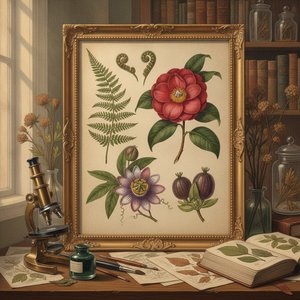
The Timeless Elegance of Victorian Botanical Painting: A Journey Through Nature's Intricate Detail and Scientific Artistry
Discover the exquisite world of Victorian botanical painting, where scientific precision meets profound aesthetic grace. Explore a journey through nature's intricate details, from legendary illustrators to the untamed beauty of Marianne North’s vibrant floral masterpieces.
Esplora le opere d'arte organizzate per temi, stili e caratteristiche.


