


 Anteprima in scala reale
 Invia
Invia Condividi
 Dettagli opera
 Guida
Guida

 Scarica
 Simili
 Radiografia
 Slideshow
 Q&A
Q&A Statistiche
La Cappella Scrovegni


Scopri La Cappella Scrovegni, capolavoro di Giotto! Ammira il ciclo pittorico che racconta la vita di Maria e Gesù nel cuore della città Padova.
 Espandi i dettagli
Scopri Giotto di Bondone (1267-1337), il rivoluzionario pittore e architetto italiano! Esplora le sue proto-rinascimentali affreschi, il suo naturalismo, la sua profondità emotiva e le sue opere iconiche come la Cappella Scrovegni. Una figura fondamentale nella storia dell'arte europea.
Riproduzione a olio fatta a mano
Olio su tela dipinto a mano nelle tue dimensioni e con la tua cornice, realizzato su ordinazione dai nostri artisti. ( Passa alle stampe Passa all'immagine digitale)




P118B €10

P118H €10

P118W €10

P438Z €10

P508JH €12

P508YH €12

P805H €10

P805Z €10

P919BZ €10

P919G €10

P919XJ €10

P959ZH €10

P968JZ €12

W106C €8

W218G €10

W218JH €8

W218Y €10

W307PJ €10

W316G €10

W316PJ €8

W316Y €10

W398PJ €8

W4111J €10

W500HY €15

W500JH €15

W692G €12

W849H €8

W940BG €15

W953PJ €8




Formato standard
su misura
CM
INCH
Scegli tra le nostre dimensioni predefinite, che rispettano le proporzioni originali dell'opera d'arte.
Loading sizes...

larghezza
altezza
Inserisci la larghezza e l'altezza desiderate, per adattarle alla tua cornice o alla tua parete. Trattandosi di un'opera dipinta a mano, in caso di dimensioni con un formato differente, l'artista può estendere leggermente il dipinto oltre i bordi dell'immagine o ritagliare una piccola parte — la scelta spetta a te. Ti invieremo un mockup digitale da approvare prima che la realizzazione abbia inizio. L'immagine mostrata in questa pagina non rappresenta il risultato finale — solo il mockup lo fa.
Esempi di ciò che può essere modificato: sostituire il volto con una foto del cliente; aggiungere un animale domestico (ad esempio, sostituire un gatto con un cane); inserire un messaggio nascosto nello sfondo; cambiare il paesaggio o gli elementi dello sfondo.
Dopo l'ordine, il team di TopImpressionists.com contatterà il cliente via e-mail per ricevere le istruzioni e fornirà un'anteprima del mockup
Dopo l'ordine, il team di TopImpressionists.com contatterà il cliente via e-mail per ricevere le istruzioni e fornirà un'anteprima del mockup
Consegna in tutto il mondo () in 3/4 settimane anziché nelle normali 5 settimane. (29 Ottobre). Nessun compromesso sulla qualità.

Spedizione espressa gratuita in tutto il mondo

Tela in lino di alta qualità

Assicurazione completa sulla spedizione

Garanzia di rimborso dei dazi doganali

Garanzia di fedeltà cromatica assoluta

Politica di reso entro 100 giorni (solo per difetti di fabbricazione)

Garanzia di rimborso al 100%

Offerta per acquisti multipli
 L'opzione vetro è disponibile solo per dimensioni inferiori a 110 cm

La Cappella Scrovegni
Tecnica di riproduzione
Dimensioni riproduzione
-


Prezzo finale calcolato
€ 237
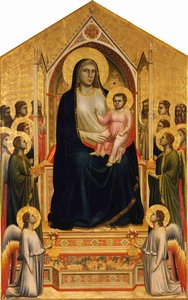
The Chapel viewed from the entrance by GIOTTO di Bondone
Giotto Di Bondone’s “The Chapel viewed from the entrance,” painted in 1303, stands as an unparalleled testament to artistic innovation and spiritual contemplation within the Cappella Scrovegni of Padua. More than just a depiction of architectural space, it embodies the nascent spirit of the Early Renaissance—a dramatic departure from Byzantine formalism and a fervent embrace of naturalism that irrevocably altered the course of Western art history. Commissioned by Enrico Scrovegni, a wealthy merchant driven by profound piety, the chapel’s frescoes represent an ambitious undertaking to honor God and atone for sins past – a mission reflected in every meticulously crafted detail. ### Historical Context: A Turning Point in Artistic Vision The Cappella Scrovegni’s genesis coincided with a period of significant intellectual ferment across Europe. The rediscovery of classical texts fueled humanist thought, challenging medieval dogma and prioritizing human reason alongside divine revelation. Giotto’s work responded directly to this transformative shift by rejecting the stylized figures and flattened perspectives characteristic of Byzantine art—the dominant aesthetic tradition for centuries—and instead striving for a palpable sense of depth and realism. This stylistic revolution wasn't merely decorative; it signaled a fundamental rethinking of how artists perceived and represented the world, paving the way for subsequent artistic developments. The chapel itself was constructed on the site of an ancient Roman amphitheater, symbolizing renewal and rebirth amidst the ruins of pagan antiquity—a deliberate juxtaposition that underscores Giotto’s ambition to elevate Christian narrative to new heights. ### Artistic Significance: A Symphony of Detail and Emotion What distinguishes “The Chapel viewed from the entrance” is its breathtaking complexity – a veritable panorama of architectural elements interwoven with vibrant narratives depicting scenes from the life of Mary and Christ. The fresco technique employed by Giotto—specifically *tempera* on plaster—allowed for an unprecedented level of textural richness and luminosity, surpassing the muted palettes and static compositions of his predecessors. Observe how Giotto skillfully utilizes chiaroscuro – the interplay of light and shadow – to sculpt forms with remarkable accuracy, creating a convincing illusion of three-dimensionality that draws viewers into the scene. The artist’s meticulous attention to detail extends beyond mere representation; it conveys profound emotional resonance—a palpable sense of sorrow during Christ’s Passion and joyous celebration of His Resurrection. ### Style and Technique: Breaking Free from Tradition Giotto’s stylistic innovations extended far beyond his masterful use of perspective and chiaroscuro. He abandoned the rigid conventions of Byzantine iconography, opting for more expressive poses and gestures that captured human emotion with startling immediacy. Consider the figures in the upper wall—they are not idealized representations but individuals imbued with palpable feeling – grief, compassion, and awe. Giotto’s breakthrough was to depict human beings as they actually appeared, rather than as stylized symbols of divine virtue. This approach wasn't simply aesthetically pleasing; it represented a crucial step toward portraying humanity in its full complexity—a cornerstone of the Renaissance humanist ideal. The chapel walls are adorned with statues that add to the grandeur and solemnity of the space, reflecting Giotto’s understanding of architectural design as an integral component of artistic expression. ### Other Works by Giotto Di Bondone: Expanding Horizons Giotto's legacy extends beyond the Cappella Scrovegni, encompassing a remarkable corpus of paintings that demonstrate his unwavering commitment to naturalism and emotional depth. Notable among these are “St Paul” frescoes in San Pietro Nuovo, Florence—a monumental depiction of Saint Paul’s conversion—and “Scenes from the Life of Mary Magdalene” frescoes in Assisi's Basilica of Saint Francis—a poignant portrayal of biblical narratives imbued with spiritual significance. Furthermore, Giotto’s “Last Judgment,” executed in Siena Cathedral, represents a dramatic culmination of his artistic explorations, capturing the terror and ecstasy of divine judgment with unparalleled psychological insight. These works collectively solidify Giotto's position as one of the most influential artists of his era—a visionary who ushered in a new age of artistic creativity and profoundly shaped the visual culture of Europe.TopImpressionists.com offers high-quality handmade oil painting reproductions of famous artworks, including those by Giotto Di Bondone. Visit our website to explore more about his paintings and other artistic masterpieces. Photo Description: The image is a painting of the interior of a church with a large arched ceiling. The painting features many intricate designs on the walls, including paintings of people and religious figures. There are several statues in the scene, some placed near the top of the wall while others are located closer to the bottom. In addition to the statues, there is a clock visible towards the right side of the painting. The overall atmosphere of the painting suggests that it was created during the 13th century and serves as an artistic representation of religious life in that time period. Size: Unknown Date: 1303 ARTIST INFORMATION: ================== Artist: Giotto di Bondone Birth Year: 1267 Death Year: 1337 Birth City: Florence Birth Country: Italy Biography:
The Shepherd Boy of Florence: Giotto’s Revolutionary Vision
Born around 1267 in the rolling hills near Florence, Italy, Giotto di Bondone emerged from humble beginnings to become arguably the most pivotal figure in the transition from medieval artistic conventions toward the Renaissance. His early life is steeped in legend – a shepherd boy discovered sketching remarkably lifelike sheep on rocks, catching the discerning eye of the Florentine master Cimabue. Whether fact or folklore, this tale encapsulates the essence of Giotto’s genius: an innate ability to capture the natural world with unprecedented realism and emotional depth. Taken as an apprentice by Cimabue, Giotto quickly surpassed his teacher, absorbing technical skills but forging a path distinctly his own. The Byzantine style, dominant at the time, favored stylized figures, flattened perspectives, and lavish gold backgrounds – symbols of spiritual transcendence rather than earthly representation. Giotto, however, ye
Domande e risposte
A quale fase della carriera di Giotto di Bondone corrisponde la data del 1303 di "La Cappella Scrovegni"?
La data del 1303 colloca "La Cappella Scrovegni" nel Proto-Renaissance della carriera di Giotto di Bondone.
In che anno è stata creata "La Cappella Scrovegni" di Giotto di Bondone?
"La Cappella Scrovegni" risale al 1303. Questa data colloca l'opera all'interno della carriera di Giotto di Bondone e del suo periodo storico.
Dove posso trovare le statistiche relative a "La Cappella Scrovegni" di Giotto di Bondone?
È disponibile una pagina Statistiche per "La Cappella Scrovegni", che illustra le visite mensili dell'opera e delle altre creazioni dell'artista, con dettagli relativi a paese e lingua.
Biografia dell'artista
**una vita di innovazione e rivoluzione artistica**
Giotto di Bondone, il rinomato pittore e architetto italiano, ha lasciato un segno indelebile nel mondo dell'arte con i suoi contributi pionieristici ai periodi proto-rinascimentale e gotico. Nato nel 1267 a Firenze, in Italia, la vita di Giotto rimane in parte avvolta nel mistero, ma la sua eredità artistica è innegabile.**contributi e innovazioni artistiche**
L'opera più celebre di Giotto, la Cappella Scrovegni (o Cappella degli Arena) a Padova, completata intorno al 1305, è una testimonianza del suo spirito innovativo. Questo ciclo di affreschi, che raffigura la vita della Vergine e la vita di Cristo, non solo dimostra il suo genio artistico ma anche ne evidenzia la capacità narrativa, un significativo passo avanti rispetto all'approccio stilizzato bizantino.- rivoluzione nella pittura: l'enfasi di Giotto sul naturalismo, sull'attenzione alle emozioni umane e sull'esplorazione di figure spaziali e volumetriche nella pittura ha gettato le basi per gli sviluppi successivi nell'arte occidentale.
- contributi architettonici: la sua commissione del 1334 da parte della comunità fiorentina per progettare il nuovo campanile del Duomo di Firenze conferma il suo talento duale come artista e architetto.
**opere notevoli e loro significato**
- Annunciazione: la Vergine che riceve il messaggio (visualizza su TopImpressionists.com): un esempio primario dello stile proto-rinascimentale di Giotto, caratterizzato dall'uso del naturalismo e dell'attenzione ai dettagli.
- Natività. Nascita di Gesù (visualizza su TopImpressionists.com): dimostra la capacità di Giotto di comunicare narrative complesse attraverso i suoi affreschi, un marchio distintivo del periodo proto-rinascimentale.
- Madonna in Maest (Ognissanti Madonna) (visualizza su TopImpressionists.com): questo altare commissionato dalla chiesa di Ognissanti a Firenze è un esempio significativo della pittura a tavola di Giotto e del suo uso dell'tempera.
**eredità e influenza**
L'influenza di Giotto sull'arte occidentale è profonda, gettando le basi per il movimento artistico rinascimentale. La sua enfasi sul naturalismo, sulle emozioni umane e sulla consapevolezza spaziale nella pittura ha resistito nel tempo, assicurandogli un posto come figura fondamentale nella storia dell'arte europea. Esplora altre opere e l'eredità di Giotto di Bondone su TopImpressionists.com.
Giotto di Bondone
1267 - 1337 , Italia
Dettagli rapidi
- Artisti Influenti: ['Cimabue']
- Artisti Influenzati:
- Masaccio
- Leonardo da Vinci
- Data Di Morte: 1337
- Data Di Nascita: 1267
- Luogo Di Nascita: Firenze, Italia
- Movimento Artistico: Proto-Rinascimento
- Nazionalità: Italiana
- Nome Completo: Giotto di Bondone
- Opere Notevoli:
- Cappella Scrovegni
- Madonna di Ognissanti
- Polittico dei Baroncelli
Articoli correlati

L'Eredità del Buon Fresco: Storia e Segreti della Pittura che si Fonde con la Parete
Scopri i segreti tecnici e storici del buon fresco e delle sinopie. Immergiti nella magia della pittura murale d'autore.
Esplora le opere d'arte organizzate per temi, stili e caratteristiche.




![Scrovegni - [05] - Il Sogno di Gioacchino](/media/artworks/images-thumb/8f/67/8f67bb5da87296bd452b3f0b237b528d.jpg)


