


 Anteprima in scala reale
 Condividi
 Condividi
 Dettagli
 Guida stampabile

 Scarica
 Articoli simili
 Radiografia
 Slideshow
 Statistiche
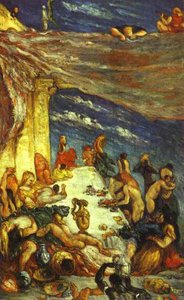
The Bride
 Oil
Oil- WallArt
- Academic Realism
 1881
1881- 19th Century
 82.0 x 66.0 cm
 Museo Ateneo d'Arte
A grand group portrait capturing the elegance of a fin-de-siècle banquet, this realistic masterpiece by Finnish artist Gunnar Berndtson invites you to bring the sophisticated charm of 1881 into your private collection.
 Leggi tutto
"meta_description": "Gunnar Berndtson (1854-1895) pittore finlandese noto per ritratti realistici e stile Salon. Influenzato da Edelfelt, catturò la vita dell'epoca a Helsinki ed Egitto. Insegnante di Enckell & Thesleff."
Riproduzione a olio fatta a mano
Olio su tela dipinto a mano nelle tue dimensioni e con la tua cornice, realizzato su ordinazione dai nostri artisti. ( Passa alle stampe Passa all'immagine digitale)




P118B €10

P118H €10

P118W €10

P438Z €10

P508JH €12

P508YH €12

P805H €10

P805Z €10

P919BZ €10

P919G €10

P919XJ €10

P959ZH €10

P968JZ €12

W106C €8

W218G €10

W218JH €8

W218Y €10

W307PJ €10

W316G €10

W316PJ €8

W316Y €10

W398PJ €8

W4111J €10

W500HY €15

W500JH €15

W692G €12

W849H €8

W940BG €15

W953PJ €8




Standard
personalizzato
CM
INCH
Scegli tra le nostre dimensioni predefinite, che rispettano le proporzioni originali dell'opera d'arte.
Loading sizes...

larghezza
altezza
Inserisci la larghezza e l'altezza di cui hai bisogno, per adattarle alla tua cornice o alla tua parete. Trattandosi di un'opera dipinta a mano, in caso di dimensioni con una forma differente, l'artista può dipingere un po' più oltre i bordi dell'immagine o ritagliare leggermente — la scelta spetta a te. Ti invieremo un mockup digitale da approvare prima che la pittura abbia inizio. L'immagine mostrata in questa pagina non rappresenta il risultato reale — solo il mockup lo fa.
Esempi di personalizzazione: sostituire il volto con una foto del cliente; aggiungere un animale domestico (ad esempio, sostituire un gatto con un cane); inserire un messaggio nascosto nello sfondo; cambiare il paesaggio o gli elementi dello sfondo.
Dopo l'ordine, il team di TopImpressionists.com contatterà il cliente via e-mail per ricevere le istruzioni e fornirà un'anteprima del mockup
Dopo l'ordine, il team di TopImpressionists.com contatterà il cliente via e-mail per ricevere le istruzioni e fornirà un'anteprima del mockup
Consegna in tutto il mondo () in 3/4 settimane anziché nelle normali 5 settimane. (20 Ottobre). Nessun compromesso sulla qualità.

Spedizione espressa gratuita in tutto il mondo

Tela in lino di alta qualità

Assicurazione completa sulla spedizione

Garanzia di rimborso dei dazi doganali

Garanzia di perfetta fedeltà cromatica

Politica di reso entro 100 giorni (solo per difetti di fabbricazione)

Garanzia di rimborso al 100%

Sconto per acquisti multipli
 L'opzione vetro è disponibile solo per dimensioni inferiori a 110 cm

The Bride
Tecnica di riproduzione
Dimensioni della riproduzione
-


Prezzo totale
€ 234
A Grand Celebration Captured in Oil
In the luminous masterpiece The Bride, created in 1881, Gunnar Berndtson invites us into a moment of profound social elegance and quiet intimacy. This large-scale group portrait serves as a window into the sophisticated world of the late nineteenth century, capturing a celebratory banquet that feels both monumental and deeply personal. At the heart of this composition stands the bride, a figure of striking presence whose poised stance—hand resting confidently on her hip—commands the attention of the viewer. She is surrounded by an assembly of guests, men and women captured in various states of conversation and repose, all gathered around a table laden with the symbols of a bountiful feast. The scene is a masterclass in narrative painting, where every wine glass, every bottle, and even the solitary orange placed near the crystal serves to ground the grandeur of the event in a tangible, sensory reality.
Berndtson’s technical prowess is on full display through his command of the Salon style, a technique he refined during his transformative years at the École des Beaux-Arts in Paris. The painting breathes with a remarkable sense of depth and texture; one can almost feel the weight of the fine fabrics, the cool smoothness of the glassware, and the warm glow of light reflecting off the polished surfaces of the dining hall. His ability to render realistic detail—from the subtle translucency of wine to the delicate interplay of shadow across the faces of his subjects—demonstrates a level of skill that elevates the work from a mere social document to a triumph of academic realism. For the discerning collector, this piece offers more than just visual beauty; it provides a sophisticated study in light and form that brings an air of historical prestige to any space.
The Intersection of Finnish Identity and Parisian Elegance
To understand the emotional resonance of The Bride, one must look toward the artist’s unique cultural position. As a Finnish master who found his voice in the heart of the French art scene, Berndtson bridged two worlds. His training under Jean-Léon Gérôme instilled in him a rigorous devotion to precision and classical composition, yet there remains an underlying warmth and narrative soul that speaks to the fin-de-siècle spirit. The painting captures the essence of an era defined by social ritual and the celebration of status, yet it avoids the coldness often found in purely academic works. Instead, there is a palpable sense of atmosphere—a lingering feeling of the laughter, the clinking of glasses, and the shared joy of a significant life milestone.
For interior designers and lovers of fine art, this reproduction offers an unparalleled opportunity to introduce a focal point of immense character and narrative depth. The composition’s balance of light and dark, combined with its rich, warm palette, makes it an ideal centerpiece for grand dining rooms, stately libraries, or sophisticated living areas. It is a work that does not merely decorate a wall but tells a story, inviting guests to linger and contemplate the elegance of a bygone era. Owning a piece of Berndtson’s legacy is an invitation to surround oneself with the timeless grace of nineteenth-century European high society, making it a profound choice for those seeking to curate a collection defined by historical significance and aesthetic excellence.
Domande e risposte
Quale tono emotivo accompagna lo stile Academic Realism di "The Bride"?
L'emozione Dramatic di "The Bride" accompagna il suo stile Academic Realism.
Qual è il formato di "The Bride"?
"The Bride" di Gunnar Berndtson ha un formato Landscape. Il formato descrive le proporzioni della composizione.
Chi ha creato "The Bride" e in quale stile è realizzato?
"The Bride" è stata creata da Gunnar Berndtson in stile Academic Realism. L'artista e il movimento identificano la tradizione dell'opera.



Biografia dell'artista
Gunnar Berndtson: Un Maestro di Ritratto Realistico e Sfumature Finlandesi
Gunnar Fredrik Berndtson (1854-1895) si erge come una figura significativa, spesso trascurata, nella storia dell’arte finlandese. Nato in una famiglia intellettuale – suo padre era il rinomato autore, giornalista e poeta Fredrik Berndtson – il percorso artistico di Gunnar iniziò con studi formali all'Istituto Politecnico di Helsinki, per poi evolversi verso lezioni d'audizione all'Università di Helsinki sotto la guida di illustri insegnanti come Erik Johan Löfgren. Tuttavia, già nel 1876, scelse deliberatamente una strada da artista, intraprendendo un periodo trasformativo a Parigi dove si iscrisse alla École des Beaux-Arts e studiò sotto l’influenza dell'influente Jean-Léon Gérôme. Questa soggiorno parigino si rivelò cruciale, esponendolo allo stile Salon della pittura e favorendo la creazione di contatti con artisti come Albert Edelfelt, un legame che avrebbe profondamente plasmato le sue sensibilità artistiche.Le Prime Influenze e lo Stile Salon
Il lavoro giovanile di Berndtson testimonia una chiara assorbimento dell'enfasi del Salon su soggetti storici e bellezza idealizzata. Le sue prime mostre al Salon nel 1878 ne riflettevano questa influenza, caratterizzate da un dettaglio meticoloso e un’estetica raffinata. Tuttavia, egli non fu semplicemente un imitatore; il suo tempo con Edelfelt introdusse un approccio più sfumato – uno che conservava il realismo pur incorporando elementi di identità finlandese e un senso emergente di modernismo. La popolarità del Salon fornì a Berndtson una visibilità cruciale e stabilì una base per la sua carriera successiva. L'attenzione al dettaglio, l’uso sapiente della luce e dei colori, e la capacità di catturare l'essenza psicologica dei soggetti lo distinsero dai suoi colleghi, conferendogli un’aura di eleganza e raffinatezza.L'Egitto e l'Alba di una Nuova Visione
Un capitolo fondamentale nello sviluppo artistico di Berndtson si svolse tra il 1882 e il 1883 quando viaggì in Egitto come ospite dell’ingegnere minerario francese Alphonse, Barone Delort de Gléon. Questa esperienza si rivelò profondamente influente, spostando il suo focus verso il ritratto e l'illustrazione documentaria per *Le Monde Illustré*. La luce severa, i colori vibranti e i soggetti diversi dell’Egitto accenderono una nuova passione in lui, andando oltre i vincoli formali del Salon e ponendo le basi per uno stile più personale ed espressivo. Catturò l'essenza della vita egiziana con notevole accuratezza e sensibilità, documentando sia la sua grandezza che le sue realtà quotidiane. La sua esperienza in Egitto gli permise di sviluppare una tecnica di pittura particolarmente efficace nell’uso del chiaroscuro, elemento fondamentale per rendere l'atmosfera e i dettagli dei suoi ritratti.Ritorno in Finlandia e Riconoscimenti Artistici
Al suo ritorno in Finlandia nel 1883, Berndtson si affermò come pittore di ritratti rispettato, guadagnando rapidamente riconoscimento per la sua capacità di catturare il carattere e la dignità dei suoi soggetti. Ricevette un notevole plauso, culminando con il Premio Statale alla Pittura di Ritratto nel 1889 – una testimonianza della sua crescente reputazione. I suoi ritratti non erano semplici riproduzioni; possedevano un'indubbia profondità psicologica, rivelando sottili sfumature di emozione e personalità. La sua abilità nel cogliere l’anima dei suoi soggetti lo rese particolarmente apprezzato dalla nobiltà finlandese e dalle figure importanti della vita culturale dell’epoca.Eredità e Significato Artistico
L'eredità di Gunnar Berndtson si estende oltre le sue opere individuali; ha contribuito a plasmare lo sviluppo dell'arte finlandese. Servì come insegnante all'Accademia d'Arti Visive dal 1890 al 1892, guidando studenti talentuosi come Magnus Enckell e Ellen Thesleff, che avrebbero dato contributi significativi al panorama artistico. La sua prematura morte nel 1895, attribuita a una “malattia degenerativa” (forse sifilide), interruppe una promettente carriera ma lasciò dietro di sé un corpo di lavoro caratterizzato da realismo meticoloso, intuizione psicologica e una sottile ma inequivocabile sensibilità finlandese. Opere come *Il Canto della Sposa* (1881), *Ritratto del Professore di Odontoiatria Matti Äyräpää* (1889), *Il Suo Nome* (1890) e *Almée, Danzatrice Egiziana* (1883) offrono spaccati toccanti del mondo fin-de-siècle che abitava – un mondo che si confrontava con la modernità pur conservando radici profonde nella tradizione. Berndtson’s art continues to be studied and appreciated for its technical skill, emotional resonance, and its contribution to the rich tapestry of Finnish artistic history.
Gunnar Berndtson
1854 - 1895 , Finland
Informazioni rapide
- Artistic Movement Or Style: Realismo e Salon
- Artists Or Movements Influenced By This Artist: ['Albert Edelfelt']
- Artists Who Influenced This Artist: ['Jean-Léon Gérôme']
- Date Of Birth: 24 ottobre 1854
- Date Of Death: 9 aprile 1895
- Full Name: Gunnar Fredrik Berndtson
- Nationality: Finlandese
- Notable Artworks:
- Il canto della sposa
- Ritratto di Matti Äyräpää
- Il suo nome
- Almée
- Place Of Birth: Helsinki, Finlandia
Articoli correlati

Maurice Quentin de La Tour: Luce, Ombra e il Ritratto Rococò
Scopri Maurice Quentin de La Tour, maestro del ritratto rococò e innovatore della tecnica a pastello. Analisi approfondita dei suoi capolavori, influenze artistiche e contesto storico. Esplora l'arte settecentesca con TopImpressionists.

Goya: I 25 Capolavori Immortali dell'Anima Spagnola | TopImpressionists
Esplora i 25 capolavori di Francisco Goya, il genio spagnolo tra Romanticismo e Realismo. Ritratti iconici, 'Los Caprichos' e le toccanti 'Disastri della Guerra'. Trova stampe su tela e riproduzioni artistiche di alta qualità per la tua casa su TopImpressionists.com.

The Enduring Legacy of Formal Portraiture: Power, Identity & Artistic Exploration
Explore the rich history of formal portraiture & its enduring power to capture identity and shape perception. Discover investment-worthy artworks, expert appraisals, and custom reproduction services at TopImpressionists.

Charles Haslewood Shannon: A Study in Aestheticism, Symbolism & Fin-de-Siècle Portraiture
Explore the captivating portraits of Charles Haslewood Shannon, a leading figure of Aestheticism & Symbolism. Discover his classic style, influences, and lasting legacy in British art. View artworks & learn more.

Riguardo a noi
Scopri la nostra storia! Portiamo l'arte di livello mondiale nella tua vita grazie a una selezione esperta, creazioni personalizzate e anteprime gratuite. Approvato da privati e aziende dal 2000.