Schloss Kammer on Lake Attersee III – Gustav Klimt
A Lakeside Reverie: Unveiling Klimt’s *Schloss Kammer on the Attersee III*
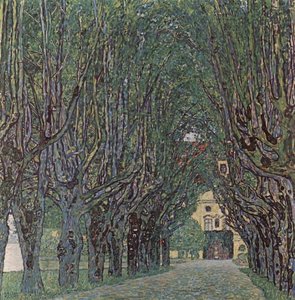
Gustav Klimt's *Schloss Kammer on Lake Attersee III*, painted in 1909, transcends mere landscape depiction; it embodies a profound distillation of atmosphere and emotion. This captivating oil painting transports viewers to the serene shores of Austria’s Attersee lake, showcasing Klimt’s mastery of color, composition, and symbolic resonance during a formative period in his artistic trajectory. The scene portrays Schloss Kammer – a stately building rendered with meticulous precision – mirrored flawlessly in the tranquil waters, while a solitary figure stands poised on the left, seemingly lost in contemplation. This artwork isn't simply observed; it’s felt—a testament to Klimt’s ability to capture the essence of human experience within the beauty of nature.
Artistic Style & Technique: A Synthesis of Symbolism and Impressionism
Klimt’s artistic vision is instantly recognizable – a singular fusion of Art Nouveau decorative sensibilities with the burgeoning currents of Symbolism. *Schloss Kammer on Lake Attersee III* exemplifies this harmonious blend. While rooted in representational imagery, Klimt eschews photographic realism. Instead, he employs a distinctive broken brushstroke technique—a hallmark of his style—creating a shimmering, mosaic-like surface that exquisitely captures the interplay of light on water and foliage. Impressionistic principles infuse the painting’s handling of light and atmosphere, mirroring the techniques pioneered by artists like Van Gogh. However, beneath this visual surface lies considerable Symbolist depth; Klimt utilizes subtle narrative suggestions and evocative mood to convey themes of introspection and contemplation. The medium of oil paint allows for remarkable layering and textural richness, amplifying the immersive quality of the scene.
Historical Context: Klimt & The Austrian Landscape
Painted during a pivotal moment when Klimt increasingly embraced landscapes – particularly those surrounding Attersee – this work represents a significant departure from his earlier oeuvre characterized by opulent figurative compositions like *The Kiss*. Yet, the decorative impulse remains steadfast. This stylistic shift reflects Klimt’s desire to explore new artistic horizons while upholding his core aesthetic principles. The early 20th century in Austria was marked by considerable dynamism—a period of intellectual ferment and societal transformation—influencing artists such as Klimt. His decision to relocate to Attersee coincided with a broader movement toward embracing the natural world as inspiration, mirroring trends prevalent across Europe at the time.
Symbolism & Emotional Impact: Reflections on Solitude
The painting’s central motif – Schloss Kammer itself – serves as more than just architectural representation; it embodies ideas of grandeur and permanence juxtaposed against the fleeting beauty of the lake's surface. The solitary figure, positioned prominently on the left, symbolizes introspection and contemplation—a preoccupation characteristic of Klimt’s artistic explorations during this period. The shimmering gold leaf subtly incorporated into the painting’s texture reinforces Klimt’s signature stylistic element – a deliberate allusion to Byzantine iconography and an embrace of opulent ornamentation. Ultimately, *Schloss Kammer on Lake Attersee III* invites viewers to contemplate themes of solitude, beauty, and the enduring power of artistic vision—a timeless masterpiece that continues to resonate with audiences today.
- Artist: Gustav Klimt
- Year Painted: 1909
- Medium: Oil on Canvas
- Dimensions: Unknown



 Acquista stampa
 Invia
Invia Condividi
 Dettagli opera

 Scarica
 Simili
 Radiografia
 Slideshow

 Scopri di più






































 L'opzione vetro è disponibile solo per dimensioni inferiori a 110 cm