


 Anteprima in scala reale
 Condividi
 Condividi
 Dettagli
 Guida stampabile

 Scarica
 Articoli simili
 Radiografia
 Slideshow
 Statistiche
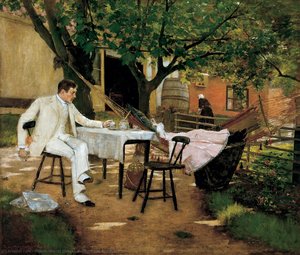
The Orange Trees


Delve into 10 iconic paintings dominated by 'anthracite' tones – from Rembrandt & Caravaggio to Goya. Explore the stories, techniques & dramatic beauty of these masterpieces. Find museum-quality reproductions for your home at !
 Leggi tutto
Gustave Caillebotte (1848-1894): Esplora i dipinti realista e impressionista di questo artista francese, noto per le scene di vita parigina moderna e prospettive uniche. Ammira capolavori come 'Les Raboteurs de Parquet' e scopri la sua influenza.
Riproduzione a olio fatta a mano
Olio su tela dipinto a mano nelle tue dimensioni e con la tua cornice, realizzato su ordinazione dai nostri artisti. ( Passa alle stampe Passa all'immagine digitale)




P118B €10

P118H €10

P118W €10

P438Z €10

P508JH €12

P508YH €12

P805H €10

P805Z €10

P919BZ €10

P919G €10

P919XJ €10

P959ZH €10

P968JZ €12

W106C €8

W218G €10

W218JH €8

W218Y €10

W307PJ €10

W316G €10

W316PJ €8

W316Y €10

W398PJ €8

W4111J €10

W500HY €15

W500JH €15

W692G €12

W849H €8

W940BG €15

W953PJ €8




Standard
personalizzato
CM
INCH
Scegli tra le nostre dimensioni predefinite, che rispettano le proporzioni originali dell'opera d'arte.
Loading sizes...

larghezza
altezza
Inserisci la larghezza e l'altezza di cui hai bisogno, per adattarle alla tua cornice o alla tua parete. Trattandosi di un'opera dipinta a mano, in caso di dimensioni con una forma differente, l'artista può dipingere un po' più oltre i bordi dell'immagine o ritagliare leggermente — la scelta spetta a te. Ti invieremo un mockup digitale da approvare prima che la pittura abbia inizio. L'immagine mostrata in questa pagina non rappresenta il risultato reale — solo il mockup lo fa.
Esempi di personalizzazione: sostituire il volto con una foto del cliente; aggiungere un animale domestico (ad esempio, sostituire un gatto con un cane); inserire un messaggio nascosto nello sfondo; cambiare il paesaggio o gli elementi dello sfondo.
Dopo l'ordine, il team di TopImpressionists.com contatterà il cliente via e-mail per ricevere le istruzioni e fornirà un'anteprima del mockup
Dopo l'ordine, il team di TopImpressionists.com contatterà il cliente via e-mail per ricevere le istruzioni e fornirà un'anteprima del mockup
Consegna in tutto il mondo () in 3/4 settimane anziché nelle normali 5 settimane. (24 Ottobre). Nessun compromesso sulla qualità.

Spedizione espressa gratuita in tutto il mondo

Tela in lino di alta qualità

Assicurazione completa sulla spedizione

Garanzia di rimborso dei dazi doganali

Garanzia di perfetta fedeltà cromatica

Politica di reso entro 100 giorni (solo per difetti di fabbricazione)

Garanzia di rimborso al 100%

Sconto per acquisti multipli
 L'opzione vetro è disponibile solo per dimensioni inferiori a 110 cm

The Orange Trees
Tecnica di riproduzione
Dimensioni della riproduzione
-


Prezzo totale
€ 236
A Moment Frozen in Time: The Serenity of Caillebotte’s Garden
In the quietude of a Parisian afternoon, Gustave Caillebotte’s “The Orange Trees” (1878) invites the viewer into a sanctuary of light and leisure. This exquisite canvas is far more than a mere botanical study; it is an intimate window into the soul of the French bourgeoisie at the dawn of modernity. Painted en plein air at his family’s estate in Yerres, the work captures a fleeting instance of tranquility where time seems to suspend its forward march. Within the frame, we encounter the artist's brother, Martial, and their cousin, Zoé, nestled beneath the dappled shade of citrus trees. Their relaxed postures and contemplative gazes evoke a sense of intellectual repose, reflecting a period when the garden served as a vital stage for social connection and quiet reflection away from the burgeoning industrial bustle of Paris.
The technical mastery of Caillebotte lies in his ability to marry the precision of realism with the atmospheric soul of Impressionism. While he possessed a keen eye for detail—likely sharpened by his profound interest in the emerging medium of photography—he did not seek to replicate reality with clinical coldness. Instead, he employed loose, rhythmic brushstrokes to breathe life into the textures of the gravel path and the lush foliage. His palette is a masterclass in subtlety, dominated by soft lavenders, muted greys, and warm ochres that harmonize to create a serene, almost ethereal atmosphere. For the discerning collector or interior designer, this delicate balance of color and light offers a sophisticated aesthetic that brings a sense of calm and organic elegance to any curated space.
Symbolism and the Spirit of an Era
Beyond its surface beauty, “The Orange Trees” is rich with the symbolic language of the late 19th century. The orange trees themselves serve as potent emblems of resilience, fertility, and a deep-seated connection to the natural world—themes that resonated powerfully within the Impressionist movement. Even the inclusion of a fashionable garden tub acts as a subtle nod to the horticultural passions of the era, underscoring how even the most casual leisure activities were imbued with artistic expression. Caillebotte captures the tension of his time: the transition from the rigid academic traditions of the past toward a new, honest observation of everyday life.
To possess a reproduction of this masterpiece is to invite a piece of history into one's home. The emotional impact of the painting is profound; it evokes a nostalgic longing for a slower pace of life, making it an ideal centerpiece for those seeking to infuse their interiors with warmth, sophistication, and a touch of Parisian grace. Whether viewed as a study in light or a narrative of familial peace, Caillebotte’s work remains a timeless testament to the beauty found in life's most quiet, unscripted moments.
Domande e risposte
In quale periodo è stata realizzata "The Orange Trees" di Gustave Caillebotte?
"The Orange Trees" appartiene all'epoca 19th Century.
Quale emozione trasmette l'opera del Impressionist Realism "The Orange Trees"?
"The Orange Trees" trasmette un tono emotivo Calm all'interno del movimento Impressionist Realism.
A quale fase dello sviluppo di Gustave Caillebotte appartiene "The Orange Trees"?
"The Orange Trees" appartiene al Mature Period della carriera di Gustave Caillebotte. Questa classificazione riconduce l'opera all'evoluzione dell'artista.
Opere correlate




Biografia dell'artista
La Vita e l'Opera di Gustave Caillebotte
Gustave Caillebotte, nato a Parigi il 19 agosto 1848 e morto a Gennevilliers il 21 febbraio 1894, fu un pittore, disegnatore e mecenate francese. Membro del movimento impressionista, sebbene spesso considerato un artista a sé stante, Caillebotte si distinse per la sua visione moderna della Parigi urbana e per l'uso innovativo della prospettiva.
Primi Anni e Formazione
Proveniente da una famiglia benestante – suo padre, Martial Caillebotte, era un giudice al Tribunale di Commercio della Seine – Gustave ricevette un’educazione solida. Studiò legge all'Università di Parigi, conseguendo una laurea in giurisprudenza nel 1868 e la licenza per esercitare la professione legale nel 1870. Tuttavia, la sua vera passione era l'arte. Iniziò a frequentare lo studio del pittore Léon Bonnat, dove studiò pittura con serietà. Il suo interesse precoce per la fotografia influenzò profondamente il suo stile pittorico, portandolo ad esplorare nuove tecniche di composizione e prospettiva.
Carriera Artistica e Stile
Caillebotte si avvicinò al movimento impressionista nel 1874, quando le sue opere furono rifiutate dal Salon ufficiale. Si unì quindi al gruppo degli Impressionisti, partecipando alle loro mostre a partire dalla seconda mostra del 1876. Il suo stile, pur radicato nel realismo, fu fortemente influenzato dai suoi colleghi impressionisti come Edgar Degas e Giuseppe de Nittis. Caillebotte si distinse per la sua capacità di rappresentare la vita moderna parigina con un occhio attento ai dettagli e una prospettiva innovativa.
- Realismo Moderno: Le opere di Caillebotte spesso raffigurano scene di vita quotidiana, come lavoratori al lavoro (Les Raboteurs de Parquet) o persone che si godono la vita urbana.
- Prospettive Inusuali: Caillebotte sperimentò con punti di vista elevati e angolazioni insolite, come dimostra Vue de toits (effet de neige), che riflette l'influenza delle stampe giapponesi e della fotografia.
- Luce e Ombra: Come gli impressionisti, Caillebotte era interessato a catturare gli effetti della luce naturale e le variazioni di ombra nelle sue opere.
Opere Principali e Riconoscimenti
Tra le opere più significative di Gustave Caillebotte si annoverano:
- Les Raboteurs de Parquet (1875): Considerata il suo capolavoro, quest'opera rappresenta due operai che levigano un pavimento e dimostra la sua abilità nel catturare la realtà con precisione e sensibilità.
- Vue de toits (effet de neige) (1878): Un esempio notevole del suo uso innovativo della prospettiva, raffigurante i tetti innevati di Parigi da un punto di vista elevato.
- Boulevard vu d'en haut (1880): Un’altra opera che esplora la vita urbana parigina con una prospettiva unica e dinamica.
- Un Balcon à Paris (1880): Una scena di vita quotidiana che cattura l'atmosfera della Parigi dell'epoca.
Eredità e Influenza
Nonostante la sua morte prematura all’età di 45 anni, Gustave Caillebotte lasciò un segno significativo nella storia dell'arte francese. La sua capacità di combinare il realismo con elementi impressionisti lo rese un artista unico nel suo genere. La sua collezione d'arte, donata allo Stato francese, arricchì notevolmente il Musée d’Orsay, contribuendo a preservare e promuovere l'eredità del movimento impressionista. Caillebotte è oggi riconosciuto come uno dei più importanti pittori francesi del XIX secolo, un artista che ha saputo cogliere lo spirito della modernità con sensibilità e innovazione.

Gustave Caillebotte
1848 - 1894 , Francia
Informazioni rapide
- Artisti Influenti:
- Léon Bonnat
- Edgar Degas
- Giuseppe de Nittis
- Data Di Nascita: 19 agosto 1848
- Luogo Di Nascita: Parigi, Francia
- Movimento Artistico: Realismo/Impressionismo
- Nazionalità: Francese
- Nome Completo: Gustave Caillebotte
- Opere Notevoli:
- Les Raboteurs de parquet
- View of rooftops (snow)
- Boulevard seen from above
- Un Balcone a Parigi
- Parigi in strada, Giorno Piovoso
Articoli correlati

Capturing the Mist: The Timeless Beauty of British Landscape Impressionism
Explore the ethereal beauty of British Landscape Impressionism. Discover how masters captured light and mist through plein air techniques, offering a profound connection to the English countryside's timeless, atmospheric soul.

The Soul of Impressionism: Why Oil on Canvas Captures Eternal Light and Timeless Emotion
Discover the enchanting alchemy of Impressionism. Explore how the mastery of oil on canvas, through glazing and impasto, captures eternal light and emotion. Perfect for lovers of Monet and Van Gogh seeking the profound depth of hand-painted fine art.

Beyond the Light: Capturing Raw Emotion and Subjective Vision in Post-Impressionist Landscapes
Explore the profound emotional depth of Post-Impressionist landscapes. Discover how masters like Van Gogh moved beyond light to capture raw human feeling through vibrant color and expressive texture in this expert art history retrospective.
Esplora le opere d'arte organizzate per temi, stili e caratteristiche.


