

 Anteprima in scala reale
 Condividi
 Condividi
 Dettagli
 Guida
Guida

 Scarica
 Articoli simili
 Radiografia
 Slideshow
 Statistiche
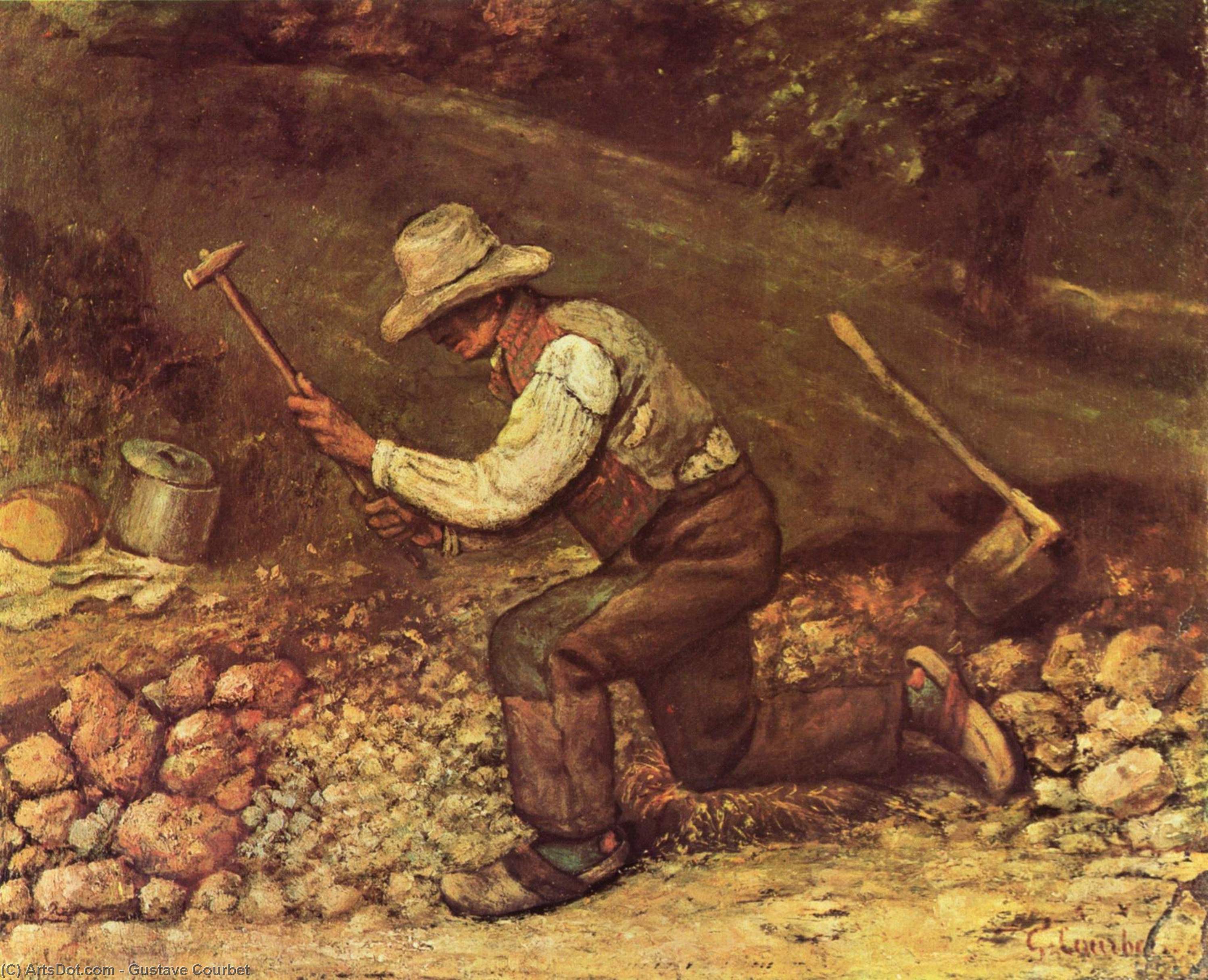
Les Casseurs de pierres
 Acrilico su tela
- Arte da parete
- Realism
 1849
1849 45.0 x 54.0 cm
"Les Casseurs de pierres": Un capolavoro realista di Gustave Courbet che cattura la forza del lavoro quotidiano e l'importanza della semplicità nella pittura francese del XIX secolo."
 Leggi tutto
Gustave Courbet (1819-1877): Pioniere del Realismo! Scopri i suoi dipinti che ritraggono la vita quotidiana e il mondo operaio, come 'Una sepoltura a Ornans'. Rivoluzionario artista del XIX secolo.
Riproduzione a olio fatta a mano
Olio su tela dipinto a mano nelle tue dimensioni e con la tua cornice, realizzato su ordinazione dai nostri artisti. ( Passa alle stampe Passa all'immagine digitale)




P118B $10

P118H $10

P118W $10

P438Z $10

P508JH $12

P508YH $12

P805H $10

P805Z $10

P919BZ $10

P919G $10

P919XJ $10

P959ZH $10

P968JZ $12

W106C $8

W218G $10

W218JH $8

W218Y $10

W307PJ $10

W316G $10

W316PJ $8

W316Y $10

W398PJ $8

W4111J $10

W500HY $15

W500JH $15

W692G $12

W849H $8

W940BG $15

W953PJ $8




Standard
personalizzato
CM
INCH
Scegli tra le nostre dimensioni predefinite, che rispettano le proporzioni originali dell'opera d'arte.
Loading sizes...

larghezza
altezza
È possibile inserire dimensioni personalizzate per adattare l'opera a una cornice o a uno spazio specifico. Se la dimensione selezionata non corrisponde alle proporzioni dell'immagine originale, provvederemo a ritagliare l'opera o a estendere il dipinto con elementi aggiuntivi dipinti a mano. Un mockup digitale ti sarà inviato per approvazione prima dell'inizio della produzione.
Si prega di notare che l'anteprima a schermo non riflette il ritaglio o l'estensione effettivi. Solo il mockup mostrerà accuratamente la composizione finale.
Sebbene siano disponibili dimensioni personalizzate, consigliamo di selezionare una dimensione dall'elenco predefinito per preservare le proporzioni originali.
Esempi di personalizzazione: sostituire il volto con una foto del cliente; aggiungere un animale domestico (ad esempio, sostituire un gatto con un cane); inserire un messaggio nascosto nello sfondo; cambiare il paesaggio o gli elementi dello sfondo.
Dopo l'ordine, il team di TopImpressionists.com contatterà il cliente via e-mail per ricevere le istruzioni e fornirà un'anteprima del mockup
Dopo l'ordine, il team di TopImpressionists.com contatterà il cliente via e-mail per ricevere le istruzioni e fornirà un'anteprima del mockup
Consegna in tutto il mondo () in 3/4 settimane anziché nelle normali 5 settimane. (23 Settembre). Nessun compromesso sulla qualità.

Spedizione espressa gratuita in tutto il mondo

Tela in lino di alta qualità

Assicurazione completa sulla spedizione

Garanzia di rimborso dei dazi doganali

Garanzia di perfetta fedeltà cromatica

Politica di reso entro 100 giorni (solo per difetti di fabbricazione)

Garanzia di rimborso al 100%

Sconto per acquisti multipli
 L'opzione vetro è disponibile solo per dimensioni inferiori a 110 cm

Les Casseurs de pierres
Tecnica di riproduzione
Dimensioni della riproduzione
-


Prezzo totale
$ 269
The Stone Breaker
Gustave Courbet's The Stone Breaker is a seminal work of the Realism movement, capturing the essence of labor and determination in 19th-century France. Painted in 1849, this oil on canvas masterpiece measures 45 x 54 cm and is characterized by its realistic depiction of a man breaking rocks in a field. It stands as a testament to Courbet’s unwavering commitment to portraying the world without embellishment or romantic idealism—a radical departure from the artistic conventions of his time.The Painting's Composition
The central figure of the painting is a man wearing a hat, diligently using a pickaxe to break up rocks. The scene is set against a backdrop of rolling hills and distant trees, emphasizing the isolation and hard work of the laborer. Other tools are visible in the scene, including a shovel on the right side and another further back. Two additional figures can be seen in the distance, one near the top left corner and the other at the bottom right. These figures contribute to the overall sense of unease and melancholy—a deliberate choice by Courbet to convey not just what he saw but also how he felt about it. The artist’s masterful use of perspective draws the viewer's eye into the scene, creating a palpable atmosphere of toil and hardship.Artistic Significance
The Stone Breaker was exhibited at the 1850 Paris Salon, where it received mixed reviews. Some critics praised its realistic portrayal of everyday life, highlighting Courbet’s groundbreaking technique—thick impasto brushstrokes that convey texture and physicality—while others criticized its poor lighting and perceived lack of aesthetic refinement. Social theorist Pierre-Joseph Proudhon lauded the work as a successful socialist painting, calling it "a masterpiece in its genre." He recognized Courbet's courage in confronting uncomfortable truths about social inequality and poverty.Historical Context
Courbet produced two versions of The Stone Breaker. The first version was displayed at the 1850 Paris Salon and later acquired by the Gemäldegalerie Alte Meister in Dresden. Unfortunately, this version was destroyed during World War II while being relocated to a safe storage facility. The second version, a reversed image, survived the war and is now part of the Oskar Reinhart Collection in Winterthur. Its preservation underscores the importance of safeguarding artistic heritage amidst turbulent historical periods.Comparison with Other Works
The Stone Breaker has been compared to Passing Mother's Grave, an 1856 painting by Jozef Israëls. Both works depict the struggles of everyday life, but while Passing Mother's Grave focuses on a widowed fisherman and his children, The Stone Breaker highlights the solitary labor of a stone breaker—a stark contrast that emphasizes Courbet’s deliberate rejection of idealized representations. Gustave Courbet: The Stone Breaker at TopImpressionists. To explore other Realist paintings, see Gustave Courbet: Burial at Ornans and Gustave Courbet: A Burial at Ornans.


Biografia dell'artista
Gustave Courbet: Un Pioniere del Realismo
Primi Anni di Vita e Formazione
- Nato il 31 luglio 1819 a Ornans, in Francia, Gustave Courbet proveniva da una famiglia borghese relativamente prospera.
- Le sue prime inclinazioni artistiche furono coltivate dalla sua madre, che incoraggiò le sue abilità nel disegno.
- Ricevette una formazione formale all'École des Beaux-Arts di Parigi, a partire dal 1839, sebbene spesso entrasse in conflitto con le convenzioni accademiche.
- Influenze di questo periodo includevano Eugène Delacroix e Théodore Géricault, ma Courbet alla fine rifiutò il loro idealismo romantico.
Sviluppo Artistico e Temi Chiave
- Lo sviluppo artistico di Courbet fu segnato da un rifiuto deliberato degli stili pittorici accademici. Cercava di rappresentare il mondo come lo vedeva, senza idealizzazione o abbellimento.
- Le sue opere iniziali esplorarono paesaggi e ritratti, spostandosi gradualmente verso scene della vita quotidiana e soggetti della classe operaia.
- Temi chiave del suo lavoro includono il realismo sociale, la vita rurale e la dignità del lavoro.
- Spesso sceglieva formati su larga scala tradizionalmente riservati a dipinti storici o religiosi per rappresentare persone comuni ed eventi.
Opere Principali e Risultati
- “I braccianti di pietra” (1849): Questa precoce opera maestra, purtroppo distrutta durante la Seconda Guerra Mondiale, esemplificava l'impegno di Courbet a rappresentare le dure realtà della vita della classe operaia.
- “Un funerale ad Ornans” (1850): Un imponente dipinto che sfidò le concezioni convenzionali della pittura storica raffigurando una funzione provinciale con un realismo senza compromessi.
- “Lo studio del pittore” (1855): Un'opera allegorica che rifletteva la filosofia artistica di Courbet e il suo coinvolgimento nei problemi sociali contemporanei.
- “Veduta nella foresta di Fontainebleau” (1855): Dimostrava la sua abilità nella pittura paesaggistica, catturando la bellezza naturale della foresta mantenendo un approccio realistico.
- La sua partecipazione al Salon des Refusés nel 1863, esponendo opere rifiutate dal Salone ufficiale, ha ulteriormente consolidato la sua reputazione di artista ribelle.
Influenze ed Eredità
- Pur rifiutando le tradizioni accademiche, Courbet fu influenzato da maestri precedenti come Caravaggio per il loro realismo drammatico e l'uso della luce e dell'ombra.
- Ha profondamente influenzato i movimenti artistici successivi, in particolare l'Impressionismo e il Post-Impressionismo, liberando gli artisti dai vincoli della rappresentazione tradizionale.
- La sua enfasi sul commento sociale ha aperto la strada a artisti successivamente impegnati socialmente.
- L'eredità di Courbet si estende oltre i suoi dipinti; è stato un fervente sostenitore della libertà artistica e del cambiamento politico.
Significato Storico
- Gustave Courbet ha svolto un ruolo fondamentale nello sviluppo del Realismo come forza dominante nell'arte del XIX secolo.
- Il suo lavoro ha sfidato le norme consolidate e ha scatenato un dibattito sul fine e la funzione dell'arte nella società.
- Ha partecipato attivamente alle rivoluzioni politiche del suo tempo, inclusa la Comune di Parigi del 1871, che ha portato a un periodo di esilio in Svizzera.
- Courbet morì il 29 aprile 1877, lasciando dietro di sé un corpo di opere che continua a ispirare e a provocare il pubblico oggi.

Gustave Courbet
1819 - 1877 , Francia
Informazioni rapide
- Artistic Movement Or Style: Realismo
- Artists Or Movements Influenced By This Artist:
- Impressionismo
- Post-Impressionismo
- Artists Who Influenced This Artist:
- Eugène Delacroix
- Théodore Géricault
- Caravaggio
- Date Of Birth: 31 luglio 1819
- Date Of Death: 29 aprile 1877
- Full Name: Gustave Courbet
- Nationality: Francese
- Notable Artworks:
- I braccianti di pietra
- Una sepoltura ad Ornans
- Lo studio del pittore
- Veduta nella foresta...
- L'origine del mondo
- Place Of Birth (City And Country): Orléans, Francia
Articoli correlati

Gustav Klimt: I 25 Capolavori Immortali dell'Arte e Decorazioni di Lusso
Esplora i 25 capolavori di Gustav Klimt, pittore simbolo dell'Art Nouveau. Scopri la storia, le tecniche e l'oro iconico delle sue opere più famose come 'Il Bacio'. Trova riproduzioni d'arte di alta qualità per decorare casa con stile su TopImpressionists.com

I 10 Capolavori del Realismo che Hanno Cambiato la Storia dell'Arte |
Esplora i 10 capolavori del Realismo che hanno rivoluzionato l'arte! Scopri Courbet, Manet e Millet. Storie, tecniche e colori di opere iconiche. Trova riproduzioni d'arte di alta qualità per la tua casa su .

I 10 Capolavori del Realismo Romantico che hanno Incantato la Storia dell'Arte
Esplora l'emozione del Realismo Romantico attraverso 10 capolavori senza tempo. Scopri la storia di maestri come Constable e Friedrich e lasciati ispirare da opere iconiche per il tuo arredamento. Trova riproduzioni d'arte di qualità museale su TopImpressionists.com.

Gustave Courbet e la Rivoluzione del Realismo: Uno Sguardo Audace sulla Società Francese dell'Ottocento
Esplora la rivoluzionaria arte di Gustave Courbet e il movimento realista che sconvolse l'Ottocento. Analisi approfondite, opere chiave e l'eredità duratura del maestro francese.

The Enduring Appeal of Realism: Technique, History & Emotional Impact
Explore the captivating world of 19th-century Realism! Discover key artists like Courbet & Millet, masterpieces, and its lasting impact on art history. Expert insights at TopImpressionists.
Esplora le opere d'arte organizzate per temi, stili e caratteristiche.


