


 Anteprima in scala reale
 Invia
Invia Condividi
 Dettagli opera
 Guida
Guida

 Scarica
 Simili
 Radiografia
 Slideshow
 Statistiche
Mrs Mounter
 Oil On Canvas
- WallArt
- Impressionist Realism
 1916
1916- Modern
 117.0 x 87.0 cm
 Musei Nazionali di Liverpool
Harold John Wilde Gilman's 'Mrs Mounter at the Breakfast Table', painted in 1916-17, captures intimate domestic life with striking color palettes and expressive brushwork—a cornerstone of Camden Town Group realism.
 Espandi i dettagli
Scopri Harold John Wilde Gilman (1876-1919), un pittore britannico e fondatore del Camden Town Group. Esplora interni intimi, ritratti, paesaggi e la sua influenza sull'arte del primo XX secolo.
Giclée / Stampe d'arte
Stampa giclée o su tela di qualità museale, con produzione rapida e diverse opzioni di finitura. ( Acquista il dipinto realizzato a mano Passa all'immagine digitale)




P118B €10

P118H €10

P118W €10

P438Z €10

P508JH €12

P508YH €12

P805H €10

P805Z €10

P919BZ €10

P919G €10

P919XJ €10

P959ZH €10

P968JZ €12

W106C €8

W218G €10

W218JH €8

W218Y €10

W307PJ €10

W316G €10

W316PJ €8

W316Y €10

W398PJ €8

W4111J €10

W500HY €15

W500JH €15

W692G €12

W849H €8

W940BG €15

W953PJ €8




Formato standard
su misura
CM
INCH
Scegli tra le nostre dimensioni predefinite, che rispettano le proporzioni originali dell'opera d'arte.
Loading sizes...

larghezza
altezza
Inserisci la larghezza e l'altezza desiderate, per adattarle alla tua cornice o alla tua parete. Una stampa può essere solo ritagliata, mai resa più grande dell'immagine originale; pertanto, un formato con una forma differente comporterà la perdita di una parte dell'opera. Ti invieremo un mockup digitale da approvare prima di procedere con la stampa. L'immagine mostrata in questa pagina non rappresenta il ritaglio reale — solo il mockup lo mostra.
Consegna in tutto il mondo () in 2 settimane invece delle normali 4/5 settimane. (26 Ottobre)

Spedizione espressa gratuita in tutto il mondo

Tela in lino di alta qualità

Assicurazione completa sulla spedizione

Garanzia di rimborso dei dazi doganali

Garanzia di fedeltà cromatica assoluta

Politica di reso entro 100 giorni (solo per difetti di fabbricazione)

Garanzia di rimborso al 100%

Offerta per acquisti multipli
 L'opzione vetro è disponibile solo per dimensioni inferiori a 110 cm

Mrs Mounter
Giclée / Stampe d'arte
Dimensioni riproduzione
-


Prezzo finale calcolato
€ 61
A Moment of Quietude: The Intimate World of Harold Gilman
In the bustling, transformative landscape of early twentieth-century London, few artists captured the profound beauty of the mundane as poignantly as Harold John Wilde Gilman. His masterpiece, Mrs Mounter, serves as a breathtaking window into a private moment, inviting the viewer to step away from the chaos of modernity and into a space of serene domesticity. Painted between 1916 and 1917, this work is far more than a mere portrait; it is an evocative study of light, warmth, and the quiet dignity found within the everyday. As a pivotal figure of the Camden Town Group, Gilman moved away from the fleeting impressions of his predecessors to embrace a style that felt deeply rooted in the tangible, emotional reality of British life.
The composition centers on a woman seated at a dining table, her presence commanding yet gentle. Clad with a striking red scarf that draws the eye immediately, she sits amidst a domestic tableau featuring two cups and a vibrant vase. The artist’s mastery is most evident in his use of color; he employs a bold, warm palette dominated by rich oranges and deep reds that bathe the scene in an amber glow. This deliberate use of hue does not merely decorate the canvas but creates a palpable atmosphere of contemplation and understated elegance. Through his expressive brushwork, Gilman imbues the inanimate objects—the porcelain, the cloth, the ceramic vase—with a sense of life and weight, reminiscent of the structural integrity found in the works of Cézanne.
Symbolism and the Soul of the Edwardian Era
Beyond its technical brilliance, Mrs Mounter resonates with a deep symbolic significance that speaks to the social values of its time. The subject’s gaze is particularly arresting; she looks directly toward the viewer, establishing an intimate, almost confrontative connection that transcends the boundaries of the frame. This directness suggests a level of self-assurance and composure reflective of the Edwardian spirit—a period characterized by a certain steadfastness even as the world stood on the precipice of monumental change. The domestic setting, while seemingly simple, acts as a sanctuary of stability.
The interplay of light and shadow within the room further enhances the painting's emotional depth. Gilman utilizes light not just to define form, but to evoke mood. The way the light catches the edge of the table and illuminates the subject’s face creates a sense of "luminous legacy," turning a routine afternoon tea into a sacred ritual of stillness. For the collector or the interior designer, this piece offers a unique psychological dimension; it provides a focal point that is both intellectually stimulating and emotionally grounding, making it an ideal centerpiece for spaces designed for reflection and comfort.
A Timeless Addition to the Modern Interior
For those seeking to curate a collection of high-quality reproductions, Mrs Mounter represents an exquisite marriage of historical importance and aesthetic versatility. The painting’s ability to harmonize bold, Post-Impressionistic colors with a soft, intimate subject matter allows it to integrate seamlessly into a variety of sophisticated decor styles—from the classic elegance of a traditional study to the curated minimalism of a contemporary loft. It is a work that does not merely hang on a wall; it breathes life into a room.
Owning a reproduction of this caliber means preserving a fragment of British Modernism. Gilman’s ability to find the extraordinary within the ordinary continues to inspire, offering a sense of warmth and connection that remains as relevant today as it was in 1916. Whether viewed as an exploration of color theory or a tribute to the quiet strength of the human spirit, this painting remains a profound testament to the enduring power of intimate portraiture.
Domande e risposte
Che atmosfera saprebbe donare Mrs Mounter a un ambiente?
Con la sua atmosfera Serene, "Mrs Mounter" è ideale per Living Room.
Qual è la luminosità complessiva di "Mrs Mounter"?
La luminosità percepita di "Mrs Mounter" di Harold John Wilde Gilman è balanced. Può essere armonizzata con la luce dello spazio destinato all'opera.
Qual è la collocazione storica di "Mrs Mounter"?
"Mrs Mounter" di Harold John Wilde Gilman appartiene al movimento Impressionist Realism, all'interno del periodo Modern. Insieme, conferiscono all'opera il suo posto nella storia dell'arte.
Opere simili


Biografia dell'artista
Harold John Wilde Gilman: Una Vita Dipinta
Harold John Wilde Gilman (1876-1919) è stato un pittore britannico celebrato per i suoi evocativi interni, ritratti delicati e paesaggi atmosferici. Come figura chiave all'interno del Camden Town Group, ha svolto un ruolo fondamentale nel plasmare l'arte britannica del primo XX secolo.
Primi Anni di Vita ed Educazione
Nato a Cheltenham, Regno Unito, nel 1876, Gilman ricevette la sua formazione artistica iniziale alla Tonbridge School. Questo periodo ha nutrito il suo interesse iniziale per la pittura e ha gettato le basi per la sua futura carriera. Sebbene i dettagli della sua prima istruzione formale siano limitati, è chiaro che la Tonbridge ha fornito un punto di partenza cruciale per il suo sviluppo artistico.
Sviluppo Artistico e Influenze
Lo stile di Gilman si è evoluto attraverso l'esposizione a varie influenze. Inizialmente attratto dall'Impressionismo e dal Post-Impressionismo, ha gradualmente sviluppato un approccio distintivo caratterizzato da audaci palette cromatiche, pennellate espressive e una focalizzazione sulla cattura della risonanza emotiva di scene quotidiane. È stato particolarmente influenzato da artisti come Walter Sickert e Vincent van Gogh.
Opere Chiave e Stile Artistico
L'opera di Gilman comprende una vasta gamma di soggetti, ma è forse più noto per le sue intime rappresentazioni della vita domestica. Alcune delle sue opere più celebrate includono:
- Mrs. Mounter: Un ritratto toccante di una donna nel suo ambiente domestico, che mostra la maestria di Gilman nella luce e nell'atmosfera.
- Willows by a River: Dimostra la sua capacità di catturare la bellezza e la tranquillità del mondo naturale con sottili sfumature.
- The Model (anche conosciuta come Reclining Nude): Un'esplorazione sensibile della forma umana, che rivela l'abilità di Gilman nel rendere le tonalità della pelle e catturare la profondità psicologica.
Il suo stile artistico è caratterizzato da un mix di realismo ed espressione emotiva. Spesso ha impiegato una palette di colori leggermente tenui per creare un senso di intimità e introspezione.
Il Camden Town Group e Significato Storico
Gilman era un membro fondatore del Camden Town Group, un'associazione di artisti che cercava di allontanarsi dalle convenzioni artistiche tradizionali e abbracciare soggetti moderni. Il gruppo, in seguito noto come il London Group, ha svolto un ruolo cruciale nell'introduzione delle idee Post-Impressioniste in Gran Bretagna.
Il contributo di Gilman risiede nella sua capacità di catturare lo spirito del suo tempo – un periodo di rapidi cambiamenti sociali e culturali. I suoi dipinti offrono uno sguardo sulla vita delle persone comuni e riflettono le ansie e le aspirazioni della società dell'inizio del XX secolo.
Vita Successiva e Eredità
Sfortunatamente, la vita di Gilman è stata interrotta dalla malattia nel 1919. Nonostante la sua relativamente breve carriera, ha lasciato un significativo corpo di lavoro che continua a ispirare artisti ed appassionati d'arte oggi. I suoi dipinti sono conservati in numerose collezioni pubbliche e private, assicurando la sua eredità come figura importante del modernismo britannico.
Realizzazioni Principali
- Membro fondatore del Camden Town Group
- Sviluppo di uno stile artistico distintivo che fonde realismo ed espressione emotiva
- Creazione di immagini iconiche che rappresentano la vita domestica e i paesaggi
- Contributo all'introduzione delle idee Post-Impressioniste in Gran Bretagna

Harold John Wilde Gilman
1876 - 1919 , Regno Unito
Dettagli rapidi
- Artistic Movement Or Style: Camden Town Group
- Artists Or Movements Influenced By This Artist: ['Impressionismo']
- Artists Who Influenced This Artist:
- Walter Sickert
- Vincent van Gogh
- Date Of Birth: 1876
- Date Of Death: 1919
- Full Name: Harold John Wilde Gilman
- Nationality: Britannico
- Notable Artworks:
- Mrs. Mounter
- Willows by a River
- The Model
- Place Of Birth: Cheltenham, Regno Unito
Articoli correlati

I 25 Capolavori del British Museum: Arte, Storia e Decorazioni Raffinate
Esplora i 25 capolavori del British Museum, da Rosetta Stone ai Moai! Scopri la storia, gli artisti e le emozioni dietro ogni opera. Trova riproduzioni d'arte di alta qualità per decorare casa con TopImpressionists.com.
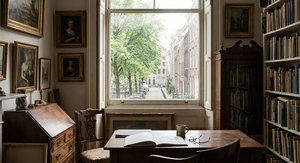
The Interior Gaze: Exploring Representations of Domestic Space in Art History
Explore the fascinating history of domestic interiors in art! From Dutch Masters to Impressionism, discover how artists captured home life & social meaning. Expert analysis and insights at TopImpressionists.

Walter Sickert: Ombre e Realismo nella Tela Britannica Moderna
Esplora la vita e l'opera di Walter Sickert, figura chiave del Camden Town Group e pioniere del realismo britannico moderno. Analisi approfondite, stile unico e guida al collezionismo.

Robert Bevan: Pioneering British Post-Impressionism & the Camden Town Group's Intimate Vision
Explore the life & work of Robert Bevan, a pioneer of British Post-Impressionism and founding member of the Camden Town Group. Discover his vibrant landscapes and lasting impact on early 20th-century art.

Equilibrio e Audacia: L'Integrazione dell'Arte Contemporanea negli Interni Classici per un'Eleganza Senza Tempo
Scopri come integrare l'arte contemporanea negli interni classici con stile ed eleganza. Consigli esperti, ispirazioni e soluzioni personalizzate per una casa di lusso unica.