

Shown: · With its frame:
 Anteprima in scala reale
 Invia
Invia Condividi
 Dettagli opera
 Guida
Guida

 Scarica
 Simili
 Radiografia
 Slideshow
 Q&A
Q&A Statistiche


€ 239
Riproduzione a olio fatta a mano
Olio su tela dipinto a mano nelle tue dimensioni e con la tua cornice, realizzato su ordinazione dai nostri artisti. ( Passa alle stampe Passa all'immagine digitale)
Size
·Formato standard
su misura
CM
INCH
Scegli tra le nostre dimensioni predefinite, che rispettano le proporzioni originali dell'opera d'arte.
Loading sizes...

larghezza
altezza
Inserisci la larghezza e l'altezza desiderate, per adattarle alla tua cornice o alla tua parete. Trattandosi di un'opera dipinta a mano, in caso di dimensioni con un formato differente, l'artista può estendere leggermente il dipinto oltre i bordi dell'immagine o ritagliare una piccola parte — la scelta spetta a te. Ti invieremo un mockup digitale da approvare prima che la realizzazione abbia inizio. L'immagine mostrata in questa pagina non rappresenta il risultato finale — solo il mockup lo fa.
 Scopri di più
Finish
·
White €1

Blurside €1

Extended €1

P118B €10

P118H €10

P118W €10

P438Z €10

P508JH €12

P508YH €12

P805H €10

P805Z €10

P919BZ €10

P919G €10

P919XJ €10

P959ZH €10

P968JZ €12

W106C €8

W218G €10

W218JH €8

W218Y €10

W307PJ €10

W316G €10

W316PJ €8

W316Y €10

W398PJ €8

W4111J €10

W500HY €15

W500JH €15

W692G €12

W849H €8

W940BG €15

W953PJ €8

H24-GOLD €30

H24-SILVER €30

H36-GOLD €45

H36-SILVER €45
Shipped in a protective tube, ready for your own framer.
Above 105 cm the frame is shipped as a kit for a professional framer — read the details.
Extras
optionalWhat do the extras include?
Examples of what can be changed: Replace face with customer photo; Add pet (e.g., replace cat with dog); Include hidden message in background; Change background landscape or elements.
After order, TopImpressionists.com team will email client for instructions and provide a mockup preview
After order, TopImpressionists.com team will email client for instructions and provide a mockup preview
Consegna in tutto il mondo () in 3/4 settimane anziché nelle normali 5 settimane. (31 Ottobre). Nessun compromesso sulla qualità.
Vernice protettiva
Didascalia
Dettagli della targhetta in bronzo inciso
This elegant plaque features the artist's name and the title of the artwork, finely engraved for a timeless presentation.
It is made from bronze with a refined, elegant finish. The text is precisely laser-engraved for a sharp and permanent result. Measuring 9x2 cm, the plaque is compact yet easy to read. It's built to be durable and scratch-resistant, offering a professional, museum-quality look. Mounting is simple thanks to the included adhesive backing.
Dettagli della targhetta in acrilico trasparente
The plaque includes essential engraved details such as the artist's name, the title of the artwork, the date it was created, the type of media used-like oil on canvas or watercolor-a brief description of the piece, and a QR code that links to the complete artwork information.
It is crafted from clear acrylic, offering a sleek, modern appearance. The text is UV-engraved in black to ensure strong visual contrast. With a size of 10x15 cm, it ensures optimal readability. It comes equipped with two metal hooks for secure wall mounting. The plaque is designed to be weather-resistant, making it suitable for various environments, and it includes interactive features that work seamlessly with smartphone scanning.
Dettagli della targhetta in acrilico nero
This elegant plaque includes engraved information such as the artist's name, the title of the artwork, the date it was created, the type of media used (like oil on canvas or watercolor), a short description of the artwork, and a QR code for quick access to more information.
The plaque itself is made from refined black acrylic with a premium finish. The text is laser-engraved in white for high contrast and readability. Its size is 10x15 cm, designed to be easy to read. It comes with two metal hooks for professional mounting. The design is sleek and fits any interior style. It is also weather-resistant and durable, with built-in digital integration for mobile compatibility.
L'opzione vetro è disponibile solo per dimensioni inferiori a 110 cm
 L'opzione vetro è disponibile solo per dimensioni inferiori a 110 cm
- Spedizione espressa gratuita in tutto il mondo
- Tela in lino di alta qualità
- Assicurazione completa sulla spedizione
- Garanzia di rimborso dei dazi doganali
- Garanzia di fedeltà cromatica assoluta
- Politica di reso entro 100 giorni (solo per difetti di fabbricazione)
- Garanzia di rimborso al 100%
- Offerta per acquisti multipli


Descrizione del reperto
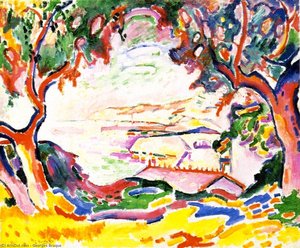
Paesaggio vibrante a Collioure: un capolavoro fauvista di Henri Matisse del 1905 che celebra la bellezza della natura con colori audaci e pennellate energiche. Scopri l'opera!
Biografia dell'artista
Scopri Henri Matisse (1869-1954), un maestro Fauvista! Esplora i suoi colori vibranti, la sua innovativa tecnica di disegno e le sue icone dipinti come 'I Gourdini'. Una figura di spicco dell'arte moderna.
About the painting
Landscape at Collioure: A Fauvist Revelation
Landscape at Collioure is an oil painting by Henri Matisse created in 1905, representing a pivotal moment in the history of modern art and embodying the core principles of Fauvism. This artwork stands as a testament to Matisse’s pioneering vision—a radical departure from traditional artistic conventions that sought to capture not merely what was seen but how it felt. Its current home is the Metropolitan Museum of Art in New York City, where it continues to inspire awe and admiration among visitors worldwide.- The Painter's Vision: Matisse’s approach to painting during this period was characterized by spontaneity and intuition—a deliberate rejection of meticulous realism in favor of expressive color and bold brushstrokes. He believed that color should convey emotion rather than simply represent visual reality, a conviction deeply rooted in his engagement with Impressionism and Neo-Impressionism.
- Fauvism's Bold Palette: Fauvist painting is instantly recognizable by its audacious use of color—often jarringly vibrant hues divorced from naturalistic representation. Matisse’s palette in Landscape at Collioure reflects this stylistic ethos, dominated by shades of pink, orange, and yellow that illuminate the landscape with an otherworldly glow.
- Technique: Matisse employed a technique known as “alla prima,” meaning “at first sight”—working directly onto the canvas without underpainting or preparatory sketches. This method allowed him to capture fleeting impressions of light and color with remarkable immediacy, resulting in textured surfaces and dynamic brushwork that convey movement and energy.
Historical Context: Collioure and Artistic Innovation
Landscape at Collioure emerged from a vibrant artistic milieu—the summer of 1905 witnessed an unprecedented influx of artists into the picturesque fishing village of Collioure, France. Influenced by Impressionism and Neo-Impressionism, Matisse joined forces with André Derain to explore new avenues of expression, driven by a desire to liberate painting from academic constraints. The collaboration between Matisse and Derain marked a decisive step toward establishing Fauvism as an influential movement—a bold challenge to artistic dogma that championed color as the primary vehicle for conveying emotion.Symbolic Resonance: Nature's Embrace
The landscape depicted in Landscape at Collioure transcends mere visual representation, embodying profound symbolic resonances related to Matisse’s fascination with nature and his exploration of human experience. The dominant hues—pink, orange, and yellow—evoke the warmth and luminosity of a sunset, symbolizing beauty, vitality, and transcendence. Furthermore, the inclusion of two figures subtly integrated into the scene underscores the importance of human presence within the natural world—a reflection of Matisse’s belief that art should engage both intellect and emotion.Emotional Impact: Capturing the Sublime
Landscape at Collioure succeeds in conveying a powerful emotional response to its subject matter—capturing what philosophers termed “the sublime”—a feeling of awe mingled with terror inspired by grandeur and immensity. Matisse’s masterful brushwork imbues the canvas with dynamism and texture, inviting viewers to immerse themselves in the sensory experience of witnessing a breathtaking vista. The painting's enduring appeal lies in its ability to evoke feelings of wonder and contemplation—reminding us that art can transcend mere visual perception to communicate profound truths about human existence.Domande e risposte
Quanto è satura la tavolozza di "Landscape at Collioure"?
"Landscape at Collioure" di Henri Matisse presenta una saturazione Colori delicati.
Dove posso trovare una guida dedicata a "Landscape at Collioure"?
La guida a "Landscape at Collioure" è la pagina Schede didattiche dell'opera: una scheda informativa stampabile che presenta l'opera con la sua didascalia, i crediti e la tabella identificativa (artista, date, tecnica, dimensioni originali, collezione).
Posso usare la realtà aumentata per vedere "Landscape at Collioure" di Henri Matisse nella mia stanza?
"Landscape at Collioure" dispone di un'anteprima in realtà aumentata: la pagina Anteprima in AR dell'opera ti permette di visualizzarla nel tuo spazio tramite un dispositivo compatibile.
Quick facts and art quiz
About Henri Matisse

Henri Matisse
1869 - 1954, Francia
Biografia dell'artista
Primi Anni di Vita ed Educazione
Henri Émile Benoît Matisse è nato il 31 dicembre 1869, a Le Cateau-Cambrésis, nel Nord della Francia, in una famiglia di commercianti di grano. Ha trascorso i suoi anni formativi a Bohain-en-Vermandois, Picardia. Inizialmente studiando legge a Parigi dopo la scuola secondaria, la sua vita ha preso una svolta inaspettata nel 1889 a seguito di un attacco di appendicite. Durante il suo periodo di recupero, ha iniziato a sperimentare con i materiali artistici forniti da sua madre e scoperto una profonda passione che avrebbe definito il resto della sua vita.
Sviluppo Artistico Iniziale e Influenze
Le prime iniziative artistiche di Matisse erano radicate in tecniche tradizionali. Ha studiato all'Académie Julian sotto William-Adolphe Bouguereau e successivamente alla École Nationale des Beaux-Arts con Gustave Moreau. Le sue opere iniziali riflettevano uno stile classico, influenzato da maestri come Jean-Baptiste-Siméon Chardin, Nicolas Poussin e Antoine Watteau. Queste influenze precoci gli hanno instillato una solida base in disegno e composizione.
Un momento cruciale è arrivato nel 1896 durante una visita a Belle Île con il pittore australiano John Russell. Russell ha introdotto Matisse all'Impressionismo e alle opere di Vincent van Gogh, alterando radicalmente la sua traiettoria artistica. Questo incontro ha portato a un cambiamento drammatico verso tonalità vibranti ed espressive rispetto ai toni terrosi – una caratteristica distintiva del suo stile successivo.
Il Periodo Fauvista e Colore Audace
Matisse è diventato una figura di spicco nel movimento fauvista (che significa "animali selvaggi" in francese), emerso intorno al 1905. Questo periodo era caratterizzato da un radicale distacco dalla rappresentazione tradizionale, dando priorità al colore intenso e alle forme semplificate alla resa realistica. I dipinti come Le Meloni esemplificano questo stile: colori audaci e non naturalistici vengono utilizzati per esprimere emozioni e creare un'esperienza visiva dinamica.
- Caratteristiche Chiave del Fauvismo nel Lavoro di Matisse: Palette di colori intensa, forme semplificate, pennellate espressive, rifiuto della prospettiva tradizionale.
Stile Maturo ed Esplorazione Decorativa
Dopo l'entusiasmo iniziale del fauvismo, lo stile di Matisse si è evoluto verso un’estetica più raffinata e decorativa. Pur mantenendo il suo uso caratteristico del colore, ha iniziato a enfatizzare le forme piatte e i motivi intricati. Questo periodo ha visto la sua esplorazione di temi come il tempo libero, la domesticità e la figura umana in ambientazioni tranquille.
Il suo trasferimento a Nizza sulla Costa Azzurra francese nel 1917 ha segnato un altro cambiamento. L'atmosfera rilassata ha influenzato uno stile più sereno e classico, guadagnandogli riconoscimenti critici per sostenere i valori tradizionali nell’arte moderna.
Anni Successivi e Collage con Carta Ritagliata
Negli anni successivi, la sua salute in declino ha limitato la sua capacità di dipingere convenzionalmente. Tuttavia, questa sfida ha stimolato una straordinaria creatività. Ha pionierato nel mezzo dei collage con carta ritagliata – creando composizioni vibranti tagliando e componendo forme di carta colorate. Questi lavori dimostrano un’esplorazione continua del colore, della forma e della composizione, mostrando la sua visione artistica duratura.
Realizzazioni Importanti e Opere Notabili
La carriera di Matisse è durata oltre mezzo secolo, lasciando dietro di sé un vasto corpo di lavoro che ha consolidato il suo posto come una delle figure più importanti del modernismo. Alcune delle sue opere più celebrate includono:
- Le Meloni (1905) – Un esempio tipico di fauvismo
- Laurette in un Turbante Bianco (1906) - Che mostra una maestria innovativa nel disegno
- Numerosi collage con carta ritagliata creati durante i suoi anni successivi.
Significato Storico e Eredità
L'impatto di Henri Matisse sul mondo dell’arte è innegabile. Ha sfidato le concezioni tradizionali della rappresentazione, ha promosso il potere espressivo del colore ed esplorato nuovi mezzi artistici. Il suo lavoro ha influenzato generazioni di artisti e continua a ispirare i creatori contemporanei. È spesso considerato insieme a Pablo Picasso come una delle figure più influenti del XX secolo, plasmando l’andamento del modernismo e aprendo la strada all’innovazione artistica futura.
L'eredità di Matisse si estende oltre i suoi dipinti e collage; abbraccia una filosofia dell’arte che celebra la gioia, la bellezza e il potere trasformativo del colore. Il suo lavoro è una testimonianza del desiderio umano duraturo di creare ed esprimersi attraverso mezzi visivi.
Quick facts about Henri Matisse
- Artisti Che Hanno Influenzato Questo Artista:
- Jean-Baptiste-Siméon Chardin
- Nicolas Poussin
- Antoine Watteau
- Vincent van Gogh
- Data Di Nascita: 31 dicembre 1869
- Luogo Di Nascita: Le Cateau-Cambrésis, Francia
- Movimento Artistico: Fauvismo
- Nazionalità: Francese
- Nome Completo: Henri Émile Benoît Matisse
- Opere Notevoli:
- I Gourdini
- Laurette in un Turbante Bianco
- Interno con una fotografia
Opere simili



Esplora le opere d'arte organizzate per temi, stili e caratteristiche.


Henri Matisse
Landscape at Collioure
() ·
With its frame: · Hand-painted in oil on linen
Total