


 Anteprima in scala reale
 Condividi
 Condividi
 Dettagli
 Guida stampabile

 Scarica
 Articoli simili
 Radiografia
 Slideshow
 Statistiche
Seascape with Cliffs
 Impressionism
 20.0 x 28.0 cm
Discover 'Seascape with Cliffs' by Henry Young Alison – an evocative impressionist oil painting of a rugged coastline. Explore its textured impasto & dramatic composition.
Explore the evocative landscapes & portraits of Henry Young Alison (1889-1972), a Scottish painter known for his Highland scenes, family portraits & masterful use of light.
 Leggi tutto
L'opera d'arte visualizzata in questa pagina è protetta dalle leggi sul diritto d'autore, il che significa che non possiamo legalmente creare o vendere una riproduzione identica. Tale protezione è garantita da accordi internazionali quali la Convenzione di Berna e dalle leggi nazionali, incluse quelle stabilite da Legge sul copyright degli Stati Uniti - Titolo 17. Tutti i diritti riservati. Le immagini presenti su questo sito sono protette da copyright e non possono essere riprodotte o utilizzate senza l'autorizzazione scritta di WahooArt.com o dei rispettivi proprietari del copyright.
Come alternativa rispettosa e legale, offriamo opere d'arte personalizzate e dipinte a mano, ispirate all'originale. I nostri artisti esperti e professionisti studiano con cura lo stile, l'atmosfera e l'essenza artistica dell'opera originale per creare un pezzo nuovo e unico che evochi la stessa emozione, pur rimanendo una creazione originale a pieno titolo.
Questo metodo è pienamente conforme alle normative sul diritto d'autore poiché non prevede la copia o la duplicazione dell'opera protetta. Si tratta invece di una rielaborazione creativa: un nuovo dipinto che trae ispirazione dall'originale, senza tuttavia esserne identico.
Riproduzione a olio fatta a mano
Olio su tela dipinto a mano nelle tue dimensioni e con la tua cornice, realizzato su ordinazione dai nostri artisti. ( Passa alle stampe Passa all'immagine digitale)




































Standard
personalizzato
CM
INCH
Scegli tra le nostre dimensioni predefinite, che rispettano le proporzioni originali dell'opera d'arte.
Loading sizes...

larghezza
altezza
Inserisci la larghezza e l'altezza di cui hai bisogno, per adattarle alla tua cornice o alla tua parete. Trattandosi di un'opera dipinta a mano, in caso di dimensioni con una forma differente, l'artista può dipingere un po' più oltre i bordi dell'immagine o ritagliare leggermente — la scelta spetta a te. Ti invieremo un mockup digitale da approvare prima che la pittura abbia inizio. L'immagine mostrata in questa pagina non rappresenta il risultato reale — solo il mockup lo fa.
Esempi di personalizzazione: sostituire il volto con una foto del cliente; aggiungere un animale domestico (ad esempio, sostituire un gatto con un cane); inserire un messaggio nascosto nello sfondo; cambiare il paesaggio o gli elementi dello sfondo.
Dopo l'ordine, il team di TopImpressionists.com contatterà il cliente via e-mail per ricevere le istruzioni e fornirà un'anteprima del mockup
Dopo l'ordine, il team di TopImpressionists.com contatterà il cliente via e-mail per ricevere le istruzioni e fornirà un'anteprima del mockup
Consegna in tutto il mondo () in 3/4 settimane anziché nelle normali 5 settimane. (24 Ottobre). Nessun compromesso sulla qualità.

Spedizione espressa gratuita in tutto il mondo

Tela in lino di alta qualità

Assicurazione completa sulla spedizione

Garanzia di rimborso dei dazi doganali

Garanzia di perfetta fedeltà cromatica

Politica di reso entro 100 giorni (solo per difetti di fabbricazione)

Garanzia di rimborso al 100%

Sconto per acquisti multipli
 L'opzione vetro è disponibile solo per dimensioni inferiori a 110 cm

Seascape with Cliffs
Tecnica di riproduzione
Dimensioni della riproduzione
-


Prezzo totale
€ 236
Opere correlate


Biografia dell'artista
A Highland Visionary: The Life and Legacy of Henry Young Alison
The story of Henry Young Alison is one of profound connection, where the rhythmic precision of music met the rugged, untamed spirit of the Scottish landscape. Born on September 21, 1889, in Dysart, Fife, Alison’s early years were shaped by a lineage of craftsmanship and artistry. While some accounts suggest a childhood steeped in musical tradition—reflecting his family's deep ties to instrumental performance—it was through the brush and palette that he truly found his voice. His journey from the coastal reaches of Fife to the prestigious halls of London’s art institutions would eventually lead him to become a pivotal figure in the Scottish art scene, serving as a director at the Glasgow School of Art and leaving an indelible mark on the way the Highlands were perceived by the world.
Alison’s formal education provided the technical foundation upon which his emotive style was built. Between 1908 and 1912, he immersed himself in the Slade School of Fine Art in London, a period that proved transformative. Here, he breathed in the atmosphere of Impressionism, drawing inspiration from the light-drenched techniques of masters like Claude Monet and Pierre Renoir. This fascination with the ephemeral nature of light was further refined during his time at the Royal College of Art from 1912 to 1914. Through rigorous study of draughtsmanship and tonal variation, Alison developed a method of layering thin glazes of oil paint onto toned canvases. This meticulous process allowed him to create luminous, shimmering surfaces that could capture the precise moment a sunbeam pierces through a heavy mist or the way shadows deepen in a mountain glen.
The Soul of the Highlands and the Mastery of Light
The true heart of Alison’s oeuvre lies in his devotion to the Scottish landscape. He possessed an uncanny, almost spiritual ability to translate the raw power of the Highlands onto canvas. His works are not merely topographical records but emotional landscapes; they pulse with a vibrant palette of deep greens, moody blues, and earthy browns that mirror the dramatic interplay of weather and terrain. Whether depicting the crashing energy of a Seascape with Breaking Waves or the quiet, frozen stillness of Winter at Muckbrig, his paintings evoke the very atmosphere of the land. He sought to capture not just the visual reality of Scotland, but its visceral feeling—the dampness of the air, the scent of peat, and the overwhelming scale of the mountains.
Beyond the vast landscapes, Alison’s artistry extended into the intimate realm of portraiture. His ability to convey the warmth of familial bonds and the dignity of his subjects provided a human counterpoint to his sweeping vistas. This duality—the ability to master both the monumental and the minute—is what defines his greatness. His technique allowed him to imbue skin tones with warmth and eyes with a reflective depth, much like the light he so carefully studied in nature. In his portraits, one finds the same sensitivity to texture and atmosphere that characterizes his landscapes, creating a cohesive artistic language that celebrates the beauty of both the natural world and the human spirit.
A Complex Legacy at the Glasgow School of Art
The later years of Alison’s life were marked by significant professional responsibility and a complex reputation within the academic art community. His tenure at the Glasgow School of Art was characterized by a formidable, often polarizing presence. Having joined the staff in 1928, he eventually stepped into the role of interim Director in 1945. While his leadership was marked by an uncompromising dedication to artistic standards, historical accounts suggest a man of intense and sometimes abrasive temperament. He was known for a brusque, exacting style that could be intimidating to students, yet there was no denying his profound commitment to the institution's excellence.
Despite the complexities of his personality, Alison’s contribution to the history of Scottish art remains undisputed. His life’s work stands as a bridge between the classical traditions of draughtsmanship and the emotive freedom of Impressionism. He leaves behind a legacy of paintings that serve as windows into a vanished era of the Highlands—a period of rugged beauty and quiet strength. Through his mastery of light, color, and texture, Henry Young Alison ensured that the fleeting moments of the Scottish landscape would be preserved in a state of eternal, luminous grace.

Henry Young Alison
1889 - 1972
Informazioni rapide
- Artistic Movement Or Style: Impressionism
- Artists Or Movements Influenced By This Artist: ['British Impressionism']
- Artists Who Influenced This Artist: ['Claude Monet']
- Date Of Birth: 1889
- Date Of Death: 1972
- Full Name: Henry Young Alison
- Nationality: British
- Notable Artworks: ['Seascape with Breaking Waves']
- Place Of Birth: Scottish Highlands
Articoli correlati

Beyond the Light: Capturing Raw Emotion and Subjective Vision in Post-Impressionist Landscapes
Explore the profound emotional depth of Post-Impressionist landscapes. Discover how masters like Van Gogh moved beyond light to capture raw human feeling through vibrant color and expressive texture in this expert art history retrospective.
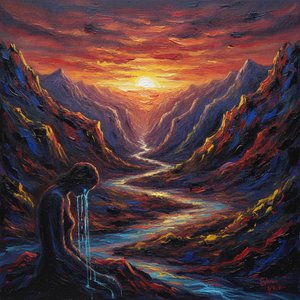
Capturing Emotion: A Journey Through the Soul of Expressionist Landscapes
Explore the profound emotional depth of Expressionist landscapes. Discover how Post-Impressionist masters moved beyond light to capture the soul through vibrant color and form. A curated journey for true art lovers seeking the beauty of expressive mastery.

Capturing the Soul: The Most Emotionally Moving Impressionist and Post-Impressionist Masterpieces
Discover the profound emotional depth of Impressionist and Post-Impressionist masterpieces. Explore how legends like Monet, Van Gogh, and Gauguin captured light and soul through evocative landscapes and vibrant brushwork for a timeless connection to art history.
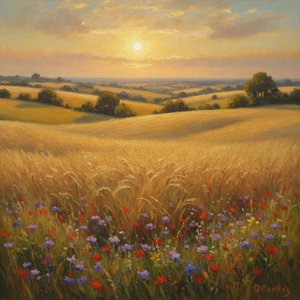
Golden Fields & Sun-Drenched Meadows: Capturing the Soul of Impressionist Landscapes
Immerse yourself in the luminous world of Impressionist landscapes. Discover how masters like Monet and Gauguin captured ephemeral light through plein air painting, and learn to bring the soul of sun-drenched meadows into your home with exquisite, hand-painted oil reproductions.

The Beauty of Impermanence: Capturing Decay through Impressionist Eyes
Explore the profound beauty of impermanence through Impressionist and Post-Impressionist eyes. Discover how masters like Monet and Van Gogh captured fleeting light and the poetic essence of nature's transitions in our deep dive into art history and emotional landscapes.