


 Anteprima in scala reale
 Invia
Invia Condividi
 Dettagli opera
 Guida
Guida

 Scarica
 Simili
 Radiografia
 Slideshow
 Statistiche
Girl at a Table


Hermann Max Pechstein's 'Girl at a Table,' painted in 1910, showcases bold colors and expressive lines. Featuring Lotte Kaprolat as his model, this masterpiece embodies Pechstein’s refined artistic sensibilities.
 Espandi i dettagli
Esplora l'arte espressionista di Hermann Max Pechstein (1881-1955). Membro chiave di Die Brücke, i suoi dipinti presentano colori audaci, nudi, paesaggi e scene della Germania post-WWI. Scopri la sua eredità oggi!
Giclée / Stampe d'arte
Stampa giclée o su tela di qualità museale, con produzione rapida e diverse opzioni di finitura. ( Acquista il dipinto realizzato a mano Passa all'immagine digitale)




P118B €10

P118H €10

P118W €10

P438Z €10

P508JH €12

P508YH €12

P805H €10

P805Z €10

P919BZ €10

P919G €10

P919XJ €10

P959ZH €10

P968JZ €12

W106C €8

W218G €10

W218JH €8

W218Y €10

W307PJ €10

W316G €10

W316PJ €8

W316Y €10

W398PJ €8

W4111J €10

W500HY €15

W500JH €15

W692G €12

W849H €8

W940BG €15

W953PJ €8




Formato standard
su misura
CM
INCH
Scegli tra le nostre dimensioni predefinite, che rispettano le proporzioni originali dell'opera d'arte.
Loading sizes...

larghezza
altezza
Inserisci la larghezza e l'altezza desiderate, per adattarle alla tua cornice o alla tua parete. Una stampa può essere solo ritagliata, mai resa più grande dell'immagine originale; pertanto, un formato con una forma differente comporterà la perdita di una parte dell'opera. Ti invieremo un mockup digitale da approvare prima di procedere con la stampa. L'immagine mostrata in questa pagina non rappresenta il ritaglio reale — solo il mockup lo mostra.
Consegna in tutto il mondo () in 2 settimane invece delle normali 4/5 settimane. (27 Ottobre)

Spedizione espressa gratuita in tutto il mondo

Tela in lino di alta qualità

Assicurazione completa sulla spedizione

Garanzia di rimborso dei dazi doganali

Garanzia di fedeltà cromatica assoluta

Politica di reso entro 100 giorni (solo per difetti di fabbricazione)

Garanzia di rimborso al 100%

Offerta per acquisti multipli
 L'opzione vetro è disponibile solo per dimensioni inferiori a 110 cm

Girl at a Table
Giclée / Stampe d'arte
Dimensioni riproduzione
-


Prezzo finale calcolato
€ 61
A Portrait of Confidence: Exploring Hermann Max Pechstein’s ‘Girl at a Table’
Hermann Max Pechstein (1881–1955), a pivotal figure in German Expressionism, produced countless canvases that grapple with themes of modernity and psychological depth. Among his most celebrated works is “Girl at a Table,” painted in 1910 – a piece that transcends mere representation to embody the spirit of its time and Pechstein’s distinctive artistic vision. This essay delves into the intricacies of this painting, examining its stylistic elements, technical innovations, historical significance, and enduring emotional resonance.- Style & Context: “Girl at a Table” firmly establishes itself within the Expressionist movement, rejecting Impressionistic ideals for a bold embrace of emotion and distortion. Born in Zwickau, Pechstein’s formative years were marked by poverty and hardship – experiences that profoundly influenced his artistic sensibilities. The painting emerged during a period of intense social upheaval following World War I, mirroring anxieties about societal change and the fragility of human existence. It reflects the broader Expressionist preoccupation with portraying inner turmoil alongside external realities.
- Composition & Technique: Pechstein’s masterful use of color is immediately striking. He employs vibrant hues—primarily reds and yellows—to imbue the scene with an energetic dynamism that contrasts sharply with the muted tones characteristic of earlier artistic traditions. The painting utilizes thick impasto, applying paint directly onto the canvas in textured layers, creating a palpable physicality that conveys both visual richness and emotional intensity. This technique is particularly evident in the depiction of the table cloth and highlights Pechstein’s commitment to conveying tactile sensations.
- Subject Matter & Symbolism: The central figure—a young woman seated at a table—commands immediate attention. Her gaze directs outwards, suggesting contemplation and perhaps even defiance. The inclusion of two bowls on the table adds subtle symbolic layers, hinting at nourishment and reflection – concepts crucial to understanding Pechstein’s artistic concerns. Furthermore, the woman's posture exudes confidence and composure, mirroring the broader Expressionist desire to portray individuals confronting existential dilemmas with courage and conviction.
- Historical Significance: “Girl at a Table” stands as a testament to Pechstein’s engagement with contemporary social issues. It captures the anxieties of a generation grappling with disillusionment after the horrors of war, yet simultaneously celebrates beauty and vitality. The painting's stylistic innovations—particularly its bold color palette and expressive brushwork—challenged prevailing artistic conventions and paved the way for subsequent developments in Expressionist art.
- Emotional Impact: Ultimately, “Girl at a Table” succeeds in conveying a profound sense of psychological complexity. Pechstein’s ability to capture subtle nuances of emotion – trust, contemplation, and perhaps even vulnerability—elevates the painting beyond mere visual spectacle. It invites viewers to contemplate themes of identity, resilience, and the human condition, ensuring its enduring relevance as an artwork that speaks to our deepest sensibilities.
The Folkwang Museum’s acquisition of this masterpiece underscores its importance within German art history.
Domande e risposte
Qual è la luminosità di "Girl at a Table" di Hermann Max Pechstein?
La luminanza rilevata per "Girl at a Table" di Hermann Max Pechstein è Gentle Luminance.
Cosa rappresenta "Girl at a Table" e quale atmosfera trasmette?
"Girl at a Table" mostra woman, table, chair, bowl, smile, red lips, painting, e l'atmosfera che ne scaturisce è Elegant.
I colori di "Girl at a Table" di Hermann Max Pechstein sono vivaci o tenui?
"Girl at a Table" di Hermann Max Pechstein presenta una saturazione di Clear Color Presence e un'intensità di Vivid.
Opere simili


Biografia dell'artista
Il Pulsare Vibrante dell'Espressionismo Tedesco
Nato nel cuore industriale di Zwickau nel 1881, Hermann Max Pechstein emerse da un contesto operaio per diventare una delle figure più imponenti dell'avanguardia del primo Novecento. Il suo viaggio nell'anima dell'arte moderna non ebbe inizio con grandi pretese accademiche, ma attraverso un legame profondo con l'artigianato e le texture grezze della vita. In quanto figlio di un tessitore, le prime sensibilità di Pechstein furono plasmate dal mondo ritmico e tattile dell'industria, una base che si sarebbe manifestata in seguito nel suo uso audace e sregolato di linea e colore. La sua formazione formale presso la Royal Academy of Applied Arts e la Royal Academy of Fine Arts di Dresda gli conferì un rigore tecnico che lo distinse da molti dei suoi contemporanei; egli fu, in modo unico, l'unico membro del leggendario gruppo Die Brücke ad aver seguito un addestramento accademico così completo.
La traiettoria della carriera di Pechstein fu irrevocabilmente alterata nel 1906, quando un incontro casuale a una mostra di Dresda lo presentò a Erich Heckel e al nascente collettivo noto come Die Brücke. Questa confraternita di artisti cercava di colmare il divario tra il passato e una nuova, viscerale modernità, spogliando le cortesi vernici dell'accademismo per rivelare la verità emotiva sottostante. L'opera di Pechstein durante questo periodo iniziò a vibrare di un'energia ritrovata, abbandonando le persistenti influenze decorative dell'Art Nouveau in favore di qualcosa di molto più primordiale. I suoi viaggi in Italia e in Francia agirono da potente catalizzatore, dove le tavolozze inondate dal sole dei Fauves e la chiarezza strutturale dei maestri del Rinascimento si fusero nella sua mente, dando vita a uno stile caratterizzato da forme semplificate e un'applicazione intensa e pura del pigmento.
Un'Eredità Forgiata tra Colore e Conflitto
Con la crescita della sua reputazione, le tele di Pechstein divennero finestre sullo spirito mutevole della Germania del dopoguerra. La sua arte non fu mai meramente decorativa; fu una profonda esplorazione dell'esistenza umana, catturata attraverso scene di danzatrici vivaci, paesaggi tranquilli e ritratti intimi. In opere come Ragazza a un tavolo, si può ammirare la sua maestria nelle linee espressive e un uso sofisticato del colore che infonde vita al soggetto, utilizzando spesso modelle come Lotte Kaprolat per ancorare le sue astrazioni visionarie a un calore umano. La sua capacità di catturare la vitalità della vita quotidiana — dal movimento ritmico della sua serie Danzatrici alle atmosfere vibranti e soleggiate delle sue scene insulari — cementò il suo status di maestro dell'idioma espressionista.
Tuttavia, la brillantezza della visione di Pechstein incontrò una profonda oscurità durante l'ascesa del regime nazista. Il suo impegno verso l'onestà emotiva e la sperimentazione formale portò lo Stato a etichettare la sua opera come Arte Degenerata. Questo periodo di persecuzione vide più di 300 dei suoi dipinti sottratti ai musei tedeschi, un colpo devastante sia per l'artista che per il tessuto culturale della sua nazione. Nonostante questo tentativo sistematico di cancellare il suo contributo, lo spirito di Pechstein rimase indomito. Continuò a dipingere attraverso le turbolenze della guerra e i disordini politici, lasciando un'eredità che funge da testimonianza della resilienza dell'impulso creativo. Oggi, riconosciamo Max Pechstein non solo come un pittore, ma come un pioniere che osò usare il colore come linguaggio di liberazione, assicurando che il pulsare vibrante dell'Espressionismo Tedesco continui a risuonare nelle sale della storia dell'arte.

Hermann Max Pechstein
1881 - 1955 , Germania
Dettagli rapidi
- Artistic Movement Or Style: Cubismo, Surrealismo
- Artists Or Movements Influenced By This Artist: ['Georges Braque']
- Artists Who Influenced This Artist:
- Paul Cézanne
- Arte africana
- Date Of Birth: 25 ottobre 1881
- Date Of Death: 8 aprile 1973
- Full Name: Pablo Diego José Francisco de Paula Juan Nepomuceno María de los Remedios Cipriano de la Santísima Trinidad Ruiz y Picasso
- Nationality: Spagnola
- Notable Artworks:
- Guernica
- Les Demoiselles d’Avignon
- La donna piangente
- Ragazza allo specchio
- Place Of Birth: Malaga, Spagna
Articoli correlati

Espressionismo Tedesco: 10 Capolavori Rivoluzionari per Arredare con Emozione
Esplora i 10 capolavori dell'Espressionismo Tedesco con TopImpressionists.com! Scopri Kirchner, Munch e Nolde, le loro emozioni intense e tecniche rivoluzionarie. Arreda la tua casa con stampe d'arte di alta qualità. Esplora la collezione online!

Cubismo Espressionista: 10 Capolavori che Hanno Definito un Movimento Artistico Rivoluzionario
Esplora i 10 capolavori che hanno rivoluzionato l'arte con il Cubismo Espressionista! Scopri Picasso, Braque e altri maestri. Quadri famosi, tecniche innovative e colori audaci ti aspettano su TopImpressionists.com. Trova la tua prossima opera d'arte!
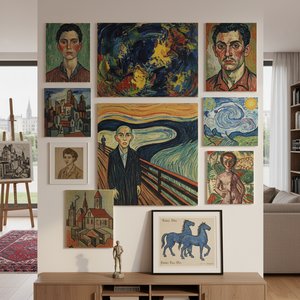
Espressionismo: I 10 Capolavori che Hanno Definito un Movimento Artistico | .it
Esplora i 10 capolavori dell'Espressionismo con .it! Scopri Munch, Kirchner e altri artisti iconici, le loro emozioni intense e tecniche rivoluzionarie. Trova riproduzioni di alta qualità per arredare la tua casa con arte senza tempo. Esplora la collezione online!

Opere d'Arte Audaci: I Capolavori che Definiscono un Carattere Forte | TopImpressionists
Esplora 10 opere d'arte audaci che esprimono forza e passione! Da Van Gogh a Frida Kahlo, scopri la storia, i colori e le emozioni dietro capolavori iconici. Trova stampe di alta qualità per arredare con personalità su TopImpressionists.com.

Egon Schiele: Le 25 Opere Più Iconiche per Amare l'Arte Moderna
Esplora le 25 opere più iconiche di Egon Schiele, il maestro dell'espressionismo austriaco. Ritratti intensi, colori audaci e storie avvincenti ti aspettano. Trova riproduzioni di alta qualità e idee per decorare la tua casa su TopImpressionists.com.
Esplora le opere d'arte organizzate per temi, stili e caratteristiche.
