Anteprima in scala reale
 Condividi
 Condividi
 Dettagli
 Guida stampabile

 Scarica
 Articoli simili
 Radiografia
 Slideshow
 Statistiche
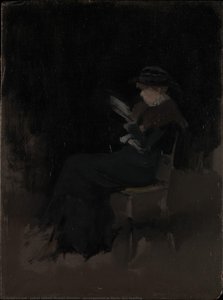
Eagle Wharf

Whistler’s artistic rebellion began early, fueled by his father's railroad engineering career and exposure to varied environments. He was a gifted draftsman and possessed an unwavering determination to forge a profession as an artist.
 Leggi tutto
Esplora James Abbott McNeill Whistler (1834-1903): artista americano del Tonalismo e dell'Estetismo. Scopri 'La madre di Whistler', notturni, ritratti e la sua filosofia 'l'arte per l'arte'.
Giclée / Stampe d'arte
Stampa giclée o su tela di qualità museale, con produzione rapida e diverse opzioni di finitura. ( Ordina la riproduzione dipinta a mano Passa all'immagine digitale)




P118B €10

P118H €10

P118W €10

P438Z €10

P508JH €12

P508YH €12

P805H €10

P805Z €10

P919BZ €10

P919G €10

P919XJ €10

P959ZH €10

P968JZ €12

W106C €8

W218G €10

W218JH €8

W218Y €10

W307PJ €10

W316G €10

W316PJ €8

W316Y €10

W398PJ €8

W4111J €10

W500HY €15

W500JH €15

W692G €12

W849H €8

W940BG €15

W953PJ €8




Standard
personalizzato
CM
INCH
Scegli tra le nostre dimensioni predefinite, che rispettano le proporzioni originali dell'opera d'arte.
Loading sizes...

larghezza
altezza
Inserisci la larghezza e l'altezza desiderate, per adattarle alla tua cornice o alla tua parete. Una stampa può essere solo ritagliata, mai resa più grande dell'immagine originale; pertanto, un formato con una forma differente comporterà la perdita di una parte dell'opera. Ti invieremo un mockup digitale da approvare prima di procedere con la stampa. L'immagine mostrata in questa pagina non rappresenta il ritaglio reale — solo il mockup lo mostra.
Consegna in tutto il mondo () in 2 settimane invece delle normali 4/5 settimane. (22 Ottobre)

Spedizione espressa gratuita in tutto il mondo

Tela in lino di alta qualità

Assicurazione completa sulla spedizione

Garanzia di rimborso dei dazi doganali

Garanzia di perfetta fedeltà cromatica

Politica di reso entro 100 giorni (solo per difetti di fabbricazione)

Garanzia di rimborso al 100%

Sconto per acquisti multipli
 L'opzione vetro è disponibile solo per dimensioni inferiori a 110 cm

Eagle Wharf
Giclée / Stampe d'arte
Dimensioni della riproduzione
-


Prezzo totale
€ 60
James Abbott McNeill Whistler: A Pioneer of Aestheticism
James Abbott McNeill Whistler (1834–1903) stands as an emblem of artistic rebellion against Victorian convention—a painter who championed “art for art’s sake” during a period obsessed with didactic narratives. His formative years, marked by frequent relocations due to his father's railroad engineering career, instilled within him a profound adaptability and exposure to diverse environments. This restless spirit fueled his burgeoning passion for art, propelling him across the Atlantic into the vibrant heart of European avant-garde movements. Whistler’s artistic journey began with an innate talent for drawing—a skill nurtured by encouragement from his brother-in-law Sir William Allan—and solidified through rigorous training at the Imperial Academy of Arts in St. Petersburg. It was here that he honed his observational skills and developed a distinctive approach to capturing visual experience, rejecting sentimentalism in favor of pure tonal harmony as expressed in his celebrated nocturnes.The Thames Set: Exploring Light and Atmosphere
Whistler’s most enduring legacy resides in “A Series of Sixteen Etchings of Scenes on the Thames and Other Subjects,” commonly known as The Thames Set (1871). This ambitious project represents a pivotal moment in Whistler's artistic career, marking his decisive embrace of tonalism—a technique prioritizing subtle gradations of color to convey mood and atmosphere rather than detailed representation. Unlike Impressionists who sought to capture fleeting moments of light, Whistler aimed for a more contemplative engagement with the subject matter, believing that “art should be regarded as an independent pursuit.” The etching depicts a tranquil harbor scene at Eagle Wharf, capturing the diffused glow of twilight over the water—a masterful demonstration of Whistler’s ability to distill complex visual sensations into simplified forms.Eagle Wharf: Composition and Symbolism
The composition of Eagle Wharf is deceptively simple yet profoundly deliberate. Whistler meticulously arranges elements within the frame to create a harmonious balance between light and shadow, mirroring the principles of musical orchestration. The boats are positioned strategically—some prominent in the foreground, others receding into the distance—drawing the viewer’s eye across the canvas. A solitary dog adds an element of domestic tranquility to the scene, subtly reinforcing Whistler's fascination with capturing everyday life without resorting to moralizing commentary. Beyond its aesthetic beauty, Eagle Wharf embodies Whistler’s philosophical stance: it is not merely a depiction of a place but an exploration of sensory experience itself—a testament to “art for art’s sake.”Whistlerian Influence and Legacy
James Abbott McNeill Whistler's unwavering commitment to artistic autonomy profoundly impacted the course of modern art. He challenged prevailing aesthetic norms, advocating for a rejection of narrative storytelling in favor of pure visual expression. His influence extended beyond painting, inspiring writers and composers alike to prioritize form over content—a legacy that continues to resonate within contemporary artistic discourse. Whistler’s “Whistler's Mother,” arguably his most iconic portrait, exemplifies this ethos—a deceptively understated depiction of motherhood imbued with an emotional depth that transcends mere visual representation. It remains a beloved image, frequently reproduced and parodied, cementing Whistler’s place as one of the foremost figures in the history of aestheticism.Domande e risposte
Cosa rappresenta "Eagle Wharf" di James Abbott McNeill Whistler?
I soggetti di "Eagle Wharf" sono harbor scene, boats, dog, tranquility, nocturne, whistler, impressionism.
Quale formato e orientamento di stampa si consigliano per "Eagle Wharf" di James Abbott McNeill Whistler?
Per "Eagle Wharf", la configurazione di stampa consigliata è un formato Large con orientamento Landscape.
Quanta luce sembrano riflettere i colori di "Eagle Wharf"?
"Eagle Wharf" di James Abbott McNeill Whistler ha una luminanza di Luminous. La luminanza descrive quanta luce sembrano riflettere i colori.
Opere correlate


Biografia dell'artista
James Abbott McNeill Whistler: Una Vita nell'Arte
Primi Anni di Vita e Influenze
- Nato il 14 luglio 1834 a Lowell, Massachusetts, la vita giovanile di James Abbott McNeill Whistler è stata plasmata dalla carriera del suo padre come ingegnere ferroviario.
- Traslochi frequenti gli hanno instillato adattabilità ed esposizione a ambienti diversi.
- Ha frequentato brevemente l'Accademia Militare degli Stati Uniti a West Point, ma si è scoperto inadatto alle sue inclinazioni artistiche.
- Un successivo incarico con la U.S. Coast and Geodetic Survey ha ritardato, ma non spento, la sua ricerca artistica.
- I suoi anni formativi sono stati segnati da un precoce interesse per il disegno e dal desiderio di diventare un artista professionista.
Sviluppo Artistico & Inizi a Parigi
- Whistler si è trasferito a Parigi nel 1855, un momento cruciale del suo percorso artistico.
- Ha studiato sotto la guida di Sébastien Bouré, affinando le sue abilità nella pittura ad olio, nell'acquerello e nella stampa.
- Le prime opere riflettevano influenze dai pittori del Realismo francese e della Scuola di Barbizon.
- Whistler ha rapidamente sviluppato uno stile distintivo caratterizzato da armonie tonali ed effetti atmosferici.
Temi Chiave & Stile Artistico
- Whistler ha promosso il concetto di “arte per l’arte stessa”, rifiutando narrazioni didattiche o moralizzanti a favore di considerazioni estetiche.
- Il suo lavoro si concentrava spesso sulla cattura delle sottili sfumature di luce, colore e atmosfera.
- Spesso impiegava palette limitate e pennellate delicate per creare atmosfere evocative.
- Notturni, dipinti atmosferici di scene al crepuscolo, erano un elemento distintivo della sua produzione artistica.
- Anche i ritratti erano centrali alla sua pratica, spesso enfatizzando gli arrangiamenti formali e le relazioni tonali piuttosto che la somiglianza rigorosa.
Opere Notevoli & Realizzazioni Importanti
- La Fonderia (1861): Una vivida rappresentazione di un laboratorio di fabbro che mostrava la maestria di Whistler nella luce e nell'ombra.
- Ritratto di Charles Lang Freer (1873): Dimostrava la sua abilità nel catturare l'essenza dei suoi soggetti attraverso sottili variazioni tonali.
- Brown and Gold: The Gold Girl—Connie Gilchrist (1876-77): Un esempio esemplare di Tonalismo, con un uso innovativo del colore e della composizione.
- Arrangement in Grey and Black No. 1 (Whistler’s Mother) (1871): Forse la sua opera più famosa, un'immagine iconica della maternità vittoriana e una testimonianza del suo approccio formalista.
- Notturno in Nero e Oro – The Falling Rocket (1875): Un dipinto controverso che ha scatenato una causa per diffamazione con il critico d'arte John Ruskin, evidenziando la difesa di Whistler dell'autonomia artistica.
Influenze & Eredità
- Whistler è stato influenzato dai stampe giapponesi (ukiyo-e), che hanno informato i suoi principi compositivi e l'enfasi sui motivi decorativi.
- Ha anche ammirato il lavoro di pittori spagnoli come Velázquez, in particolare la loro maestria dei valori tonali.
- La sua difesa dell’“arte per l’arte stessa” ha avuto un impatto profondo sul movimento estetico in Inghilterra e negli Stati Uniti.
- L'influenza di Whistler si è estesa alle generazioni successive di artisti che hanno abbracciato approcci formalisti ed esplorato il potenziale espressivo del colore e della composizione.
- Ha lasciato un segno indelebile nell’arte americana, sfidando le concezioni convenzionali dello scopo artistico e aprendo la strada al modernismo.
Significato Storico
- La carriera di Whistler coincise con un periodo di significativi cambiamenti sociali e culturali in Europa e negli Stati Uniti.
- Il suo lavoro sfidò le sensibilità vittoriane e contribuì a un più ampio spostamento verso l'estetismo e l'individualismo.
- La causa per diffamazione contro Ruskin elevò il profilo di Whistler e scatenò importanti dibattiti sulla natura della critica d’arte e della libertà artistica.
- Resta una figura fondamentale nella storia dell'arte americana, celebrata per il suo stile innovativo, la sua rigorosità intellettuale e il suo incrollabile impegno per i principi artistici.

James Abbott McNeill Whistler
1834 - 1903 , Stati Uniti d'America
Informazioni rapide
- Artisti Influenti:
- Sebastián Bouré
- Velázquez
- Artisti Influenzati: ['Generazioni successive di artisti']
- Data Di Nascita: 14 luglio 1834
- Luogo Di Nascita: Lowell, Stati Uniti d'America
- Movimento Artistico: Tonalismo, Estetismo
- Nazionalità: Americano
- Nome Completo: James Abbott McNeill Whistler
- Opere Notevoli:
- La Fonderia
- Ritratto di Charles Lang Freer
- Brown and Gold: Connie Gilchrist
- Arrangement in Grey and Black
- Nocturne in Nero e Oro
Articoli correlati

I 10 Capolavori dell'Acquaforte che Hanno Rivoluzionato l'Arte | TopImpressionists
Esplora i 10 capolavori dell'acquaforte che hanno rivoluzionato l'arte! Scopri Rembrandt, Goya e Dürer. Stampe d'arte di alta qualità per decorare la tua casa con stile classico. Acquista riproduzioni su TopImpressionists.com.

The Intricate World of Etching: A Historical Survey of Technique, Aesthetic Evolution, and Enduring Artistic Impact
Explore the rich history of etching, from its origins to modern practice. Discover techniques, key artists like Rembrandt, and insights for collectors. A comprehensive guide by TopImpressionists.

Etching: A Historical Survey of Technique, Aesthetic Qualities & Enduring Artistic Significance
Explore the rich history of etching, from its origins to Rembrandt's masterful innovations. Discover the technique, aesthetic qualities & enduring legacy of this captivating art form. Expert insights for collectors and enthusiasts.

James Abbott McNeill Whistler: I 25 Capolavori che Definirono un'Epoca - Arte e Decorazioni di Lusso
Esplora i 25 capolavori di James Abbott McNeill Whistler, il maestro dell'estetismo e dei notturni. Scopri la storia, le tecniche e l'armonia unica nei suoi dipinti più famosi. Stampe d'arte e riproduzioni di alta qualità su TopImpressionists.com.

Sir Alfred James Munnings: I 25 Capolavori che Celebrano la Bellezza del Cavallo e della Campagna Inglese
Esplora i 25 capolavori di Alfred James Munnings, pittore inglese celebrato per la sua arte equestre e i paesaggi rurali. Scopri storie, tecniche e colori unici. Stampe d'arte e riproduzioni su TopImpressionists.com!
Esplora le opere d'arte organizzate per temi, stili e caratteristiche.