Anteprima in scala reale
 Condividi
 Condividi
 Dettagli
 Guida
Guida

 Scarica
 Articoli simili
 Radiografia
 Slideshow
 Statistiche
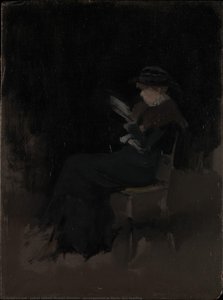
Harmony in Red: Lamplight


Meta Description: Scopri "Harmony in Red: Lamplight" di James Abbott McNeill Whistler: un capolavoro del tonalismo e dell'impressionismo illuminato dalla luce calda di una lampada, oggi ospitato al Museo Vittoriale degli Artisti di Verona.
 Leggi tutto
Esplora James Abbott McNeill Whistler (1834-1903): artista americano del Tonalismo e dell'Estetismo. Scopri 'La madre di Whistler', notturni, ritratti e la sua filosofia 'l'arte per l'arte'.
Riproduzione a olio fatta a mano
Olio su tela dipinto a mano nelle tue dimensioni e con la tua cornice, realizzato su ordinazione dai nostri artisti. ( Passa alle stampe Passa all'immagine digitale)




P118B $10

P118H $10

P118W $10

P438Z $10

P508JH $12

P508YH $12

P805H $10

P805Z $10

P919BZ $10

P919G $10

P919XJ $10

P959ZH $10

P968JZ $12

W106C $8

W218G $10

W218JH $8

W218Y $10

W307PJ $10

W316G $10

W316PJ $8

W316Y $10

W398PJ $8

W4111J $10

W500HY $15

W500JH $15

W692G $12

W849H $8

W940BG $15

W953PJ $8




Standard
personalizzato
CM
INCH
Scegli tra le nostre dimensioni predefinite, che rispettano le proporzioni originali dell'opera d'arte.
Loading sizes...

larghezza
altezza
È possibile inserire dimensioni personalizzate per adattare l'opera a una cornice o a uno spazio specifico. Se la dimensione selezionata non corrisponde alle proporzioni dell'immagine originale, provvederemo a ritagliare l'opera o a estendere il dipinto con elementi aggiuntivi dipinti a mano. Un mockup digitale ti sarà inviato per approvazione prima dell'inizio della produzione.
Si prega di notare che l'anteprima a schermo non riflette il ritaglio o l'estensione effettivi. Solo il mockup mostrerà accuratamente la composizione finale.
Sebbene siano disponibili dimensioni personalizzate, consigliamo di selezionare una dimensione dall'elenco predefinito per preservare le proporzioni originali.
Esempi di personalizzazione: sostituire il volto con una foto del cliente; aggiungere un animale domestico (ad esempio, sostituire un gatto con un cane); inserire un messaggio nascosto nello sfondo; cambiare il paesaggio o gli elementi dello sfondo.
Dopo l'ordine, il team di TopImpressionists.com contatterà il cliente via e-mail per ricevere le istruzioni e fornirà un'anteprima del mockup
Dopo l'ordine, il team di TopImpressionists.com contatterà il cliente via e-mail per ricevere le istruzioni e fornirà un'anteprima del mockup
Consegna in tutto il mondo () in 3/4 settimane anziché nelle normali 5 settimane. (23 Settembre). Nessun compromesso sulla qualità.

Spedizione espressa gratuita in tutto il mondo

Tela in lino di alta qualità

Assicurazione completa sulla spedizione

Garanzia di rimborso dei dazi doganali

Garanzia di perfetta fedeltà cromatica

Politica di reso entro 100 giorni (solo per difetti di fabbricazione)

Garanzia di rimborso al 100%

Sconto per acquisti multipli
 L'opzione vetro è disponibile solo per dimensioni inferiori a 110 cm

Harmony in Red: Lamplight
Tecnica di riproduzione
Dimensioni della riproduzione
-


Prezzo totale
$ 269
Introduzione ad Armonia in Rosso: Luce di Lampada
L'opera di James Abbott McNeill Whistler, «Armonia in Rosso: Luce di Lampada», si erge come una pietra miliare dell'Impressionismo americano e del Tonalismo, racchiudendo gli ideali estetici della sua epoca. Dipinto tra il 1884 e il 1886, questo capolavoro a olio su tela trascende la mera rappresentazione; esso aspira a una bellezza elusiva, radicata nell'armonia tonale e nel suggerimento atmosferico—un principio sostenuto dallo stesso Whistler. Conservato presso l'Hunterian Museum and Art Gallery di Glasgow, in Scozia, il dipinto invita alla contemplazione della luce, del colore e della quieta intimità della vita domestica. Il deliberato rifiunto di Whistler delle pennellate convenzionali e delle tonalità vibranti esemplifica il suo impegno per l'«arte per l'arte», privilegiando la sensazione visiva rispetto alla narrazione.La Visione dell'Artista: L'Estetismo Whistleriano
James Abbott McNeill Whistler (1834–1903) emerse come una voce singolare nel fiorente panorama artistico della Gran Bretagna vittoriana. Sebbene influenzato dalle esplorazioni impressioniste di Eugène Boudin e Frédéric Bazille, Whistler forgiò comunque un proprio percorso distintivo, saldamente ancorato al Tonalismo. Questo movimento cercava di catturare l'essenza di una scena attraverso sottili gradazioni di colore e tono, dando priorità all'umore e all'atmosfera rispetto alla descrizione dettagliata. L'osservazione meticolosa della luce naturale da parte di Whistler, unita a una incrollabile dedizione alla purezza tonale, ha dato vita a opere che sono allo stesso tempo ingannevolmente semplici e profondamente espressive. Egli dichiarò celebremente: «Non dipingo ciò che vedo, ma ciò che sento», racchiudendo l'essenza stessa della sua pratica artistica.Composizione e Tecnica: Padroneggiare Luce e Colore
«Armonia in Rosso: Luce di Lampada» mette in mostra la magistrale padronanza tecnica di Whistler, in particolare il suo uso innovativo delle velature per ottenere effetti luminosi. Il dipinto ritrae una donna seduta su un palco, immersa nel caldo bagliore della luce di una lampada, con le braccia incrociate in uno stato di riposo. Whistler impiegò una tavolozza smorzata, dominata da rossi e bruni, mescolando abilmente i toni per creare un'illusione di profondità e calore. Una particolare attenzione fu dedicata alla cattura delle sottili sfumature della luce che si riflette sulle superfici—un marchio di fabbrica dell'approccio di Whistler. La composizione è equilibrata, enfatizzando la figura centrale e guidando con discrezione lo sguardo dello spettatore attraverso la tela. Questa deliberata moderazione contribuisce alla bellezza serena del dipinto e alla sua capacità di evocare un senso di contemplativa quiete.Simbolismo e Risonanza Emotiva
Oltre alla sua brillantezza tecnica, «Armonia in Rosso: Luce di Lampada» risuona di un profondo significato simbolico. La donna rappresenta la femminilità e la tranquillità domestica—temi prevalenti nell'opera di Whistler. La luce della lampada stessa simboleggia l'illuminazione e il calore, suggerendo comfort e intimità all'interno dello spazio ristretto dell'ambientazione scenica. L'intenzione di Whistler non era quella di trasmettere una narrazione specifica, quanto piuttosto di catturare uno stato emotivo: un sentimento di quieta contemplazione e armonioso riposo. Il dipinto invita gli spettatori a immergersi nella sua atmosfera, favorendo una connessione con la bellezza delle forme semplici e delle sottili variazioni tonali.Eredità e Riconoscimento
«Armonia in Rosso: Luce di Lampada» rimane celebrata come una delle opere più iconiche di Whistler, assicurandosi un posto nel canone dell'arte impressionista. La sua influenza si estende oltre l'ambito della pittura, ispirando gli artisti successivi a esplorare principi simili di armonia tonale e rappresentazione atmosferica. L'Hunterian Museum and Art Gallery ospita una straordinaria collezione di dipinti di Whistler, permettendo ai visitatori di sperimentare in prima persona il potere trasformativo della sua visione artistica. Questo perdurante apprezzamento sottolinea il contributo duraturo di Whistler alla storia dell'arte—una testimonianza della sua incrollabile fede nell'«arte per l'arte» e della sua profonda comprensione della condizione umana.Opere correlate


Biografia dell'artista
James Abbott McNeill Whistler: Una Vita nell'Arte
Primi Anni di Vita e Influenze
- Nato il 14 luglio 1834 a Lowell, Massachusetts, la vita giovanile di James Abbott McNeill Whistler è stata plasmata dalla carriera del suo padre come ingegnere ferroviario.
- Traslochi frequenti gli hanno instillato adattabilità ed esposizione a ambienti diversi.
- Ha frequentato brevemente l'Accademia Militare degli Stati Uniti a West Point, ma si è scoperto inadatto alle sue inclinazioni artistiche.
- Un successivo incarico con la U.S. Coast and Geodetic Survey ha ritardato, ma non spento, la sua ricerca artistica.
- I suoi anni formativi sono stati segnati da un precoce interesse per il disegno e dal desiderio di diventare un artista professionista.
Sviluppo Artistico & Inizi a Parigi
- Whistler si è trasferito a Parigi nel 1855, un momento cruciale del suo percorso artistico.
- Ha studiato sotto la guida di Sébastien Bouré, affinando le sue abilità nella pittura ad olio, nell'acquerello e nella stampa.
- Le prime opere riflettevano influenze dai pittori del Realismo francese e della Scuola di Barbizon.
- Whistler ha rapidamente sviluppato uno stile distintivo caratterizzato da armonie tonali ed effetti atmosferici.
Temi Chiave & Stile Artistico
- Whistler ha promosso il concetto di “arte per l’arte stessa”, rifiutando narrazioni didattiche o moralizzanti a favore di considerazioni estetiche.
- Il suo lavoro si concentrava spesso sulla cattura delle sottili sfumature di luce, colore e atmosfera.
- Spesso impiegava palette limitate e pennellate delicate per creare atmosfere evocative.
- Notturni, dipinti atmosferici di scene al crepuscolo, erano un elemento distintivo della sua produzione artistica.
- Anche i ritratti erano centrali alla sua pratica, spesso enfatizzando gli arrangiamenti formali e le relazioni tonali piuttosto che la somiglianza rigorosa.
Opere Notevoli & Realizzazioni Importanti
- La Fonderia (1861): Una vivida rappresentazione di un laboratorio di fabbro che mostrava la maestria di Whistler nella luce e nell'ombra.
- Ritratto di Charles Lang Freer (1873): Dimostrava la sua abilità nel catturare l'essenza dei suoi soggetti attraverso sottili variazioni tonali.
- Brown and Gold: The Gold Girl—Connie Gilchrist (1876-77): Un esempio esemplare di Tonalismo, con un uso innovativo del colore e della composizione.
- Arrangement in Grey and Black No. 1 (Whistler’s Mother) (1871): Forse la sua opera più famosa, un'immagine iconica della maternità vittoriana e una testimonianza del suo approccio formalista.
- Notturno in Nero e Oro – The Falling Rocket (1875): Un dipinto controverso che ha scatenato una causa per diffamazione con il critico d'arte John Ruskin, evidenziando la difesa di Whistler dell'autonomia artistica.
Influenze & Eredità
- Whistler è stato influenzato dai stampe giapponesi (ukiyo-e), che hanno informato i suoi principi compositivi e l'enfasi sui motivi decorativi.
- Ha anche ammirato il lavoro di pittori spagnoli come Velázquez, in particolare la loro maestria dei valori tonali.
- La sua difesa dell’“arte per l’arte stessa” ha avuto un impatto profondo sul movimento estetico in Inghilterra e negli Stati Uniti.
- L'influenza di Whistler si è estesa alle generazioni successive di artisti che hanno abbracciato approcci formalisti ed esplorato il potenziale espressivo del colore e della composizione.
- Ha lasciato un segno indelebile nell’arte americana, sfidando le concezioni convenzionali dello scopo artistico e aprendo la strada al modernismo.
Significato Storico
- La carriera di Whistler coincise con un periodo di significativi cambiamenti sociali e culturali in Europa e negli Stati Uniti.
- Il suo lavoro sfidò le sensibilità vittoriane e contribuì a un più ampio spostamento verso l'estetismo e l'individualismo.
- La causa per diffamazione contro Ruskin elevò il profilo di Whistler e scatenò importanti dibattiti sulla natura della critica d’arte e della libertà artistica.
- Resta una figura fondamentale nella storia dell'arte americana, celebrata per il suo stile innovativo, la sua rigorosità intellettuale e il suo incrollabile impegno per i principi artistici.

James Abbott McNeill Whistler
1834 - 1903 , Stati Uniti d'America
Informazioni rapide
- Artisti Influenti:
- Sebastián Bouré
- Velázquez
- Artisti Influenzati: ['Generazioni successive di artisti']
- Data Di Nascita: 14 luglio 1834
- Luogo Di Nascita: Lowell, Stati Uniti d'America
- Movimento Artistico: Tonalismo, Estetismo
- Nazionalità: Americano
- Nome Completo: James Abbott McNeill Whistler
- Opere Notevoli:
- La Fonderia
- Ritratto di Charles Lang Freer
- Brown and Gold: Connie Gilchrist
- Arrangement in Grey and Black
- Nocturne in Nero e Oro
Articoli correlati

The Magic of Tonalism: Capturing Mood, Mist, and Atmospheric Emotion in Landscape Art
Discover the ethereal beauty of Tonalism. Explore how master artists use mist, soft light, and muted palettes to capture profound emotion and atmospheric mood in landscape painting. A deep dive into this quiet, introspective art movement for true connoisseurs.
Esplora le opere d'arte organizzate per temi, stili e caratteristiche.