

 Anteprima in scala reale
 Invia
Invia Condividi
 Dettagli opera
 Guida
Guida

 Scarica
 Simili
 Radiografia
 Slideshow
 Q&A
Q&A Statistiche
The Slum

- 91.0 x 71.0 cm


James Ferrier Pryde's "The Slum" (1916) captures a poignant Edinburgh alleyway scene, reflecting urban poverty and social commentary through atmospheric brushstrokes. Explore this evocative work of art.
 Espandi i dettagli
James Ferrier Pryde (1866-1941): Pittore britannico e socio dei Beggarstaffs, rivoluzionò l'arte della pubblicità con atmosfere evocative e scenografie teatrali. Un artista unico nel suo genere.
Giclée / Stampe d'arte
Stampa giclée o su tela di qualità museale, con produzione rapida e diverse opzioni di finitura. ( Acquista il dipinto realizzato a mano Passa all'immagine digitale)




P118B €10

P118H €10

P118W €10

P438Z €10

P508JH €12

P508YH €12

P805H €10

P805Z €10

P919BZ €10

P919G €10

P919XJ €10

P959ZH €10

P968JZ €12

W106C €8

W218G €10

W218JH €8

W218Y €10

W307PJ €10

W316G €10

W316PJ €8

W316Y €10

W398PJ €8

W4111J €10

W500HY €15

W500JH €15

W692G €12

W849H €8

W940BG €15

W953PJ €8




Formato standard
su misura
CM
INCH
Scegli tra le nostre dimensioni predefinite, che rispettano le proporzioni originali dell'opera d'arte.
Loading sizes...

larghezza
altezza
Inserisci la larghezza e l'altezza desiderate, per adattarle alla tua cornice o alla tua parete. Una stampa può essere solo ritagliata, mai resa più grande dell'immagine originale; pertanto, un formato con una forma differente comporterà la perdita di una parte dell'opera. Ti invieremo un mockup digitale da approvare prima di procedere con la stampa. L'immagine mostrata in questa pagina non rappresenta il ritaglio reale — solo il mockup lo mostra.
Consegna in tutto il mondo () in 2 settimane invece delle normali 4/5 settimane. (31 Ottobre)

Spedizione espressa gratuita in tutto il mondo

Tela in lino di alta qualità

Assicurazione completa sulla spedizione

Garanzia di rimborso dei dazi doganali

Garanzia di fedeltà cromatica assoluta

Politica di reso entro 100 giorni (solo per difetti di fabbricazione)

Garanzia di rimborso al 100%

Offerta per acquisti multipli
 L'opzione vetro è disponibile solo per dimensioni inferiori a 110 cm

The Slum
Giclée / Stampe d'arte
Dimensioni riproduzione
-


Prezzo finale calcolato
€ 61
A Glimpse into Urban Decay: The Haunting Beauty of “The Slum”
James Ferrier Pryde’s “The Slum,” painted in 1916, isn't merely a depiction of a neglected corner of Edinburgh; it’s a profound meditation on poverty, social injustice, and the encroaching shadows of modernity. Born amidst the artistic ferment of Glasgow’s School of Art, Pryde developed a distinctive style—a masterful blend of atmospheric realism and subtle symbolism—that resonated deeply with the anxieties of his time. This painting, now housed in the Ashmolean Museum, offers a stark yet strangely beautiful portrayal of a working-class neighborhood grappling with hardship and neglect.
The scene unfolds within a narrow alleyway, dominated by a towering tenement building that seems to lean precariously towards the viewer. Pryde’s masterful use of light and shadow immediately establishes an unsettling mood. The muted palette—a symphony of grays, browns, and ochres—evokes a sense of dampness, decay, and oppressive gloom. Rain streaks down the walls, reflecting the weak light from unseen windows, while deep shadows conceal the lives within. The composition is deliberately claustrophobic, drawing the eye into the heart of the slum and emphasizing its suffocating atmosphere.
Technique and Artistic Influences
Pryde’s technique is characterized by a loose, expressive brushstroke—a hallmark of his work with the Beggarstaffs poster company. He eschews meticulous detail in favor of capturing the essence of the scene, prioritizing mood and atmosphere over photographic realism. The painting's texture is rich and layered, achieved through multiple thin applications of oil paint, creating a palpable sense of depth and physicality. There’s an undeniable influence from Whistler’s atmospheric style, particularly in Pryde’s ability to evoke emotion through color and light—a skill honed during his brief but formative time studying in Paris.
Furthermore, the painting subtly references classical architecture, most notably the Roman ruins of Pompeii. The building's form echoes the grandeur of ancient structures, suggesting a lost sense of order and beauty amidst the squalor. This juxtaposition—the crumbling tenements against the backdrop of classical imagery—serves as a poignant commentary on the decline of society and the erosion of values.
Symbolism and Social Commentary
“The Slum” is far more than a simple depiction of urban poverty; it’s a powerful social statement. Pryde wasn't simply documenting a physical space; he was exploring the human cost of industrialization and social inequality. The figures visible on the balcony—a small group of men, seemingly detached from the misery below—represent the indifference of the upper classes to the plight of their less fortunate neighbors. Their presence underscores the painting’s central theme: the isolation and marginalization experienced by those living in poverty.
The title itself is deliberately provocative, suggesting a deliberate confrontation with uncomfortable truths. Pryde's choice of "Slum" as the name for this work reflects his own artistic philosophy—a commitment to portraying the realities of life, even when they are unpleasant or challenging. It’s a stark reminder that beauty can be found in unexpected places, and that art has the power to expose injustice and provoke empathy.
A Timeless Masterpiece
“The Slum” remains a profoundly moving work of art—a testament to Pryde's artistic vision and his unwavering commitment to social justice. Its haunting atmosphere, evocative symbolism, and masterful technique continue to resonate with viewers today, prompting reflection on the enduring challenges of poverty, inequality, and the human condition. Reproductions of this powerful painting offer a unique opportunity to bring this poignant scene into your home or office, serving as a constant reminder of the importance of compassion and social responsibility.
Domande e risposte
Che età aveva James Ferrier Pryde quando ha realizzato "The Slum"?
Quando "The Slum" fu creata nel 1916, James Ferrier Pryde - nato nel 1866 - aveva 50 anni.
"The Slum" di James Ferrier Pryde è un'opera d'arte molto conosciuta?
"The Slum" è classificata come Recognized.
"The Slum" di James Ferrier Pryde è di pubblico dominio? E perché?
Lo stato del copyright di "The Slum" - di pubblico dominio - il copyright è scaduto - è determinato dalla data di morte dell'artista, avvenuta nel 1941.
Biografia dell'artista
Una vita incisa nell'atmosfera: Il mondo di James Ferrier Pryde
Nato a Edimburgo il 30 marzo 1866 in una famiglia intrisa di retaggio artistico – imparentato con i rinomati pittori scozzesi Robert Scott Lauder e James Eckford Lauder – James Ferrier Pryde intraprese un viaggio che gli avrebbe permesso di lasciare un segno indelebile sia nella pittura che nel graphic design. La sua giovinezza fu nutrita da un stimolante ambiente intellettuale; suo padre, David Pryde, ricoprì il ruolo di preside dell'Edinburgh Ladies’ College, coltivando una casa che valorizzava l'istruzione e la creatività. Il giovane James ricevette la sua formazione artistica formale presso la Royal Scottish Academy tra il 1885 e il 188else 1888, gettando le basi per una carriera che avrebbe infine sfidato ogni facile categorizzazione. Fu incoraggiato da figure di spicco della Glasgow School, in particolare James Guthrie e Edward Arthur Walton, la cui influenza contribuì a plasmare le sue prime esplorazioni artistiche. Un breve soggiorno a Parigi, per studiare sotto William-Adolphe Bouguereau all'Académie Julian, si rivelò meno formativo; Pryde trovò l'atmosfera soffocante, tornando rapidamente in Scozia con una visione più chiara del proprio cammino.I Beggarstaffs e una rivoluzione nel design
L'impresa collaborativa più significativa di Pryde ebbe inizio nel 1893 con la formazione dei “Beggarstaffs”, un sodalizio con William Nicholson. Questa unione si rivelò straordinariamente feconda, dando il via a una nuova estetica nel design dei poster che sfidò drammaticamente le convenzioni dell'epoca. Prima dei Beggarstaffs, i manifesti erano spesso affollati e illustrativi; Pryde e Nicholson spogliarono l'opera dagli eccessi decorativi, abbracciando composizioni audaci, immagini d'impatto e una sensibilità teatrale. I loro design non erano semplici pubblicità: erano dichiarazioni d'intenti, capaci di elevare lo status dell'arte del poster da necessità commerciale a legittima espressione artistica. Essi evitarono deliberatamente le norme stabilite, creando opere che erano al contempo visivamente accattivanti e intellettualmente stimolanti. Il sodalizio si sciolse nel 1899, ma il suo impatto risuonò per decenni, influenzando generazioni di grafici e alterando fondamentalmente il panorama della comunicazione visiva. Il loro approccio innovativo non si limitò ai poster; produssero anche insegne distintive e altre opere grafiche, tutte caratterizzate da un mix unico di visione artistica e praticità commerciale.Visioni atmosferiche: Un linguaggio pittorico
Sebbene celebrato per i suoi contributi al graphic design, la vera passione di Pryde risiedeva nella pittura. Egli sviluppò uno stile profondamente personale, incentrato su scene architettoniche cariche di atmosfera. Non si trattava di semplici rappresentazioni di edifici; erano esplorazioni evocative di umore ed emozione, spesso infuse di un senso di dramma e presagio. Le sue tele presentano frequentemente strutture che sovrastano le figure umane al loro interno, enfatizzando la nostra fragilità di fronte al peso della storia e del tempo. La pennellata ampia e gli effetti di luce drammatica sono i tratti distintivi della sua tecnica, capaci di creare un'atmosfera quasi palpabile che trascina lo spettatore all'interno della scena. L'influenza delle incisioni di Giovanni Battista Piranesi è evidente nelle composizioni monumentali di Pryde e nella sua fascinazione per le rovine architettoniche. Egli non era interessato alla rappresentazione precisa; cercava piuttosto di catturare il sentimento di un luogo, la sua storia e la sua inerente malinconia. I suoi dipinti appaiono spesso come frammenti di sogni, di una bellezza inquietante e sottilmente perturbante.Un artista poliedrico: Scenografia e riconoscimento
Le ambizioni artistiche di Pryde non si limitarono alla pittura e al design. Tra il 1894 e il 1899 intraprese brevemente una carriera recitativa, un periodo che indubbiamente informò la sua sensibilità teatrale e la sua comprensione della dinamica spaziale. Questa incursione nelle arti performative lo mise in contatto con figure influenti come Edward Gordon Craig, che riconobbe l'eccezionale talento di Pryde come pittore nonostante ne riconoscesse i limiti come attore. Divenne attivamente coinvolto in società artistiche, diventando associato della International Society of Sculptors, Painters and Gravers nel 1901 e ricoprendo successivamente la carica di vicepresidente nel 1921. Nel 1930, portò la sua arte visiva sul palcoscenico, curando le scenografie per la produzione di *Otello* con Paul Robeson al Savoy Theatre, dimostrando una versatilità che andava ben oltre la tela. Sebbene abbia tenuto solo due mostre personali durante la sua vita – una alla Baillie Gallery nel 1911 e un'altra alle Leicester Galleries nel 1933 – Pryde ricevette il riconoscimento di patron come la Viscontessa Cowdray ed fu lodato da critici come Frank Rutter, che lo descrisse come “stupendo”.Un'eredità duratura
James Ferrier Pryde scomparve a Londra il 24 febbraio 1941. Sebbene non si sia allineato a nessun movimento artistico specifico, il suo stile unico e i suoi contributi all'arte del primo Novecento sono oggetto di una crescente rivalutazione. Una mostra commemorativa tenutasi nel 1949, che toccò Edimburgo, Brighton e Londra, contribuì a ravvivare l'interesse per la sua opera. Nonostante le esposizioni dei suoi dipinti rimangano relativamente infrequenti, un numero crescente di sue opere è custodito in collezioni pubbliche, garantendo che le sue visioni atmosferiche continuino a affascinare il pubblico. L'eredità di Pryde risiede non solo nella bellezza delle sue singole opere d'arte, ma anche nel profondo impatto del design grafico innovativo dei Beggarstaffs, che continua a ispirare artisti e designer ancora oggi. Egli rimane una figura magnetica: un pittore che osò esplorare il potere emotivo dell'architettura e un designer che contribuì a ridefinire il linguaggio stesso della comunicazione visiva.
James Ferrier Pryde
1866 - 1941 , Regno Unito
Dettagli rapidi
- Artistic Movement Or Style: Graphic design,Atmospheric art
- Artists Or Movements Influenced By This Artist: ['William Nicholson']
- Artists Who Influenced This Artist:
- James Guthrie
- Edward Walton
- Whistler
- Bouguereau
- Piranesi
- Date Of Birth: March 30, 1866
- Date Of Death: February 24, 1941
- Full Name: James Ferrier Pryde
- Nationality: British
- Notable Artworks:
- Ruined Arch with Figure
- The Haunted House
- Moll Cutpurse
- Place Of Birth: Edinburgh, UK
Articoli correlati
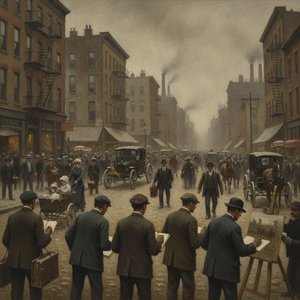
The Ashcan School: Capturing the Raw, Unfiltered Soul of Urban Life through American Realism
Discover the raw beauty of the Ashcan School. Explore how masters like Bellows and Henri captured the gritty, vibrant soul of early 20th-century New York through profound American Realism and evocative urban landscapes.
Esplora le opere d'arte organizzate per temi, stili e caratteristiche.


