


 Anteprima in scala reale
 Invia
Invia Condividi
 Dettagli opera
 Guida
Guida

 Scarica
 Simili
 Radiografia
 Slideshow
 Statistiche
Sitges train station
 Oil
Oil- WallArt
- Impressionism
 1882
1882- 19th Century
 31.0 x 41.0 cm
 Maricel Museum
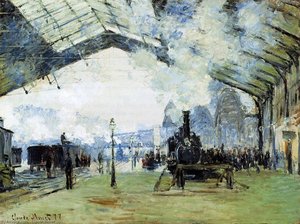
A powerful steam engine billows smoke through the bustling Sitges train station in this 1882 Impressionistic masterpiece by Joan Roig Soler, inviting you to bring a piece of Catalan history into your home.
 Espandi i dettagli
Scopri i paesaggi di Joan Roig Soler (1852-1909). Esplora i suoi vivaci dipinti di Sitges, Blanes e Madrid: un maestro di luce e colore!
Giclée / Stampe d'arte
Stampa giclée o su tela di qualità museale, con produzione rapida e diverse opzioni di finitura. ( Acquista il dipinto realizzato a mano Passa all'immagine digitale)




P118B €10

P118H €10

P118W €10

P438Z €10

P508JH €12

P508YH €12

P805H €10

P805Z €10

P919BZ €10

P919G €10

P919XJ €10

P959ZH €10

P968JZ €12

W106C €8

W218G €10

W218JH €8

W218Y €10

W307PJ €10

W316G €10

W316PJ €8

W316Y €10

W398PJ €8

W4111J €10

W500HY €15

W500JH €15

W692G €12

W849H €8

W940BG €15

W953PJ €8




Formato standard
su misura
CM
INCH
Scegli tra le nostre dimensioni predefinite, che rispettano le proporzioni originali dell'opera d'arte.
Loading sizes...

larghezza
altezza
Inserisci la larghezza e l'altezza desiderate, per adattarle alla tua cornice o alla tua parete. Una stampa può essere solo ritagliata, mai resa più grande dell'immagine originale; pertanto, un formato con una forma differente comporterà la perdita di una parte dell'opera. Ti invieremo un mockup digitale da approvare prima di procedere con la stampa. L'immagine mostrata in questa pagina non rappresenta il ritaglio reale — solo il mockup lo mostra.
Consegna in tutto il mondo () in 2 settimane invece delle normali 4/5 settimane. (28 Ottobre)

Spedizione espressa gratuita in tutto il mondo

Tela in lino di alta qualità

Assicurazione completa sulla spedizione

Garanzia di rimborso dei dazi doganali

Garanzia di fedeltà cromatica assoluta

Politica di reso entro 100 giorni (solo per difetti di fabbricazione)

Garanzia di rimborso al 100%

Offerta per acquisti multipli
 L'opzione vetro è disponibile solo per dimensioni inferiori a 110 cm

Sitges train station
Giclée / Stampe d'arte
Dimensioni riproduzione
-


Prezzo finale calcolato
€ 61
A Moment Frozen in Steam and Light
In the evocative masterpiece Sitges train station, painted in 1882, Joan Roig Soler invites us into a fleeting moment of late nineteenth-century life, where the industrial pulse of progress meets the quiet anticipation of travel. The canvas captures the bustling energy of a Catalan railway platform, dominated by the magnificent presence of a steam engine as it pulls its heavy carts along the tracks. As the locomotive surges forward, thick plumes of billowing smoke rise into the sky, creating a dramatic interplay between the solid, dark machinery and the ethereal, transient atmosphere of the morning air. It is a scene that breathes with movement, capturing not just a location, but the very sensation of arrival and departure.
Roig Soler, a master of light and color, employs an Impressionistic sensibility to breathe life into this industrial landscape. Rather than focusing solely on the mechanical precision of the train, he directs our gaze toward the human element—the twelve figures scattered across the platform, each caught in a private moment of observation or waiting. Some lean forward with curiosity, while others sit quietly on the station benches, their silhouettes softened by the atmospheric haze. The artist’s technique allows light to dance across the scene, illuminating the textures of the steam and the subtle shadows cast by the passengers, creating a sense of depth that pulls the viewer directly onto the platform alongside the travelers.
The Intersection of Progress and Nostalgia
Historically, this work serves as a poignant window into the era of rapid modernization in Spain. The train station, once a symbol of cutting-edge technology and the shrinking of distances, is depicted here with a sense of romantic grandeur. There is a profound symbolism in the contrast between the heavy, unstoppable force of the steam engine and the fragile, transient nature of the people watching it pass. For the contemporary collector or interior designer, this painting offers more than just a historical record; it provides a sophisticated narrative of transition. The composition, which stretches across the canvas from left to right, guides the eye through a rhythmic progression of movement and stillness.
For those seeking to adorn a space with art that evokes emotion and conversation, Sitges train station is an incomparable choice. Its palette of earthy tones, punctuated by the dramatic whites of the steam, lends itself beautifully to both classical and modern interiors. Whether placed in a grand study or a contemporary living area, this reproduction brings with it a sense of timelessness and a quiet, contemplative energy. It is a piece that celebrates the beauty found in the mundane, transforming a routine moment at a station into an enduring vision of light, motion, and human connection.
Domande e risposte
In quale ambiente si consiglia di collocare "Sitges train station" di Joan Roig Soler?
"Sitges train station" di Joan Roig Soler è consigliato per un/una Coffee Shop. Questo suggerimento si basa sul soggetto, sui colori e sull'atmosfera dell'opera.
Dove posso acquistare una riproduzione dipinta a mano di "Sitges train station" di Joan Roig Soler?
Le riproduzioni dipinte a mano di "Sitges train station" di Joan Roig Soler sono disponibili su questo sito web: una riproduzione a olio dipinta a mano su tela di lino, ordinabili tramite la pagina Riproduzione dipinta a mano.
Quali stati d'animo ed emozioni si fondono in "Sitges train station"?
L'atmosfera che traspare da "Sitges train station" di Joan Roig Soler è Nostalgic, e il suo tono emotivo è Nostalgic.
Opere simili




Biografia dell'artista
L'Eredità Luminosa di Joan Roig Soler
Nell'età dell'oro dell'Impressionismo spagnolo, pochi artisti hanno catturato la danza effimera della luce sulla costa mediterranea con la stessa intensità di Joan Roig Soler. Nato a Barcellona nel 1852, Soler emerse da una stirpe di passione artistica, nutrito da un padre che fu il primo ad accendere in lui la fascinazione per le sfumature del colore e della forma. La sua formazione accademica presso l'Escuela Superior de Bellas Arts Barcelona gli fornì una solida base nel realismo accademico, eppure fu la sua capacità di trascendere i rigidi confini della tradizione a definire la sua carriera. Con il progredire del XIX secolo, Soler iniziò a intrecciare la meticolosa precisione della sua educazione classica con le nascenti sensibilità atmosferiche del movimento impressionista, creando uno stile che appariva al contempo radicato nella realtà ed elevato dalla luce.
Il cuore dell'opera di Soler risiede nei paesaggi baciati dal sole della Catalogna, in particolare nella pittoresca enclave costiera di Sitges. Fu proprio qui, tra le viste scintillanti della Costa Brava, che l'artista trovò la sua vera voce. Possedeva una rara, quasi intuitiva capacità di tradurre le trame fugaci del Mediterraneo: il modo in cui la luce solare si rifrange attraverso lo spruzzo marino o come il calore di mezzogiorno ammorbidisce i contorni delle ville costiere. Le sue opere di questo periodo non sono semplici paesaggi, ma vere esperienze sensoriali; in capolavori come Sitges Study, si può quasi percepire il calore della sabbia e l'odore del sale nella brezza. Questa dedizione nel catturare la bellezza transitoria della costa cementò la sua reputazione di maestro del realismo impressionista, un artista capace di congelare un istante nel tempo mantenendone l'essenza vibrante e pulsante.
Ritmi Urbani ed Echi Industriali
Mentre le tranquille sponde di Sitges gli offrivano un santuario di luce, Roig Soler era altrettanto affascinato dall'energia crescente dei centri urbani della Spagna. I suoi viaggi a Madrid gli permisero di esplorare una diversa sfaccettata dell'esperienza umana: il battito dinamico e spesso caotico della vita cittadina. In tele come Avenida de los catalanes, si allontanò dagli sereni orizzonti costieri per abbracciare la complessa interazione di ombre e movimento tipica delle strade metropolitane. Queste impressioni urbane mostrano la sua straordinaria versatilità, dimostrando che la sua maestria della luce era altrettanto efficace nei stretti e ombreggiati corridoi di una città quanto su una spiaggia aperta.
Forse ciò che colpisce maggiormente è la sua capacità di scorgere la bellezza all'interno dei meccanismi del progresso. Nella sua evocativa opera del 1882, Sitges train station, Soler cattura un profondo punto d'incontro tra la rivoluzione industriale e la quiete della vita quotidiana. Il dipinto presenta un quadro drammatico in cui la presenza pesante e scura di una locomotiva a vapore incontra le eteree colonne di fumo che si alzano, creando un senso di profondità atmosferica che trascina lo spettatore sulla banchina. Attraverso quest'opera, l'artista esplora i temi della nostalgia e della modernizzazione, utilizzando la locomotiva come simbolo di un futuro inarrestabile che avanza sul paesaggio senza tempo. Concentrandosi sull'elemento umano — i passeggeri colti in momenti di attesa o curiosità — egli infonde la scena industriale di una risonanza emotiva profondamente comunicativa.
Influenze Artistiche e Significato Storico
L'evoluzione della tecnica di Roig Soler fu profondamente plasmata dai giganti dell'arte europea. Trasse grande ispirazione dalle opere di Claude Monet e Frédéric Bazille, adottando il loro focus sulla luce e sulle pennellate frammentate per esaltare la luminosità delle sue tavolozze. Tuttavia, a differenza di alcuni dei suoi contemporanei più radicali, Soler non abbandonò mai completamente l'integrità strutturale della tradizione accademica. Questa sintesi unica — l'unione tra pennellate espressive impressioniste e una composizione realista disciplinata — distingue il suo lavoro dal movimento più ampio e gli conferisce una qualità scultorea duratura.
Sebbene la storia lo collochi occasionalmente all'ombra di contemporanei come Joaquín Sorolla, l'importanza duratura di Joan Roig Soler risiede nel suo ruolo di cronista vitale dello spirito catalano. I suoi dipinti fungono da archivio visivo di un'era trasformativa della storia spagnola, catturando sia lo splendore naturale del Mediterraneo che la rapida modernizzazione della fine del XIX secolo. Oggi, la sua eredità continua a ispirare, offrendo una finestra su un mondo in cui luce, colore e movimento convergono per raccontare la storia di una nazione in mutamento.

Joan Roig Soler
1852 - 1909 , Spagna
Dettagli rapidi
- Artistic Movement Or Style: Pittura Realista e Impressionismo
- Artists Or Movements Influenced By This Artist: ['Impressionismo']
- Artists Who Influenced This Artist: ['Mariano Fortuny y Marsal']
- Date Of Birth: 1852
- Date Of Death: 1909
- Full Name: Joan Roig y Soler
- Nationality: Spagnolo
- Notable Artworks:
- Capo Africano
- Studio di Sitges
- Scendere dalla carrozza
- Place Of Birth: Barcellona, Spagna
Articoli correlati

Capturing the Steam & Steel: Impressionist Visions of the Industrial Age
Explore the breathtaking intersection of industry and art. Discover how Impressionist masters captured the ethereal beauty of steam, steel, and light during the Industrial Age through evocative oil paintings and timeless techniques.