Anteprima in scala reale
 Invia
Invia Condividi
 Dettagli opera
 Guida
Guida

 Scarica
 Simili
 Radiografia
 Slideshow
 Statistiche
Taking tea


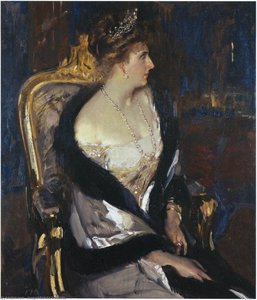
Bathed in Valencian sunlight, Joaquín Sorolla’s ‘Taking Tea’ captures the serene intimacy of two women enjoying a leisurely afternoon gathering—a masterful Impressionist depiction reflecting Spain's golden age.
 Espandi i dettagli
Scopri Joaquín Sorolla (1863-1923), maestro del Realismo e Luminismo spagnolo! Esplora le sue vibranti opere, luce mediterranea, ritratti e temi sociali. Una figura chiave dell'Impressionismo.
Giclée / Stampe d'arte
Stampa giclée o su tela di qualità museale, con produzione rapida e diverse opzioni di finitura. ( Acquista il dipinto realizzato a mano Passa all'immagine digitale)




P118B €10

P118H €10

P118W €10

P438Z €10

P508JH €12

P508YH €12

P805H €10

P805Z €10

P919BZ €10

P919G €10

P919XJ €10

P959ZH €10

P968JZ €12

W106C €8

W218G €10

W218JH €8

W218Y €10

W307PJ €10

W316G €10

W316PJ €8

W316Y €10

W398PJ €8

W4111J €10

W500HY €15

W500JH €15

W692G €12

W849H €8

W940BG €15

W953PJ €8




Formato standard
su misura
CM
INCH
Scegli tra le nostre dimensioni predefinite, che rispettano le proporzioni originali dell'opera d'arte.
Loading sizes...

larghezza
altezza
Inserisci la larghezza e l'altezza desiderate, per adattarle alla tua cornice o alla tua parete. Una stampa può essere solo ritagliata, mai resa più grande dell'immagine originale; pertanto, un formato con una forma differente comporterà la perdita di una parte dell'opera. Ti invieremo un mockup digitale da approvare prima di procedere con la stampa. L'immagine mostrata in questa pagina non rappresenta il ritaglio reale — solo il mockup lo mostra.
Consegna in tutto il mondo () in 2 settimane invece delle normali 4/5 settimane. (26 Ottobre)

Spedizione espressa gratuita in tutto il mondo

Tela in lino di alta qualità

Assicurazione completa sulla spedizione

Garanzia di rimborso dei dazi doganali

Garanzia di fedeltà cromatica assoluta

Politica di reso entro 100 giorni (solo per difetti di fabbricazione)

Garanzia di rimborso al 100%

Offerta per acquisti multipli
 L'opzione vetro è disponibile solo per dimensioni inferiori a 110 cm

Taking tea
Giclée / Stampe d'arte
Dimensioni riproduzione
-


Prezzo finale calcolato
€ 61
A Moment Captured in Valencia’s Golden Light
Joaquín Sorolla's "Taking Tea" isn’t merely a depiction of two women enjoying afternoon refreshments; it’s an exquisite distillation of Valencian life and artistic sensibility at the cusp of the roaring twenties. Painted in 1918, this portrait transcends its subject matter to become a testament to Sorolla’s masterful command of light – a hallmark that defines his entire oeuvre and cemented his reputation as one of Spain's foremost Impressionists.The Painter’s Technique: Embracing Luminosity
Sorolla’s technique is instantly recognizable. He eschewed the meticulous detail favored by many of his contemporaries, opting instead for loose brushstrokes that capture the ephemeral quality of sunlight filtering through a Valencian window. Layers upon layers of thin washes of pigment create an illusion of depth and vibrancy, mimicking the way light dances across surfaces. Notice how he skillfully renders the translucence of the vase’s glass – not with hard edges but with soft gradations that convey its luminous interior. This deliberate disregard for precise representation prioritizes feeling over factual accuracy, aligning perfectly with Sorolla's artistic philosophy.Historical Context: Valencia and Modernity
Valencia in 1918 was experiencing a period of significant cultural renewal. The city’s burgeoning bourgeoisie embraced the ideals of modernity, fostering an environment conducive to artistic experimentation. Sorolla himself benefited from patronage – notably from wealthy Valencian families – allowing him to dedicate himself fully to his craft. “Taking Tea” reflects this spirit of optimism and engagement with contemporary life, portraying women engaged in conversation amidst a scene of domestic comfort. It’s a snapshot of a society striving for beauty and refinement, mirroring Sorolla's own belief that art should illuminate the human experience.Symbolism Within Light
The pervasive use of light isn’t accidental; it carries profound symbolic weight. Sorolla was deeply influenced by Japanese Impressionism, particularly Hiroshige’s landscapes, which emphasized atmospheric perspective and a focus on capturing fleeting moments. Just as Hiroshige sought to convey the essence of Japan's natural beauty, Sorolla aimed to encapsulate the warmth and vitality of Valencian culture. The light itself symbolizes joy, serenity, and connection – qualities that permeate the painting’s composition and contribute to its emotional resonance.Emotional Impact: A Gentle Radiance
Ultimately, “Taking Tea” succeeds in conveying a palpable sense of tranquility and intimacy. The figures are rendered with understated grace, their expressions subtly hinting at shared companionship. Sorolla's masterful manipulation of light imbues the scene with an ethereal glow, transporting the viewer to a sunlit Valencian terrace. It’s a painting that invites contemplation – prompting us to savor the simple pleasures of life and appreciate the beauty found in everyday moments. This reproduction captures not just an image but an atmosphere—a feeling of warmth, connection, and timeless elegance.Domande e risposte
Quale tavolozza di colori utilizza "Taking tea"?
La tavolozza di "Taking tea" di Joaquín Sorolla y Bastida è descritta come Earthy: una sintesi cromatica dell'opera.
Quanto sono vivaci i colori di "Taking tea"?
I colori di "Taking tea" di Joaquín Sorolla y Bastida presentano una saturazione Muted e un'intensità Monochromatic.
Come può essere utilizzato "Taking tea" di Joaquín Sorolla y Bastida nell'arredamento d'interni?
L'uso (Accent) e lo spazio (Living Room) sono le due raccomandazioni indicate per "Taking tea" di Joaquín Sorolla y Bastida.
Opere simili


Biografia dell'artista
La Vita e l'Educazione di Joaquín Sorolla y Bastida
Joaquín Sorolla y Bastida, un rinomato pittore spagnolo, nacque il 27 febbraio 1863 a Valencia, in Spagna. Era il figlio maggiore di Joaquín Sorolla, commerciante, e Concepción Bastida. Orfano all'età di due anni, fu cresciuto dalla zia materna e dallo zio. La sua formazione artistica iniziò nella sua città natale, dove ricevette le prime lezioni d’arte all'età di nove anni. Successivamente studiò sotto la guida di Cayetano Capuz, Salustiano Asenjo e José Benlliure a Roma. Una borsa di studio quadriennale gli permise di studiare pittura a Roma, in Italia, dove fu influenzato da Francisco Pradilla.Sviluppo Artistico e Stile
Sorolla sviluppò uno stile distintivo caratterizzato da una straordinaria capacità di catturare la luce e il colore. Il suo lavoro si concentra principalmente su scene di vita quotidiana, ritratti e paesaggi costieri, spesso ambientati nelle spiagge assolate della Spagna. Sebbene inizialmente influenzato dal realismo accademico, Sorolla evolse rapidamente verso un approccio più impressionista, con pennellate libere e vibranti che conferiscono alle sue opere una sensazione di immediatezza e vitalità. La sua maestria nel rendere gli effetti della luce solare, in particolare sulla pelle e sull'acqua, è diventata il suo marchio distintivo.Opere Principali e Riconoscimenti
Sorolla lasciò un’impronta significativa nel mondo dell'arte con numerose opere di grande successo. Tra le sue creazioni più celebri si annoverano:- Ragazza italiana con fiori (olio su tela), che testimonia la sua abilità nel catturare l'essenza dei suoi soggetti.
- Tempo di bagno (realismo, olio), che mette in mostra la sua capacità di bilanciare luce e colore.
- La tratta degli schiavi bianchi (Museo Sorolla, Madrid, Spagna, olio su tela), un raro esempio di realismo sociale nel lavoro di Sorolla.
Influenza e Significato Storico
L'opera di Sorolla, caratterizzata da luminosità e bravura, ha lasciato un segno indelebile nel panorama artistico spagnolo ed europeo. È considerato uno dei maggiori esponenti del realismo spagnolo e un precursore dell’impressionismo in Spagna. La sua capacità di rappresentare la vita quotidiana con tale vivacità e sensibilità lo rende una figura chiave nella storia dell'arte moderna. Il Museo Sorolla a Madrid, situato nella sua ex casa e studio, è dedicato alla sua opera e testimonia il suo contributo duraturo all’arte spagnola.Eredità e Impatto
Joaquín Sorolla y Bastida morì nel 1923, lasciando dietro di sé un'eredità artistica ricca e variegata. La sua influenza si estende ancora oggi a numerosi artisti, ispirati dalla sua maestria tecnica, dalla sua sensibilità cromatica e dalla sua capacità di catturare la bellezza del mondo che lo circondava. Le sue opere continuano ad essere ammirate e studiate per la loro straordinaria qualità artistica e il loro valore storico.
Joaquín Sorolla y Bastida
1863 - 1923 , Spagna
Dettagli rapidi
- Artisti Influenti: ['Francisco Pradilla']
- Data Di Nascita: 27 febbraio 1863
- Luogo Di Nascita: Valencia, Spagna
- Movimento Artistico: Realismo, Luminismo
- Nazionalità: Spagnola
- Nome Completo: Joaquín Sorolla y Bastida
- Opere Notevoli:
- Italian Girl with Flowers
- Bathing Time
- White Slave Trade
Articoli correlati

Capturing the Light: A Journey Through the Ethereal Magic of Impressionism and Post-Impressionism
Embark on a cultural journey through the luminous world of Impressionism. Discover the profound beauty of Monet, Van Gogh, and Cézanne through expert art history insights and explore how to bring these timeless masterpieces into your home with museum-quality hand-painted reproductions.
Esplora le opere d'arte organizzate per temi, stili e caratteristiche.